
Shopping for a recreational vehicle often begins with an exciting question: Where would you like to travel? Perhaps you envision exploring national parks, spending weekends at lakeside campgrounds, visiting family across the country, or enjoying extended road trips without a fixed itinerary. The possibilities are appealing, but before choosing an RV, there is another question worth exploring: How much will it actually cost to own?
The purchase price is only one part of the equation. Insurance, registration, maintenance, fuel, financing, depreciation, campground expenses, and storage can all influence the long-term cost of recreational vehicle ownership. Depending on the type of RV, buyers may also need a tow vehicle, additional towing equipment, or a separate vehicle for transportation after reaching their destination. Understanding these expenses before purchasing can help travelers choose an RV that fits both their travel plans and their financial expectations.
Why the Purchase Price Doesn't Tell the Whole Story
Two recreational vehicles with similar purchase prices can have very different ownership costs. A large motorhome may provide generous living space and extensive amenities but require additional spending on fuel, maintenance, insurance, and storage. A travel trailer may have a lower purchase price than a motorhome, yet the total investment can change considerably if a suitable tow vehicle must also be purchased.
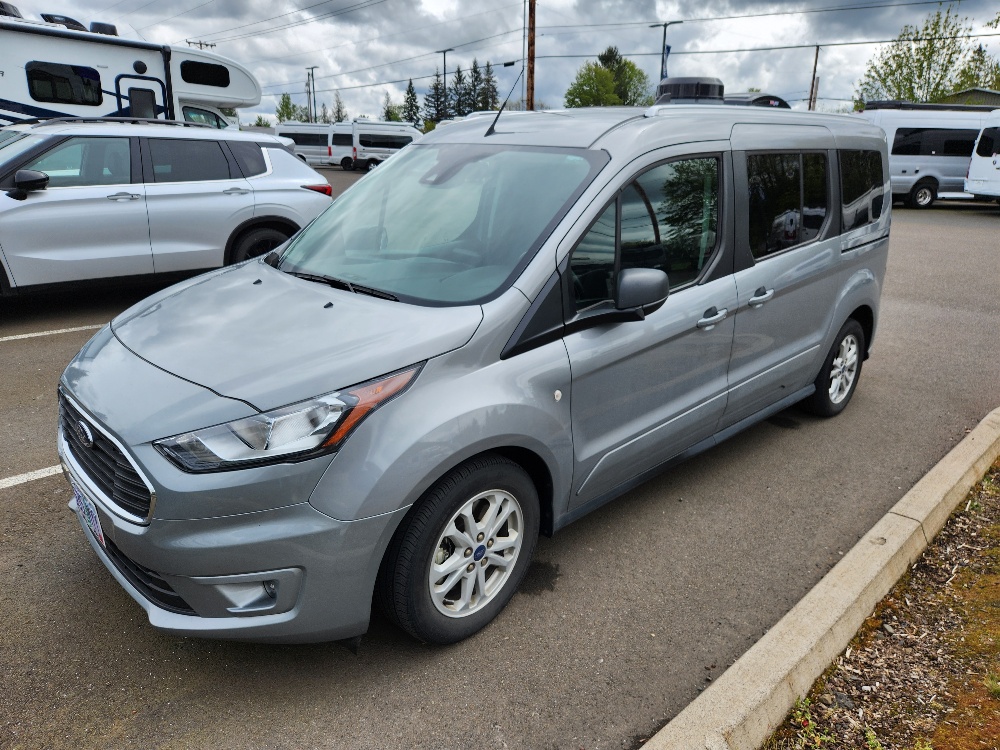
Compact campervans introduce another set of considerations. Some offer advantages in fuel economy, parking, and storage, while certain models can also serve as everyday transportation. However, their smaller interiors may not provide the living space or amenities that some travelers prefer. Rather than assuming one RV classification is always the most economical, it is more useful to consider how each vehicle will actually be used and which expenses apply to your circumstances.
Fuel, Maintenance, and Insurance Expenses
Fuel consumption can make a substantial difference for travelers who cover thousands of miles annually. A campervan that achieves better fuel economy may reduce travel expenses compared with a larger motorhome, although actual savings depend on mileage, fuel prices, vehicle loading, and driving conditions. Maintenance costs also vary, with routine services, tires, mechanical repairs, and the upkeep of RV equipment all contributing to ownership expenses. Larger or heavier recreational vehicles may require specialized service or more expensive replacement components, while smaller vehicles may share certain maintenance characteristics with passenger vehicles.
Insurance is another important consideration. Premiums depend on the vehicle, its value, intended use, coverage selections, location, and driver circumstances. Obtaining insurance estimates before purchasing can help avoid unexpected expenses. When comparing different RV types, looking at fuel, maintenance, and insurance together provides a more realistic picture than focusing on any one expense alone.
Where Will You Store Your RV?
Storage is one of the ownership expenses buyers sometimes overlook. Many Class A and Class C motorhomes, travel trailers, fifth wheels, and high-roof campervans cannot fit inside a conventional residential garage. Owners may need outdoor parking space, a larger garage, or a commercial RV storage facility. These expenses can accumulate year after year, particularly when an RV is used only during part of the camping season. Homeowners association rules and local parking restrictions can also influence where a recreational vehicle may be kept.
Some compact campervans offer an alternative. The Ford Transit Connect, Chrysler Pacifica, and Chrysler Voyager Mini-T Campervans manufactured by DLM-Distribution have exterior heights of approximately 80 inches and can fit inside many residential garages with seven-foot doors, provided actual clearance is sufficient. Indoor garage storage can reduce exposure to weather, keep the vehicle readily accessible, and potentially eliminate off-site storage fees. It may also help address certain neighborhood parking concerns, although homeowners association requirements vary and should always be verified.
For buyers comparing RV classifications, storage deserves consideration alongside the purchase price rather than being treated as an expense to address later.

Will You Need Another Vehicle?
Transportation requirements can significantly affect the total cost of RV ownership. Travel trailers, fifth wheels, and many other towable RVs require a vehicle with suitable towing capacity, payload, and equipment. Buyers who already own an appropriately equipped vehicle may have little additional expense, while others may need to purchase or upgrade their tow vehicle. Owners of larger motorhomes sometimes choose to tow a passenger vehicle for sightseeing and everyday transportation after arriving at a campground. This arrangement can be convenient, but it may introduce expenses for towing equipment, vehicle maintenance, insurance, registration, and storage.
A compact campervan offers a different approach by combining transportation and overnight accommodations in one vehicle. Travelers can use the same campervan to visit attractions, stop for groceries, explore nearby towns, and return to their campsite without arranging separate transportation. For some households, a compact campervan may also replace an existing everyday vehicle, potentially reducing duplicated ownership expenses. However, those savings should only be included when another vehicle is actually replaced rather than retained alongside the RV.

Financing, Depreciation, and the Cost of Ownership Over Time
Monthly payments are often a major consideration when purchasing an RV, but the financing term and interest rate can influence the total amount paid over the years. A lower monthly payment does not necessarily mean a lower overall cost, particularly when the loan extends over a longer period. Comparing financing arrangements over the same ownership period can help buyers understand the difference between an affordable monthly payment and the full cost of borrowing.
Depreciation is another important factor. Recreational vehicles generally lose value over time, although the amount varies according to vehicle type, age, mileage, condition, demand, and market conditions. Buyers planning to keep an RV for many years may evaluate depreciation differently from those who expect to sell or trade after only a few seasons. Comparing ownership costs over a consistent period, such as five or ten years, can provide a more useful perspective than focusing exclusively on the initial purchase price.
Campground Expenses and How You Plan to Travel
Where and how often you camp can influence the overall cost of RV ownership. Travelers who prefer full-hookup resorts may have different campground expenses than those who regularly visit state parks, national forests, or campgrounds with fewer amenities. The number of nights spent camping, seasonal rates, reservation fees, and preferred destinations can all affect annual travel expenses.
Electrical systems also influence camping flexibility. Some recreational vehicles rely heavily on campground hookups or generators for certain appliances, while others incorporate battery storage, solar-assisted charging, and inverters that support electrical use away from hookups. For example, Mini-T Campervans include dedicated house batteries, solar-assisted charging, alternator charging, shore-power capability, and inverter-supported 120-volt power. These systems allow conveniences such as the microwave to operate without a generator, subject to available battery capacity and electrical demand.
The value of these features depends on individual travel habits. Someone who primarily stays at full-hookup campgrounds may have different priorities from a traveler who frequently camps without electrical connections. Understanding how and where you expect to camp can help determine which equipment and operating expenses are most relevant.

Compare RV Ownership Costs With a Free Calculator
Because recreational vehicles vary widely in size, equipment, operating expenses, and transportation requirements, comparing them using generalized estimates can be misleading. A more useful approach is to adjust the numbers according to your own travel plans and financial circumstances, then review how those differences affect the total cost of ownership.
DLM-Distribution has developed a free RV & Vehicle Cost of Ownership Calculator to help buyers explore these differences before making a purchase. Rather than promoting one particular RV classification, the calculator allows users to enter their own estimates and compare different ownership scenarios.
The calculator supports comparisons involving Class A, Class B, and Class C motorhomes, campervans, travel trailers, fifth wheels, pop-up campers, teardrop trailers, and everyday vehicles. Users can adjust purchase prices, financing, insurance, fuel consumption, maintenance, depreciation, storage, campground expenses, and additional costs associated with towing or transportation.
It also helps travelers consider practical ownership differences, including whether an RV can be stored at home, whether a suitable tow vehicle is already available, and whether a compact campervan might replace an everyday passenger vehicle. These considerations can make a meaningful difference in the overall financial picture, particularly when comparing recreational vehicles with very different operating requirements.
The calculator is intended as a planning resource rather than a prediction of exact future expenses. Its value comes from allowing users to explore their own circumstances, change assumptions, and better understand which costs matter most. Whether considering a large motorhome, a towable RV, or a compact campervan, the goal is to make a more informed decision before purchasing.
Explore the Free RV & Vehicle Cost of Ownership Calculator
Choosing an RV That Fits Your Life and Your Budget
The best recreational vehicle is not necessarily the largest, the least expensive, or the one with the longest list of features. It is the vehicle that supports the experiences you want to enjoy while fitting comfortably into your ownership expectations. A large motorhome may be the right choice for travelers who prioritize interior space and extended stays. A travel trailer may work well for households that already own a suitable tow vehicle. A compact campervan may appeal to those who value fuel efficiency, everyday usability, convenient parking, and the possibility of residential garage storage.
Each option involves tradeoffs, and understanding those differences before purchasing can make the ownership experience more satisfying. Looking beyond the initial price helps buyers consider not only what they can afford to purchase, but also what they will be comfortable owning, maintaining, and using over time.
For travelers interested in a compact Class B RV that combines everyday transportation with comfortable camping accommodations, DLM-Distribution manufactures the Mini-T Campervan in Lake Crystal, Minnesota. To explore available models and their features, visit the Mini-T Campervan inventory.
Wherever your travels take you, choosing an RV with a clear understanding of its long-term expenses can help you spend less time worrying about ownership costs and more time enjoying the places you visit.
Happy Travels & Happy Camping!
DLM-Distribution / Campervans is a licensed manufacturer and dealer located in Lake Crystal, Minnesota, serving clients around the country.
Contact Dave: 651-285-7089 or Candy: 507-382-9446 today!