
Used Camper Vans for Sale: What to Know Before You Buy
Shopping for a used campervan can be an exciting first step toward exploring national parks, discovering scenic highways, spending weekends at favorite campgrounds, or enjoying longer road trips without depending on hotels. A well-maintained pre-owned campervan can provide many of the same travel conveniences as a new model, often at a lower purchase price. However, buying a campervan involves more than evaluating an ordinary used vehicle. You are purchasing both transportation and a collection of camping systems that need to function reliably together.
Two campervans with similar mileage and asking prices may represent very different values. One may have been carefully maintained, stored indoors, and used regularly, while another may have spent years outdoors with limited maintenance or neglected electrical and plumbing systems. Understanding these differences before purchasing can help you avoid unexpected repairs and choose a campervan that suits your travel plans.
Whether you are considering a compact campervan for everyday driving and weekend camping or a larger Class B motorhome for extended travel, taking time to evaluate the vehicle, conversion, equipment, and ownership history is well worth the effort.
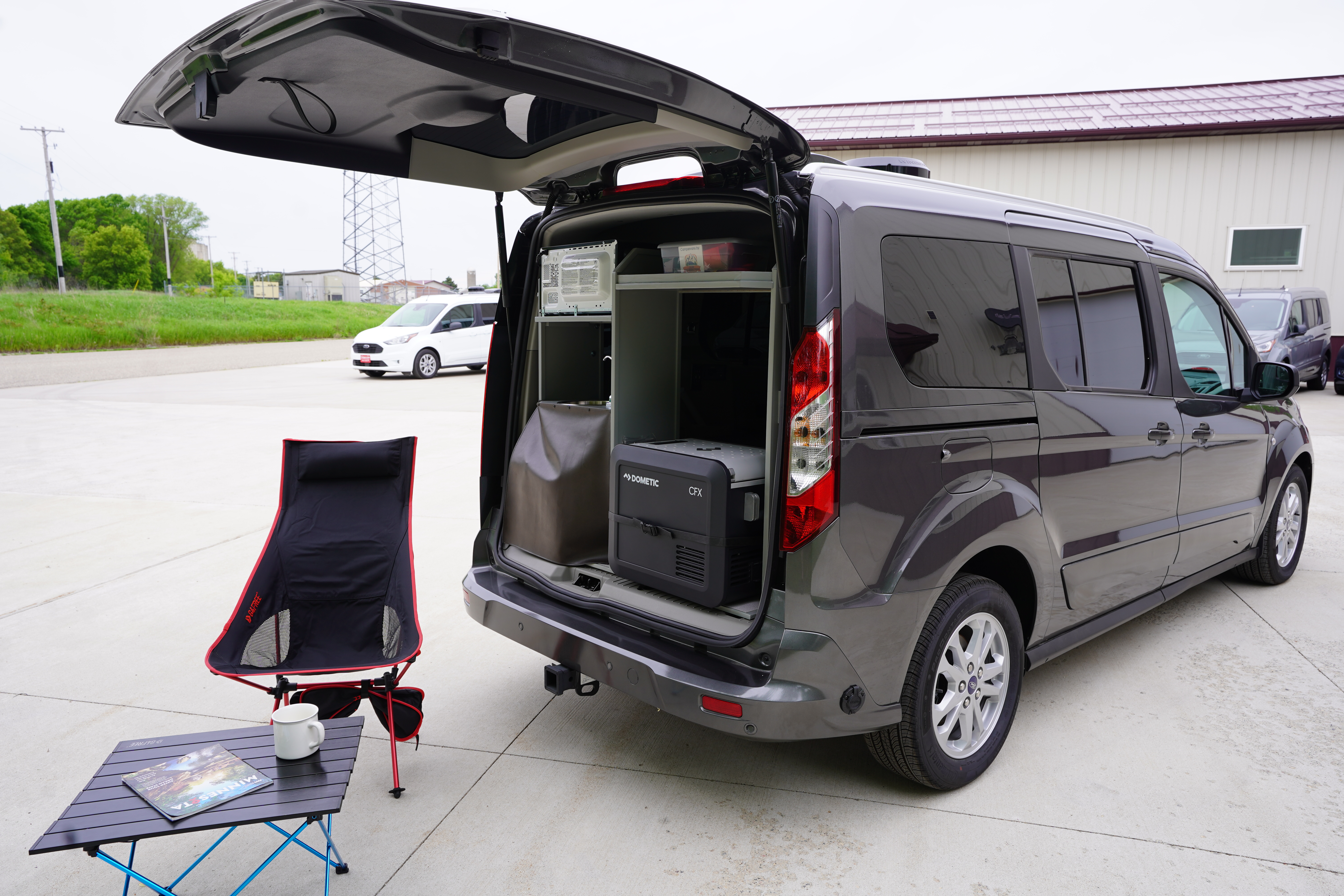
Why Buying a Used Campervan Can Make Sense
One of the primary advantages of purchasing a used campervan is the opportunity to acquire an established travel vehicle at a price below that of a comparable new model. The original owner has already absorbed some depreciation, although the amount varies considerably depending on the vehicle's age, condition, mileage, manufacturer, and market demand. A well-equipped used campervan may also include accessories or improvements that would otherwise represent additional expenses.
Buying pre-owned can also provide a clearer picture of how a particular vehicle has performed over time. Maintenance records, service history, previous repairs, and evidence of regular use can help buyers understand how the vehicle has been cared for. A campervan with documented maintenance and a clean, functional interior may be a better purchase than a newer vehicle with questionable upkeep.
It is important, however, not to assume that every used campervan represents a bargain. A lower purchase price can quickly lose its appeal if the vehicle requires expensive mechanical repairs, replacement house batteries, electrical troubleshooting, or significant interior restoration. The best value is usually found by considering the total condition and expected ownership costs rather than focusing on the asking price alone.
Start With the Vehicle Itself
Before evaluating the camping equipment, begin with the underlying vehicle. A campervan still depends on its engine, transmission, brakes, suspension, steering, tires, and other automotive systems to get you safely to your destination. Even an attractive interior cannot compensate for serious mechanical problems.
Review available maintenance records and look for evidence of routine oil changes, recommended fluid services, tire replacement, and repairs performed as needed. Examine the tires for uneven wear, aging, and proper load ratings. A campervan with relatively few miles can still need tires because of age, while a higher-mileage vehicle that has been consistently serviced may remain in excellent operating condition.
A thorough test drive is especially valuable. Pay attention to how the campervan accelerates, shifts, brakes, steers, and handles highway speeds. Listen for unusual noises and note any dashboard warnings or vibrations. If you are unfamiliar with the vehicle platform, an independent mechanical inspection by a qualified technician can provide additional confidence before making a purchase.
It is also worth reviewing the vehicle identification number, title status, and available vehicle history reports. These can help identify previous ownership, reported accidents, title concerns, and certain service events. A vehicle history report is useful, but it should complement a physical inspection rather than replace one.
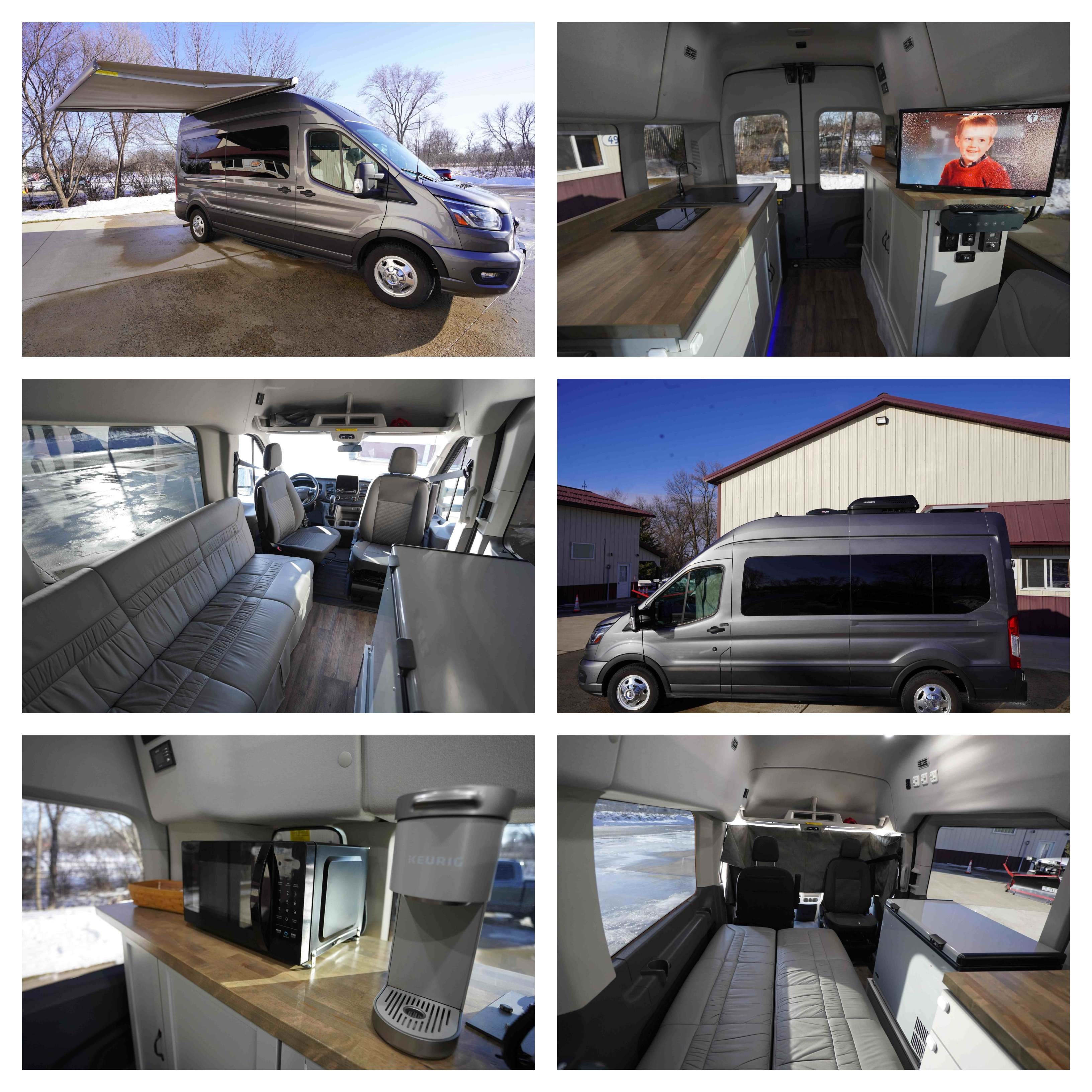
Inspect the Campervan Conversion, Not Just the Chassis
One of the most important differences between purchasing a used campervan and an ordinary passenger vehicle is the conversion itself. The cabinetry, sleeping accommodations, electrical system, water system, appliances, ventilation, and interior components all deserve careful attention.
Begin by examining the overall workmanship. Cabinets and drawers should operate properly, fixtures should feel secure, and interior components should show reasonable wear for the vehicle's age. Look for loose fasteners, damaged trim, unusual odors, water stains, or evidence of previous repairs. A carefully manufactured conversion should be practical to use and reasonably accessible for future maintenance.
Pay particular attention to moisture. Inspect around windows, roof-mounted equipment, plumbing connections, and other areas where water could potentially enter. Discoloration, soft materials, persistent musty odors, or signs of concealed moisture should prompt further investigation. Water damage can be expensive to correct, especially when it affects areas behind cabinetry or interior panels.
Ask who manufactured the campervan conversion and whether documentation is available for the installed equipment. Knowing the conversion manufacturer can be helpful when locating replacement parts, identifying electrical components, obtaining operating instructions, or arranging future service. The quality of the original installation matters just as much as the appearance of the finished interior.
Understand the Electrical System Before You Buy
Electrical capability is one of the most important features to evaluate in a used campervan, particularly if you plan to camp without hookups. Many campervans have separate automotive and house electrical systems, with the house batteries supplying power for camping equipment and an inverter providing household-style 120-volt electricity when appropriate.
Ask about the age, type, and condition of the house batteries. Battery capacity and performance can decline over time, especially when batteries have been repeatedly discharged too deeply, improperly charged, or left in storage without suitable maintenance. A battery that appears fully charged on a display may not necessarily retain its original usable capacity.
Test the system under normal operating conditions rather than relying only on indicator lights. Verify that the inverter operates properly, that applicable 120-volt outlets supply power, and that installed appliances function as intended. If the campervan has solar charging, alternator charging, and shore-power capability, each charging source should be evaluated. Also inspect accessible wiring and connections for obvious damage, corrosion, or improper modifications.
A properly designed electrical system can make campervan travel considerably more convenient, allowing travelers to use refrigeration, lighting, charging equipment, and compatible appliances without depending entirely on campground hookups. Understanding the system before purchasing helps prevent surprises after the first overnight trip.
Check the Water System, Appliances, and Camping Equipment
Camping equipment should be inspected with the same attention given to the vehicle's mechanical components. If the campervan includes a sink, freshwater tank, pump, or gray-water system, ask for a demonstration. Check for leaks, unusual pump cycling, damaged fittings, and signs that the system may have been exposed to freezing temperatures without proper winterization.
Test the refrigerator, microwave, ventilation fan, interior lighting, and other installed accessories. Confirm that the sleeping area operates as designed and that storage compartments, screens, privacy shades, and any portable camping equipment are present and functional. If the vehicle includes heating, air conditioning, or additional electrical equipment, verify those systems as well.
These inspections are especially important when purchasing an older campervan that has been stored for extended periods. Equipment that worked during the previous camping season may not necessarily function correctly after months or years without use. A demonstration of the major systems can reveal problems that photographs and written descriptions cannot.
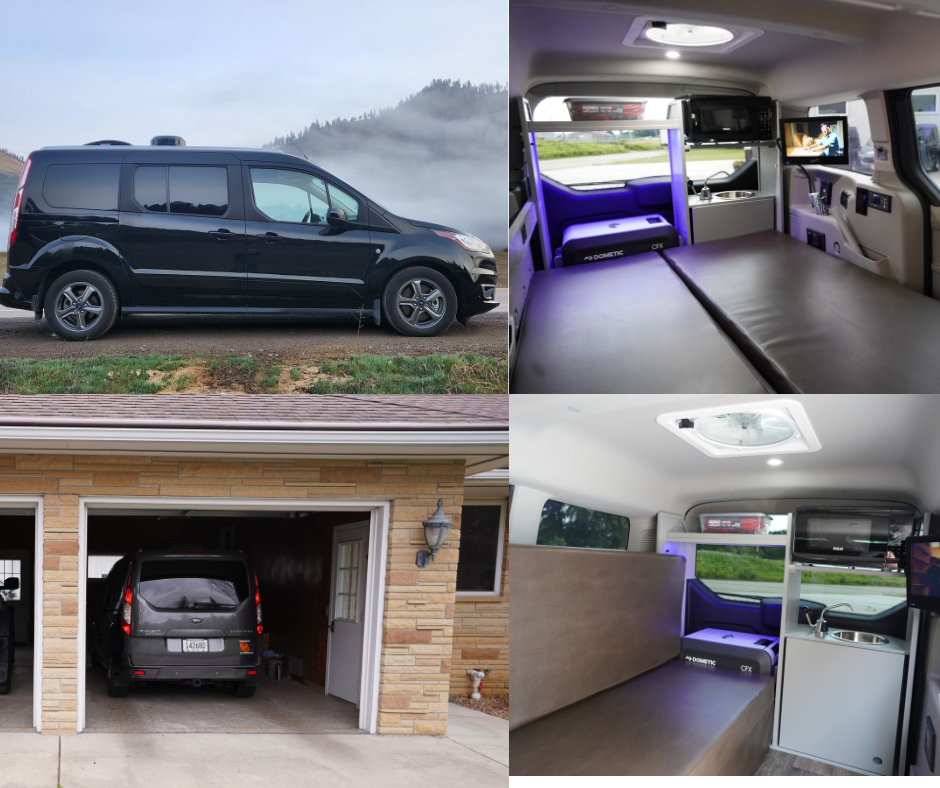
Consider Where You Will Park and Store Your Campervan
One consideration that is easy to overlook during the excitement of shopping is where the campervan will be kept between trips. Many larger Class B motorhomes exceed the height of a standard residential garage and may require driveway parking or an off-site storage facility. For homeowners living in communities with HOA restrictions, outdoor RV parking may not be permitted.
Before purchasing, measure your available parking space and confirm the campervan's actual exterior dimensions, including rooftop equipment. Garage door clearance, interior ceiling height, vehicle length, and maneuvering room all matter. If the vehicle will be stored outdoors, consider the effects of weather exposure and whether secure, convenient storage is available nearby.
For buyers who want a campervan that can also serve as everyday transportation, garageable models offer an appealing option. Compact vehicles such as the Ford Transit Connect Mini-T and Chrysler Pacifica AWD Mini-T can fit through many seven-foot residential garage openings when adequate clearance is available. This can make ownership more convenient while helping reduce the need for separate RV storage arrangements.
Not every campervan is intended for the same purpose. Larger high-roof models offer additional interior room and standing height but generally require different storage accommodations. The right choice depends on how you expect to travel and how the vehicle will fit into your life at home.
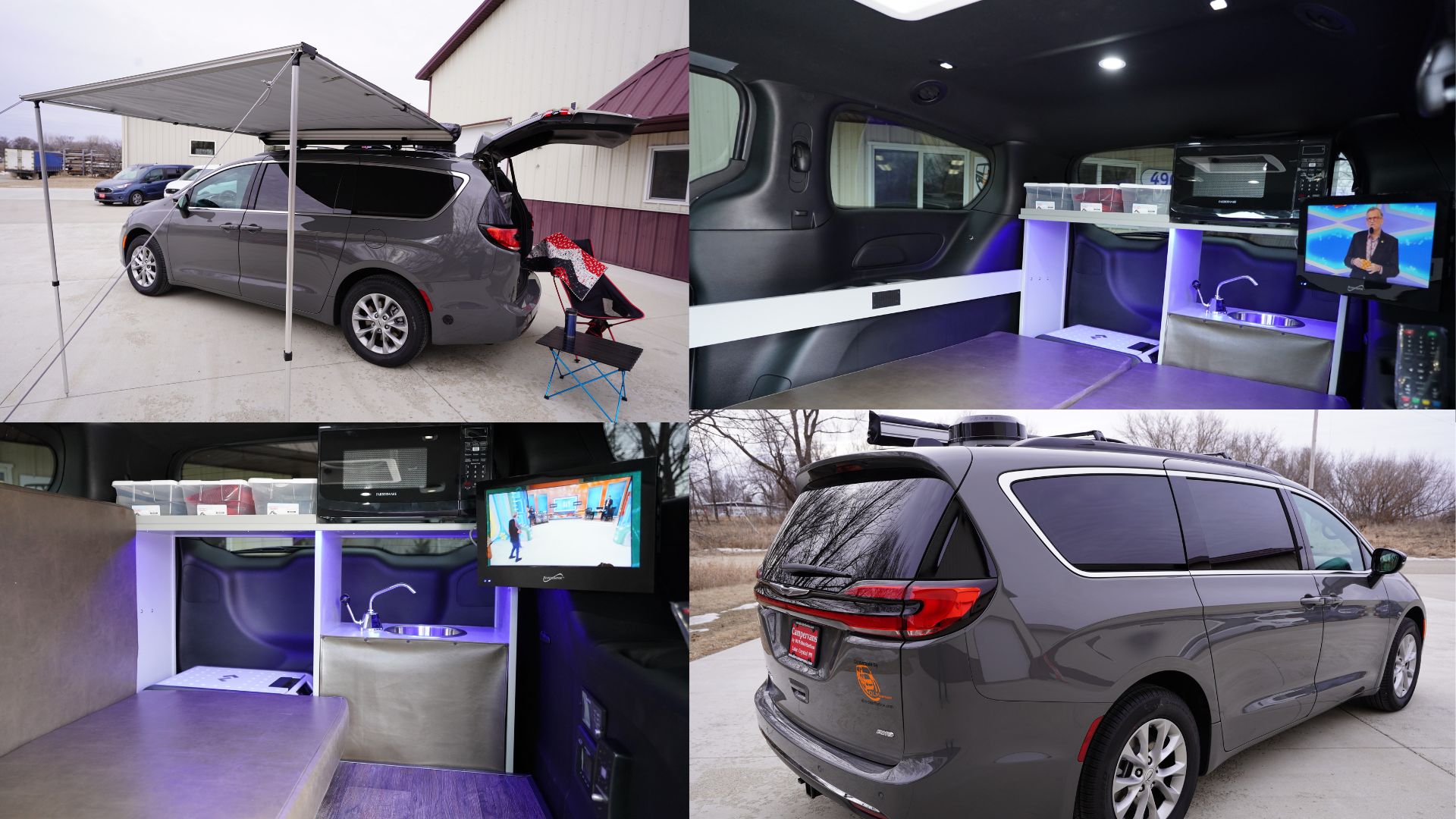
Choose a Layout That Fits the Way You Travel
A used campervan may be mechanically sound and attractively priced but still be the wrong choice if its interior layout does not suit your needs. Before shopping, consider how many people will travel and sleep in the vehicle, whether standing height is important, how much storage you require, and how frequently you expect to use the campervan.
For travelers who spend most of their days sightseeing, hiking, visiting attractions, or enjoying outdoor activities, a compact layout with comfortable sleeping accommodations and essential camping conveniences may be an excellent fit. Others may prefer a high-roof campervan with additional room for relaxing indoors, more storage, and features suited to longer stays.
It is also important to distinguish sleeping capacity from passenger seating capacity. Not every campervan has seatbelts for the same number of people it can accommodate while parked. Confirm the manufacturer's designated travel seating positions and sleeping arrangements before purchasing, especially if you expect to bring additional passengers.
Taking time to sit inside the campervan, operate the bed, open storage compartments, and imagine a typical day of travel can reveal whether the design will remain comfortable after the initial excitement of ownership wears off.
Compare the Asking Price With the Total Cost of Ownership
When evaluating used campervans for sale, the asking price is only one part of the financial picture. Insurance, registration, fuel, maintenance, tires, storage, campground fees, and eventual repairs all contribute to the cost of ownership. Financing terms and expected depreciation may also affect the long-term expense.
Two vehicles with similar purchase prices may have very different operating costs. A compact campervan used for both everyday transportation and camping may fit a household budget differently than a larger motorhome kept exclusively for vacations. Likewise, a less expensive used campervan requiring immediate repairs may ultimately cost more than a carefully maintained example with a higher asking price.
For buyers comparing different types of RVs, our RV True Cost of Ownership Calculator provides a way to examine these expenses together rather than relying solely on purchase price. Understanding the complete ownership picture can help you choose a vehicle that remains enjoyable and affordable to use over time.
Buying From a Dealer or a Private Seller
Used campervans are available through private sellers, general vehicle dealerships, RV dealerships, and businesses that specialize in campervan manufacturing and sales. Each option can have advantages, but buyers should understand what information and support will be available before committing to a purchase.
A private seller may be able to provide firsthand information about how the campervan was used, where it traveled, and how it was maintained. However, the buyer may need to arrange inspections, verify equipment independently, and handle more of the transaction details. Private-party purchases are often made without warranty coverage, making careful evaluation particularly important.
An established dealer may offer assistance with paperwork, financing arrangements, inspections, or orientation, depending on the business. A campervan specialist may also have greater familiarity with conversion equipment and the practical questions that arise during ownership. These services vary, so it is worth asking exactly what is included rather than assuming every dealership provides the same level of support.
Regardless of where you buy, request clear information about the vehicle's condition, title, included equipment, known defects, and any warranty coverage. If a warranty is offered, determine whether it applies to the automotive chassis, campervan conversion, or both, and confirm its remaining term and limitations in writing.
Questions Worth Answering Before You Purchase
Before making a final decision, you should feel comfortable with the campervan's maintenance history, mechanical condition, electrical performance, water system, appliances, and overall conversion quality. You should also know whether the vehicle has experienced water damage, whether major components have been repaired or replaced, and whether the seller can demonstrate that the installed equipment operates correctly.
Equally important are the everyday ownership questions. Will the campervan fit where you intend to store it? Is it comfortable to drive? Does the sleeping arrangement work for you? Are the travel seating positions appropriate for your needs? Will the available electrical power and camping equipment support the types of trips you have in mind?
If the answers are unclear, take additional time to investigate. A used campervan is a significant purchase, and a reputable seller should understand why buyers want accurate information before making a commitment.
Finding the Right Used Campervan for the Road Ahead
The best used campervan is not necessarily the newest vehicle, the one with the lowest mileage, or the one advertised at the lowest price. It is the campervan that combines sound mechanical condition, a well-maintained conversion, functional equipment, and a layout that matches how you intend to travel.
A carefully selected pre-owned campervan can provide years of enjoyable camping, scenic touring, national park visits, and extended road trips. By evaluating both the vehicle and its camping systems, understanding the full cost of ownership, and choosing a design that fits your everyday needs, you can make a more confident purchasing decision.
With the right campervan, the reward is not simply owning an RV. It is having a comfortable and dependable way to explore more places, enjoy time outdoors, and make travel part of your life.
Happy Travels & Happy Camping!

DLM-Distribution / Campervans is a licensed manufacturer and dealer located in Lake Crystal, Minnesota, serving clients around the country.
Contact Dave: 651-285-7089 or Candy: 507-382-9446 today!