
NEWS
Homeowners’ associations (HOAs) in Arizona play a significant role in maintaining the appearance, safety, and property values of their communities. One of the most common areas where HOA rules come into play is parking. However, a critical distinction to understand is how the enforcement of parking rules differs between public streets and private streets. Whether you're a resident or considering moving into an HOA-governed community in Arizona, it's essential to grasp how parking regulations work, especially when it comes to street parking, driveway use, and large vehicle restrictions.

Typical HOA Parking Rules in Arizona
Parking rules within an HOA can vary greatly depending on the community’s needs and layout, but several common themes tend to emerge in Arizona HOA-governed neighborhoods:
1. Driveway and Garage Usage
HOAs typically expect residents to park in their driveways or garages to avoid congesting the streets. In some communities, residents are required to keep their garages available for parking, meaning using them for storage that prevents parking inside may violate the HOA's rules.
2. Commercial Vehicle Restrictions
Many HOAs restrict the parking of commercial vehicles, such as trucks with business signage, in driveways or on streets. These vehicles are often viewed as unsightly or out of place in a residential neighborhood. If you're driving a vehicle for work, it's best to confirm with your HOA what qualifies as a commercial vehicle and whether it must be parked out of sight.
3. Recreational Vehicles (RVs), Boats, and Campervans
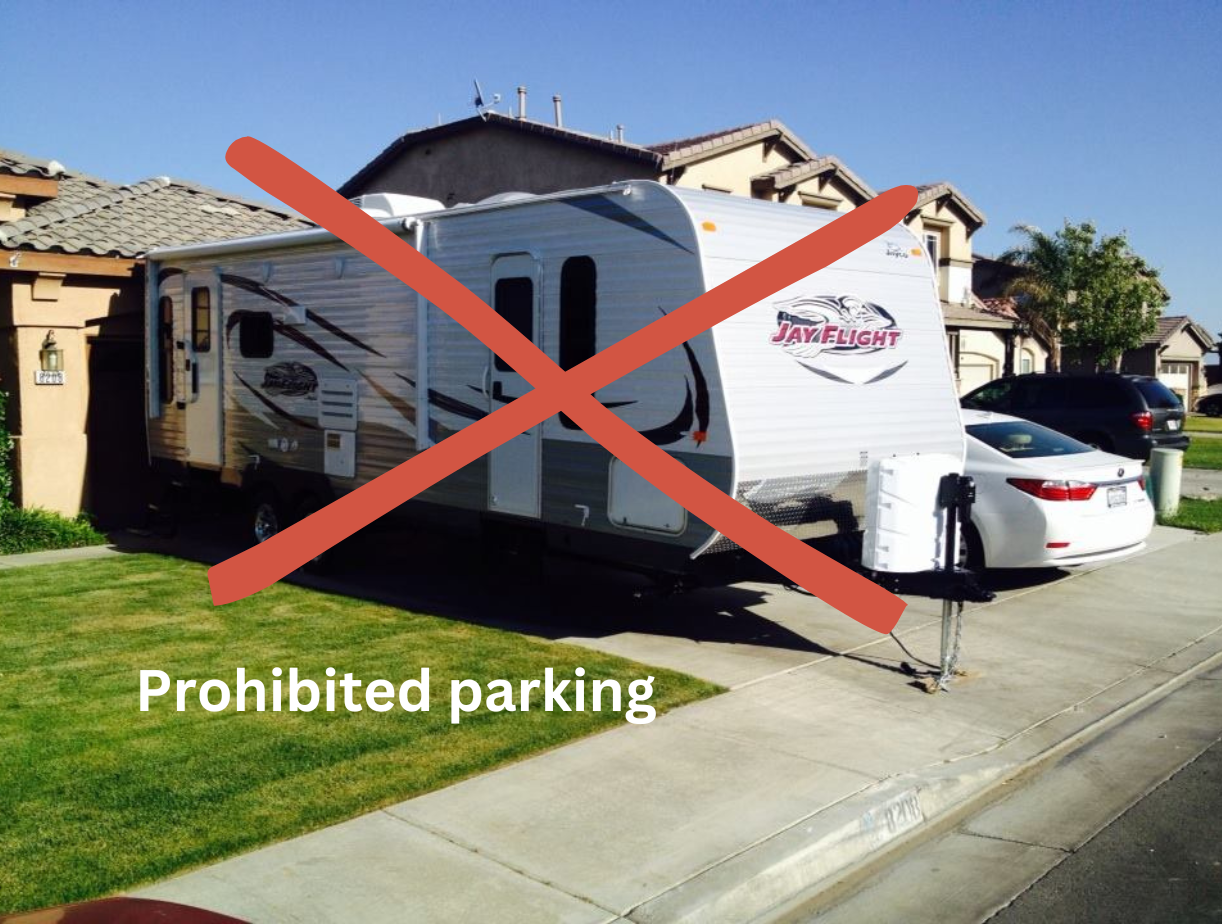
One of the most common HOA restrictions concerns the parking of recreational vehicles (RVs), boats, and campervans. In many cases, these vehicles are not allowed to be parked in the driveway or on the street for extended periods, except for short-term loading and unloading (usually 24 to 72 hours). Long-term parking or storage often requires the use of a garage or an off-site storage facility, though some communities provide a dedicated parking area for larger vehicles.
4. On-Street Parking
Many HOAs either limit or outright prohibit on-street parking to reduce congestion and ensure the neighborhood looks well-maintained. However, the HOA’s ability to enforce on-street parking restrictions depends significantly on whether the streets are public or private.
Public vs. Private Streets: The Key Distinction in Arizona
A crucial factor in understanding HOA parking enforcement is whether the streets in your community are public or private. This distinction affects the HOA's authority over street parking and how rules are enforced.
Public Streets: Limited HOA Authority
If the streets within your HOA community are public, meaning they are owned and maintained by the city or county, the HOA typically does not have the authority to create or enforce parking rules on those streets. Public streets fall under the jurisdiction of local government, and parking regulations are determined by local laws and ordinances. For example, rules about how long a vehicle can be parked, restrictions on overnight parking, or limits on vehicle size will be set by the local municipality—not the HOA.
Even if the HOA has guidelines or preferences regarding street parking, they cannot issue fines or take enforcement actions for parking violations on public streets. Any issues with parking on public roads, such as violations of time limits or blocking driveways, would need to be addressed by local law enforcement.
Private Streets: Full HOA Jurisdiction
In contrast, if the streets in your community are private—commonly found in gated communities—the HOA has full authority to regulate parking on those streets. Private streets are owned and maintained by the HOA, which means they can establish and enforce specific parking rules. This includes setting limits on where residents and guests can park, restricting overnight parking, and designating areas for specific types of vehicles.
HOAs with private streets can issue fines, place warnings, or even tow vehicles that are parked in violation of the community’s rules. This authority extends to everything from resident vehicles to guests' cars and larger vehicles like RVs or boats. If you're living in or considering a home in a gated community, be sure to familiarize yourself with the specific parking regulations, as they can be quite strict.
Arizona State Laws Governing HOA Parking Rules
While HOAs have the authority to create and enforce parking rules on private streets, they are still governed by Arizona state law, which provides some oversight in how these rules are applied. The Arizona Revised Statutes (ARS) contain provisions that help balance the power of HOAs with the rights of homeowners.
Reasonable Accommodations
Under Arizona law, HOAs are required to provide reasonable accommodations for disabled individuals, particularly when it comes to parking. This is in line with federal laws, such as the Americans with Disabilities Act (ADA), which prohibits discrimination based on disability. If a resident has a disability that requires specific parking arrangements, such as closer access to their home, the HOA must accommodate those needs.
Enforcement and Fines
Arizona state law also places limits on how HOAs can enforce parking rules. According to ARS 33-1803, HOAs must give homeowners notice of a violation and allow them time to correct the issue before imposing fines. This is designed to prevent unreasonable penalties and to give homeowners the opportunity to comply with the rules. Additionally, if a homeowner believes they were unfairly fined, they have the right to request a hearing with the HOA board to dispute the violation.
Navigating HOA Parking Rules in Arizona
If you're living in or moving into an Arizona HOA-governed community, understanding the parking rules is crucial to avoid fines or penalties. Here are some practical tips for navigating HOA parking regulations:
1. Understand the Nature of the Streets
The first step is to determine whether your community's streets are public or private. This will tell you whether the HOA has the authority to enforce parking rules on the street or if you’re subject only to local municipal regulations.
2. Review the CC&Rs
Your community’s Covenants, Conditions, and Restrictions (CC&Rs) are the governing documents that will outline specific parking rules. These rules can cover everything from how many vehicles can be parked in your driveway to whether large vehicles like RVs or boats are permitted. Be sure to familiarize yourself with these regulations, as ignorance of the rules will not protect you from fines or penalties.
3. Use Off-Site Storage for Large Vehicles
If you own an RV, boat, or campervan and your HOA does not permit long-term parking in driveways or on streets, consider renting off-site storage. Some HOAs have partnerships with local storage facilities or even provide a dedicated lot for larger vehicles, so check with your HOA for options.
4. Attend HOA Meetings
If you feel that a particular parking rule is too restrictive or could be changed, attending HOA meetings is your opportunity to voice concerns and suggest changes. Some HOAs are open to adjusting rules if enough residents express support for a modification.
The Mini-T Campervan: A Solution for HOA Living
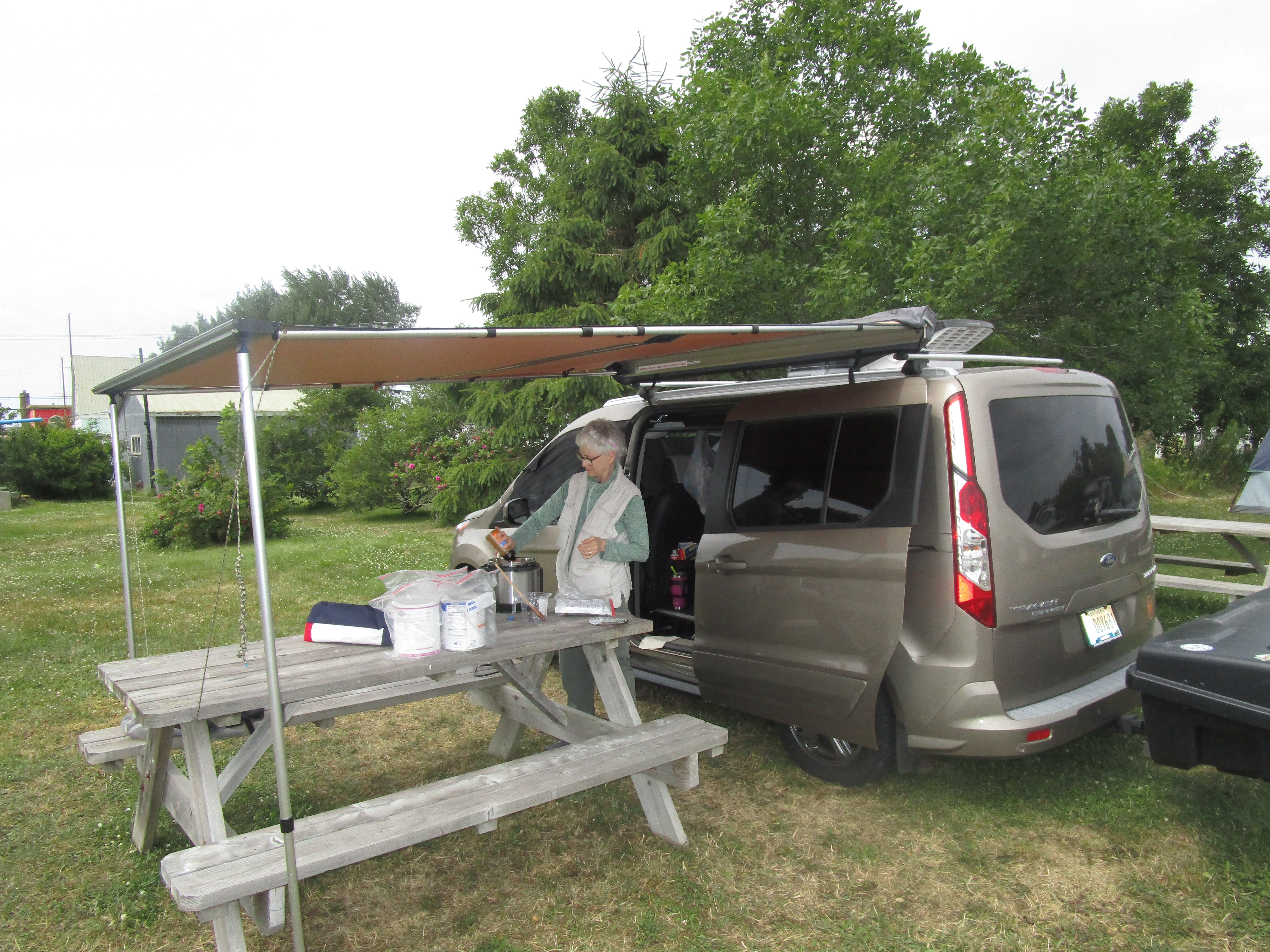
For RV enthusiasts living in HOA communities, finding a vehicle that meets both your travel needs and the strict parking regulations of your neighborhood can be challenging. The Mini-T Campervan offers an excellent solution. Unlike larger RVs, the Mini-T Campervan is compact enough to fit in a standard garage, which allows you to avoid common HOA parking restrictions that apply to traditional RVs or campervans. Additionally, since it's not classified as an RV, many HOAs do not impose the same regulations on it, giving you more flexibility in parking at home while still enjoying the perks of RV travel.
Final Thoughts
HOA parking rules in Arizona can be complicated, especially when it comes to distinguishing between public and private streets. By understanding the laws and regulations that apply to your community, you can avoid fines and ensure that your vehicle—whether it's a daily driver or an RV—is parked in compliance with the rules. Always review your community’s CC&Rs, attend HOA meetings to stay informed, and consider a vehicle like the Mini-T Campervan if you're looking for a practical solution that fits within the confines of HOA regulations.
DLM-Distribution
Campervans for sale that will fit in a Garage
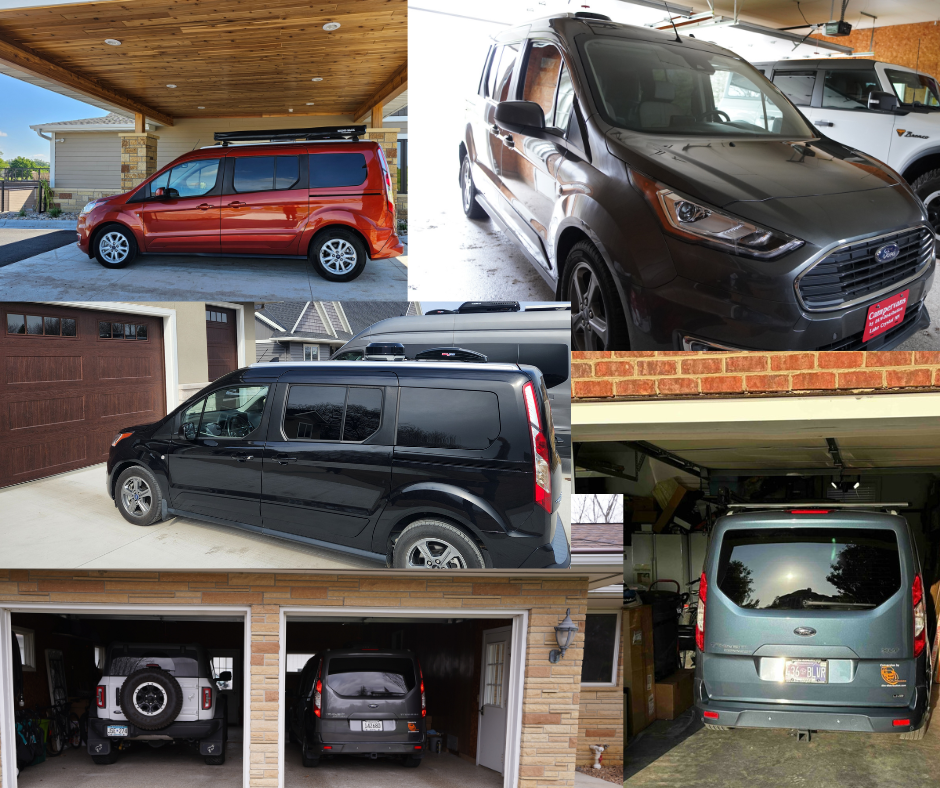
DLM-Distribution / Campervans is a licensed manufacturer and dealer located in Lake Crystal, Minnesota, serving clients around the country.
Contact Dave: 651-285-7089 or Candy: 507-382-9446 today!