
NEWS
If you live in Florida or are planning to move to a community governed by a Homeowners' Association (HOA), you may already be aware of the strict parking restrictions that many of these communities enforce. Florida’s beautiful landscapes and year-round sunshine make it a prime location for RV enthusiasts, but when it comes to parking your RV in an HOA-governed community, the rules are typically rigid.
Common HOA Parking Rules in Florida
In most Florida HOAs, parking an RV, campervan, or any large recreational vehicle on your property or in the street is usually prohibited. These restrictions are put in place to maintain the aesthetic appeal and uniformity of the neighborhood. Here are some key restrictions commonly enforced by Florida HOAs:
~No Street Parking: HOAs often ban RVs and large vehicles from parking on the streets. This is partly to avoid obstructing traffic flow and maintaining the visual appeal of the neighborhood.
~No Driveway Parking: It’s also quite common for HOA regulations to prevent homeowners from parking their RVs in their driveways. Even if your driveway is spacious, most HOAs deem RVs too large or unsightly for public display.
These restrictions pose a significant inconvenience for RV owners who want to enjoy the freedom of camping but struggle with where to store their vehicles. In some communities, the HOA may offer an alternative solution such as a rented space or suggest nearby RV storage facilities, but that can become expensive and inconvenient over time.
The Mini-T Campervan: The Ultimate Solution for HOA Restrictions
This is where the Mini-T Campervan comes into play. Manufactured by DLM-Distribution, the Mini-T Campervan provides the perfect solution to the HOA parking dilemma. Here's how:
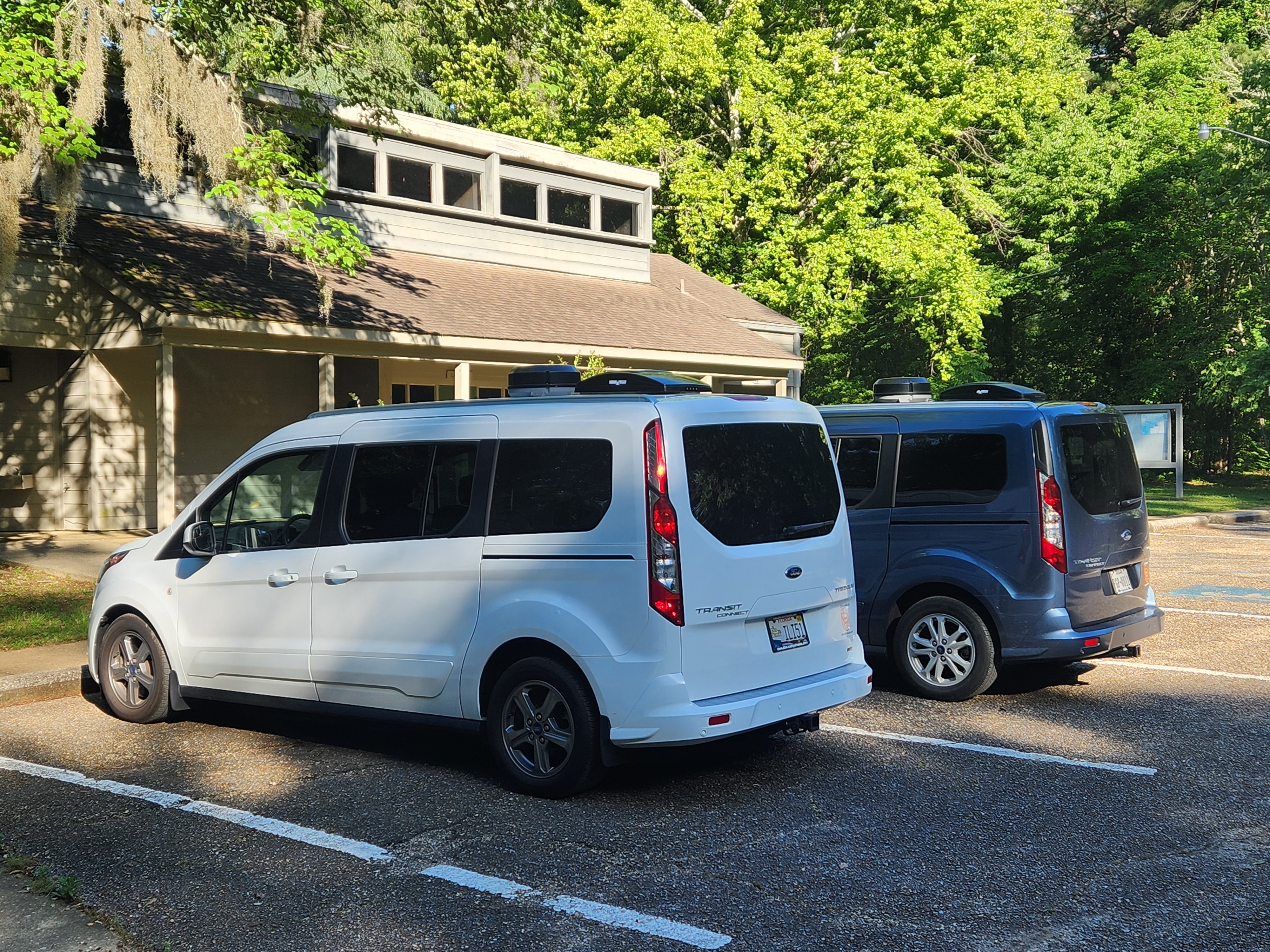
~Garagable Size: The Mini-T Campervan is designed to be compact and can fit right into a standard garage. Since it is built on a Ford Transit Connect chassis, it's not classified as an RV but rather a passenger van, which eliminates RV-related HOA restrictions. You don’t have to worry about keeping it on the street or paying for off-site storage—it fits snugly into your garage and stays safe from the elements, ready for your next adventure.
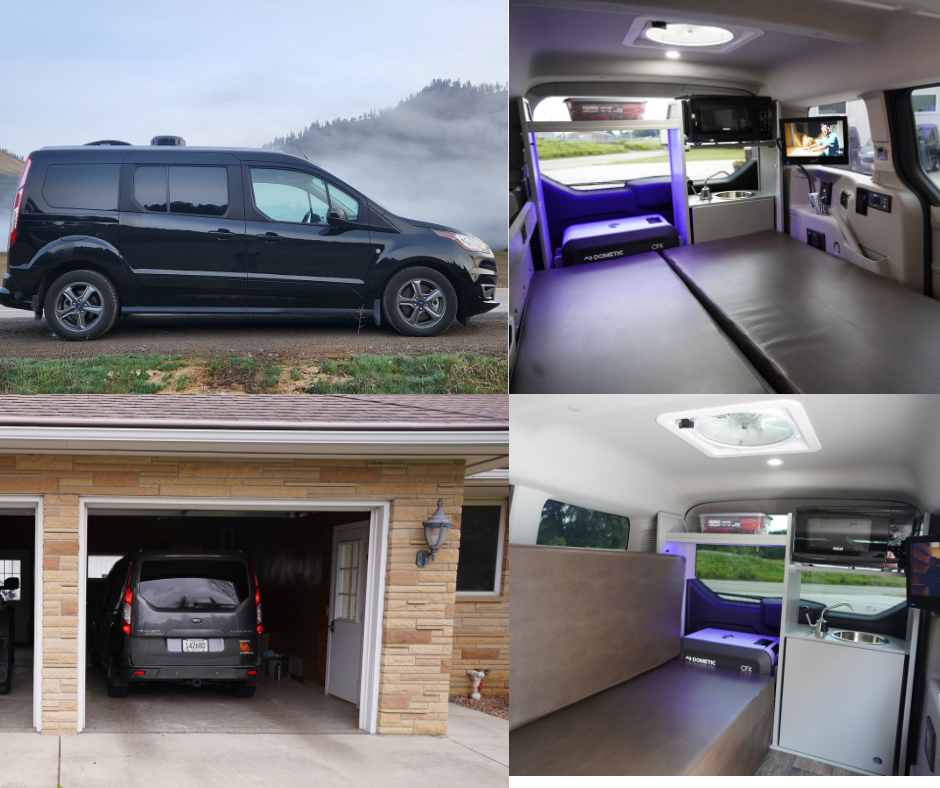
~No Special Parking Needed: Since the Mini-T Campervan is registered and licensed as a regular vehicle (passenger van), you can park it in your garage (or driveway or street if rules allow cars to be parked there) just like you would with any other car. This feature makes it an exceptional option for seasonal Florida residents who don’t want the hassle of dealing with RV storage or for full-time residents who value convenience.
~Dual Purpose: The beauty of the Mini-T Campervan lies in its versatility. Not only does it serve as a fully functional camper for your trips to Florida’s stunning state parks and beaches, but it also works as your daily driver. You can use it for running errands, commuting, or any of your day-to-day transportation needs.
~Cost Efficiency: Compared to paying monthly fees for RV storage or renting space in an HOA’s dedicated lot, the Mini-T Campervan saves you money. Since it fits in your garage, you don’t need to worry about extra storage fees, and its fuel efficiency makes it a cost-effective option for daily use.
Options for RV Storage in Florida HOAs
For those who own larger RVs and campervans, Florida HOAs often provide or suggest alternative storage options:
~On-Site Storage Lots: Some HOAs offer dedicated parking lots where you can rent space to store your RV. These spaces often come at a monthly fee and are subject to availability.
~Nearby Storage Facilities: If your HOA does not have its own lot, they may suggest nearby RV storage facilities. While this solves the immediate issue of where to park your RV, these facilities often come with high rental costs and can be far from your home, making spontaneous trips more difficult.
Both of these options can work for some homeowners, but they don’t compare to the convenience offered by the Mini-T Campervan, which can be stored right at home.
Ideal for Seasonal and Full-Time Florida Residents
Whether you’re a snowbird spending only part of the year in Florida or a full-time resident, the Mini-T Campervan is a game-changer. For seasonal homeowners, it eliminates the need for separate transportation and storage, allowing you to drive it down from your northern home, camp wherever you want, and park it in your garage during your stay. No need for multiple vehicles or expensive rental lots.
For full-time residents, the Mini-T Campervan is a versatile and eco-friendly way to enjoy weekend getaways or extended camping trips. When you're not on the road, it stays secure in your garage, out of the Florida heat and storms, ready for everyday use or your next camping adventure
There are always solutions
HOA parking restrictions can be a frustrating hurdle for Florida RV owners, but the Mini-T Campervan offers an elegant solution. Its garagable size, fuel efficiency, and dual purpose as both a daily driver and a camper make it the perfect vehicle for those living in HOA-governed communities. Why pay for storage when you can park your adventure right in your garage? Whether you’re enjoying the Florida sun full-time or part of the year, the Mini-T Campervan will make your camping lifestyle seamless and hassle-free.
Happy Camping!
DLM-Distribution / Campervans is a licensed manufacturer and dealer located in Lake Crystal, Minnesota, serving clients around the country.
Contact Dave: 651-285-7089 or Candy: 507-382-9446 today!