
Insuring a Campervan: Why How It Was Manufactured Matters
Campervan insurance is one of those subjects that can seem simple until someone starts asking the right questions. After all, the campervan has a VIN, license plates, and insurance just like another vehicle. Why should insuring it be complicated?
The answer is that a campervan can represent more than the vehicle that originally left the automotive assembly plant. It may also include sleeping accommodations, cabinetry, refrigeration, an electrical system, batteries, solar equipment, an inverter, ventilation, appliances, water systems, and other equipment added to turn the vehicle into an RV.
That creates a question more important than simply, “Can I get insurance for this van?”
What does the insurance company believe it is insuring?
Understanding that distinction before choosing a policy can prevent an unpleasant surprise when coverage actually matters.
A Campervan Can Have More Than One Layer of Value
Start with an ordinary vehicle. Its identity is relatively easy for an insurer to understand. The VIN identifies the vehicle, and information about its year, make, model, equipment, and market value is widely available.
Now turn that vehicle into a campervan.
The original vehicle still has value, but so does everything that made it an RV. A refrigerator, microwave, house electrical system, solar equipment, batteries, inverter, cabinetry, sleeping accommodations, ventilation, water system, and other installed components can represent a meaningful part of the finished campervan’s value.
That is why obtaining an insurance policy is only the beginning of the conversation. An owner should understand whether the policy recognizes the completed campervan or primarily the underlying vehicle, and how installed camper equipment would be treated after a covered loss.
Two policies can both produce an insurance card while providing very different protection.
Why the Way a Campervan Was Manufactured Matters
An insurance company needs enough information to evaluate a vehicle, establish its value, and determine what it is willing to cover. The easier the finished campervan is to document, the easier that conversation may become.
A campervan manufactured by an established RV manufacturer has a traceable relationship between the original vehicle and the completed RV. The manufacturer can identify what was installed, how the campervan was configured, and what the completed vehicle represented when it was manufactured and sold.
That does not guarantee that every insurance company will classify the campervan the same way or offer the same coverage. Insurers have their own underwriting requirements, and rules can vary by carrier and state. But good documentation gives the owner something valuable when talking with an agent or underwriter: a clear explanation of what the vehicle actually is.

DIY and Custom Campervans Raise Different Questions
There are excellent owner-built and custom campervans on the road, and being a DIY conversion does not automatically make a campervan uninsurable. It does, however, place more responsibility on the owner to demonstrate what has been added and what those additions are worth.
Imagine buying a cargo or passenger van for $30,000 and then investing substantial additional money and labor turning it into a camper. The original VIN still identifies the underlying van, but it does not tell an insurance company about the solar panels, house batteries, cabinetry, refrigerator, electrical system, roof fan, bed, or hundreds of hours of work that may now be part of the vehicle.
An insurer may ask for receipts, photographs, equipment lists, an appraisal, inspection, or other documentation before agreeing to insure some or all of that additional value. Another carrier may approach the same vehicle differently.
The lesson is not that one method of building a campervan is automatically good and another bad. It is much simpler: the more unusual the vehicle or one can say "one-off or one of a kind", the more important it becomes to establish exactly what the insurer recognizes and covers.
The Question to Ask Before Talking About Premiums
People naturally want to know what campervan insurance costs. But comparing premiums before comparing coverage can be misleading.
A lower premium is not necessarily a better value if one policy recognizes only part of what the owner believes is insured. Conversely, paying for specialized RV coverage may not make sense simply because the vehicle contains a bed and refrigerator if another appropriate policy provides the protection the owner actually needs.
Before comparing prices, ask the agent to explain how the policy values the campervan after a covered total loss and how permanently installed camper equipment would be handled after a partial loss.
Those answers tell you considerably more than the premium alone.
Passenger Vehicle, Campervan or RV?
This is where campervan insurance becomes particularly interesting. Campervans occupy an unusual space because they begin with recognizable automotive platforms but are equipped for camping and travel.
Depending on the vehicle, state, insurer, use, and underwriting requirements, the available coverage and classification may differ. An owner should not assume that because one company handles a campervan one way, another company will do the same.
The terminology matters less than the protection behind it. Whether an insurer describes a particular policy or vehicle as automotive, campervan, recreational vehicle, motorhome, or something else, the important questions remain the same: What value is insured? Which installed components are covered? What happens after a total loss? What happens when only the camper portion is damaged?
A label on the policy is useful only when you understand what comes with it.
How This Applies to a Mini-T Campervan
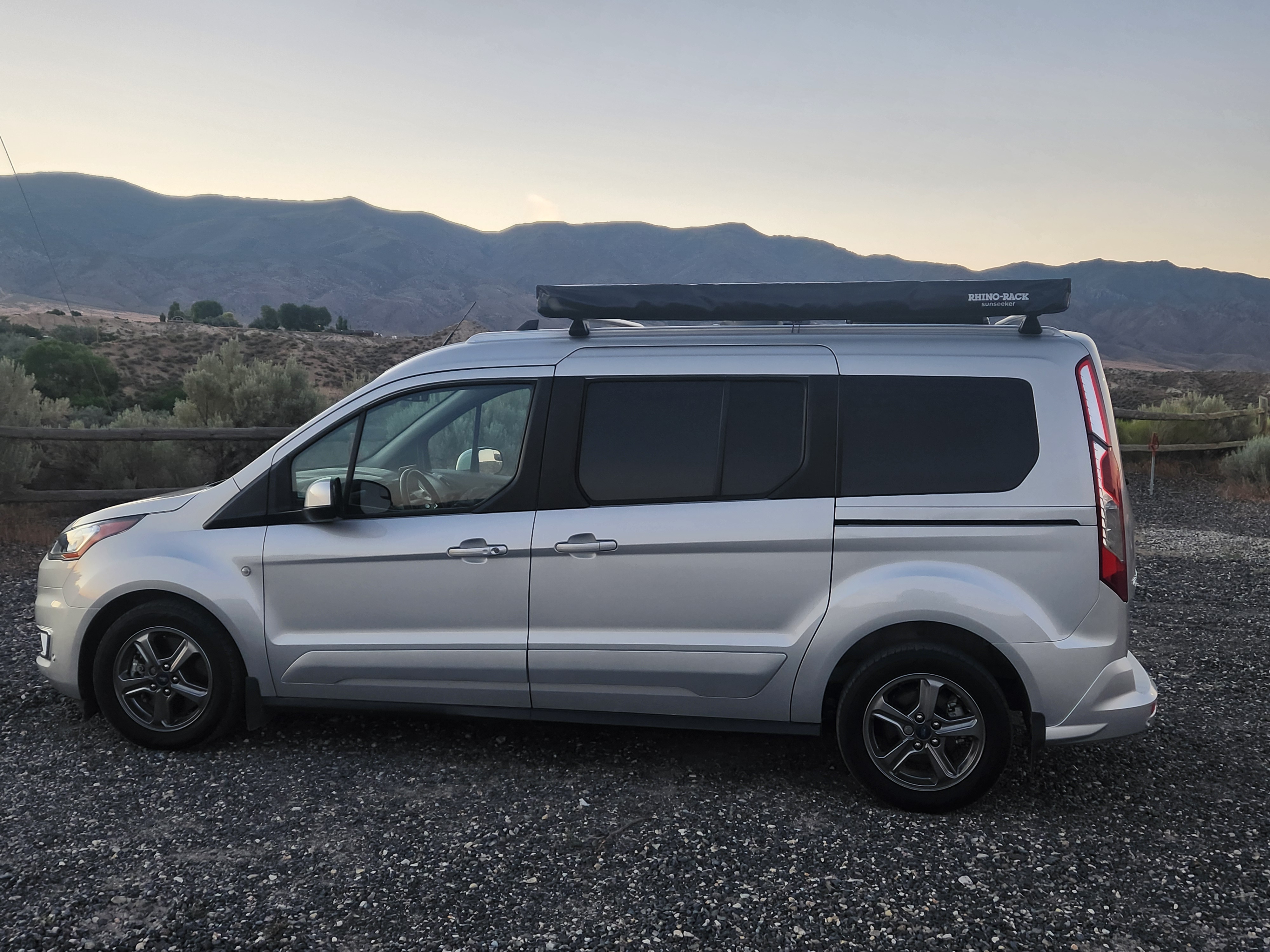
A Mini-T Campervan is manufactured by DLM-Distribution as a completed campervan on an OEM vehicle platform. Depending on the Mini-T model, that platform may be a Chrysler Pacifica, Chrysler Voyager, Ford Transit Connect, or Ford Transit.
That gives an owner two recognizable parts of the vehicle’s history. The underlying vehicle began with an established automotive manufacturer, VIN, service network, and original vehicle specifications. DLM-Distribution then manufactured the campervan conversion and can identify the Mini-T equipment and configuration associated with the completed RV.
That documentation can be useful when an insurance agent needs to understand what exists beyond the original vehicle.
It is still important for a Mini-T owner to discuss the vehicle accurately with the insurance company rather than assuming a particular classification or type of coverage. Insurance decisions ultimately belong to the insurer, and owners should confirm that the policy they purchase reflects the vehicle, its use, and the value they intend to protect.

What Happens If the Campervan Is Damaged?
This may be the most useful question in the entire insurance conversation.
Suppose a collision damages the original vehicle body and also damages cabinetry, an appliance, electrical equipment, or another component installed as part of the camper conversion. Who repairs the automotive portion? How is the camper equipment evaluated? Does the policy recognize the installed equipment? What documentation will the adjuster need?
A similar question applies to a total loss. If the vehicle cannot economically be repaired, will the settlement be based on the underlying vehicle, the documented completed campervan, an agreed or stated amount if the policy uses one, actual cash value as defined by the policy, or some other valuation method?
Those are questions worth asking while the campervan is sitting safely in the driveway, not after something has happened to it.
Ten Questions Worth Asking Before You Buy a Policy
You do not need to become an insurance expert to have a useful conversation with an agent. You do, however, want answers that apply to your particular campervan rather than assumptions based on another owner's policy.
- Does this policy recognize the vehicle as it exists today, including the camper conversion?
- How will the campervan’s value be determined after a covered total loss?
- Are permanently installed camper components included in the coverage?
- How would damage to cabinetry, refrigeration, batteries, solar equipment, the inverter, microwave, ventilation equipment, or other installed systems be handled?
- Does the policy place a separate limit on custom or permanently installed equipment?
- What documentation should I keep to establish the campervan’s equipment and value?
- How is personal property carried inside the campervan treated?
- Are roadside assistance and towing available, and what limits apply?
- Is liability associated with using the vehicle while parked or camping addressed by the policy?
- If camper-specific equipment needs repair after a covered loss, how will that part of the claim be handled?
The wording and availability of coverage will vary by insurer. The goal is not to receive a particular answer to every question. It is to know the answers before deciding whether the policy is right for you.
Keep the Documentation After the Policy Is Written
Good documentation should not disappear into a drawer once insurance is in place. Keep purchase records, manufacturer information, equipment documentation, photographs, and records of meaningful additions or changes made to the campervan.
This is useful for more than insurance. Good records can help with service, future repairs, resale, and explaining equipment to a later owner. If a loss does occur, having information available is considerably easier than trying to reconstruct the campervan’s history afterward.
Owners of custom and DIY campervans may have even more reason to maintain detailed records because there may be no manufacturer record describing the completed conversion. Receipts, photographs, component model numbers, professional installation records, and appraisals can all help establish what was actually in the vehicle.
The Best Insurance Question Is Not “Can I Insure It?”
Most people begin the conversation by asking whether a campervan can be insured. A better question is whether the policy being offered actually protects the campervan they believe they own.
That distinction matters whether the vehicle was manufactured as a completed campervan, professionally converted, or built one piece at a time in someone's garage. The base vehicle matters. The conversion matters. Documentation matters. And ultimately, the language of the insurance policy matters most.
For Mini-T owners, having an OEM vehicle foundation and a documented campervan manufactured by DLM-Distribution can make it easier to explain what the vehicle is and what has been added to it. From there, the owner and insurance professional can determine what coverage is appropriate.
Insurance will probably never be the most interesting part of campervan travel. That is fine. The interesting part begins after the paperwork is finished and the road ahead becomes the only thing left to think about.
Happy Travels & Happy Camping!
Campervans for Sale: View Current Mini-T Campervan Inventory
DLM-Distribution / Campervans is a licensed manufacturer and dealer located in Lake Crystal, Minnesota, serving clients around the country.
Contact Dave: 651-285-7089 or Candy: 507-382-9446 today!