
The price of a small campervan can vary considerably. A pre-owned campervan may cost less than many new vehicles, while a professionally manufactured new campervan can represent a much larger purchase. Age, mileage, underlying vehicle, equipment, condition, manufacturer, and the complexity of the conversion all influence the final price.
There is another reason campervan prices sometimes surprise first-time RV shoppers: when you buy a campervan, you are buying both the vehicle and the RV. The engine, transmission, safety systems, drivetrain, and automotive equipment are part of the purchase along with the bed, electrical system, appliances, charging equipment, cabinetry, ventilation, and other camping features.
Understanding that distinction makes it easier to compare a campervan with other ways of traveling and to decide what represents good value for the way you intend to use it.
There Is No Single Price for a Small Campervan
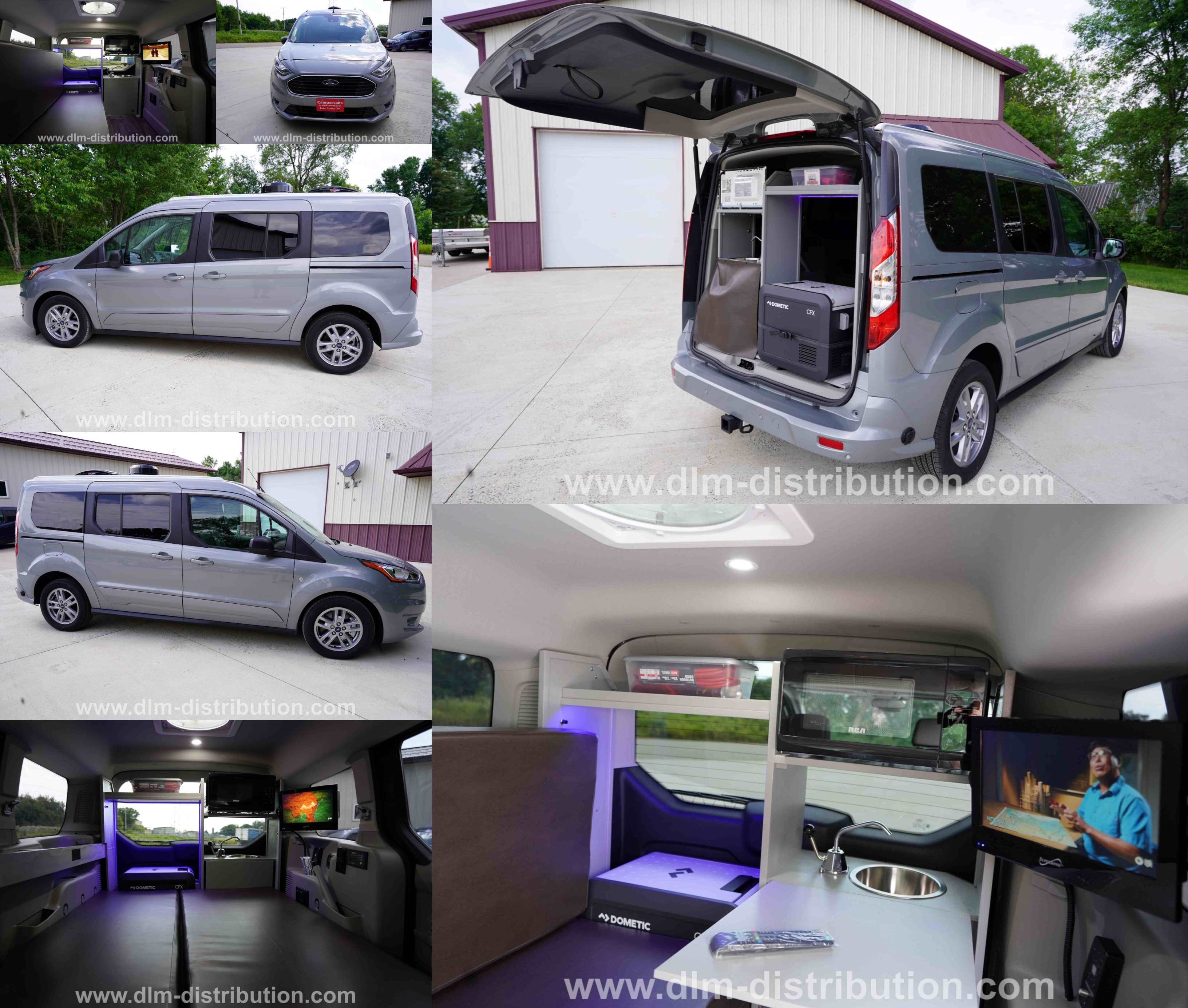
The term “small campervan” covers a surprisingly broad range of vehicles. It can describe an older owner-converted van, a pre-owned professionally manufactured campervan, or a new Class B RV manufactured on a late-model vehicle platform. Those are very different products, so comparing them by size alone can be misleading.
The underlying vehicle accounts for a significant portion of the cost. Model year, trim level, drivetrain, safety technology, mileage, and vehicle options all matter. The campervan conversion then adds its own value based on how it was manufactured and what equipment it includes.
For that reason, the most useful answer to “How much does a small campervan cost?” is not a price range that may be outdated a year from now. It is to compare current vehicles with similar age, mileage, equipment, condition, and capabilities. Current pricing for new and pre-owned Mini-T Campervans can be found in our Mini-T Campervan Current Inventory.
Why Does a Campervan Cost More Than Some Towable Campers?
A small travel trailer can sometimes have a much lower purchase price than a campervan, but the comparison is incomplete unless the tow vehicle is considered too. A trailer does not include an engine, transmission, drivetrain, automotive climate control, driver-assistance equipment, or the many other systems required to make a motor vehicle travel under its own power.
A campervan combines transportation and camping accommodations in one vehicle. That convenience contributes to its purchase price, but it can also simplify ownership for someone who does not want to maintain a separate tow vehicle and trailer combination.
For a buyer who already owns an appropriate tow vehicle, a trailer may be the less expensive way to begin RV travel. For someone who would otherwise need to purchase both a trailer and a capable tow vehicle, the financial comparison can look considerably different.
Purchase Price Is Only One Part of Campervan Cost
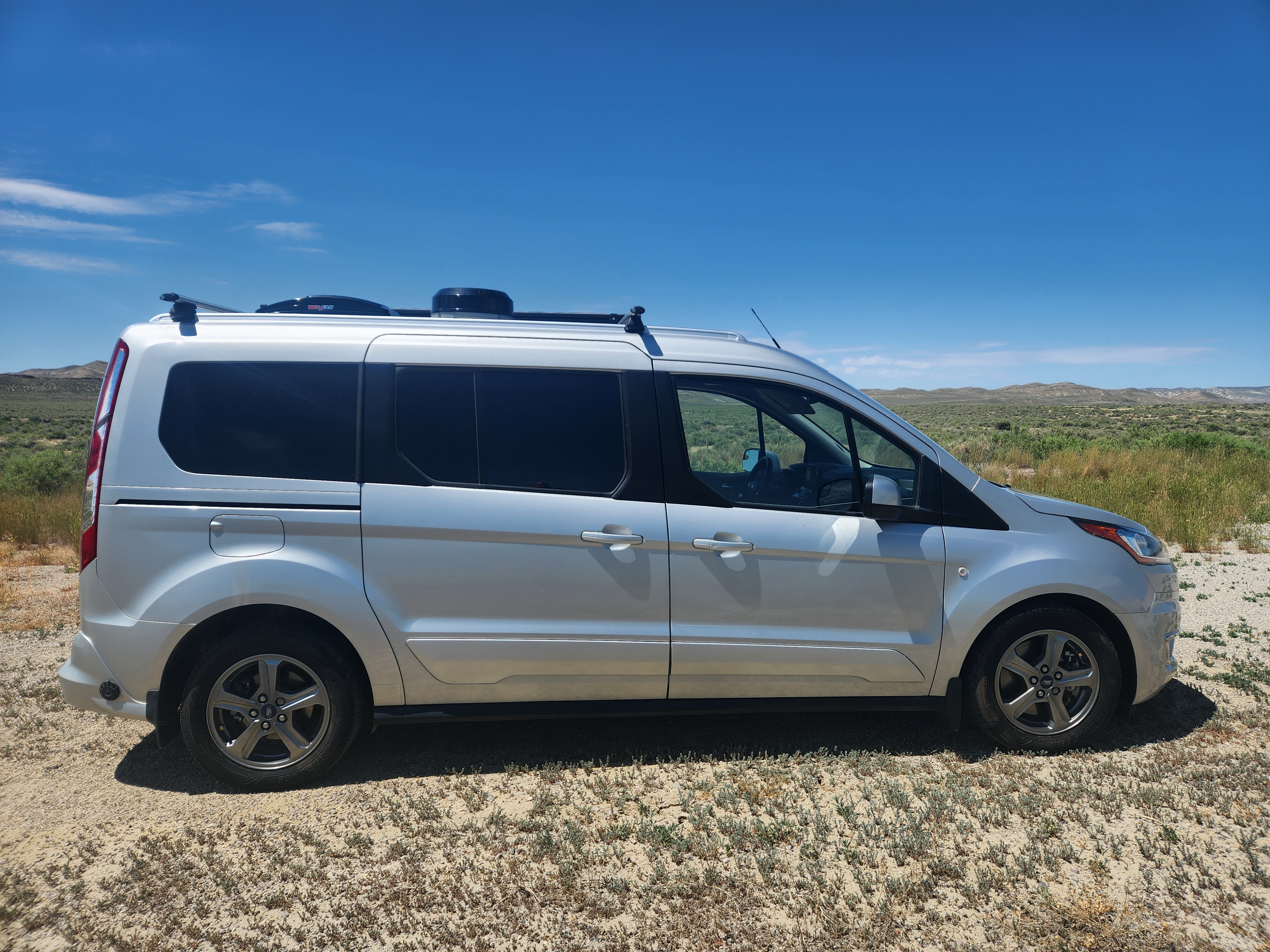
The amount paid to purchase an RV is important, but ownership continues after the sale. Fuel, insurance, maintenance, tires, registration, storage, campground fees, and repairs can all contribute to the long-term cost of RV ownership.
Storage is particularly easy to overlook. A larger RV that cannot be kept at home may require paid storage when it is not being used. A campervan that fits in a residential garage can eliminate that expense for owners who have suitable garage space while also keeping the vehicle protected and readily accessible.
Fuel consumption matters as well, particularly for travelers who cover thousands of miles each year. Comparing purchase prices without considering how much fuel different RVs use can hide a meaningful part of the long-term travel budget.
The best comparison therefore depends on how the RV will actually be used rather than purchase price alone.
New and Pre-Owned Campervans Have Different Cost Advantages
Buying new provides a known starting point. You are the first owner, the vehicle has not accumulated someone else’s travel history, and applicable new-vehicle and campervan warranty coverage begins with your ownership.
Buying pre-owned can reduce the initial purchase cost because some depreciation has already occurred. A carefully maintained used campervan may still provide many years of travel while allowing the next owner to enter campervan ownership at a lower price.
With a used campervan, however, price should be considered together with mileage, condition, maintenance history, equipment, modifications, accident and title history, and remaining warranty where applicable. A lower asking price is not automatically a better value.
For buyers comparing pre-owned Mini-Ts, our guide to How to Determine the Fair Market Value of a Used Mini-T Campervan looks more closely at the factors that influence used-campervan value.

Size Can Affect Ownership in Ways That Do Not Appear on the Price Tag
One of the reasons people consider a smaller campervan is that they want an RV without reorganizing the rest of their life around owning it. Where will it be stored? What will it be like to drive through a city? Can it fit into ordinary parking spaces? Will a separate vehicle be needed after reaching a destination?
A smaller campervan can reduce some of those complications. It can serve as transportation throughout the trip, allowing travelers to leave a campground for groceries, sightseeing, restaurants, trailheads, or other destinations without towing another vehicle or leaving a trailer behind.
For Mini-T owners, garageability adds another practical dimension. Keeping the campervan at home can make spontaneous travel easier because the RV is nearby rather than stored somewhere else. It can also allow the same vehicle to remain useful between camping trips rather than becoming equipment used only for vacations.

Fuel Economy Becomes More Important the Farther You Travel
For travelers who primarily camp close to home, fuel consumption may represent a relatively small part of the overall budget. For someone planning long road trips, national parks, cross-country travel, or repeated journeys throughout the year, it becomes much more important.
This is one area where smaller campervans can have a practical advantage over larger motorhomes. Less vehicle generally means less mass and frontal area to move down the highway, although actual fuel economy depends on the specific vehicle, drivetrain, driving conditions, speed, load, and other factors.
The relevant question is not simply which RV costs less to purchase. It is what the entire trip costs once the vehicle starts traveling.
What Are You Actually Getting for the Campervan Conversion?
Two campervans with similar exterior dimensions can contain very different equipment. When comparing prices, look beyond the fact that both have a bed and determine what systems are actually included and how they function.
Electrical capability is a good example. Batteries, solar charging, charging while driving, shore power, inverter capacity, outlets, monitoring equipment, and the appliances those systems can operate all influence how a campervan can be used away from a campground hookup.
The same applies to refrigeration, cooking, ventilation, lighting, storage, sleeping arrangements, awnings, entertainment equipment, and other features. A lower-priced campervan that requires substantial additional equipment to meet your needs may not ultimately be the less expensive choice.
It is also worth considering how the systems were installed and whether support, documentation, replacement components, and service information will be available later. The value of a campervan conversion continues long after the day it is purchased.
The Mini-T Approach to a Small Campervan
Mini-T Campervans are designed around the idea that an RV can provide the essentials for travel without becoming difficult to own between trips. Depending on the Mini-T model, equipment includes sleeping accommodations for two, refrigeration, microwave cooking, roof ventilation, solar-supported electrical capability, 120V off-grid power, shore-power capability, storage, and other features intended for road travel and camping.
Just as important is what happens outside the campervan. Mini-T models are designed to remain manageable in normal traffic and parking environments, and garageable models can be kept in a residential garage where appropriate clearance is available.
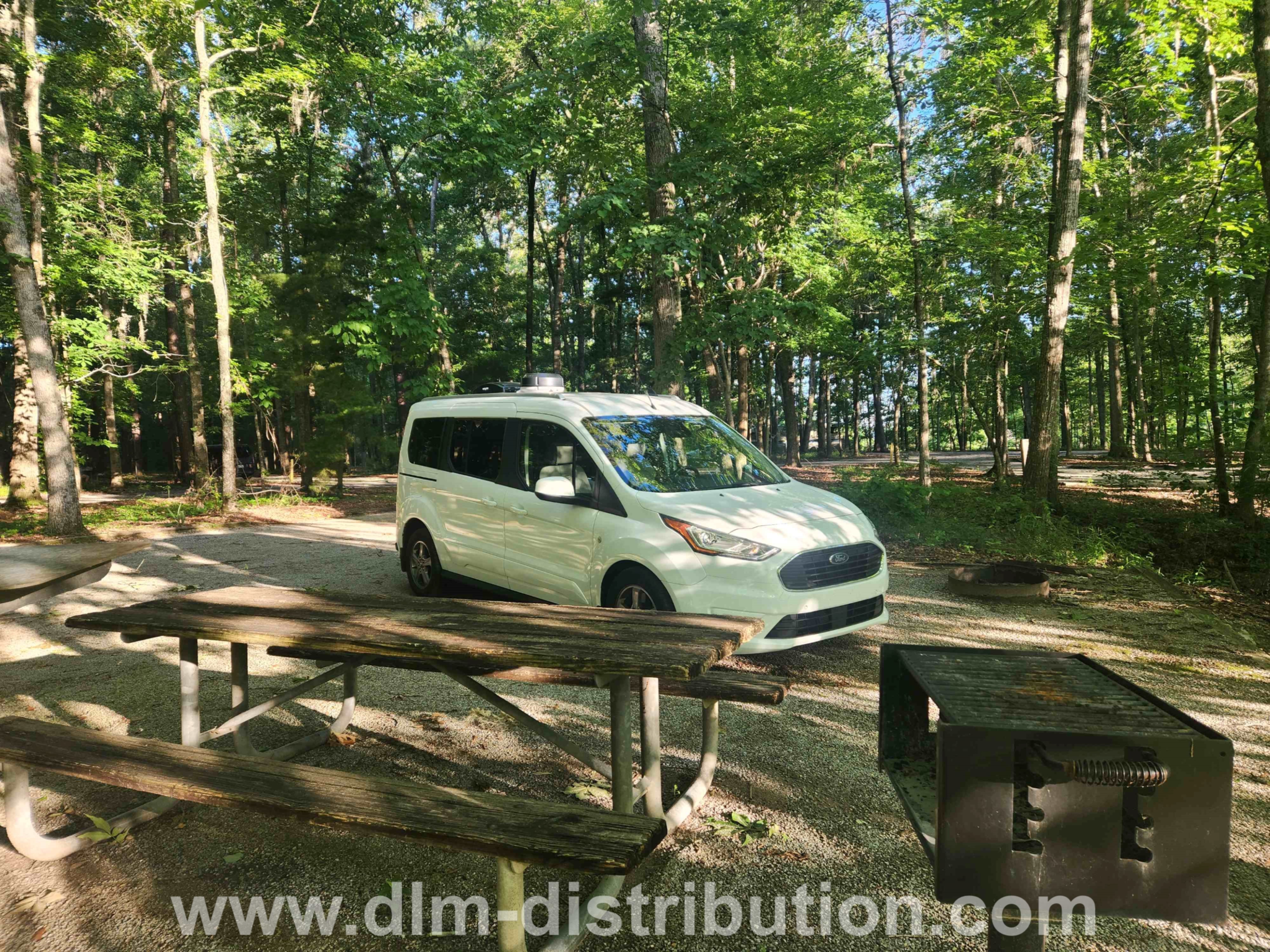
That combination can make one vehicle useful for a campground weekend, a cross-country journey, visiting family, exploring a national park, or simply driving somewhere after the campervan has been set up for the night.
The value of that flexibility is difficult to express as a line item on a price sheet, but it can have a significant influence on how often an RV actually gets used.
Do You Need Every Available RV Feature?
Another way to think about campervan cost is to decide which features genuinely matter to the way you travel. Larger RVs can offer more interior space, larger kitchens, bathrooms, additional sleeping capacity, larger tanks, and other amenities. For travelers who regularly need those features, the additional size and expense may be worthwhile.
Other travelers discover that they spend most of their trips outside the RV. They want a comfortable place to sleep, refrigeration, basic cooking capability, electrical power, ventilation, and a vehicle that remains easy to drive during the day.
Neither approach is inherently better. The important part is avoiding the assumption that more RV automatically means better value. Paying for space or equipment you rarely use can be just as unnecessary as buying a campervan that does not provide enough capability for your travels.
Consider How Often You Can Actually Use It
Cost per trip is another useful way to think about RV ownership. An expensive RV that is difficult to store, prepare, or drive may spend much of the year unused. A smaller campervan that is easy to keep at home and simple to take on the road may be used for weekend trips, longer vacations, day travel, and purposes that were never part of the original buying plan.
This does not make a campervan inexpensive, nor does it mean every traveler should choose one. It simply changes the value equation. An RV that fits naturally into everyday life may have more opportunities to justify its cost because using it requires less preparation.
For many owners, that ease of use eventually becomes one of the most important features of the campervan.
So, How Much Should You Spend on a Small Campervan?
The answer depends less on finding an arbitrary price range and more on finding the right relationship between cost and use. Start with what you want the campervan to do. Consider how many people will travel in it, how far you expect to drive, where it will be stored, whether you want to camp without hookups, what equipment matters to you, and whether the campervan will also serve as an everyday vehicle.
Then compare vehicles that genuinely meet those needs. Look at the complete purchase rather than the sticker price alone: the underlying vehicle, campervan equipment, condition, warranty, expected fuel use, storage requirements, and how easily the RV fits into the type of travel you actually enjoy.
A small campervan is not automatically the least expensive way to go camping. Its appeal is that transportation, sleeping accommodations, and camping equipment can travel together in a vehicle that remains relatively easy to use once the road trip begins.
That can be a very different kind of value from simply buying the RV with the lowest price.
For current pricing rather than a price range that can become outdated, view new and pre-owned Mini-T Campervans currently available from DLM-Distribution.
Happy Camping!
DLM-Distribution / Campervans is a licensed manufacturer and dealer located in Lake Crystal, Minnesota, serving clients around the country.
Contact Dave: 651-285-7089 or Candy: 507-382-9446 today!