
Grand Teton National Park: The Wyoming Road Trip That Deserves More Than a Stop on the Way to Yellowstone
Many travelers reach northwest Wyoming with one famous destination in mind: Yellowstone.
That is understandable. Yellowstone is legendary. Its geysers, wildlife, waterfalls, thermal basins, and vast landscapes have earned the attention they receive.
But just south of Yellowstone is a park that asks for a different kind of attention.
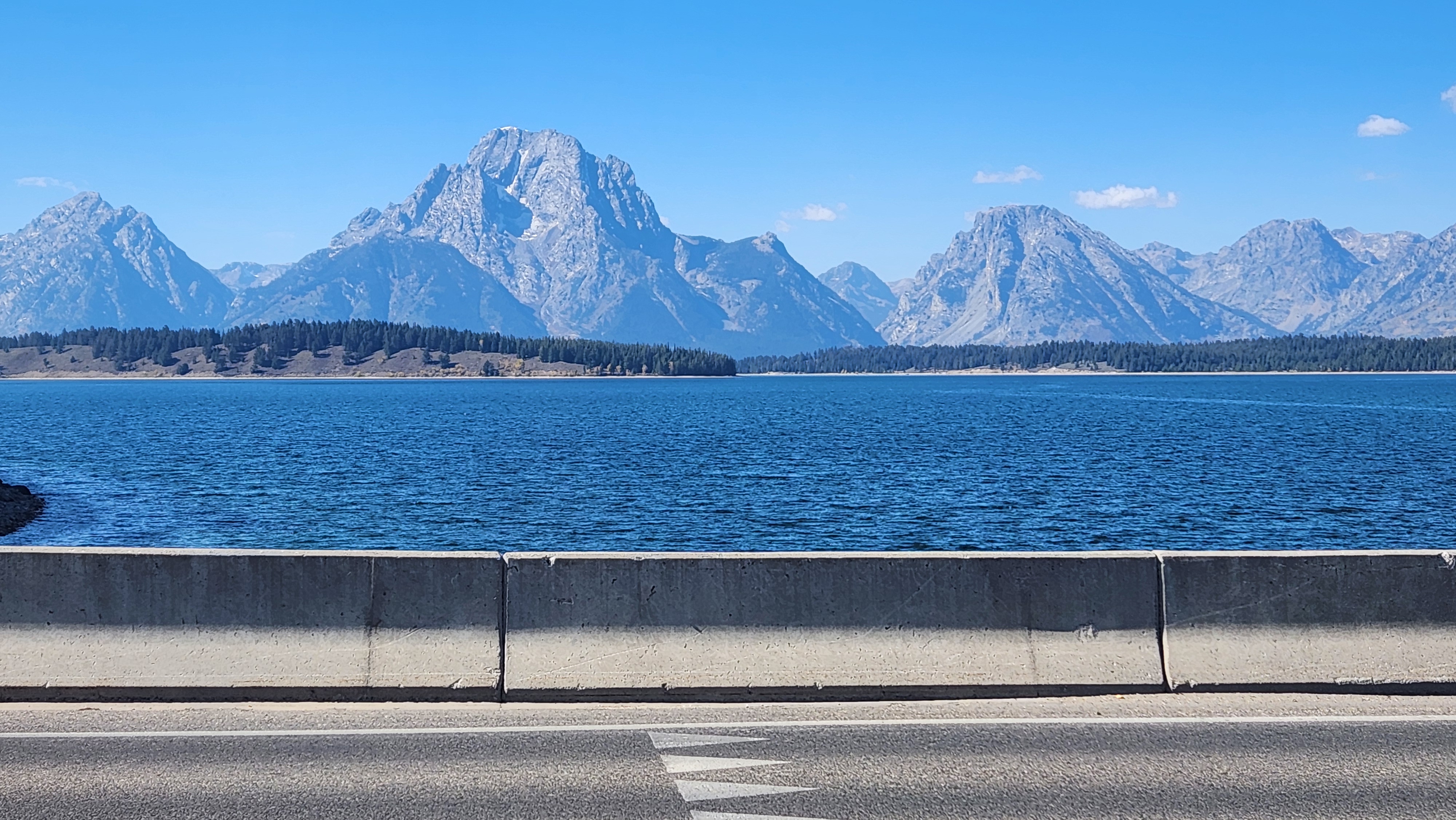
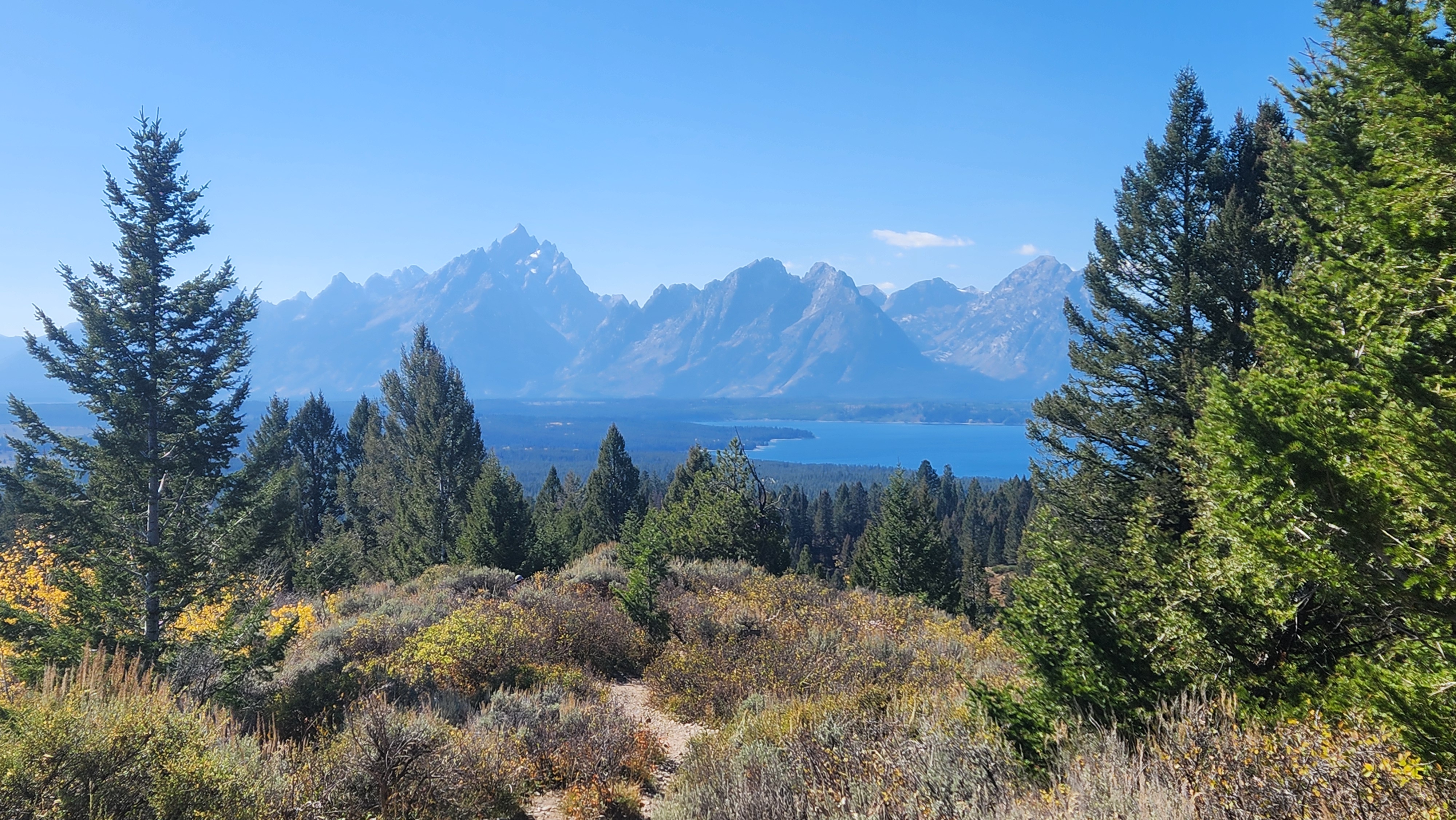
Grand Teton National Park does not need to announce itself with steam rising from the earth or crowds gathering around a geyser. Its power is immediate and visual. The Teton Range rises sharply from the valley floor, jagged and unmistakable, with no foothills to soften the view. Lakes reflect the mountains. Meadows stretch toward the peaks. The Snake River moves through the valley. Wildlife appears in the quiet hours.
Grand Teton is not simply a place to add before or after Yellowstone.
It is a destination that deserves its own time.
The Central Idea: Slow Down Before You Drive North
The biggest mistake many travelers make with Grand Teton is treating it as a scenic drive-through.
Yes, the views from the road are extraordinary. Yes, you can see the mountains from pullouts, overlooks, and lakeside stops. But Grand Teton becomes more memorable when you give it time.
Time for sunrise.
Time for a trail.
Time for a quiet lakeshore.
Time for wildlife at dusk.
Time to sit somewhere with the mountains in front of you and no need to hurry.
Grand Teton rewards travelers who slow down. That is true whether you are staying one night, several days, or building it into a larger western road trip.
The First View of the Tetons
There are mountain ranges that gradually reveal themselves.
The Tetons do not.
They rise suddenly and dramatically from Jackson Hole, creating one of the most recognizable skylines in North America. On a clear day, the range seems almost close enough to touch. In morning light, the peaks glow. After storms, clouds move through the canyons. At sunset, the mountains shift from gray to gold to shadow.
Driving through the park is part of the experience. Teton Park Road, the outer highway, and the many scenic pullouts give travelers repeated chances to stop, look, photograph, and take in the scale of the landscape.
That is part of what makes Grand Teton so rewarding by road. The park does not hide its beauty. It places it directly in front of you, mile after mile.
Why Smaller Vehicles Make Park Travel Easier
Grand Teton is a park built around movement. Scenic pullouts, trailheads, lakes, overlooks, visitor areas, picnic stops, and wildlife viewing locations are spread throughout the valley.
That makes vehicle size matter.
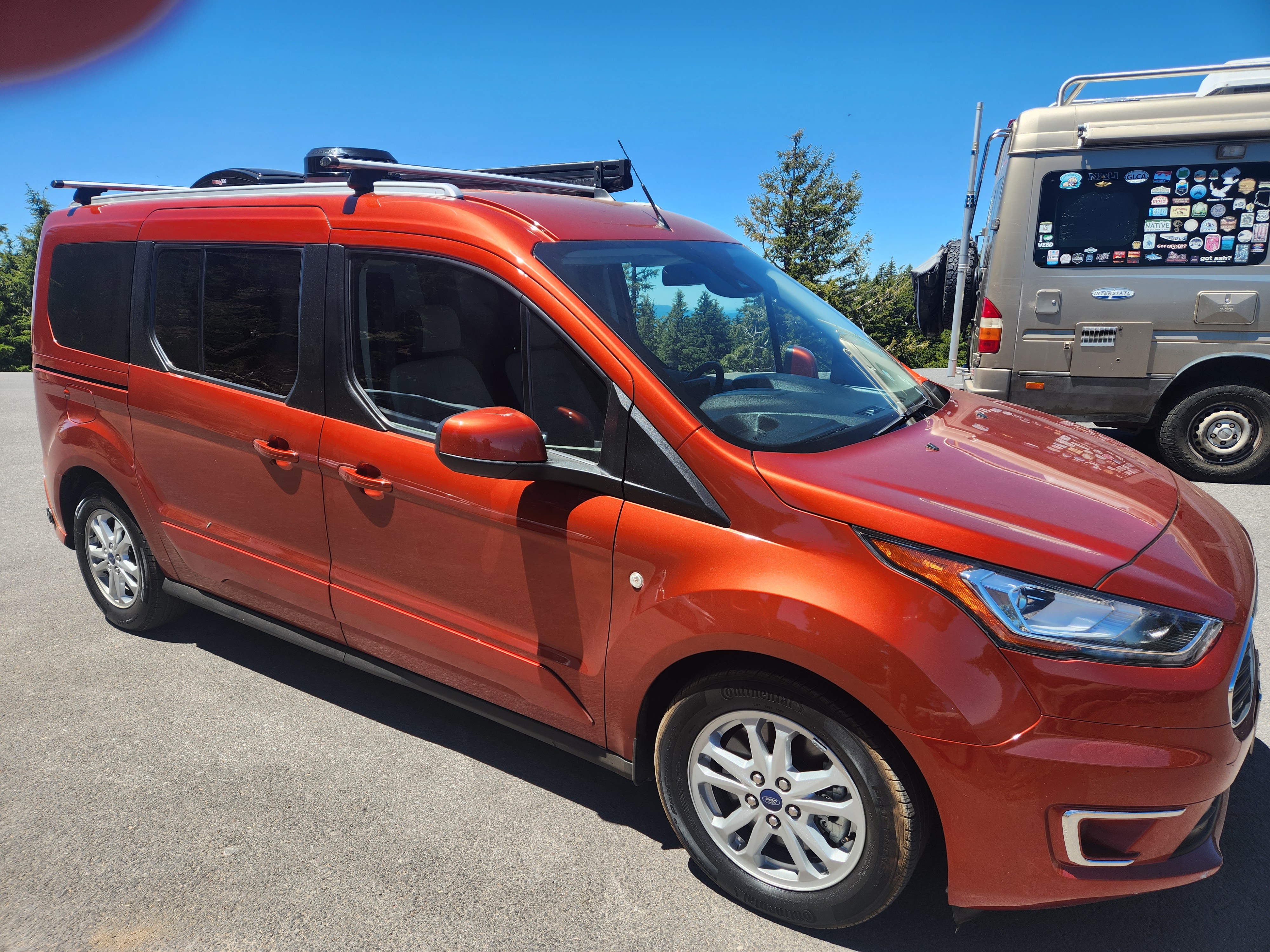
A smaller travel vehicle can make the day feel simpler. Parking at a trailhead is less stressful. Stopping at overlooks is easier. Driving into Jackson for supplies or a meal is more practical. Moving between sunrise locations, hiking areas, campgrounds, and evening wildlife viewing spots feels natural rather than complicated.
For travelers using a compact campervan, this kind of park highlights the value of flexibility. The vehicle supports the experience without becoming the focus of the trip.
Hiking in Grand Teton: Where the Park Becomes Personal
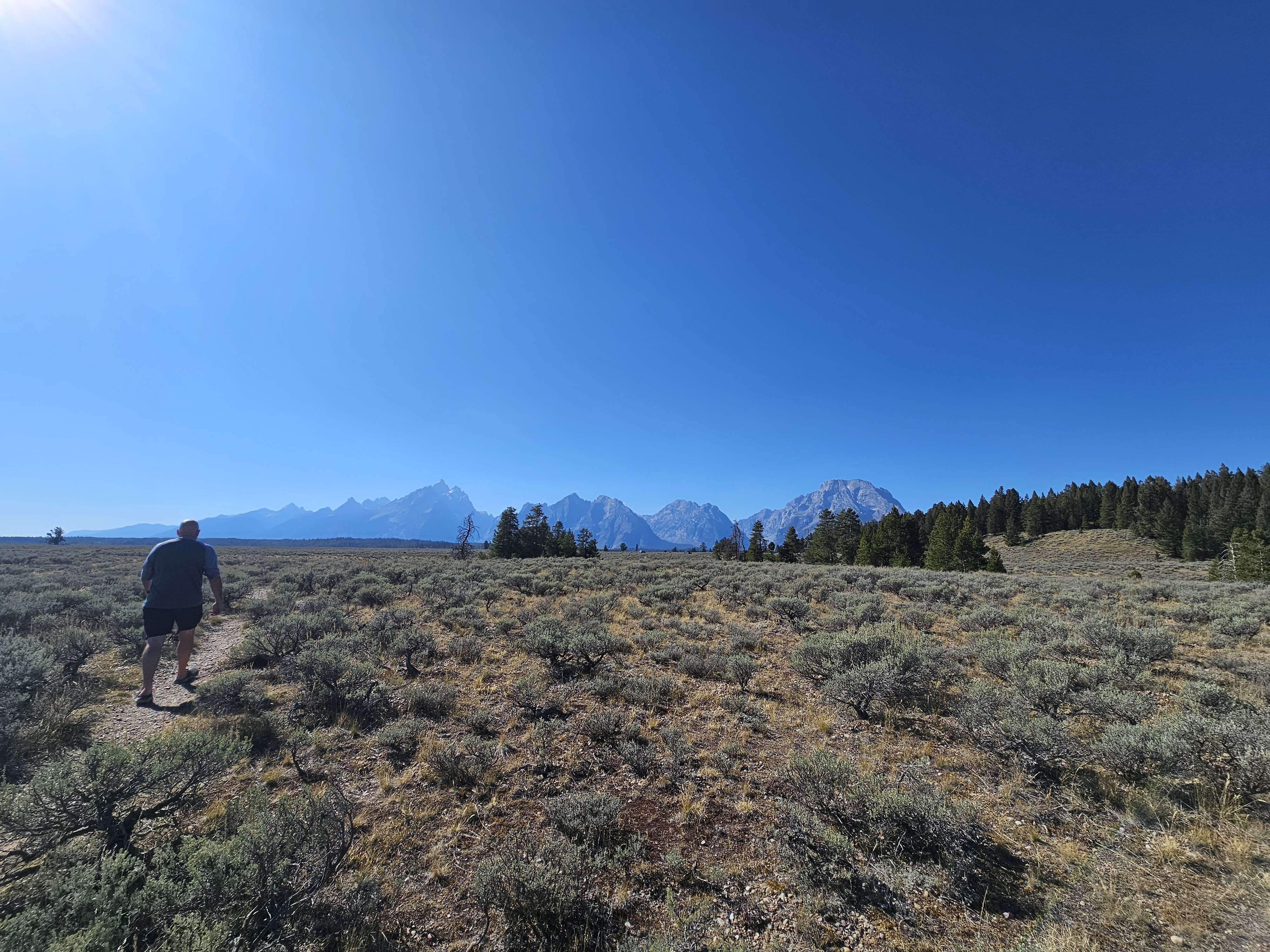
Grand Teton can be admired from the road, but hiking brings the park closer.
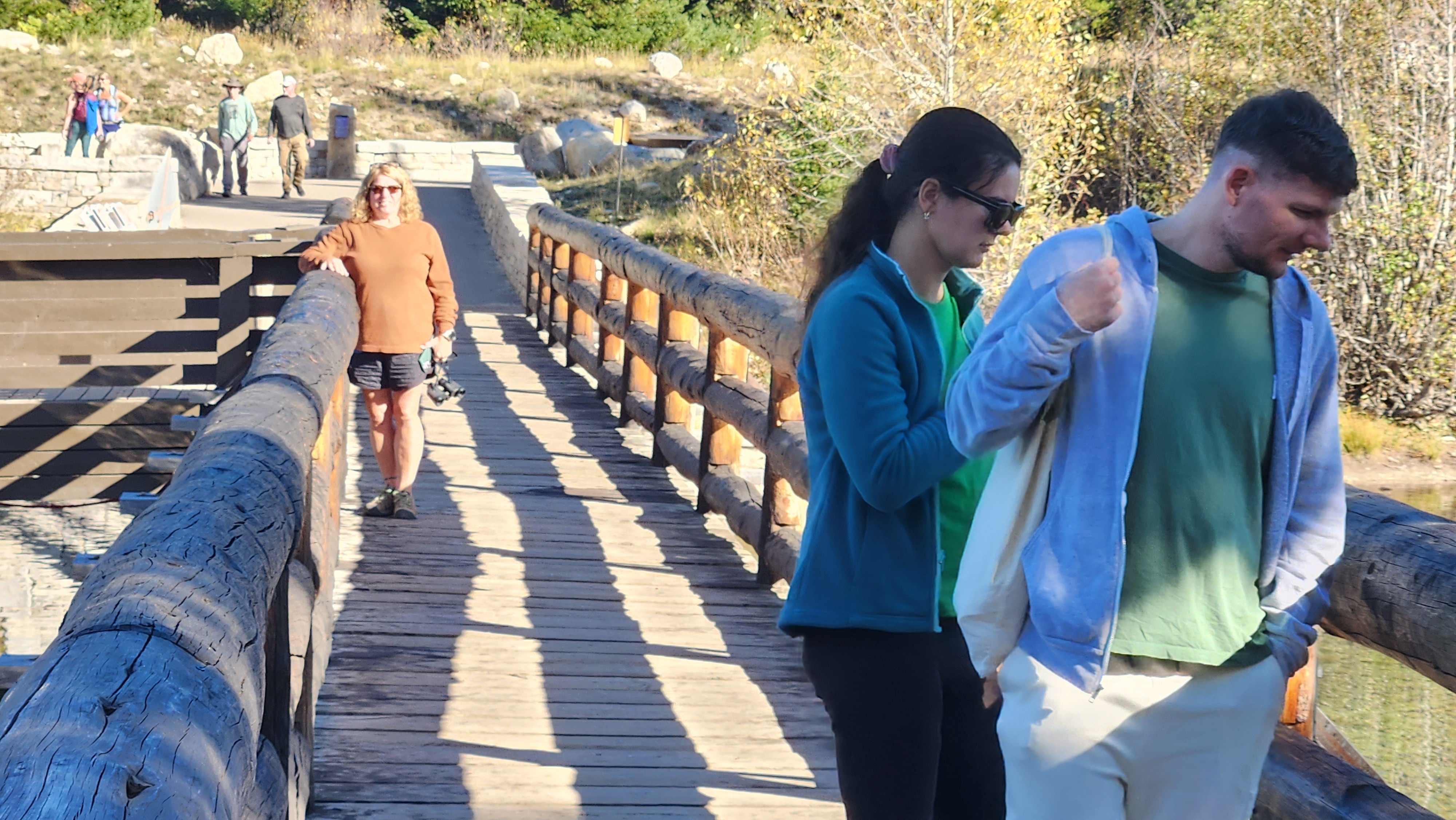
For an easier outing, the trails around Jenny Lake, String Lake, Leigh Lake, and Taggart Lake offer classic scenery without requiring a major backcountry commitment. These walks can include mountain views, forests, lake reflections, and places where simply sitting beside the water becomes part of the day.
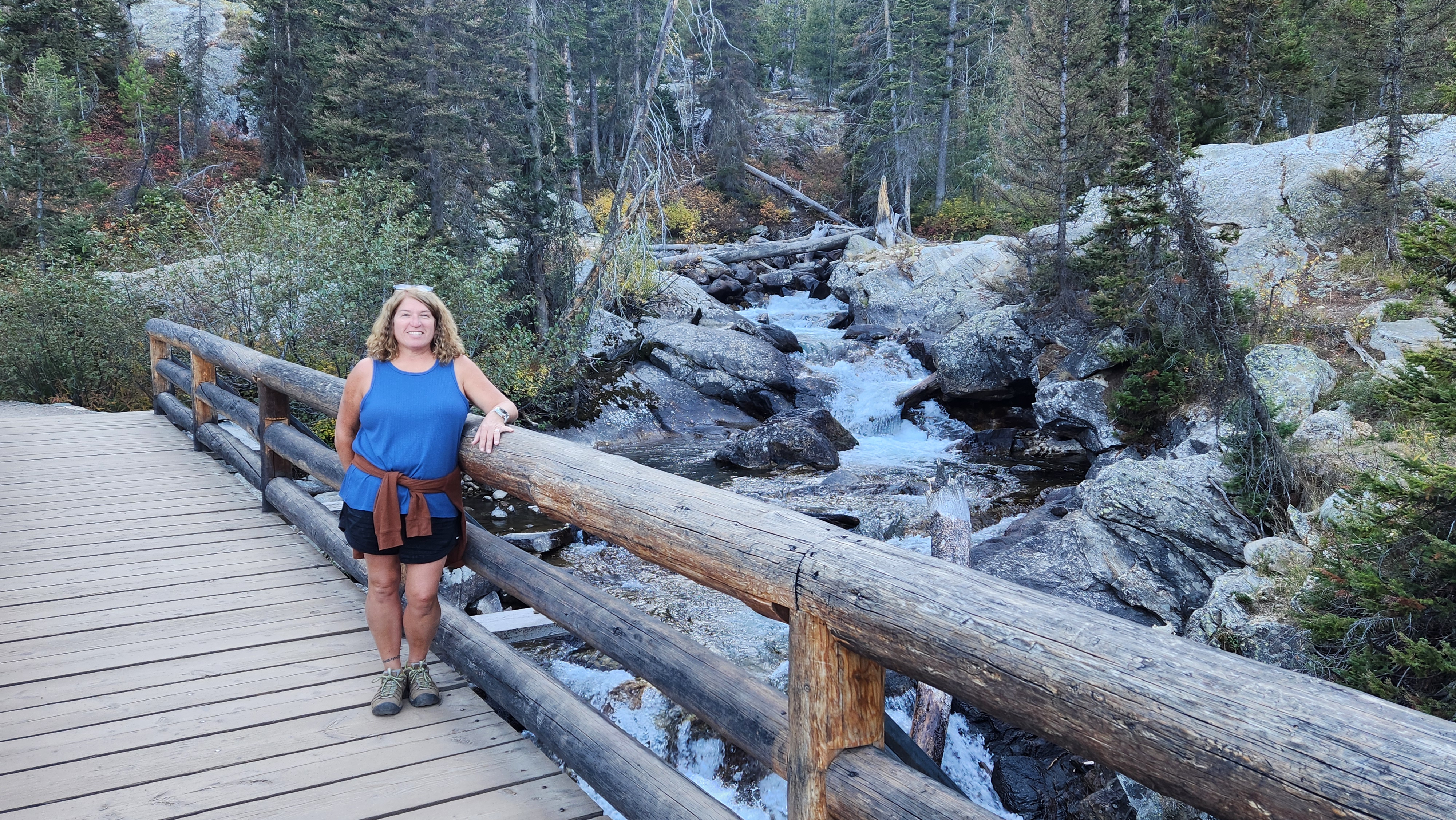
For travelers looking for a more demanding hike, Cascade Canyon is one of the park's signature experiences. The trail leads into the mountains with towering walls, water, forest, wildlife habitat, and the feeling of stepping deeper into the Teton Range. Lake Solitude is a much longer and more strenuous goal for prepared hikers, but even a partial hike into Cascade Canyon can be unforgettable.
The key is not to choose the hardest trail.
The key is to choose the trail that lets you experience the park well.
Jenny Lake, String Lake, and the Lakes Beneath the Peaks
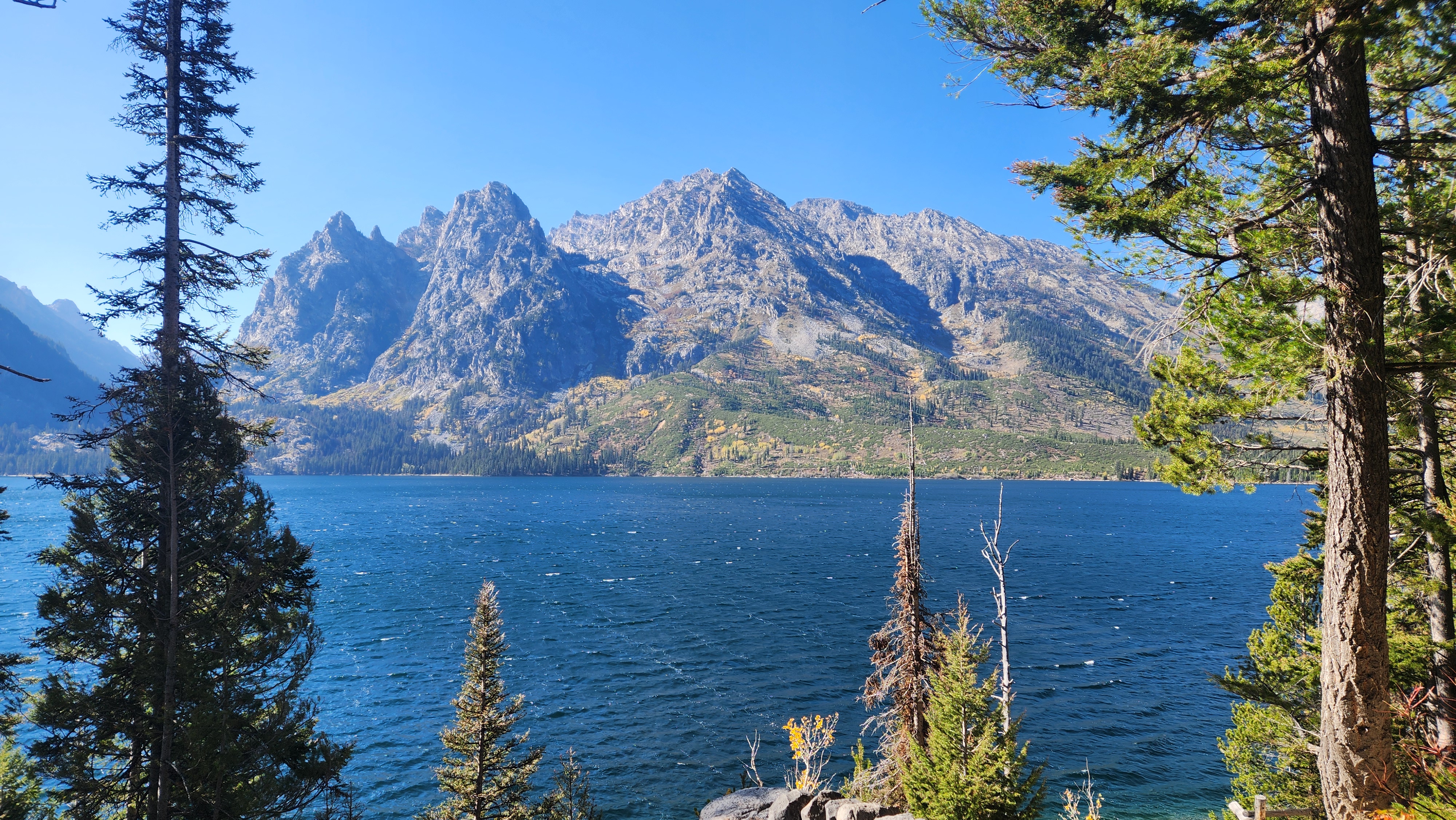
The lakes of Grand Teton help define the park's character.
Jenny Lake is iconic for good reason. It sits close beneath the mountains and offers access to trails, viewpoints, boat rides, and some of the park's most popular scenery. Because of that popularity, it is best visited early in the day or outside peak hours when possible.
String Lake has a quieter feel in many seasons and offers shallow water, scenic shoreline, and beautiful views. It is a favorite for paddling, walking, photography, and slow mornings.
Jackson Lake is larger and more open, with broad views toward the range and access to Colter Bay, campgrounds, marinas, and northern park areas.
Each lake gives the Tetons a different mood. Taken together, they remind travelers that Grand Teton is not only about mountains. It is about water, reflection, wildlife, forest, and light.
Camping in and Around Grand Teton
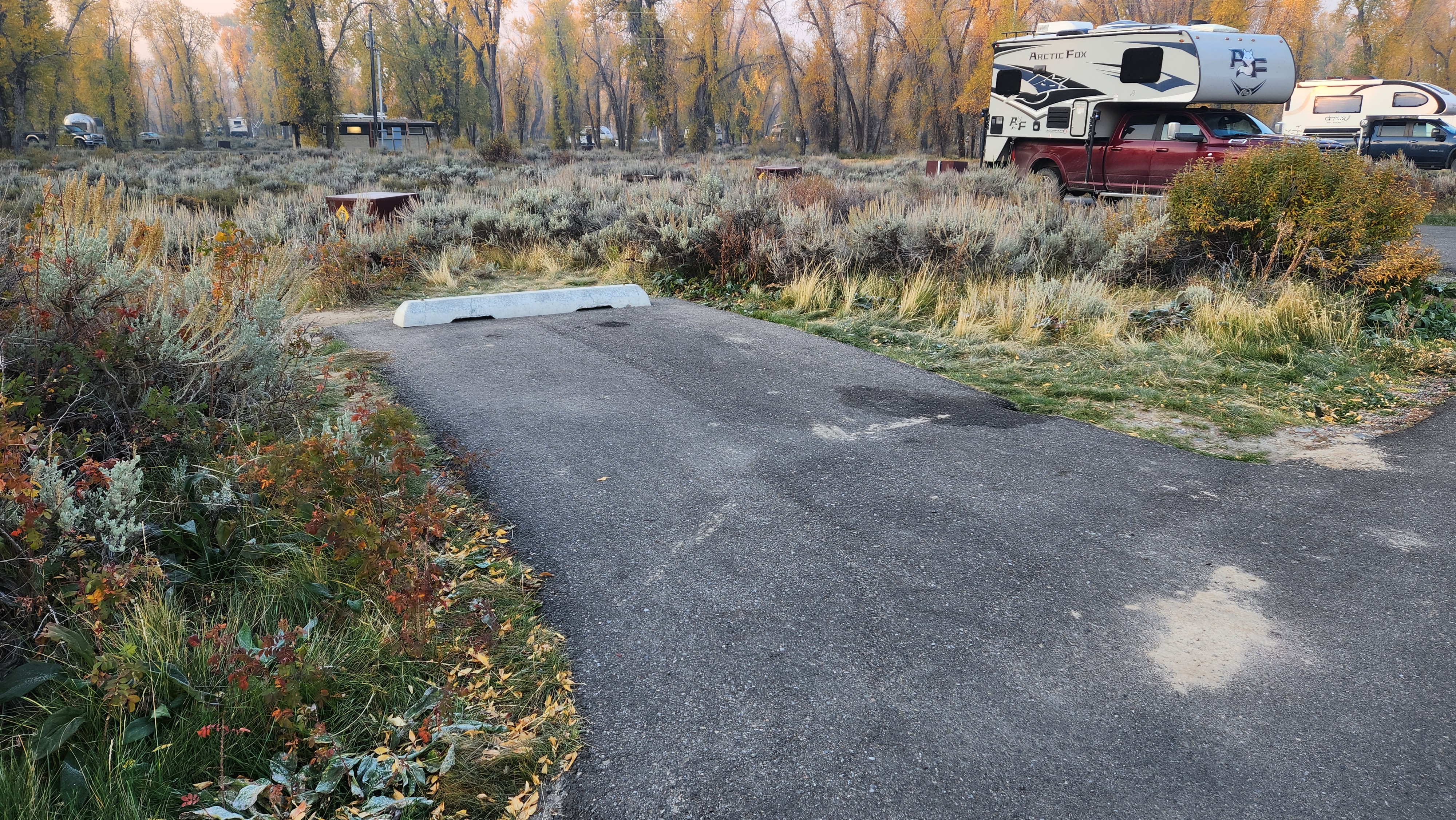
Camping is one of the best ways to experience Grand Teton because the park changes throughout the day.
Morning often brings calmer light, cooler air, and better wildlife viewing. Midday is ideal for hiking, lakes, visitor centers, or a drive into Jackson. Evening brings shadows across the valley, campfire conversations, and the chance to watch the mountains settle into darkness.
Campgrounds such as Gros Ventre and Colter Bay are popular options, each offering a different feel. Gros Ventre sits toward the southern part of the park and can be a good base for exploring Jackson, the Snake River, and southern park areas. Colter Bay offers access to Jackson Lake and the northern part of the park.
Availability, reservations, fees, campground rules, generator policies, and seasonal openings can change, so travelers should always check current park information before arriving.
The value of camping here is not just convenience. It is the ability to be present when the park is at its best.
Jackson: The Gateway Town With Its Own Personality
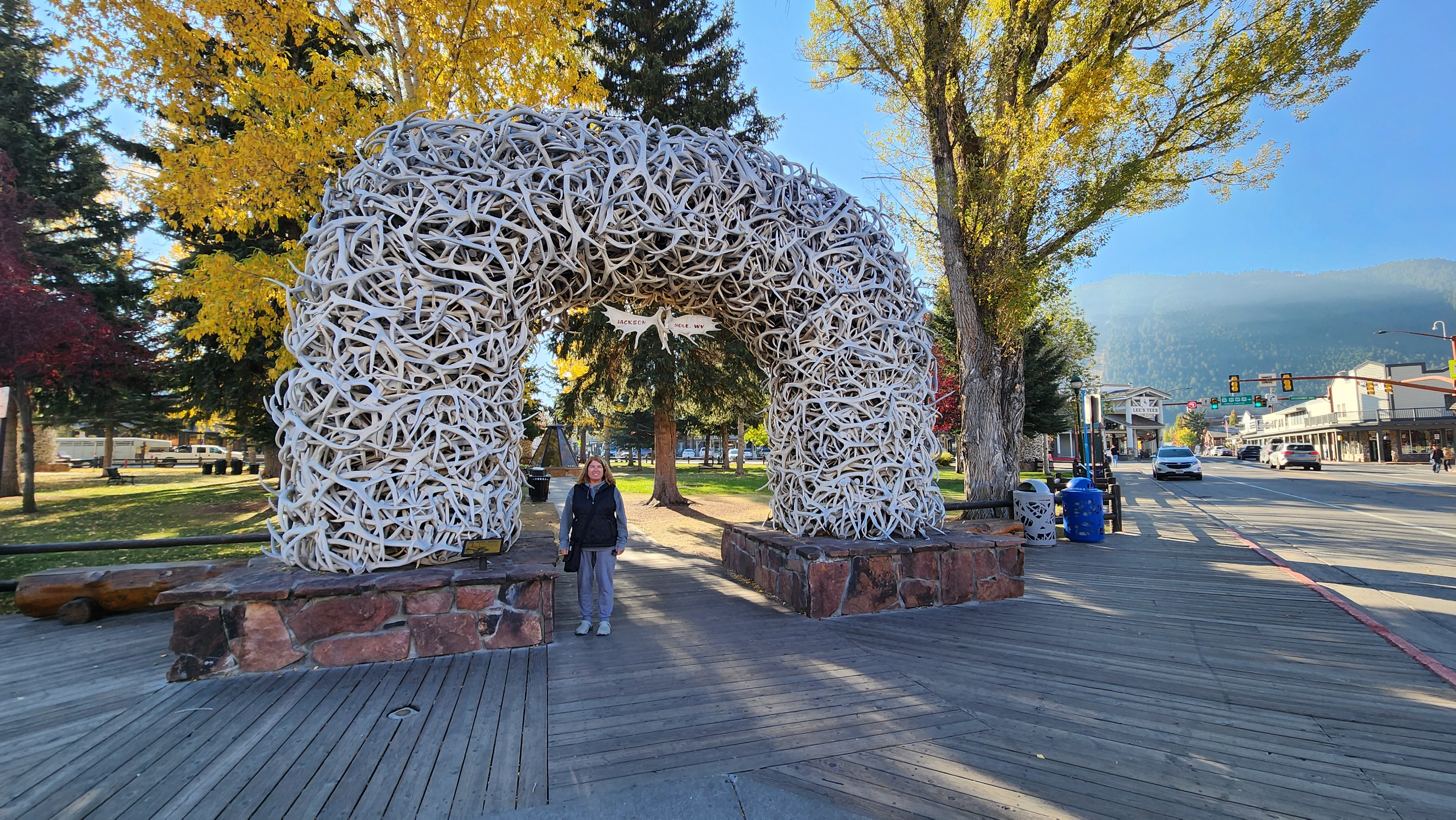
Jackson is more than a place to buy groceries before entering the park.
It has its own western character, restaurants, galleries, shops, lodging, outfitters, and a lively town square. For travelers spending several days in the area, Jackson can provide a useful contrast to the quiet of the park.
A day might begin with sunrise at Schwabacher Landing, continue with a hike near Jenny Lake, include lunch or supplies in Jackson, and end with evening wildlife viewing along the Snake River or near open meadows.
That variety is part of what makes the region so strong as a road trip destination.
Signal Mountain and the Overlooks
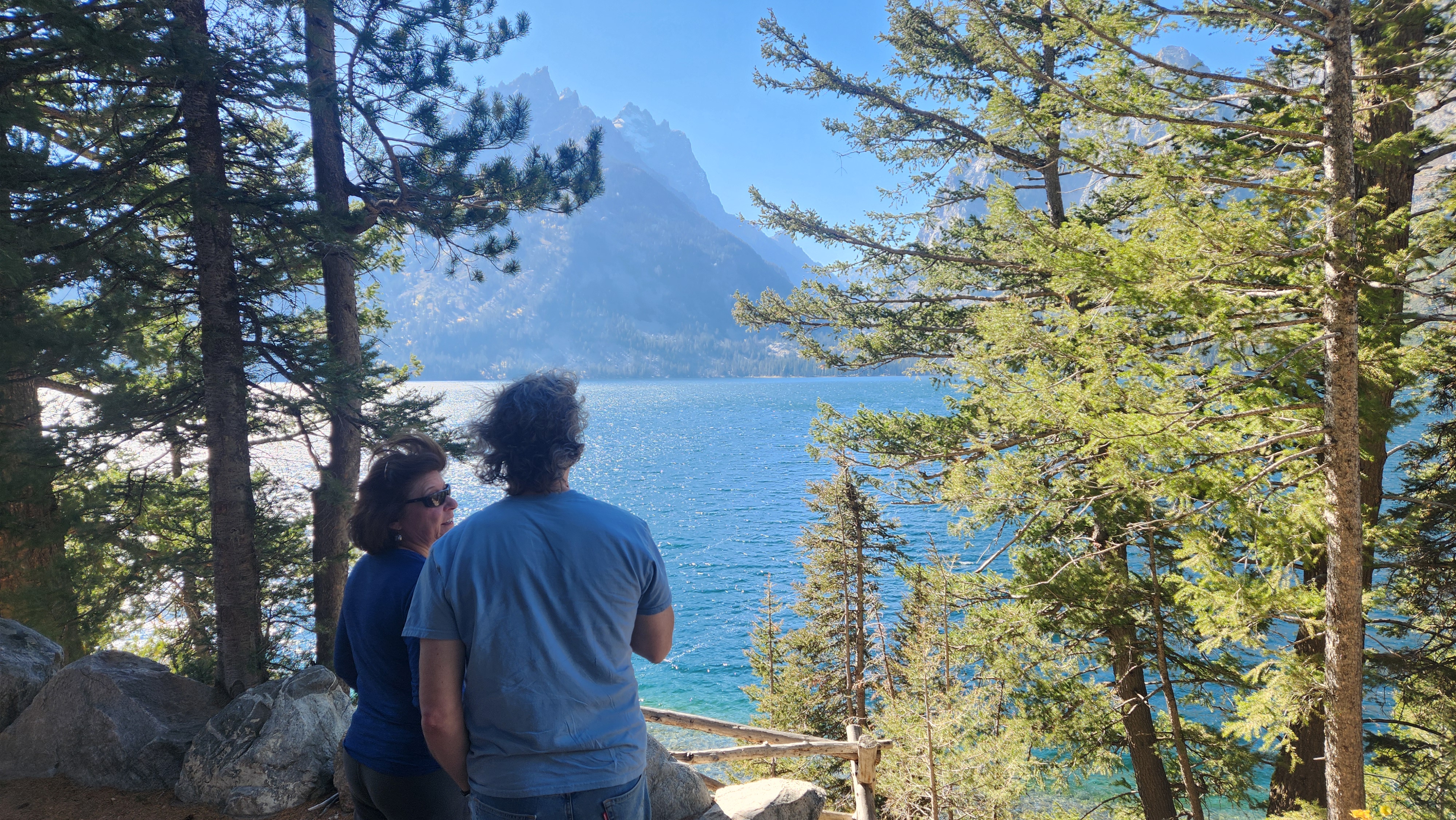
Signal Mountain offers one of the park's classic elevated views. The drive climbs above the valley and opens to broad perspectives of Jackson Hole, Jackson Lake, and the Teton Range.
It is not the only overlook worth visiting. Grand Teton rewards repeated stopping: Oxbow Bend, Snake River Overlook, Schwabacher Landing, Mormon Row, Jenny Lake Overlook, and many smaller pullouts all offer different ways to see the same mountains.
That is one reason the park is so rewarding for photographers. The scene changes with time, weather, light, and season.
The mountains may be the same.
The experience rarely is.
Wildlife Viewing: Patience Matters
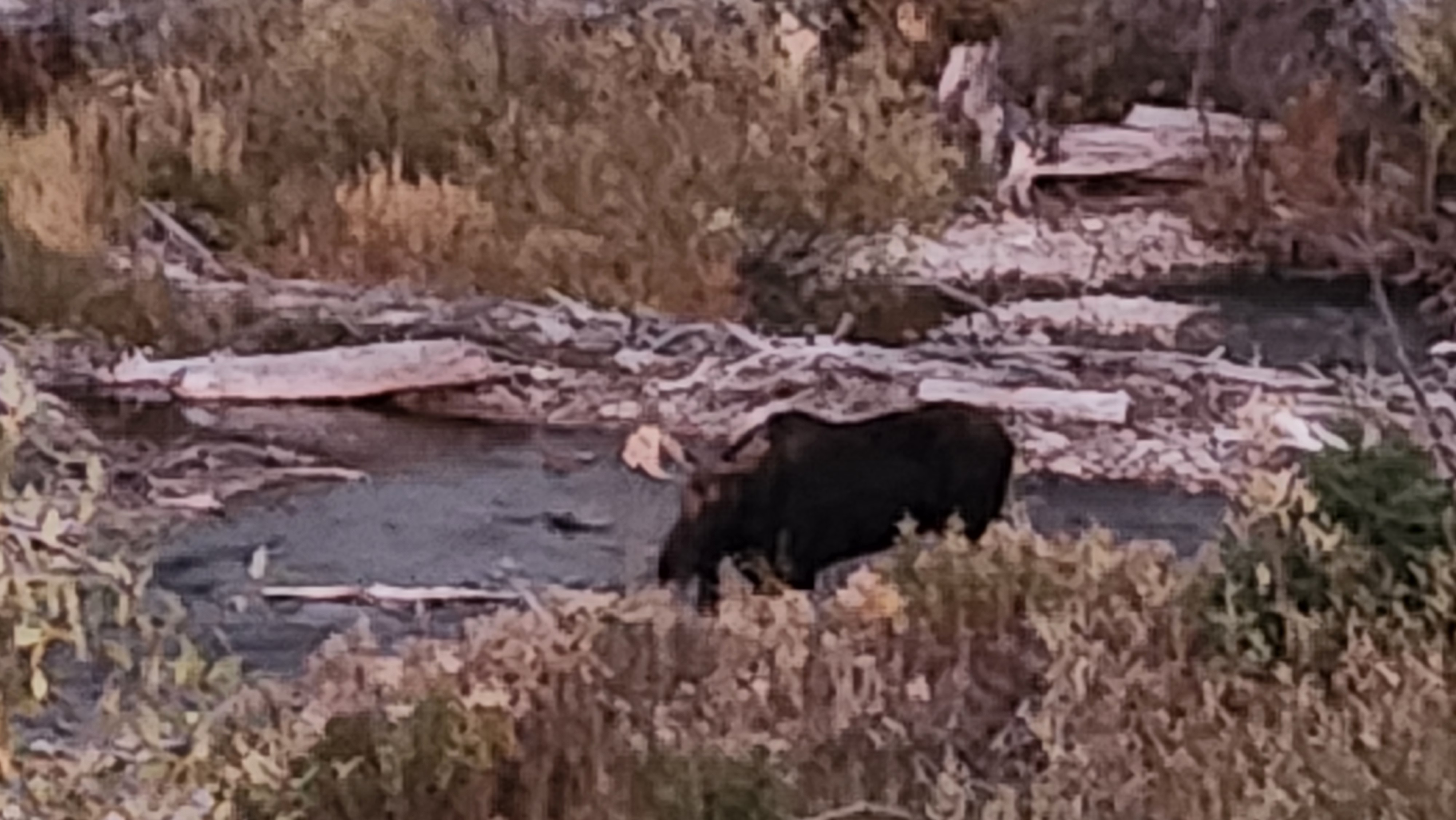
Grand Teton is one of the great wildlife parks in the United States. Moose, elk, bison, pronghorn, bears, coyotes, foxes, eagles, and many other animals live in or move through the region.
The best wildlife viewing often happens early or late in the day. Quiet roads, open meadows, river corridors, and wetland areas can all be productive. Patience matters. So does distance.
Wild animals should never be approached, fed, crowded, or pressured for a photograph. Use binoculars or a long lens, stay in designated areas when required, follow park guidance, and respect closures or ranger instructions.
Seeing wildlife in Grand Teton is a privilege. Protecting that experience matters more than any photo.
Grand Teton and Yellowstone: Better Together, Different in Spirit
Grand Teton and Yellowstone are often combined in one trip, and they should be. The two parks are close enough to pair naturally, yet they feel very different.
Yellowstone is vast, volcanic, varied, and full of famous features. Grand Teton is more concentrated, visual, and intimate. Yellowstone often asks travelers to move from basin to waterfall to canyon to wildlife valley. Grand Teton asks them to look, linger, hike, sit by water, and let the mountains dominate the day.
One is not better than the other.
They simply offer different kinds of wonder.
If Yellowstone feels like an entire world, Grand Teton feels like a single unforgettable view that keeps changing every time you turn around.
When to Visit Grand Teton
Each season brings a different experience.
Summer offers access to most park roads, campgrounds, trails, lakes, and visitor services, but it also brings larger crowds. Early mornings and evenings become especially valuable.
Fall can be extraordinary, with cooler temperatures, changing colors, active wildlife, and a quieter atmosphere after the busiest season. Weather becomes less predictable, but the rewards can be remarkable.
Spring brings snowmelt, wildlife movement, and a sense of renewal, though some roads, trails, and services may still be limited.
Winter is beautiful but requires very different preparation. Access is more limited, conditions are severe, and many travelers experience the park through nearby communities, winter roads, guided outings, or specialized activities.
There is no single best season. There is only the season that fits the kind of trip you hope to take.
How to Travel Grand Teton Well
Give the park time if you can. One day is better than missing it, but two or three days allow the experience to deepen.
Start early. Parking at popular trailheads can fill. Wildlife is often more active in the morning. Light is usually more dramatic before the midday sun flattens the view.
Stay flexible. Weather changes quickly in mountain country. Smoke, storms, wind, snow, road work, wildlife jams, and full parking lots can all change plans. A flexible traveler often has the better trip.
Bring layers, water, snacks, maps, binoculars, and a camera. Download information before entering low-service areas. Respect wildlife, trail closures, speed limits, and campground rules.
Most of all, resist the urge to rush.
The Tetons are not a checklist.
They are a place to experience.
Where a Compact Campervan Fits Into the Story
Destinations like Grand Teton show why compact campervans appeal to travelers who value flexibility. A smaller vehicle can make it easier to move between campgrounds, trailheads, overlooks, lakes, and nearby towns while still providing a comfortable place to rest at the end of the day.
For travelers using a compact campervan, the advantage is not about bringing more vehicle into the park. It is about bringing fewer complications.
The mountains remain the focus.
The road remains part of the story.
The vehicle simply helps make the experience easier to enjoy.
Final Thoughts: Do Not Let Grand Teton Become an Afterthought
Grand Teton National Park deserves more than a quick glance on the way to Yellowstone.
It deserves sunrise.
It deserves a trail.
It deserves time beside a lake.
It deserves the patience to watch evening light move across the peaks.
It deserves to be experienced as one of America's great national parks in its own right.
Yellowstone may draw many travelers to northwest Wyoming, but Grand Teton often becomes the place they did not expect to remember so vividly.
That is the gift of slowing down.
Sometimes the most unforgettable destination is the one you almost treated as a stop along the way.
Happy Camping!
DLM-Distribution / Campervans is a licensed manufacturer and dealer located in Lake Crystal, Minnesota, serving clients around the country.
Contact Dave: 651-285-7089 or Candy: 507-382-9446 today!