
NEWS
Grand Teton National Park is one of the most visually striking landscapes in the American West. Located in northwestern Wyoming just south of Yellowstone National Park, it is defined by sharp mountain peaks, glacial lakes, wide valleys, and abundant wildlife. The park’s compact layout and well-maintained road system make it easy to explore multiple environments in a single visit, whether traveling for a weekend or incorporating it into a longer western road trip.
For travelers exploring by road, Grand Teton offers a rare combination of accessibility and raw mountain scenery. Campgrounds, scenic overlooks, trailheads, and lakes are all connected by a manageable network of park roads, allowing visitors to experience the landscape at their own pace.

Why Grand Teton National Park Stands Out
The defining feature of the park is the Teton Range, which rises dramatically from the valley floor without the gradual foothills common in many mountain regions. This sudden elevation change creates one of the most recognizable skylines in North America. The highest peak, the Grand Teton, reaches 13,775 feet and dominates the horizon throughout much of the park.
Glacial activity continues to shape the landscape, carving valleys and feeding clear alpine lakes such as Jenny Lake and Jackson Lake. Meadows and river corridors support a wide range of wildlife, including bison, elk, moose, pronghorn, and both black and grizzly bears. Seasonal wildflowers, reflective lakes, and snow-covered peaks create constant visual contrast throughout the year.
Camping in Grand Teton National Park
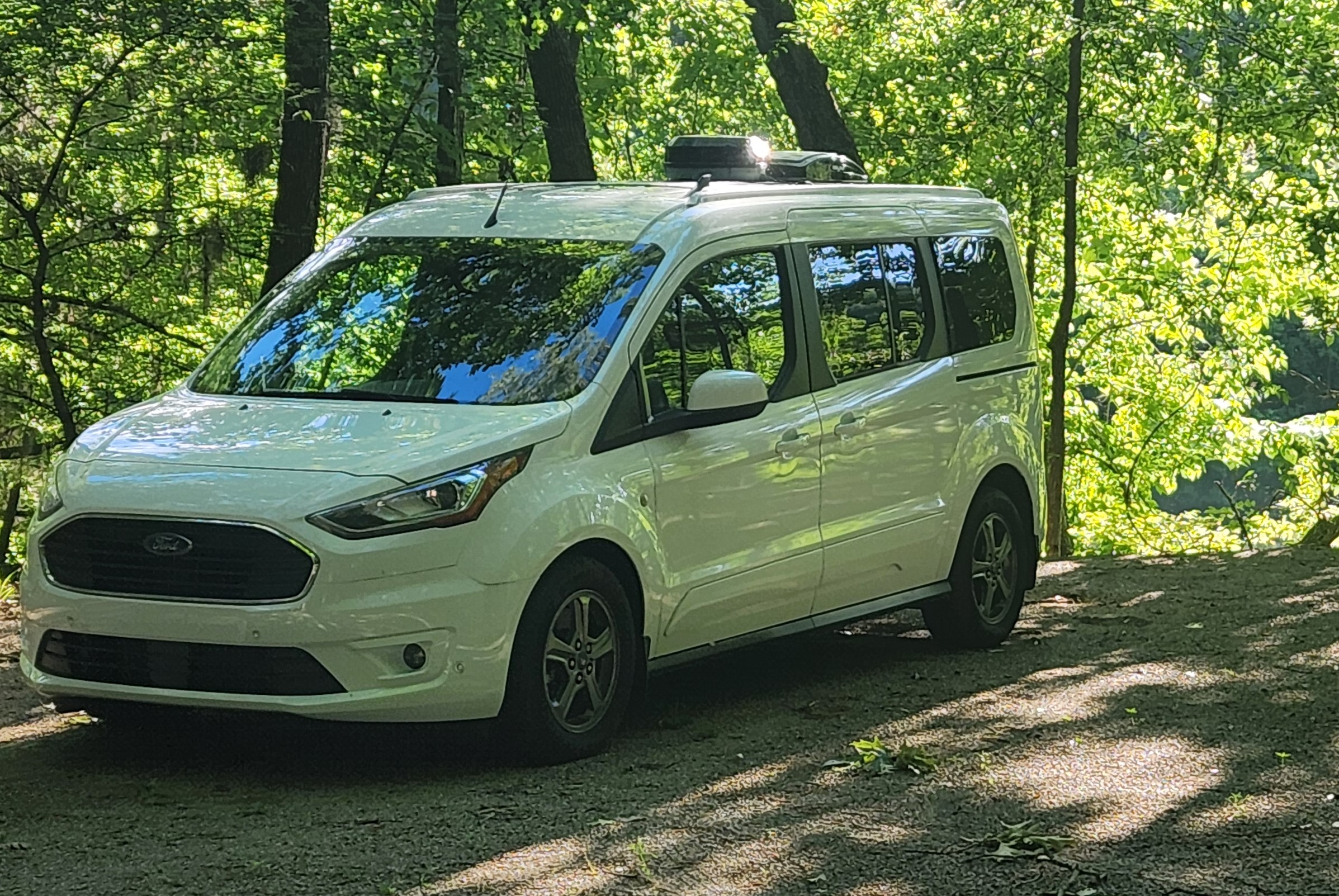
Camping is one of the best ways to experience Grand Teton’s landscape at sunrise and sunset, when lighting conditions and wildlife activity are often at their peak. The park offers several established campgrounds, each with a different setting and level of development.
Colter Bay Campground, located near Jackson Lake, provides convenient access to lakeshore views and visitor services. Its central location makes it a practical base for exploring the northern half of the park.

Gros Ventre Campground, near the southern entrance, offers open valley views and is well known for wildlife sightings. Its proximity to the town of Jackson also makes it convenient for those wanting occasional access to restaurants or supplies.
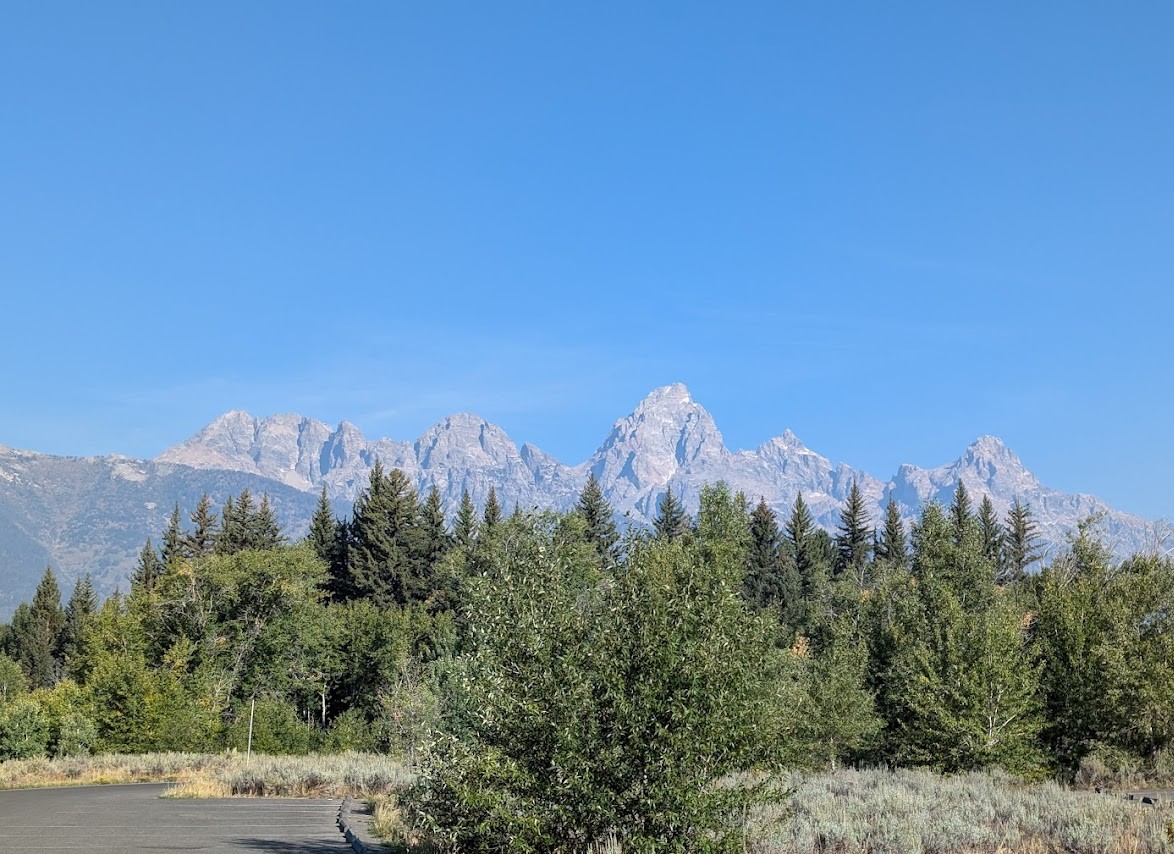
Signal Mountain Campground sits near Jackson Lake with direct views of the Teton Range and easy access to scenic drives and trailheads. Its smaller scale gives it a quieter feel compared to larger campground areas.
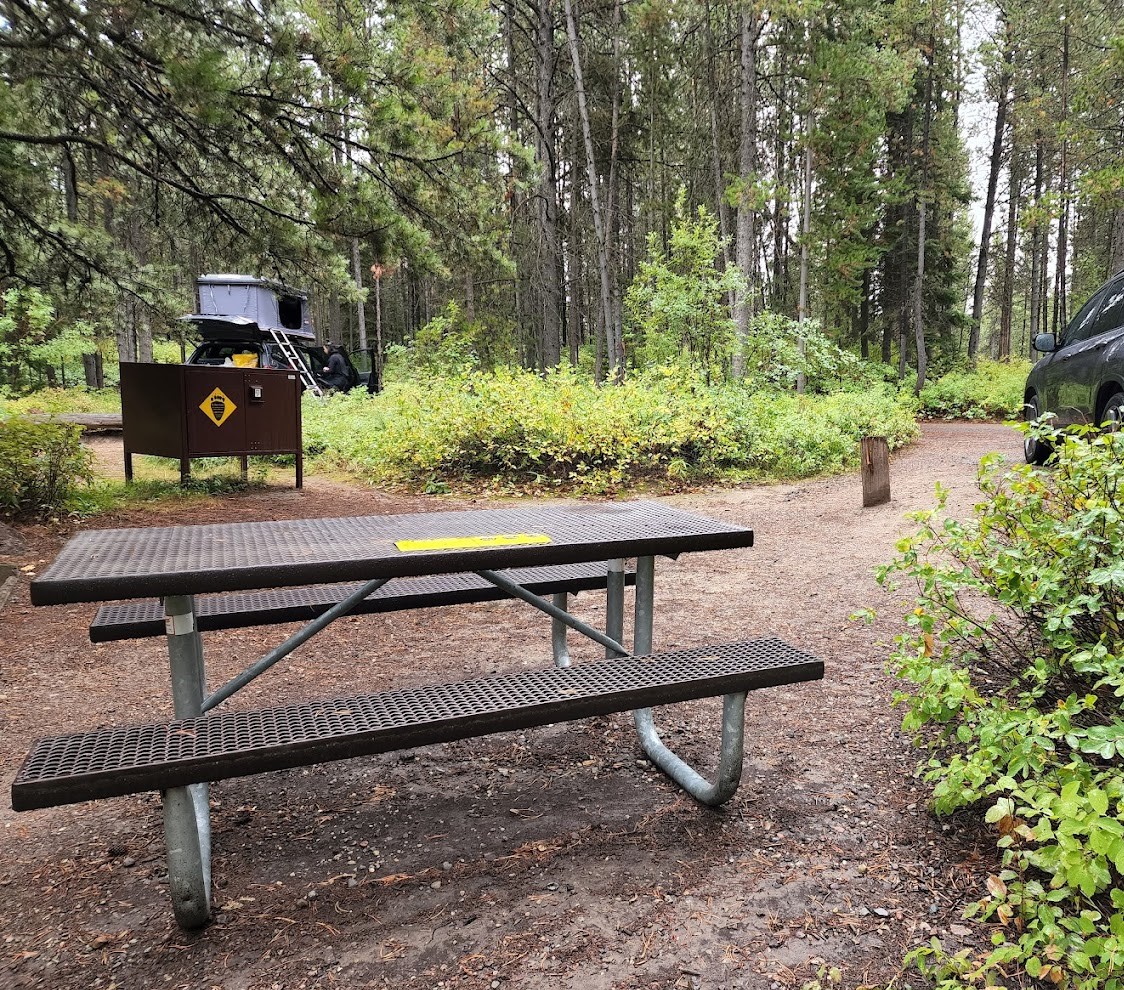
Jenny Lake Campground operates primarily as a tent-focused campground, but nearby parking areas provide convenient access to one of the park’s most scenic and active hiking regions. Its location near major trails makes it one of the most sought-after camping areas in the park.

Many of these campgrounds are well suited for smaller RVs and campervans, allowing travelers to stay close to trailheads and lakes without needing large parking areas or extensive setup.
Scenic Drives Through the Tetons
Driving is one of the most effective ways to understand the scale of Grand Teton National Park. Several scenic routes provide continuous views of the mountains while connecting visitors to lakes, overlooks, and trailheads.
Teton Park Road runs north-south through the heart of the park and provides some of the most iconic mountain views. Frequent pullouts allow for photography, wildlife observation, and short walks to lakeshores.
Signal Mountain Summit Road climbs above Jackson Lake to a panoramic overlook of the Teton Range and the Jackson Hole Valley. The elevated perspective offers a clear sense of how sharply the mountains rise from the surrounding terrain.
Moose-Wilson Road is narrower and slower but passes through dense habitat where wildlife sightings are more common. The route connects several trailheads and the Laurance S. Rockefeller Preserve.
The park’s outer highways provide broader views of the Snake River Valley and distant mountain ridges, offering a different perspective from the interior roads.
Hiking and Trail Access
Grand Teton National Park offers trails for a wide range of abilities, from short lakeside walks to full-day alpine routes.
The Hidden Falls and Inspiration Point route near Jenny Lake provides one of the most rewarding moderate hikes in the park, combining waterfalls, elevation gain, and expansive lake views.
Taggart Lake Trail is a relatively gentle hike that leads to a clear alpine lake with classic reflections of the Teton Range.
Cascade Canyon offers a deeper mountain experience, leading hikers into glacially carved terrain surrounded by towering peaks.
The Phelps Lake Loop, located in the Laurance S. Rockefeller Preserve, provides a quieter setting with forest, shoreline, and frequent wildlife activity.
Wildlife Viewing and Natural Habitat
Grand Teton supports diverse ecosystems that make wildlife viewing one of the park’s defining experiences. Early morning and evening hours offer the best chances to observe animals moving through open meadows and river corridors.
Oxbow Bend is one of the most recognized wildlife viewing locations, particularly for moose, waterfowl, and bald eagles. Mormon Row’s open plains often host bison and pronghorn, while forested areas near streams provide habitat for smaller mammals and bird species.
The park’s lakes and rivers support native cutthroat trout, river otters, and a wide range of water-dependent wildlife.
Nearby Destinations and Regional Travel
Grand Teton is part of a broader travel region that includes several major destinations within short driving distance.
Yellowstone National Park lies immediately to the north and offers geothermal features and additional wildlife viewing opportunities.
The town of Jackson sits just south of the park and provides services, restaurants, and cultural attractions such as the National Museum of Wildlife Art.
The Snake River corridor offers float trips and scenic viewpoints that reveal the Teton skyline from a different perspective.
Mormon Row Historic District preserves early homestead structures that have become some of the most photographed scenes in Wyoming.
Traveling the Park by Campervan
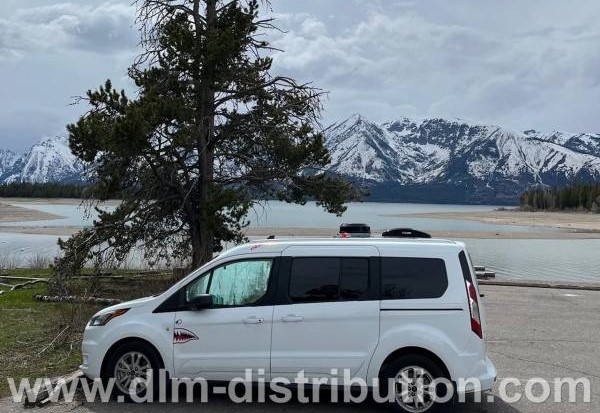
Road-based travel is especially practical in Grand Teton due to the park’s accessible layout and concentrated points of interest. Smaller campervans are particularly well suited to the park’s campgrounds, scenic pullouts, and narrower access roads.
Being able to stay within or near the park allows travelers to experience changing light conditions, early wildlife activity, and quiet evening landscapes without needing to leave the area each day. With campgrounds spread throughout the park, it is possible to explore different regions while maintaining a flexible travel schedule.
A Landscape Defined by Contrast and Elevation
Grand Teton National Park offers an uncommon combination of sharp mountain relief, reflective lakes, active wildlife habitat, and accessible wilderness. Its relatively compact size makes it possible to experience alpine terrain, valley ecosystems, and river landscapes within a single visit.
For travelers seeking a destination defined by scenery, geology, and open space, Grand Teton remains one of the most visually memorable national parks in the United States.

DLM-Distribution / Campervans is a licensed manufacturer and dealer located in Lake Crystal, Minnesota, serving clients around the country.
Contact Dave: 651-285-7089 or Candy: 507-382-9446 today!