
NEWS
For many people exploring campervan ownership, two practical questions come up early: fuel economy and garage fit. The appeal of a campervan often lies in freedom and flexibility, but those benefits can disappear quickly if fuel costs are high or storage becomes complicated. A truly practical campervan needs to travel efficiently, park easily, and integrate into everyday life without added expense or friction.
Smaller campervans are increasingly favored for this reason. They offer a balance that larger RVs often struggle to achieve—usable interior features without sacrificing efficiency, drivability, or at-home storage.
Why Fuel Economy Matters in a Campervan
Fuel efficiency plays a major role in long-term ownership costs. While larger RVs and traditional Class B motorhomes offer interior volume, they often consume fuel at a rate that limits how frequently they are used. High fuel costs can turn spontaneous trips into carefully budgeted events.
Smaller campervans reduce that barrier. Better fuel economy makes longer trips more affordable, encourages more frequent use, and lowers the overall cost per mile traveled. For those who enjoy road trips, seasonal travel, or visiting family across multiple states, efficiency directly impacts how often the vehicle is realistically used.
Why Garage Fit Changes Ownership Experience
Storage is one of the most overlooked aspects of RV ownership. Many RVs require off-site storage due to height or length, adding monthly costs and reducing convenience. When a vehicle is stored away from home, trips often require planning, scheduling, and extra effort before the journey even begins.
A campervan that fits inside a standard residential garage eliminates those issues. Home storage protects the vehicle from weather, avoids storage fees, and makes spontaneous travel far easier. It also simplifies ownership for those living in HOA-regulated communities where outdoor RV parking may be restricted.
A Practical Balance: Compact Size with Real Capability
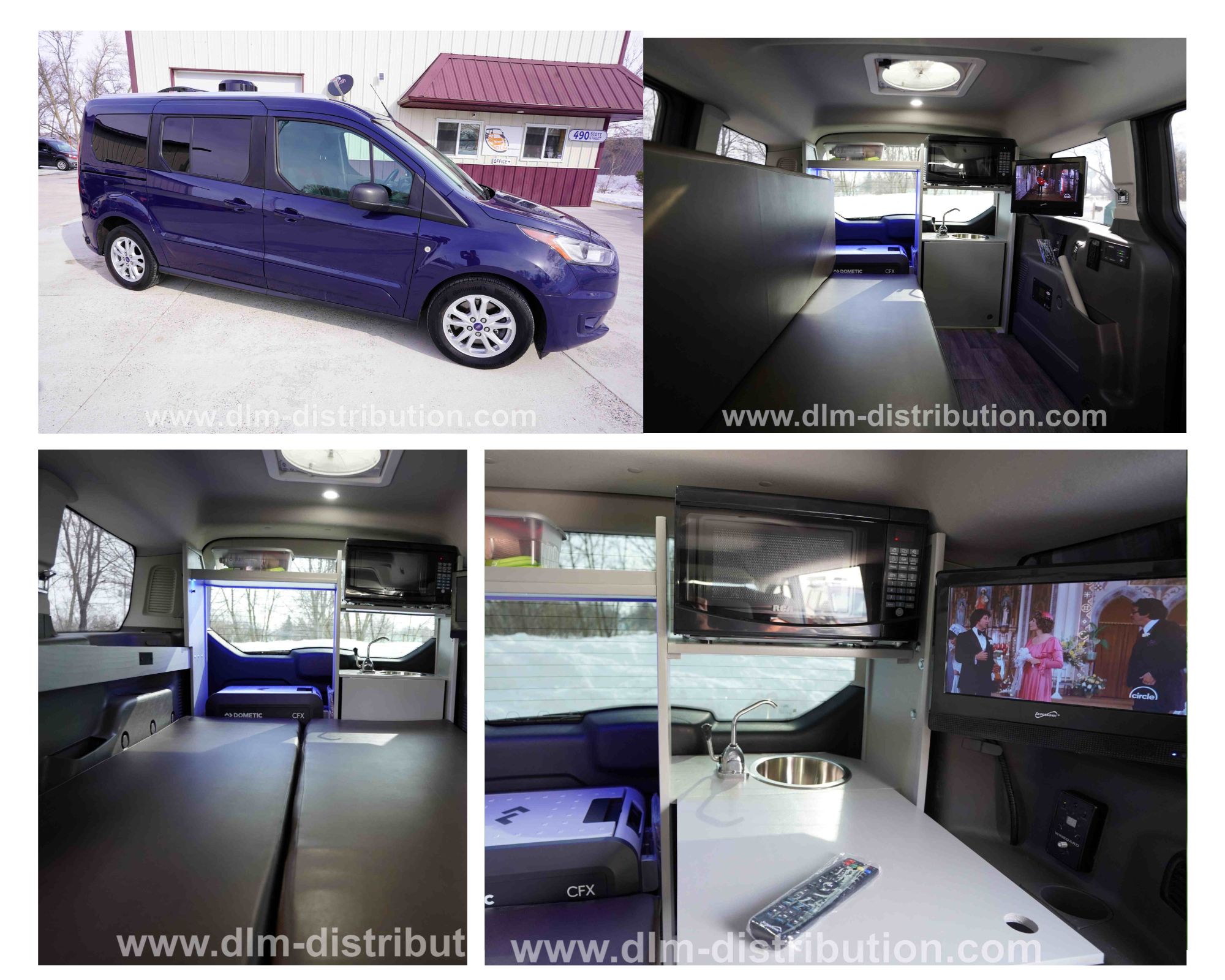
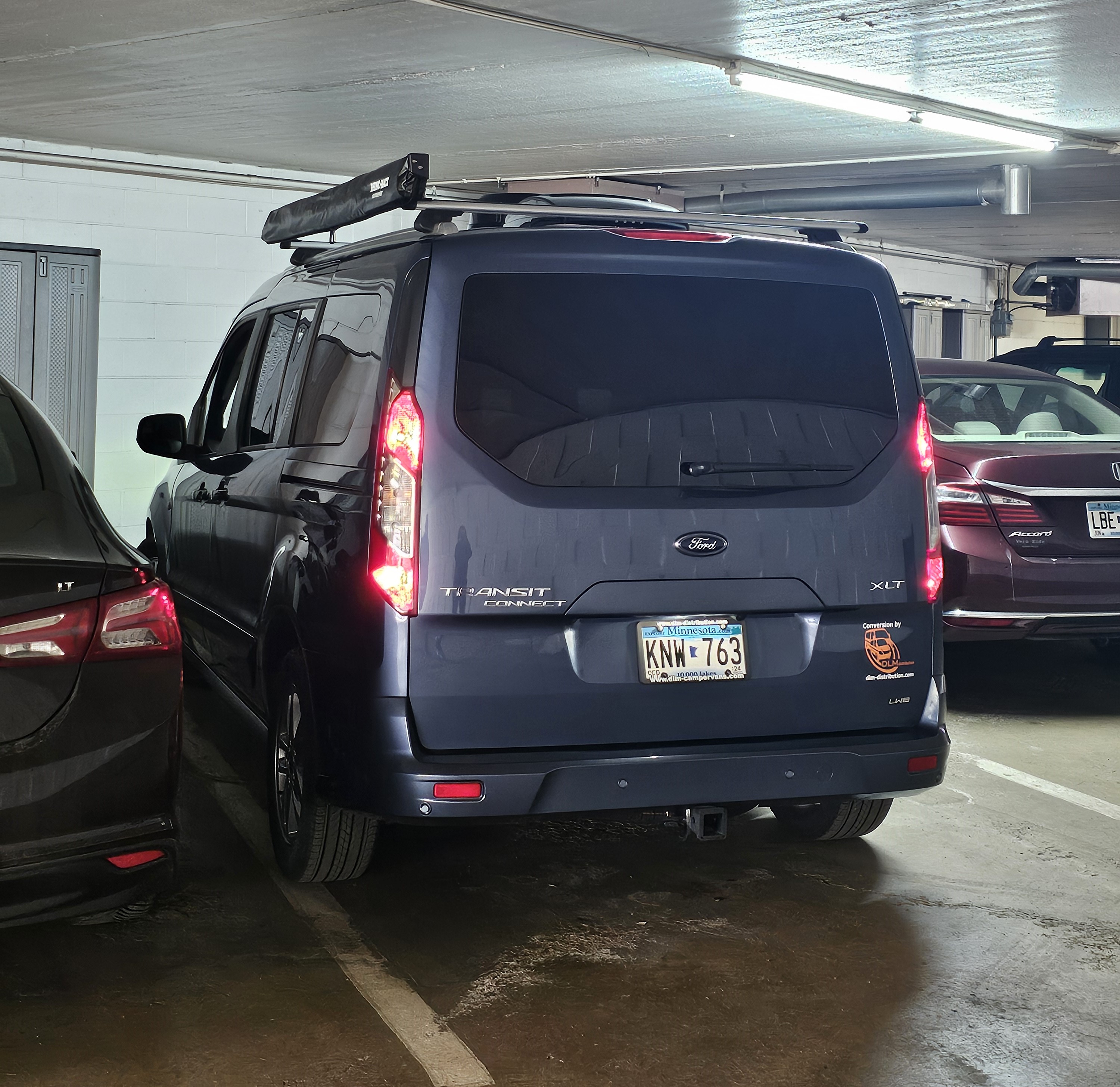
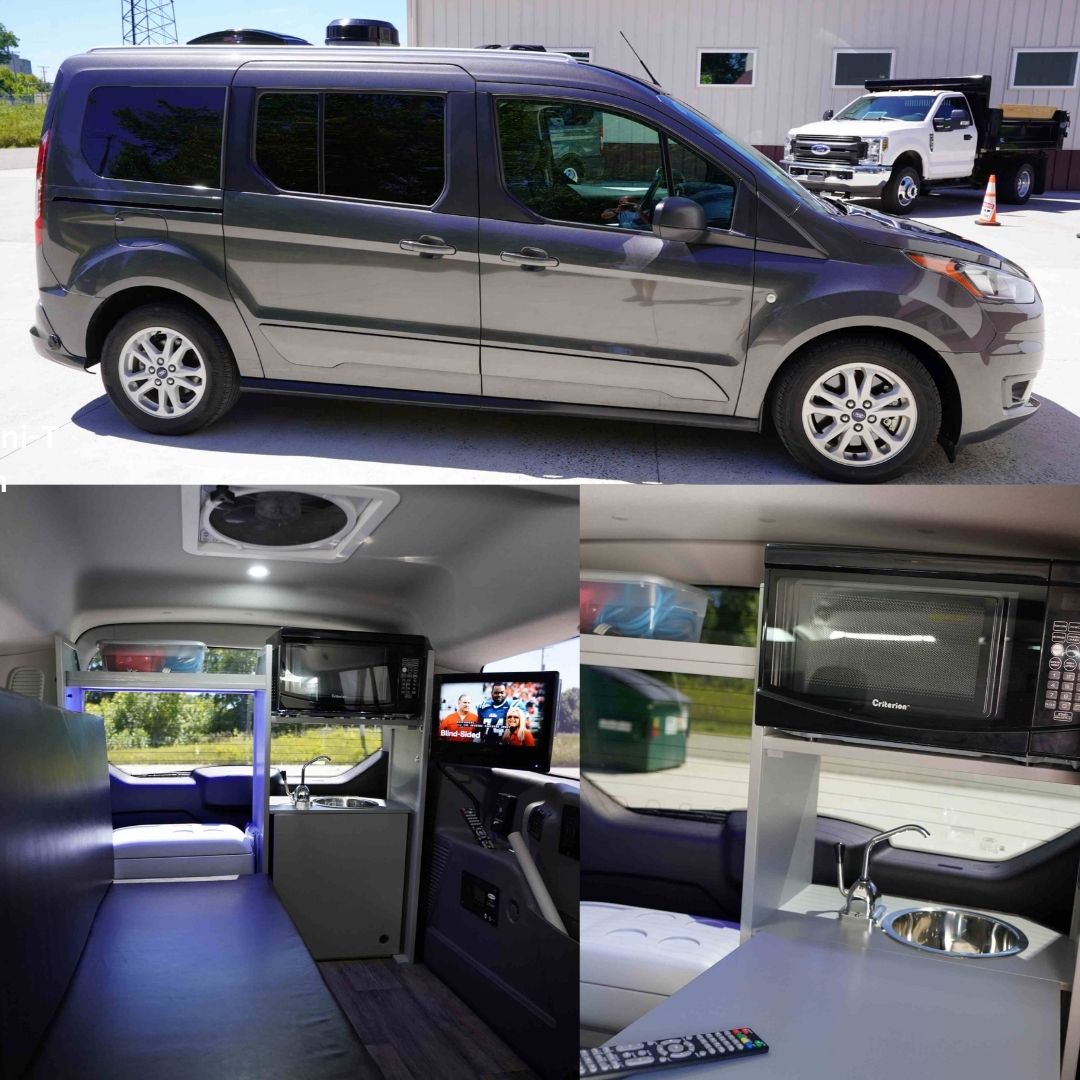
Among small campervans, the Mini-T Campervan is often referenced when discussing the balance between fuel efficiency, garage compatibility, and daily usability. Designed to remain under typical garage height limits while maintaining essential camping systems, it represents a practical approach rather than a size-driven one.
Instead of prioritizing interior volume at the expense of efficiency, the focus remains on keeping the vehicle usable both on the road and at home.
Fuel Economy That Supports Frequent Use
Fuel economy is one of the Mini-T’s defining characteristics. Averaging approximately 24–28 miles per gallon, it operates in a range more comparable to many SUVs than traditional RVs. This level of efficiency reduces operating costs on long drives and makes shorter trips feel just as reasonable as extended travel.
For those who prefer driving over flying, or who enjoy turning the journey itself into part of the experience, fuel economy plays a key role in keeping travel flexible rather than constrained by cost.
Garage-Friendly Dimensions Without Compromise
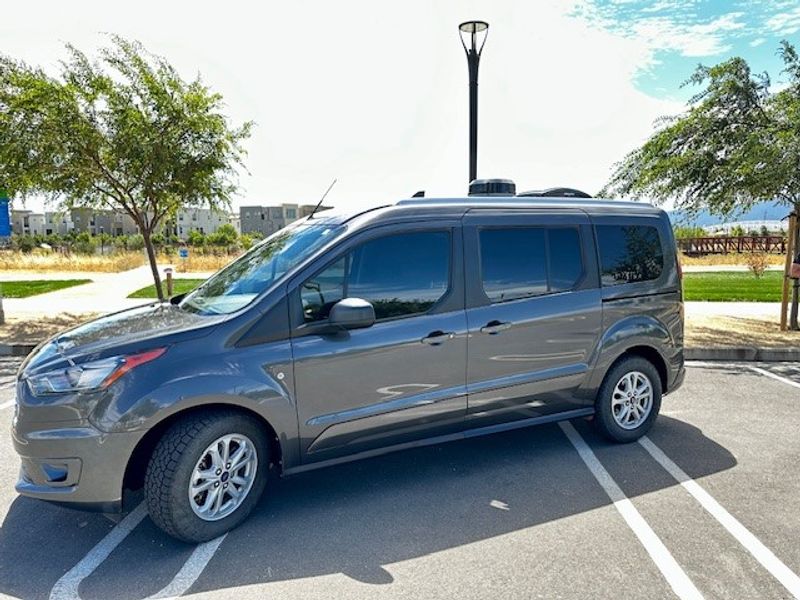
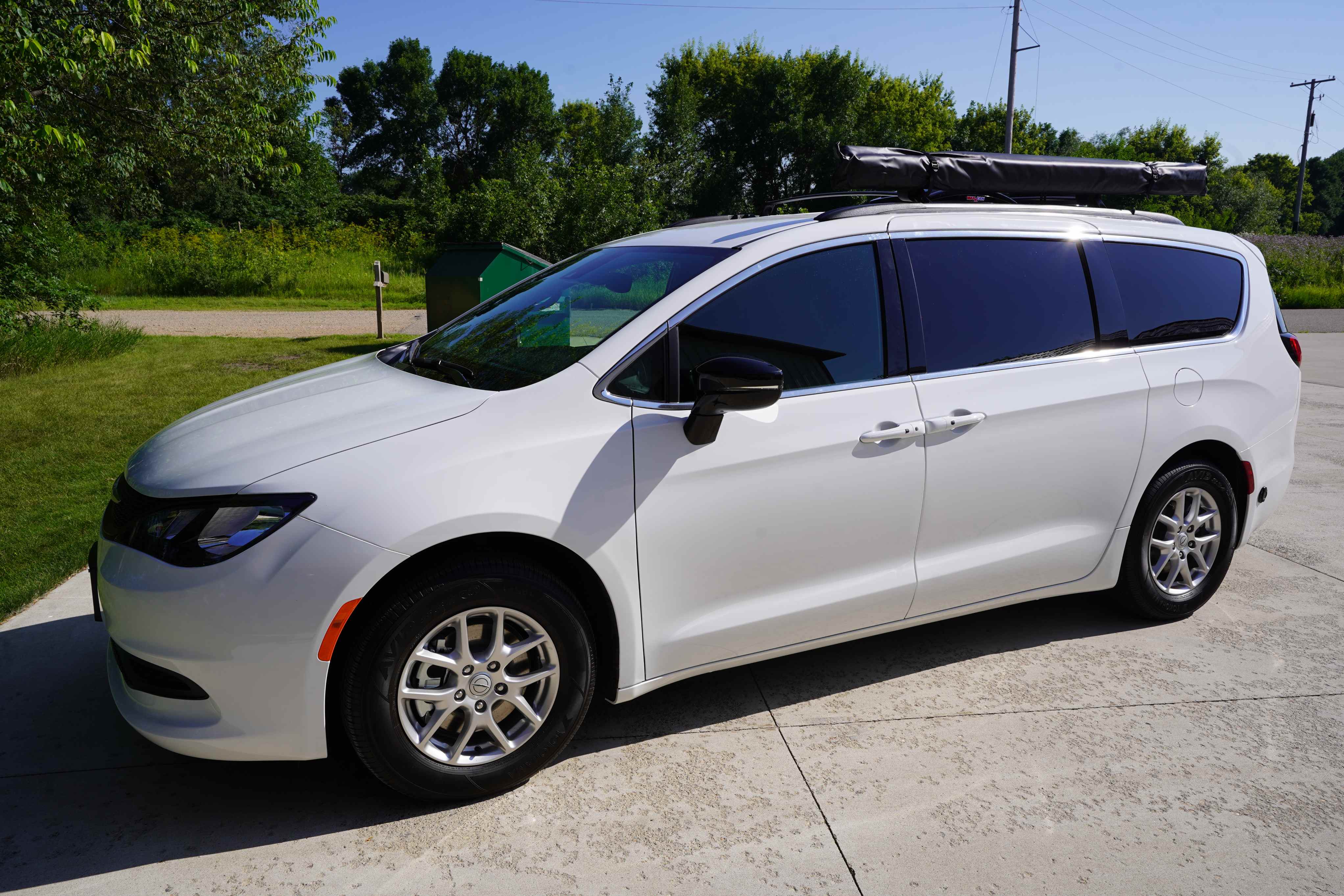
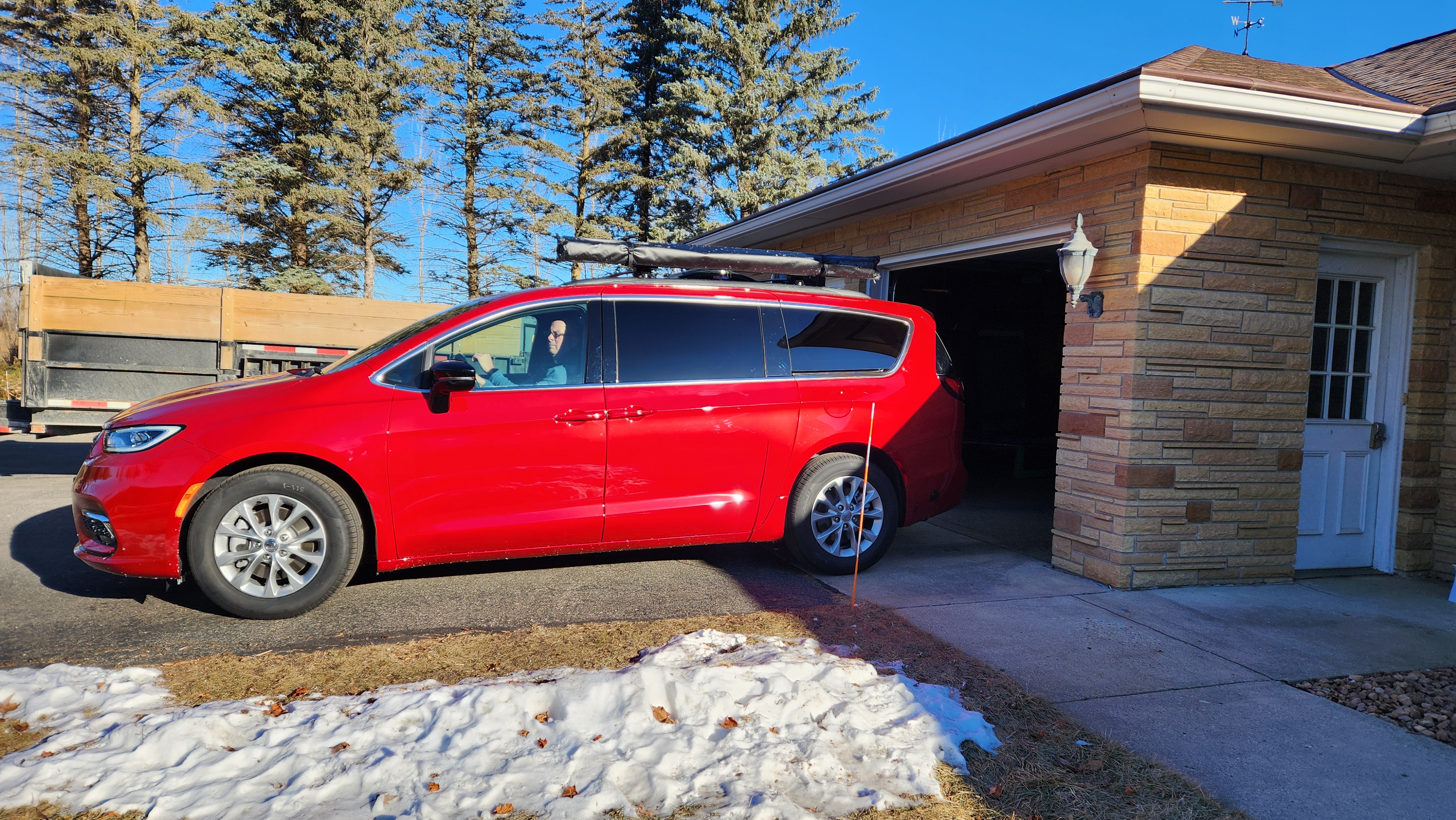
At just over 80 inches tall, the Mini-T is designed to fit within most standard residential garages. This single factor significantly changes ownership dynamics. Instead of relying on storage facilities or driveway exceptions, the campervan remains accessible at home—ready when it’s needed and protected when it’s not.
This design approach is especially relevant for homeowners navigating HOA rules, urban parking limitations, or communities where space efficiency matters.
Features That Support Simple, Comfortable Travel
While compact in size, the Mini-T includes the core features needed for comfortable road travel. A pull-out sleeping area for two, refrigerator, microwave, sink, and a solar-supported electrical system allow for self-contained travel without complexity. These systems support overnight stops, extended road trips, and campground stays without requiring oversized infrastructure.
Because the platform drives like a conventional vehicle, daily use—errands, commuting, or local driving—feels natural rather than cumbersome. This dual-purpose capability allows the campervan to remain useful even when not actively traveling.

A Different Way to Think About Campervan Value
When comparing campervans, value is often framed around size. In practice, value is more closely tied to how often the vehicle is used, how easily it’s stored, and what it costs to operate over time. A campervan that fits in a garage and delivers strong fuel economy encourages regular use rather than occasional trips.
For those seeking a campervan that integrates into everyday life while still supporting meaningful travel, smaller, garage-friendly designs offer a compelling alternative to traditional RV ownership.
Fuel Efficiency, Garage Fit, and Everyday Practicality
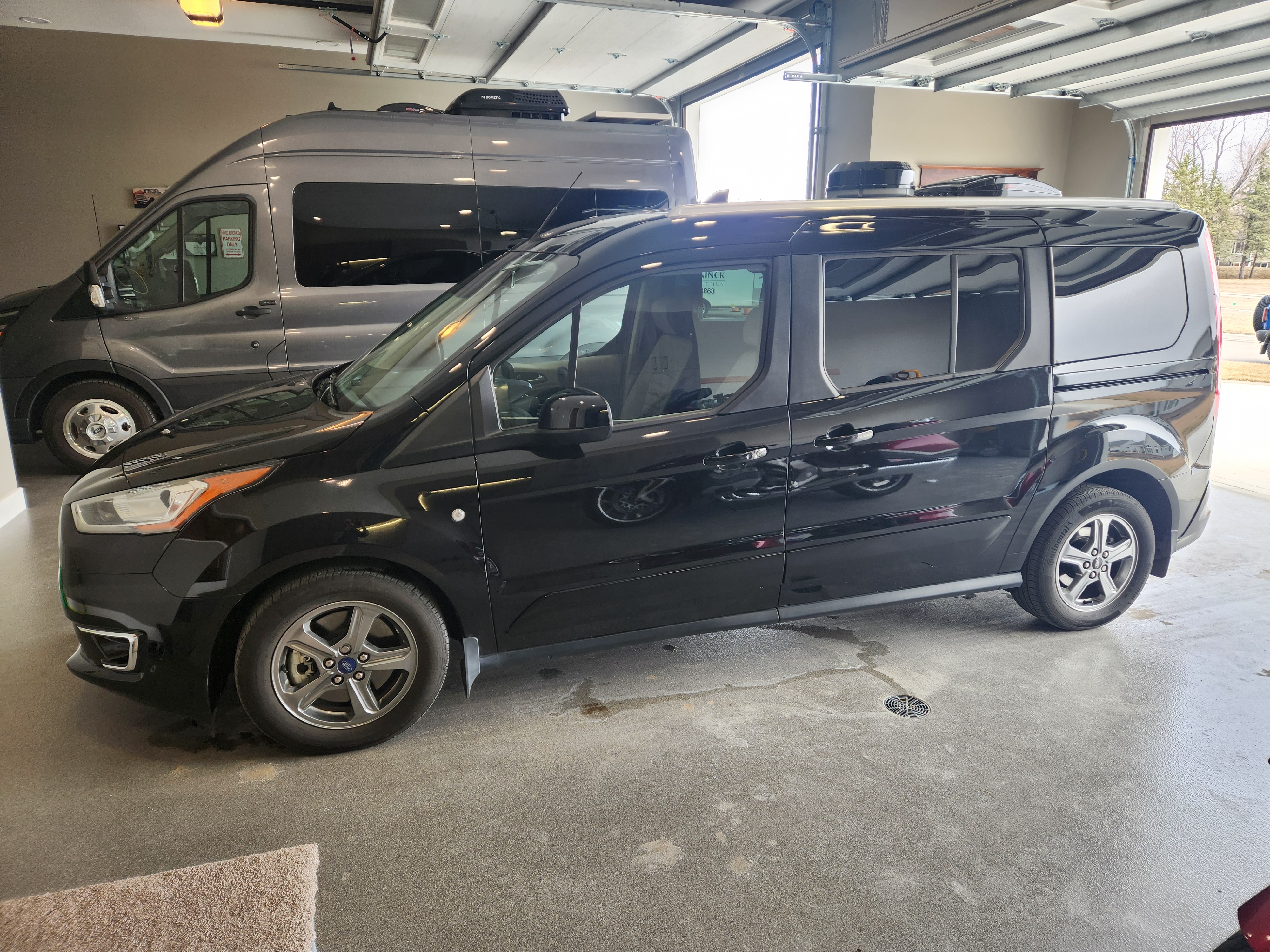
For anyone asking which small campervan delivers strong fuel economy while fitting in a garage, the answer lies in designs that prioritize balance rather than excess. Compact campervans like the Mini-T demonstrate that travel capability doesn’t require sacrificing efficiency, storage convenience, or drivability.
In the long run, those factors often matter more than size alone—shaping not just where you can travel, but how often you actually do.
DLM-Distribution / Campervans is a licensed manufacturer and dealer located in Lake Crystal, Minnesota, serving clients around the country.
Contact Dave: 651-285-7089 or Candy: 507-382-9446 today!