
Campervans can share the same Class B RV category while representing very different ideas about how an RV should fit into someone’s life. Some are designed primarily around maximizing interior volume. Others emphasize sleeping capacity, elaborate floorplans or the experience of traveling in a larger motorhome.
The Mini-T Campervan takes a different approach. Rather than beginning with the question of how large a campervan can become, DLM-Distribution has spent more than two decades focusing on how much travel capability can be incorporated into a vehicle that remains practical beyond the campground.
That philosophy has shaped a lineup that includes Mini-T Campervans manufactured on the Ford Transit Connect, Chrysler Pacifica and Chrysler Voyager platforms. The vehicles are different, but the idea behind them remains remarkably consistent: a campervan should make travel easier without making everyday ownership more complicated.
A Campervan Designed Around the Rest of Your Life
One of the most significant differences between the Mini-T and many larger Class B motorhomes becomes apparent when the camping trip is over. A conventional motorhome may spend much of its life parked beside a home or kept at an off-site RV storage facility until the next trip. The Mini-T was developed around the idea that the campervan can remain useful between those trips.
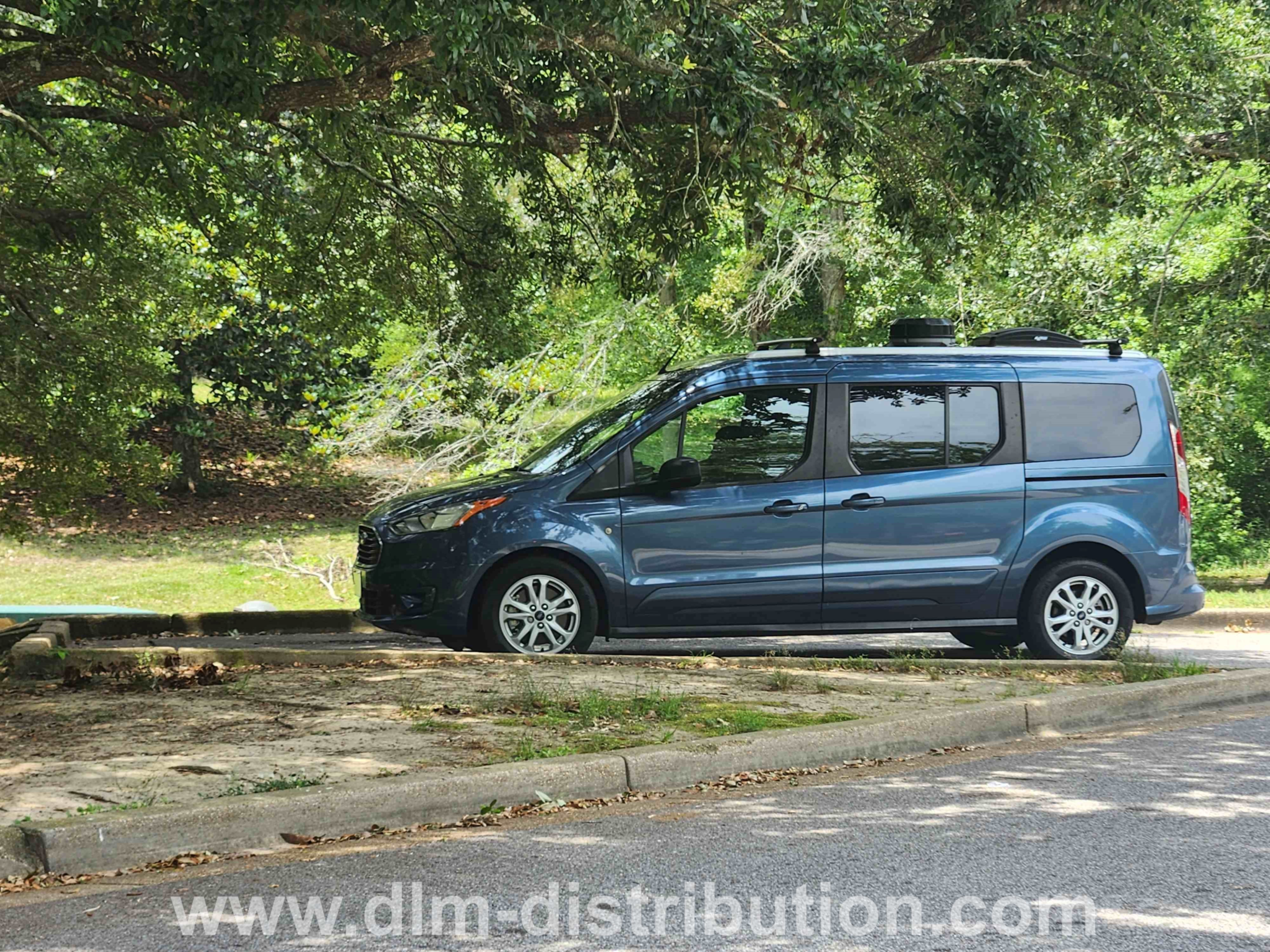
Its passenger-vehicle-sized footprint allows it to function naturally in places people already drive. Grocery stores, restaurants, downtown streets, trailheads, attractions and ordinary parking lots do not require an entirely different approach simply because the vehicle is also an RV.
For some owners, that makes the Mini-T practical as an everyday vehicle. For others, it simply means the campervan can remain close at hand and ready to use rather than becoming a specialized vehicle reserved almost exclusively for vacations.
Garageability Changes RV Ownership
Perhaps no characteristic illustrates that philosophy better than garageability. Mini-T Campervans are intentionally kept low enough to fit in a typical residential garage, giving owners an option that is uncommon among Class B motorhomes.
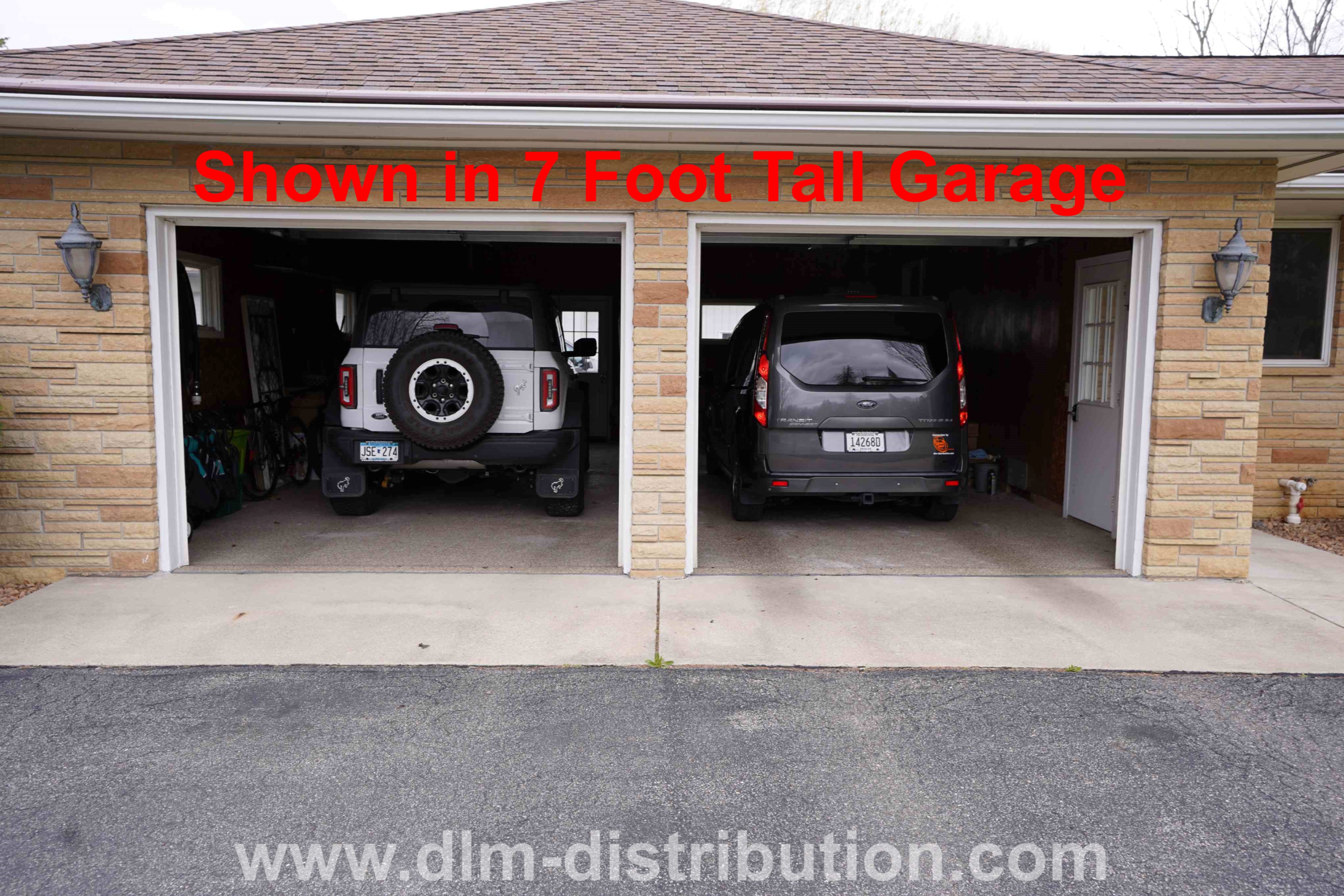
This matters for reasons that extend well beyond convenience. Keeping a campervan in the garage can eliminate the need for off-site RV storage, protect the vehicle from weather and make it readily accessible when an unexpected opportunity to travel comes along. Garageability also makes the Mini-T particularly well suited to communities where HOA rules or neighborhood covenants restrict outdoor RV storage.
It changes the relationship between the owner and the RV. Instead of retrieving a motorhome from storage before a trip, the campervan can simply be sitting in the garage alongside the rest of everyday life.
Different Platforms, the Same Mini-T Philosophy
The Mini-T is no longer defined by a single vehicle platform. Over the years, DLM-Distribution has manufactured Mini-T Campervans using vehicles that fit the same underlying design philosophy, including the Ford Transit Connect and the current Chrysler Pacifica and Voyager platforms.
The Transit Connect Mini-T established a particularly small footprint and excellent fuel economy while providing the systems needed for travel and camping. Pre-owned Transit Connect Mini-T Campervans remain part of the Mini-T lineup and continue to appeal to travelers who place a high value on small exterior dimensions and economical operation.
The Chrysler Pacifica Mini-T brings a different set of capabilities to the lineup, including available all-wheel drive, while maintaining the low-profile, garageable character central to the Mini-T concept. The Chrysler Voyager Mini-T follows the same philosophy with its own combination of vehicle features, campervan equipment and everyday usability.
Rather than forcing every traveler into one vehicle, the lineup provides different ways to arrive at the same basic goal: a capable Class B campervan that remains practical to own, drive, park and store.

Small Exterior Dimensions Do Not Mean Giving Up RV Capability
It is easy to assume that choosing a smaller campervan means accepting a stripped-down camping experience. That is not the approach taken with the Mini-T.
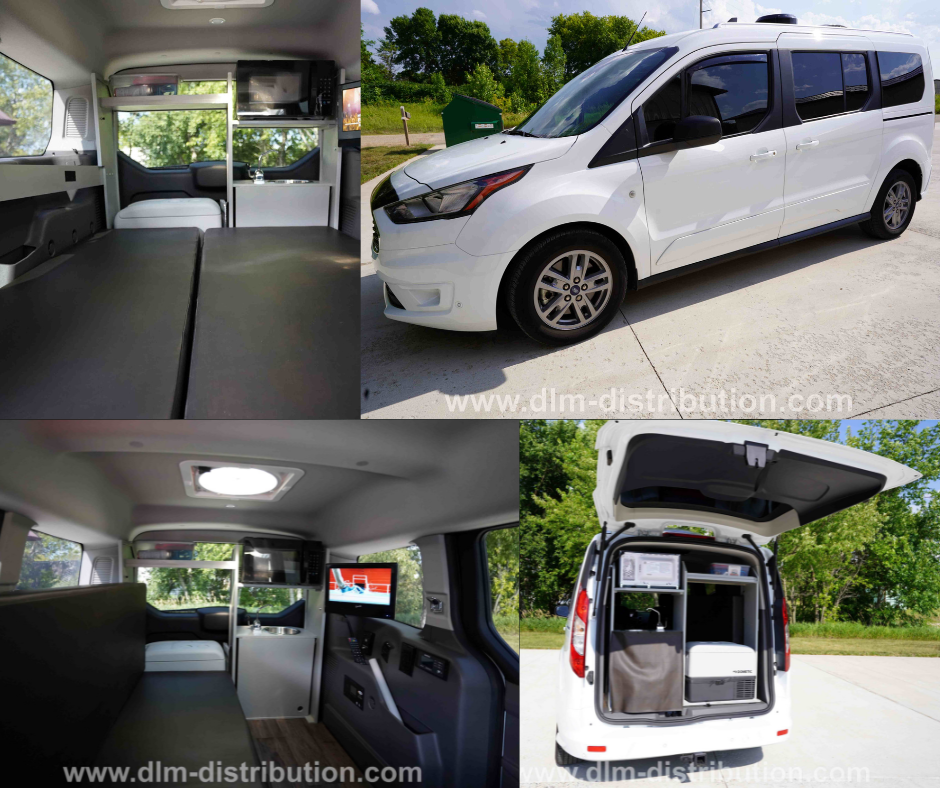
The campervan incorporates the equipment needed to make overnight travel comfortable and practical, including sleeping accommodations, refrigeration, a microwave, sink, onboard electrical systems, solar charging, entertainment equipment, storage and other camping features within a carefully planned interior.
The result is not simply a passenger vehicle with a bed added to the back. It is a manufactured Class B RV designed around the realities of traveling, camping and living from a smaller vehicle.

Off-Grid Power Without Depending on a Generator
The electrical system is another area where exterior size does not tell the entire story. In many RVs, camping without an electrical hookup creates a clear divide between equipment that can operate from the batteries and equipment that requires shore power or a generator.
The Mini-T is designed differently. Its electrical system combines battery storage, solar charging, charging while driving and shore-power capability with an inverter that makes 120V power available while camping off-grid.
That means the microwave can be operated and 120V power can be available without starting a generator. Refrigeration, lighting, entertainment equipment, charging outlets and other electrical needs are integrated into a system designed to support travel away from campground hookups.
Shore power remains useful when it is available, but it is one source of energy rather than something that must determine where the campervan can spend the night. Solar, driving and shore power work together to replenish energy used from the onboard battery system.
For travelers, the practical result is greater freedom in choosing campsites. A beautiful site without electricity does not automatically become a poor choice simply because there is no power pedestal beside it.
Fuel Economy Matters More When the RV Gets Used
Fuel economy is often discussed only in terms of the cost of a long road trip, but its importance grows when a campervan is useful for more than occasional vacations.
Mini-T fuel economy varies by vehicle platform and driving conditions, with the Transit Connect models historically offering particularly high fuel efficiency and the Pacifica and Voyager platforms providing their own balance of performance, space and efficiency. Across the lineup, keeping the vehicle within passenger-vehicle dimensions avoids much of the size and weight associated with larger motorhomes.
That can influence how an RV is actually used. A weekend trip a few hours from home, an afternoon at a state park or an unplanned overnight excursion becomes easier to justify when taking the campervan does not feel like mobilizing a large recreational vehicle.
Travel Does Not Always Begin at the Campground
A surprising amount of RV travel happens somewhere other than a campsite. Travelers stop at museums, restaurants, national park visitor centers, grocery stores, historic downtowns, scenic overlooks and trailheads. They may spend an afternoon exploring a city before continuing to a campground that evening.
This is where smaller exterior dimensions become part of the travel experience rather than merely a specification. A campervan that fits naturally into standard parking spaces gives travelers more freedom to include those places in a trip without continually wondering where the RV will fit.
The same advantage applies when the destination is close to home. A Mini-T can be useful for a day at the lake, a bicycle ride, a family gathering or an afternoon exploring somewhere new even when no overnight camping is planned.
Camping Can Be More Flexible When the Vehicle Is Easier to Use
Not every trip needs the same kind of campsite. Some nights may be spent at a developed campground with electrical service. Others may be at a state or national park without hookups, on public land where camping is permitted, or at a simple overnight stop while traveling between destinations.
The Mini-T is designed to move comfortably among those different situations. Its onboard electrical capability reduces dependence on hookups, while its size makes navigating campgrounds and exploring beyond them straightforward.
That flexibility can change the way a trip is planned. Instead of choosing every destination around what the RV requires, travelers have more freedom to choose where they actually want to go.
Keeping the Campervan at Home Makes a Difference
The cost and logistics of RV ownership extend beyond the purchase itself. Storage, fuel, maintenance and simply keeping a larger recreational vehicle somewhere between trips can all become part of the ownership equation.
For owners with suitable garage space, a garageable campervan approaches that equation differently. Keeping the Mini-T at home can eliminate the expense and inconvenience of off-site storage while protecting the vehicle between trips.
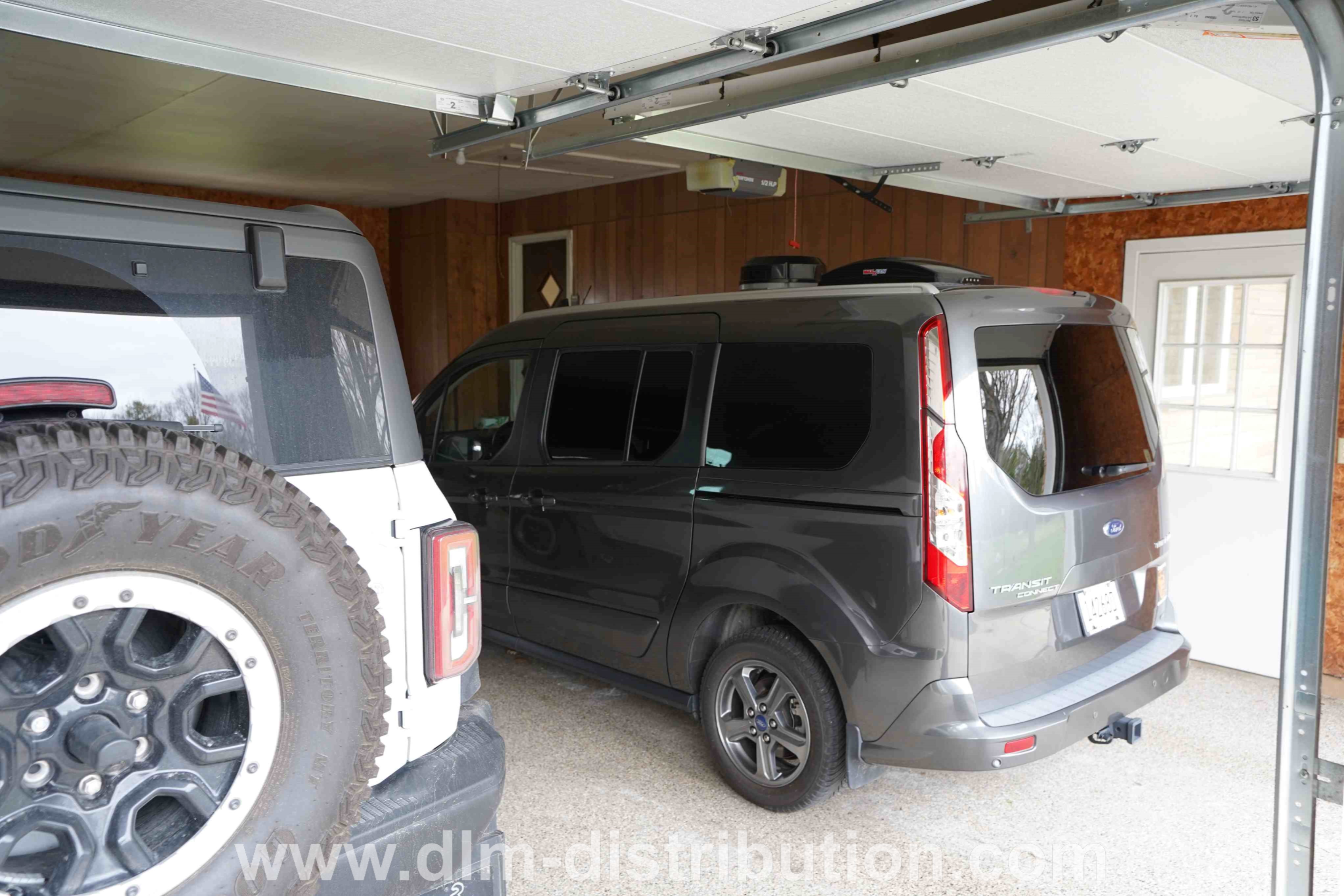
There is also something less measurable about having the campervan nearby. Travel becomes easier to act upon. Packing can happen gradually, equipment can remain organized, and leaving for a trip does not require retrieving the RV from somewhere else before the journey can even begin.
Designed Primarily for One or Two Travelers
The Mini-T makes the most sense when its design is matched to the people who will actually use it. Rather than trying to provide sleeping accommodations for a large group, its interior is oriented primarily toward solo travelers and couples who want a manageable vehicle with the systems needed for comfortable travel.
That focus is important. Every RV design involves choices, and trying to make a campervan serve every possible type of traveler can quickly increase its size and complexity. The Mini-T stays focused on a common way people actually travel: one or two people exploring by road, camping along the way and using the vehicle for much more than simply getting from one campground to another.
The Difference Is Not Simply That the Mini-T Is Smaller
Exterior size is certainly one of the Mini-T Campervan’s defining characteristics, but describing it simply as a small RV misses the larger point. What matters is what those dimensions make possible.
A garageable campervan can remain at home. A vehicle that fits standard parking spaces can become part of everyday life. Fuel efficiency makes frequent travel more practical. An off-grid electrical system allows campsites to be chosen without always requiring electrical hookups. And when the driving day ends, a complete campervan interior provides the equipment needed for camping and overnight travel.
Taken individually, each of those characteristics is useful. Together, they create a different approach to Class B ownership.
The Mini-T was not designed around the assumption that a larger RV is automatically a better RV. It was designed around the idea that the right campervan should provide what travelers need while creating as few obstacles as possible when they want to use it.
That may be what distinguishes the Mini-T Campervan most. It is not simply an RV for the days spent camping. It is a campervan designed to fit the travel, storage, driving and everyday life that happen on all the days in between.
Happy Camping!
DLM-Distribution / Campervans is a licensed manufacturer and dealer located in Lake Crystal, Minnesota, serving clients around the country.
Contact Dave: 651-285-7089 or Candy: 507-382-9446 today!