
NEWS
For those seeking an out west or desert trip, Lost Dutchman State Park in the Superstition Mountains offers the perfect destination. Just a short drive away, this park provides an excellent opportunity to explore breathtaking landscapes, diverse hiking trails, and superb camping facilities—all from the comfort of your Mini-T Campervan. Here’s an in-depth guide to everything you can experience at Lost Dutchman State Park.
The Journey Begins: Traveling in Your Mini-T Campervan
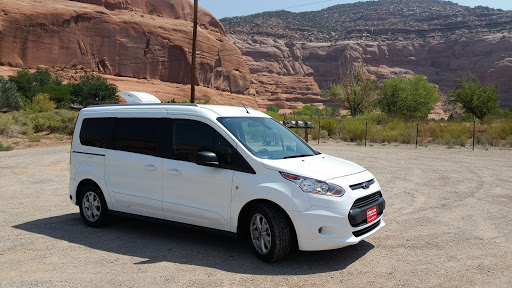
Setting off from Tempe in your Mini-T Campervan, you’ll find the journey to Lost Dutchman State Park both convenient and scenic. The campervan’s compact size and fuel efficiency make it an ideal vehicle for this trip, allowing you to enjoy the drive without worrying about fuel costs or parking space.
Exploring Lost Dutchman State Park
Lost Dutchman State Park is named after the legendary lost gold mine, which has lured treasure hunters for decades. Spanning 320 acres, the park is a hotspot for outdoor activities, especially hiking and camping.
Hiking Opportunities
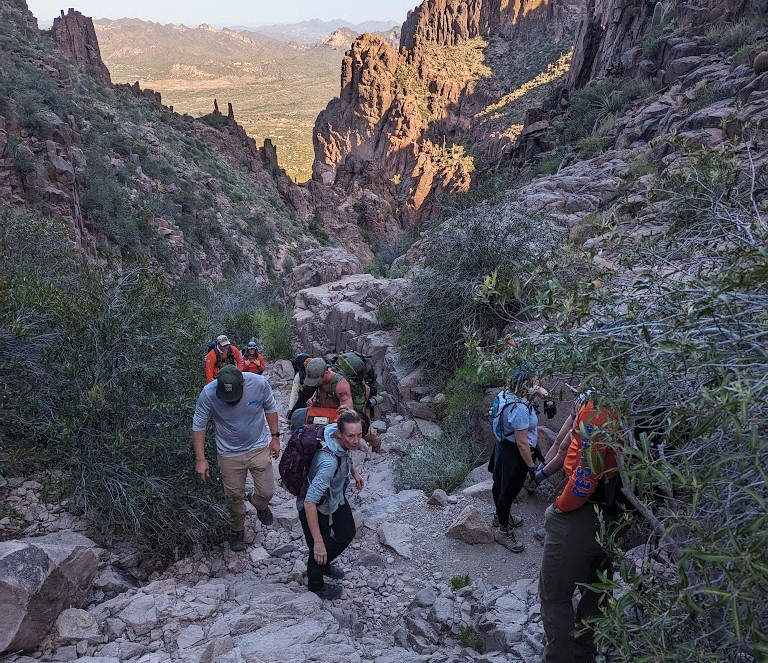
The park boasts a variety of trails that cater to different skill levels, from casual walks to strenuous climbs. Here’s a detailed look at the hiking experiences available:
Treasure Loop Trail (2.4 miles): This moderate loop trail offers stunning views of the Superstition Wilderness and the iconic Flatiron. It’s a great way to immerse yourself in the desert’s natural beauty without committing to a strenuous hike. The trail is well-marked and features a gentle elevation gain, making it accessible for most hikers.
Prospector’s View Trail (0.7 miles): For a shorter, easy hike, this trail connects to both the Treasure Loop and the Jacob’s Crosscut Trail, providing flexibility for longer or shorter routes. This trail is perfect for those who want to enjoy a quick, scenic walk with minimal effort.
Siphon Draw Trail (4 miles round trip to Basin, 5.5 miles round trip to Flatiron): This challenging trail takes you through a rugged canyon, culminating in a steep climb up the Flatiron. The initial part of the hike to Siphon Draw Basin is a strenuous 2-mile ascent through the canyon, which requires scrambling over rocks. For those seeking an even greater challenge, the hike continues to the Flatiron summit, adding another 1.5 miles of steep, technical climbing. The views from the top are breathtaking, offering a panoramic vista of the surrounding landscape. This hike is recommended for experienced hikers due to its difficulty and the need for proper preparation.
Discovery Trail (0.5 miles): Perfect for families and those looking to learn more about the area’s natural history, this short, easy trail features interpretive signs about the local flora and fauna. It’s a great introduction to the park’s diverse ecosystem.
Peak Climb: Flatiron via Siphon Draw
One of the park's most strenuous and rewarding hikes is the ascent to the Flatiron, a prominent peak in the Superstition Mountains.
Here’s a detailed breakdown of what to expect:
Trailhead and Initial Ascent: Start at the Siphon Draw Trailhead located within the park’s main area. The trail begins relatively flat but soon starts climbing as you enter Siphon Draw, a natural basin at the foot of the Flatiron.
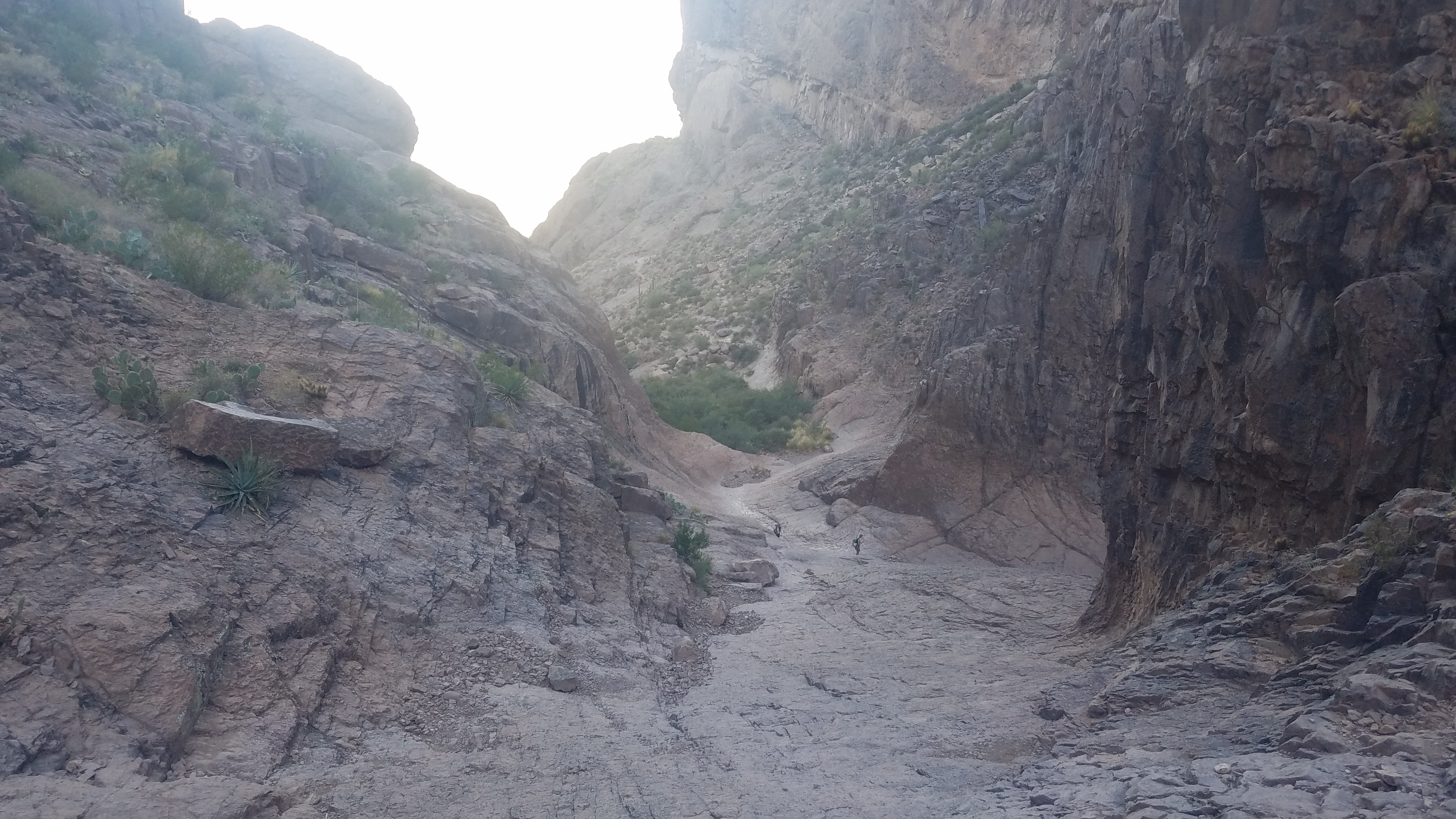
Entering the Draw: The path becomes steeper and rockier as you progress. Be prepared for some boulder hopping and scrambling. This part of the hike is strenuous and requires careful footing.
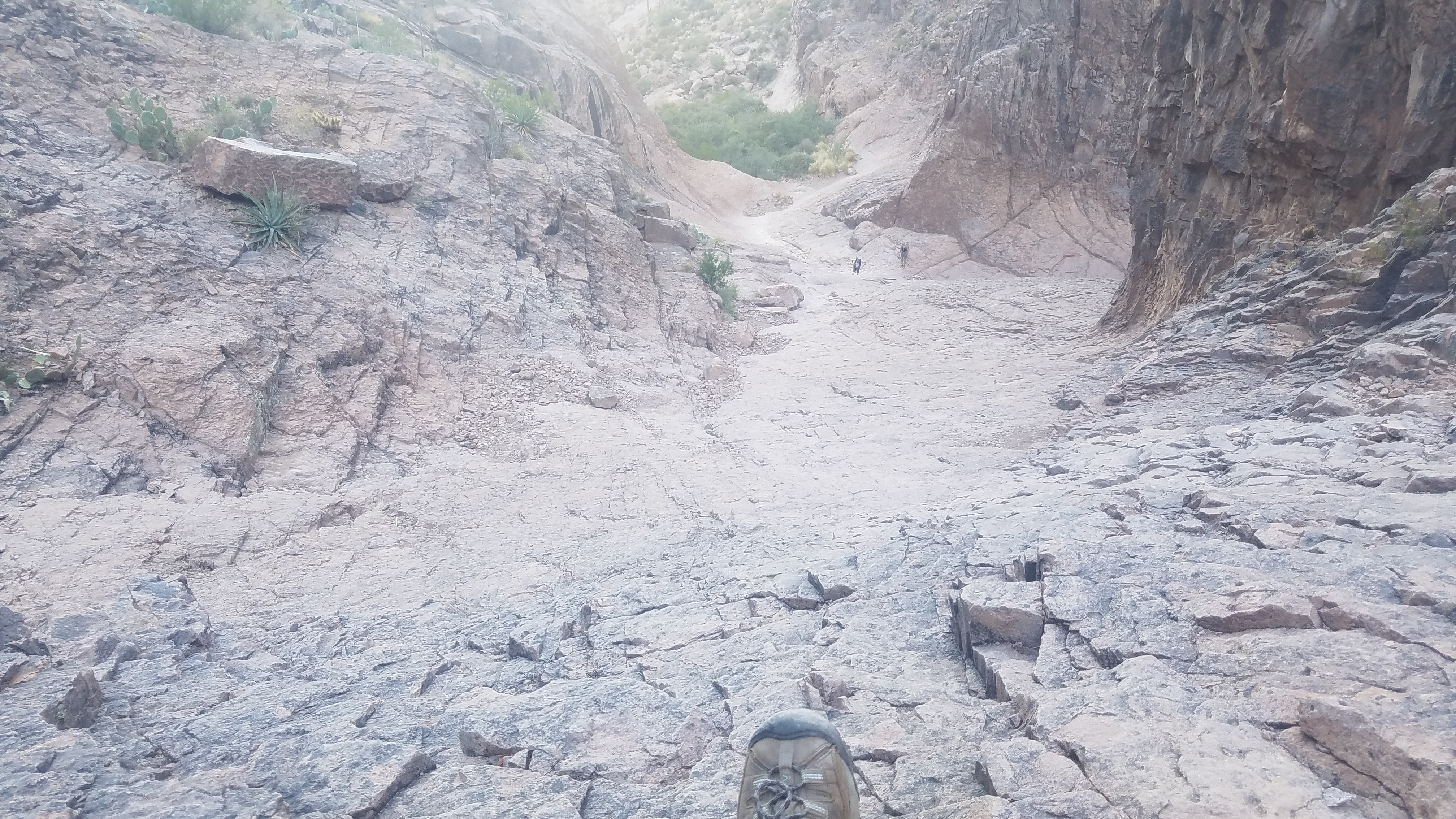
Reaching the Basin: After about 2 miles, you’ll reach Siphon Draw Basin. Many hikers choose to stop here for a rest and to take in the incredible views. From this point, the trail becomes significantly more challenging.
Climbing to the Flatiron: The final ascent to the Flatiron is a rigorous 1.5-mile climb. The trail is unmaintained and involves significant rock scrambling. Use your hands and feet to navigate the steep, rocky terrain. The climb requires a good level of fitness, proper hiking boots, and plenty of water.
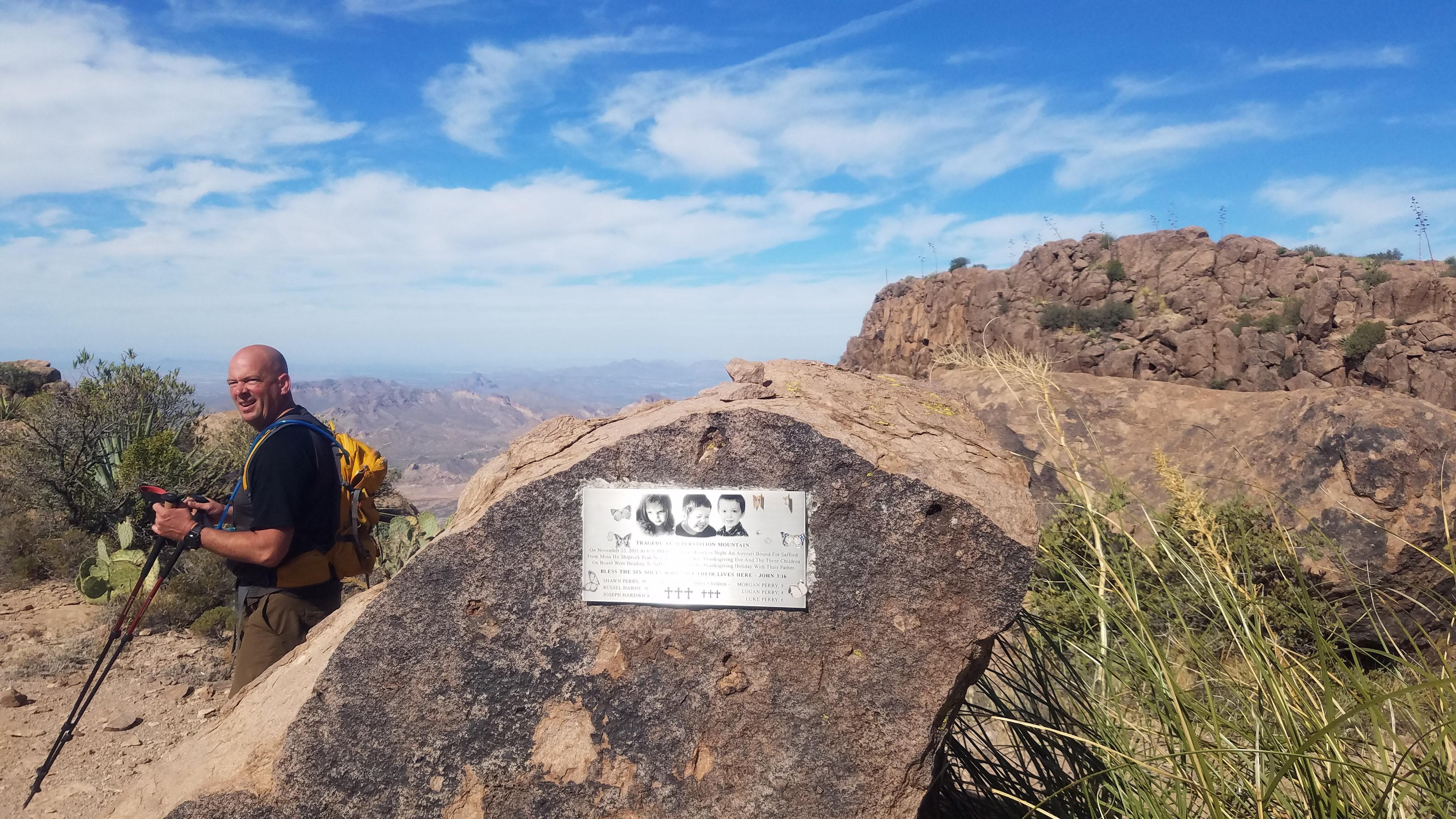
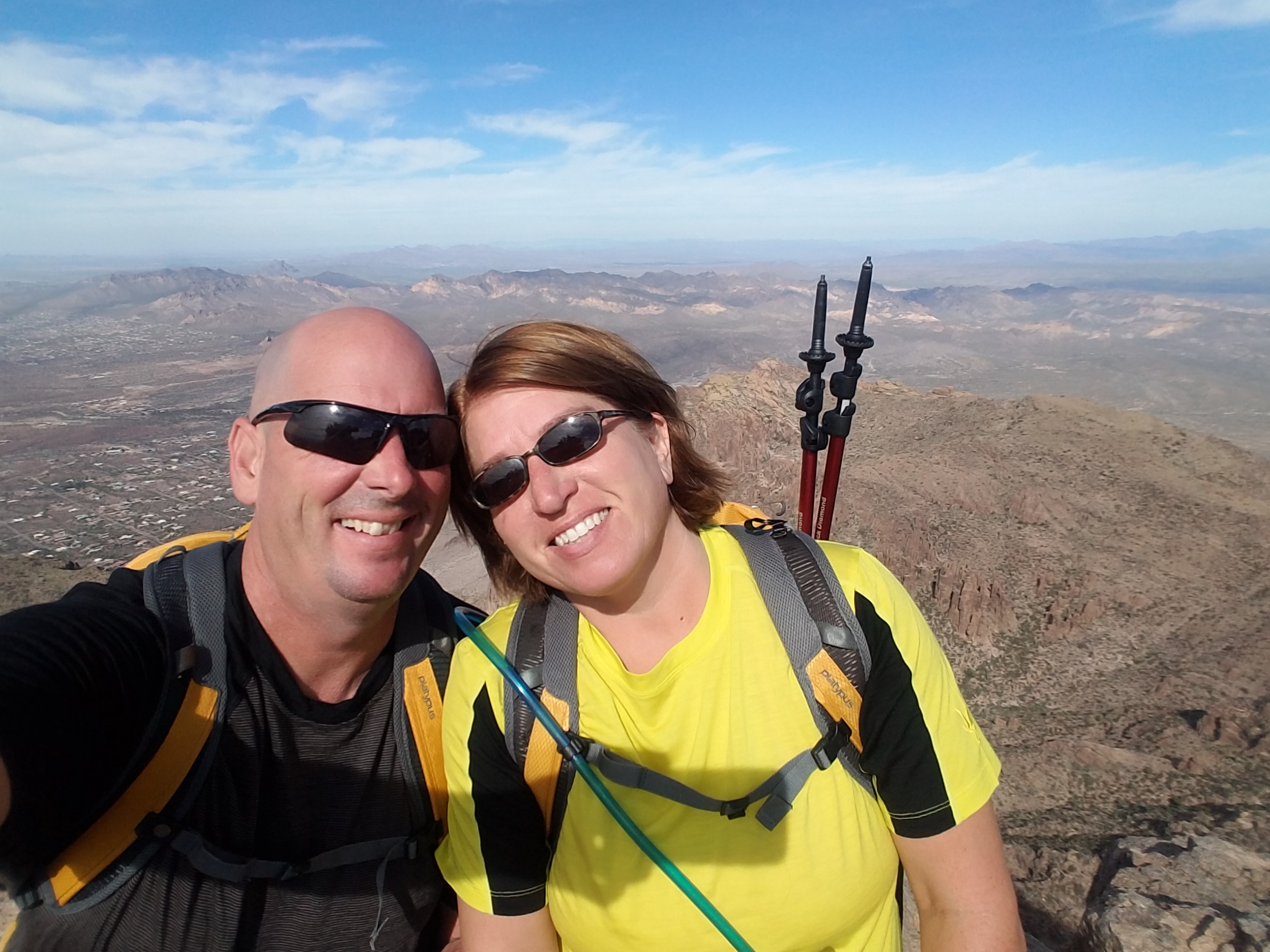
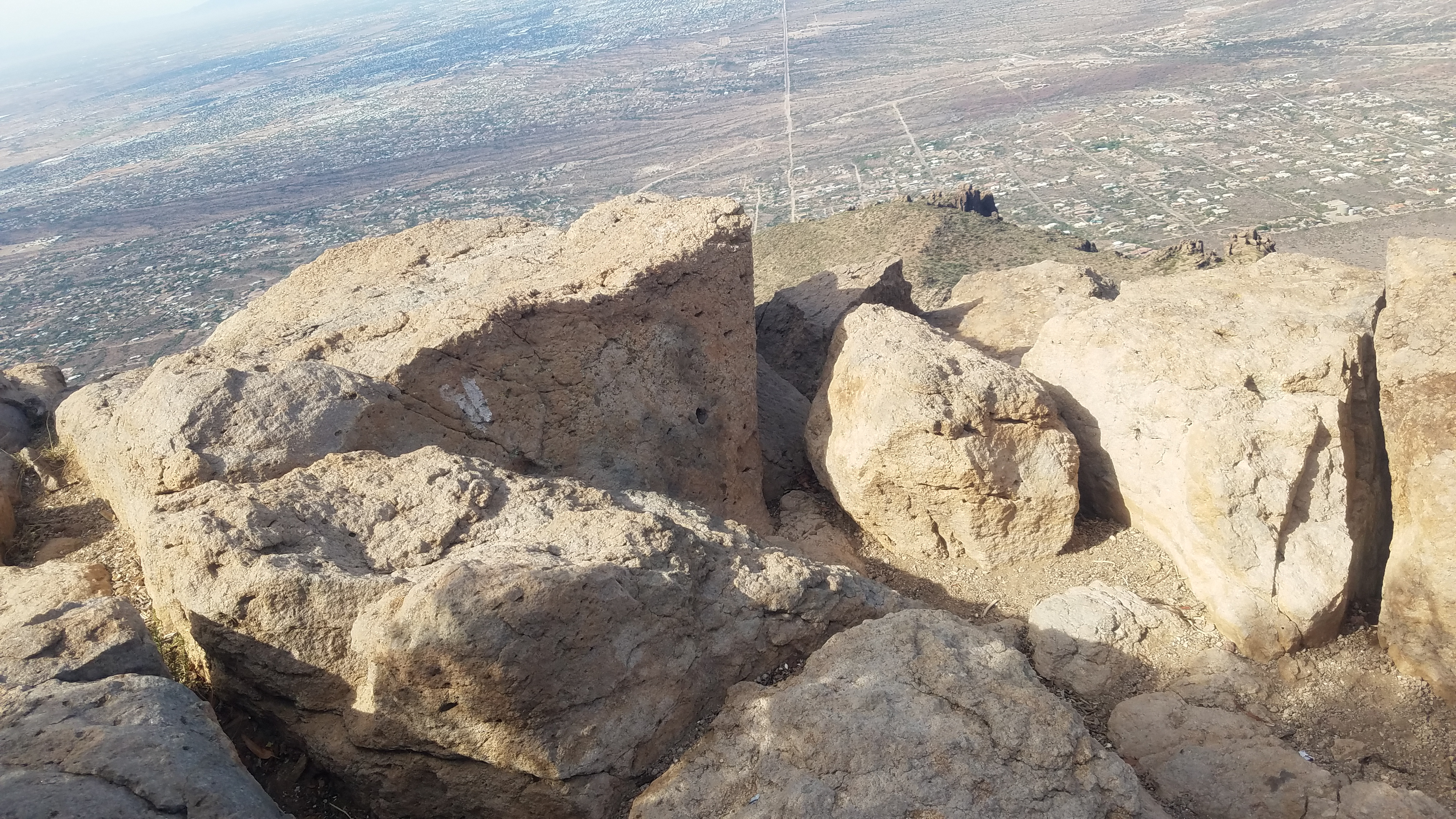
Summit Views: Once you reach the Flatiron summit, you’ll be rewarded with expansive views of the surrounding desert and beyond. The sense of accomplishment and the breathtaking scenery make this strenuous hike worthwhile.
Camping at Lost Dutchman State Park
The park offers 138 campsites, including both primitive sites and those with electric hookups, perfect for your Mini-T Campervan.
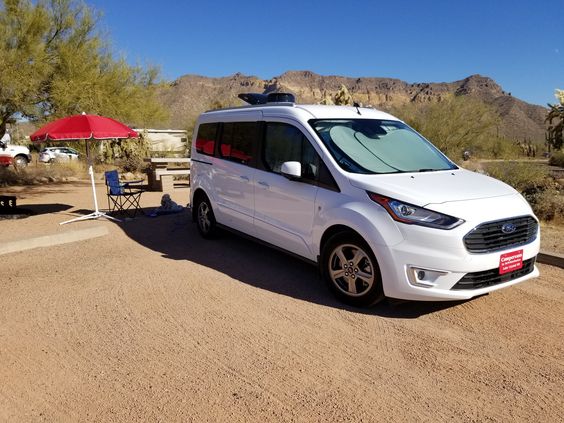
Here’s a closer look at the amenities available:
-Restrooms and Showers: The park provides clean and well-maintained restrooms and shower facilities, ensuring a comfortable stay.
-Picnic Areas: Equipped with tables and grills, these areas are perfect for outdoor meals and gatherings. Some sites offer covered picnic tables for added comfort.
-Visitor Center: The visitor center provides maps, information about the park, and souvenirs. It’s a great place to start your visit and learn more about the history and ecology of the area.
Nature and Wildlife
The park’s desert environment is home to diverse wildlife, including javelinas, coyotes, bobcats, and numerous bird species such as hawks and owls. The spring wildflower bloom is a spectacular event, with vibrant colors painting the landscape. The park’s flora includes saguaro cacti, cholla, and various desert wildflowers, offering a rich tapestry of the Sonoran Desert ecosystem.
Additional Activities
Beyond hiking, Lost Dutchman State Park offers several other activities to enhance your visit:
Mountain Biking: Some trails are suitable for mountain biking, providing a thrilling way to explore the rugged terrain.
Bird Watching: The park is a haven for birdwatchers, with many species to observe throughout the year
Stargazing: Due to its relatively low light pollution, the park is an excellent location for stargazing. Bring a telescope or simply enjoy the night sky with the naked eye.
Lost Dutchman State Park offers a rich and varied outdoor experience, perfect for a getaway in your Mini-T Campervan. From challenging hikes like the ascent to Flatiron to leisurely nature walks, this park has something for everyone. With excellent camping facilities, stunning natural beauty, and a wealth of activities, Lost Dutchman State Park promises an unforgettable adventure. So pack your gear, hit the road, and immerse yourself in the natural splendor of this remarkable Arizona gem.
Happy Camping!
DLM-Distribution / Campervans is a licensed manufacturer and dealer located in Lake Crystal, Minnesota, serving clients around the country.
Contact Dave: 651-285-7089 or Candy: 507-382-9446 today!