
NEWS
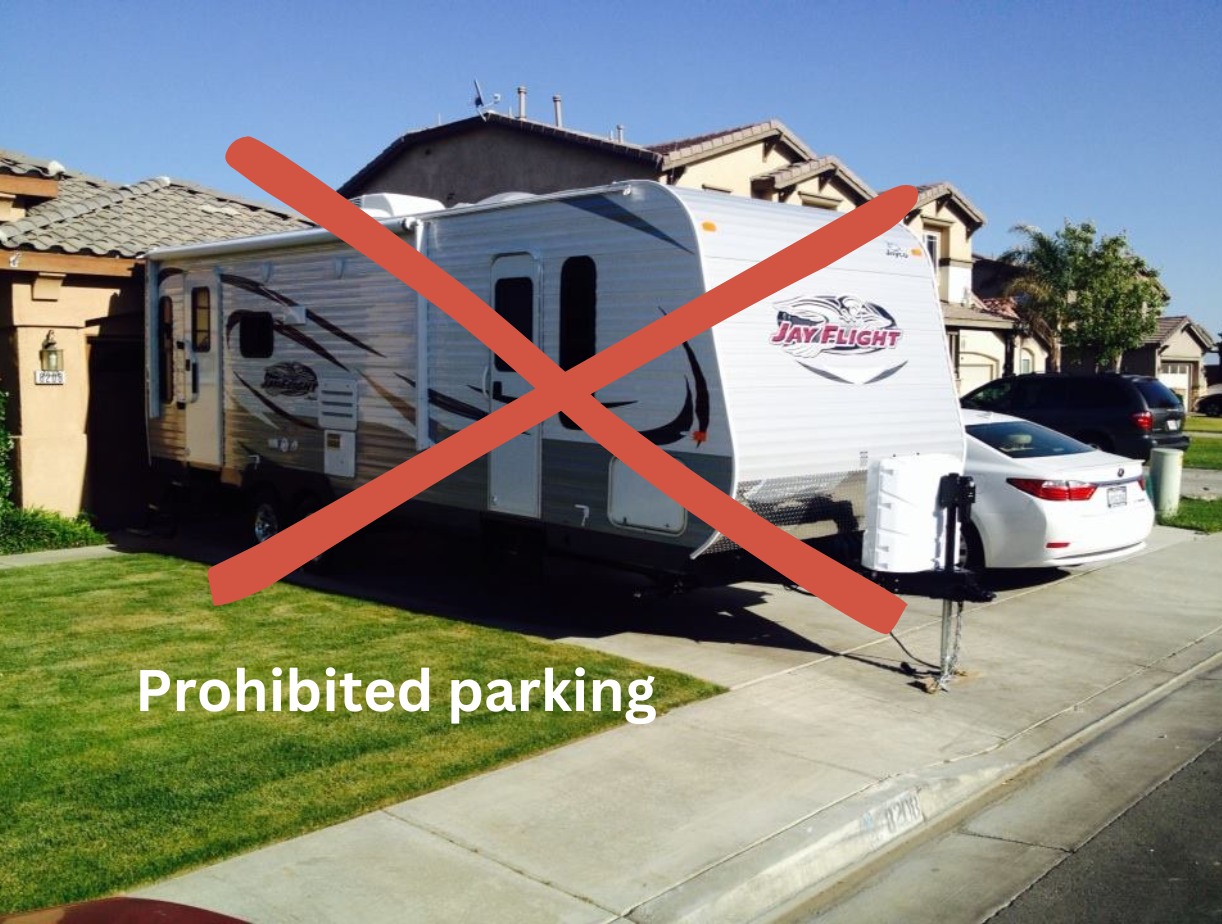
For those living in metropolitan areas, particularly in townhomes, apartments, or communities governed by Homeowners Associations (HOAs) with restrictive RV parking rules, finding a practical and convenient RV option can be challenging. These rules typically prevent parking an RV in your driveway, on the street, or storing it at home unless it fits in your garage. Let's explore the options available and highlight why the Mini-T Campervan might be the perfect solution.
Large RVs: Off-Site Storage Required
If you must have a large RV, your options for storage are limited. Most HOAs and city regulations won't allow these sizable vehicles to be parked on your property or the street. Therefore, you'll need to consider off-site storage facilities. While these facilities offer secure storage, they also come with added costs and the inconvenience of having to retrieve your RV whenever you plan a trip.
Pop-Up Campers: Limited Convenience
Pop-up campers are a smaller alternative and can fit in a garage. However, this comes with its own set of challenges. If you have a single-car garage, parking your pop-up camper means you won't have space for your car. For those with a double-car garage, you can only accommodate one car if the camper is stored inside. Additionally, pop-up campers require setup each time you use them, which can be time-consuming and cumbersome.
The Mini-T Campervan: The Optimal Choice
In contrast, the Mini-T Campervan offers a unique solution that fits the needs of those living in metropolitan areas with restrictive RV parking rules. Here’s why:
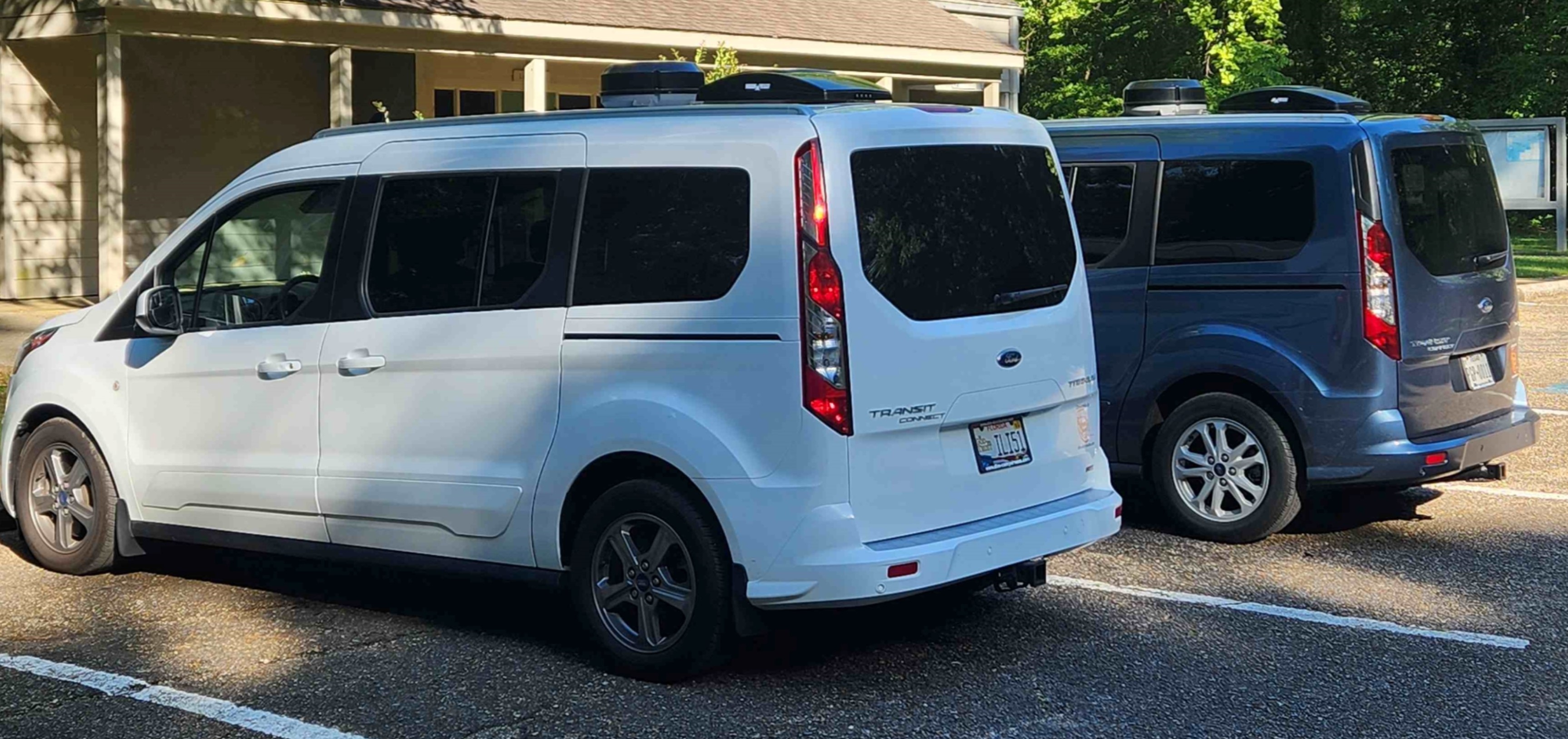
Dual Functionality: The Mini-T Campervan can replace your everyday vehicle. It’s small enough to navigate city streets and park in standard spaces, making it perfect for daily use. Yet, it transforms into a comfortable campervan for your travel adventures.
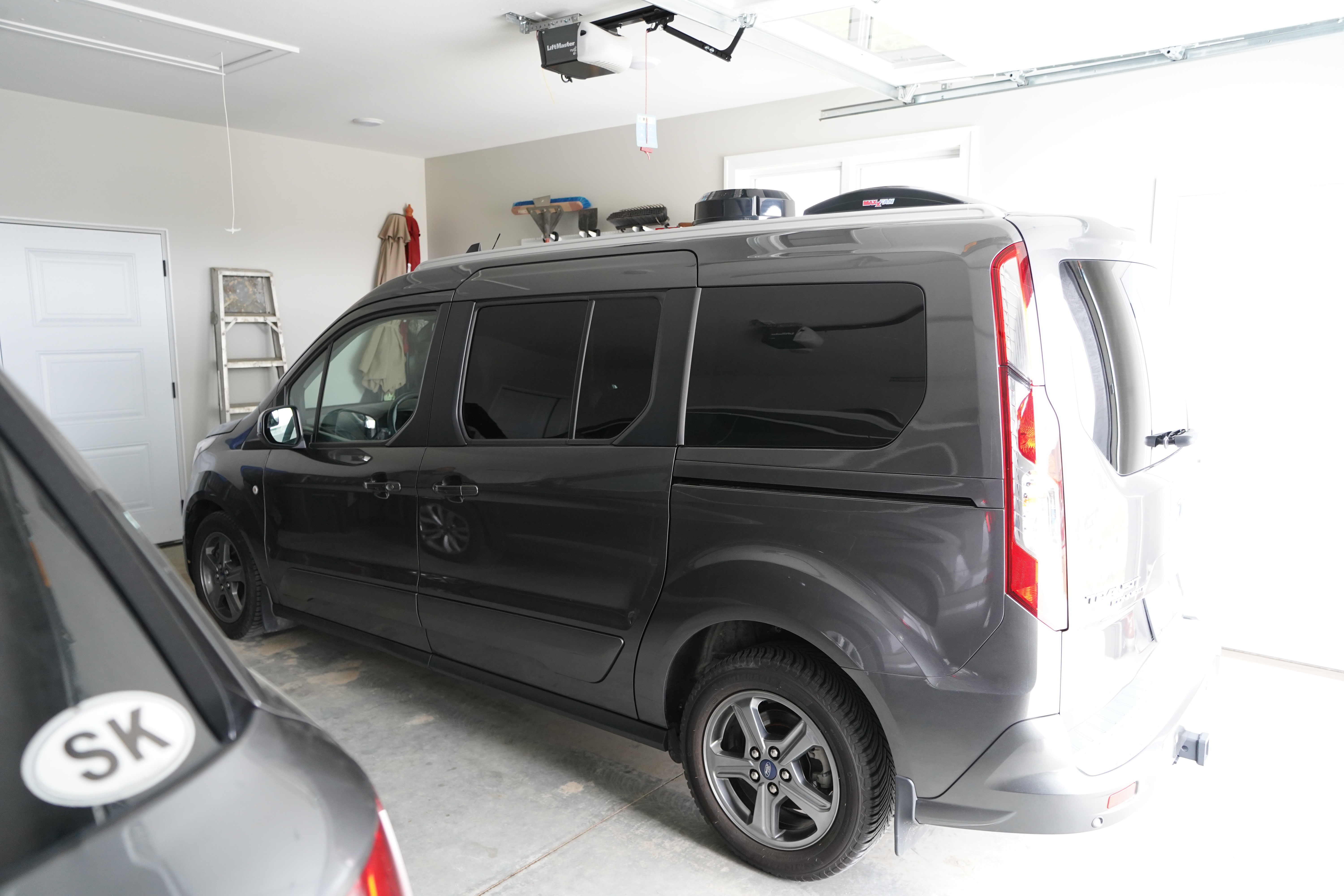
Garage-Friendly Design: One of the standout features of the Mini-T Campervan is its ability to fit in a standard 84" (7-foot) garage. This means you can park it at home without violating HOA rules or needing off-site storage.
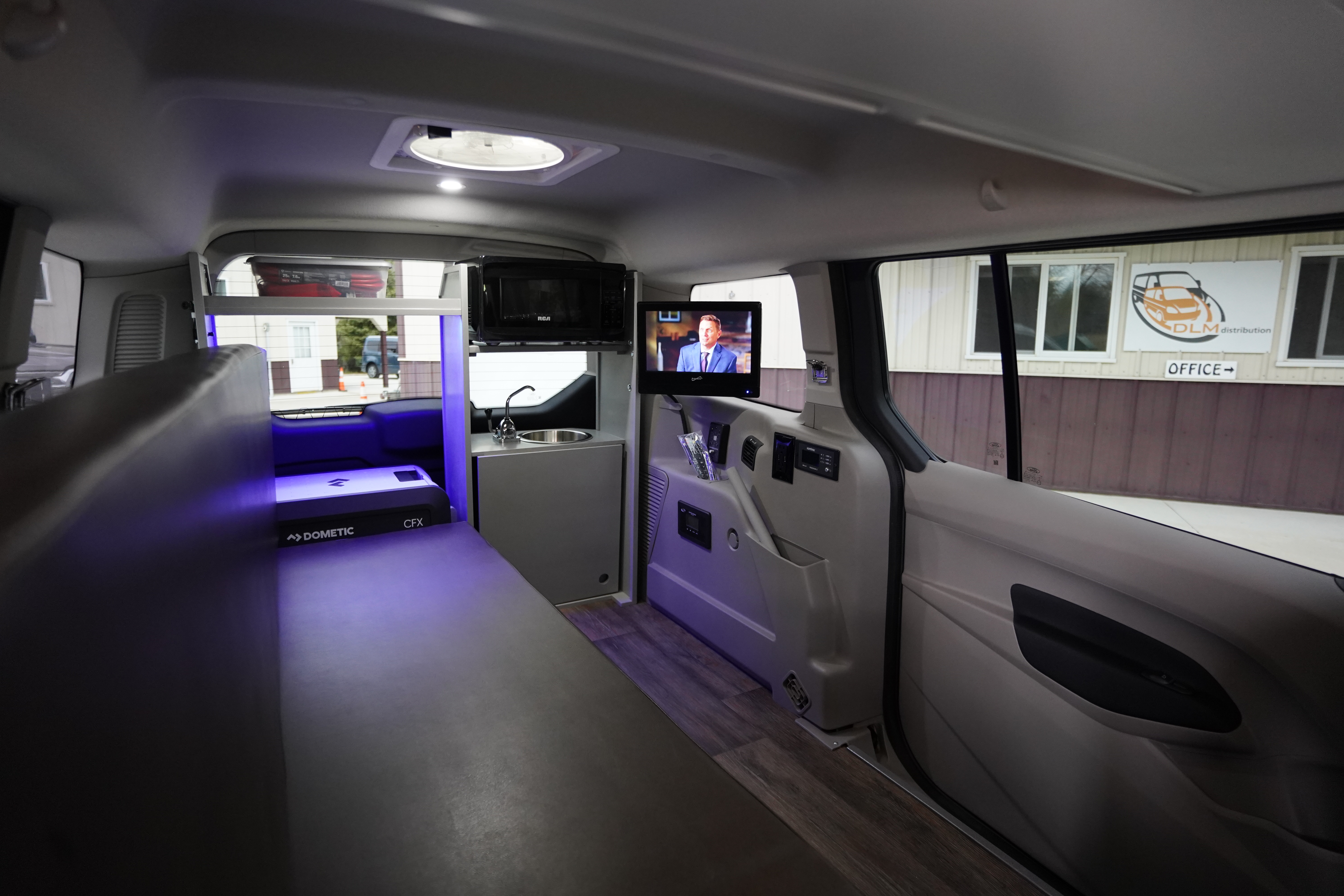
Robust Off-Grid Capabilities: Equipped with a sophisticated electrical system, the Mini-T Campervan allows for true off-grid living. It includes solar panels, an inverter, and a powerful electrical system, enabling you to run appliances like a microwave without a generator. This makes it ideal for eco-friendly travel and remote camping.
Fuel Efficiency: The Mini-T Campervan offers an impressive fuel efficiency of 24-28 MPG. This is virtually unheard of in the Class B campervan or mini-motorhome categories, making it an economical choice for long-distance travel.
Practicality Without Sacrifice: Choosing a smaller RV like the Mini-T Campervan doesn’t mean you have to sacrifice comfort or amenities. The interior is designed to maximize space and functionality, ensuring a comfortable experience whether you're on a weekend getaway or an extended road trip.
Additional Considerations
Eco-Friendly Travel: With its high fuel efficiency and solar power capabilities, the Mini-T Campervan supports sustainable travel practices, reducing your carbon footprint.
Ease of Use: Unlike larger RVs that may require special licenses to drive or tow, the Mini-T Campervan is easy to operate, making it accessible for everyone, from seasoned RV enthusiasts to those new to RVing.
Versatility: Whether you’re exploring national parks, visiting campgrounds, or simply taking a day trip, the Mini-T Campervan adapts to your needs, providing both transportation and accommodation in one compact package.
Many find that living in metropolitan areas with restrictive RV parking rules makes the Mini-T Campervan by DLM-Distribution the most practical and versatile option. It combines the functionality of a daily driver with the comforts of a campervan, all while adhering to HOA and city regulations. This allows for inexpensive and limitless RV travel without storage issues.
Embrace the freedom of travel without the hassle of traditional RV storage issues and discover the joy of owning a Mini-T Campervan.
Happy Camping!
DLM-Distribution / Campervans is a licensed manufacture and dealer located in Lake Crystal Minnesota serving clients around the country
Contact Dave: 651-285-7089 or Candy: 507-382-9446 today!