
NEWS
Exploring Grand Canyon National Park by Campervan: What to Know
Few places in the United States leave a lasting impression quite like the Grand Canyon. Carved over millions of years by the Colorado River, its scale is difficult to fully grasp until you stand at the rim and take it in for yourself.
For many travelers, visiting the Grand Canyon is part of a longer road trip. Approaching it by campervan offers a practical way to experience the park at your own pace—without being tied to hotel check-ins or rigid schedules.
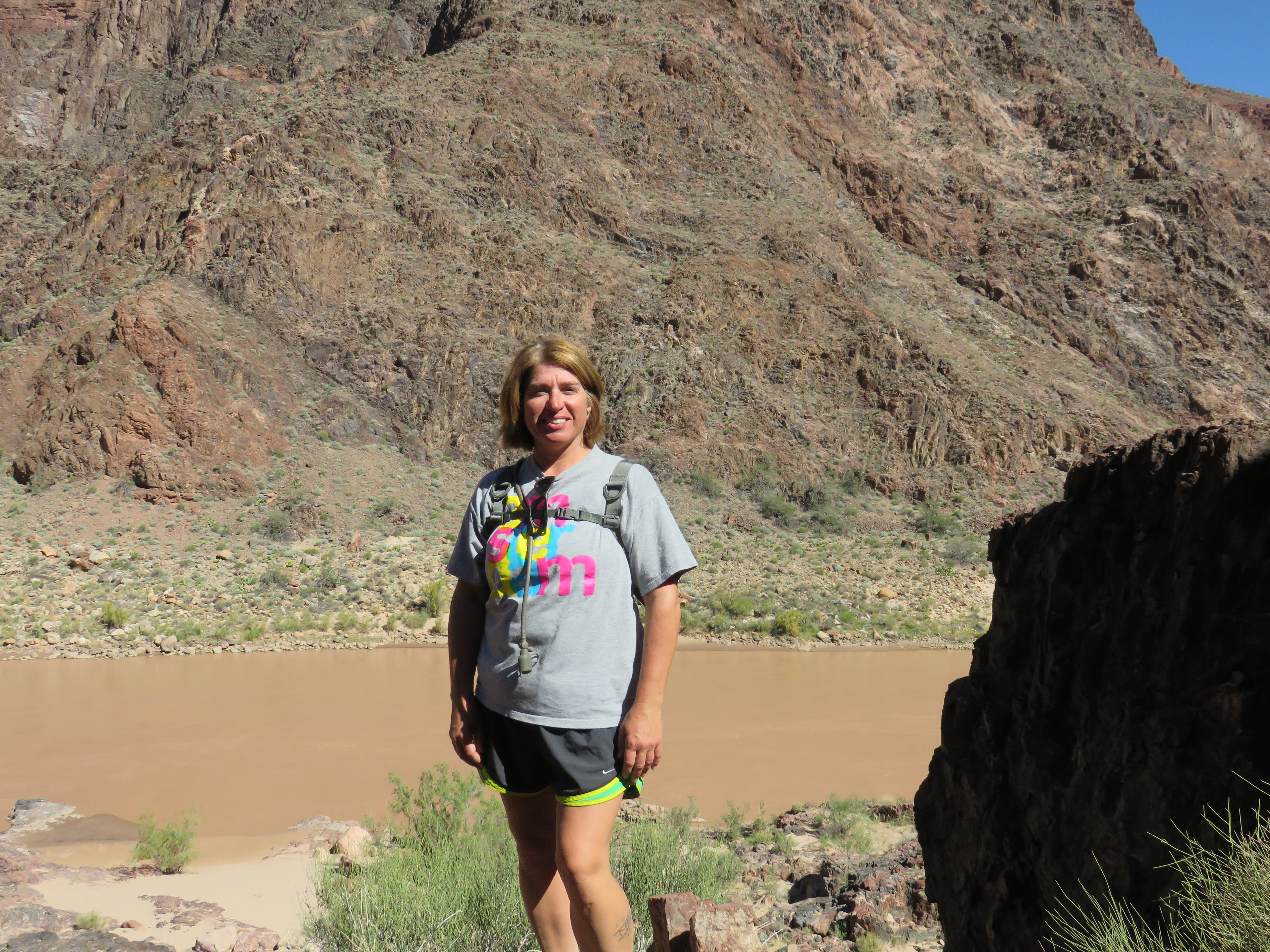
Getting There and Navigating the Park
Most visitors enter through the South Rim, which is open year-round and offers the widest range of viewpoints, services, and access to trails. Roads are well maintained, but parking can become limited during peak seasons—especially mid-day.
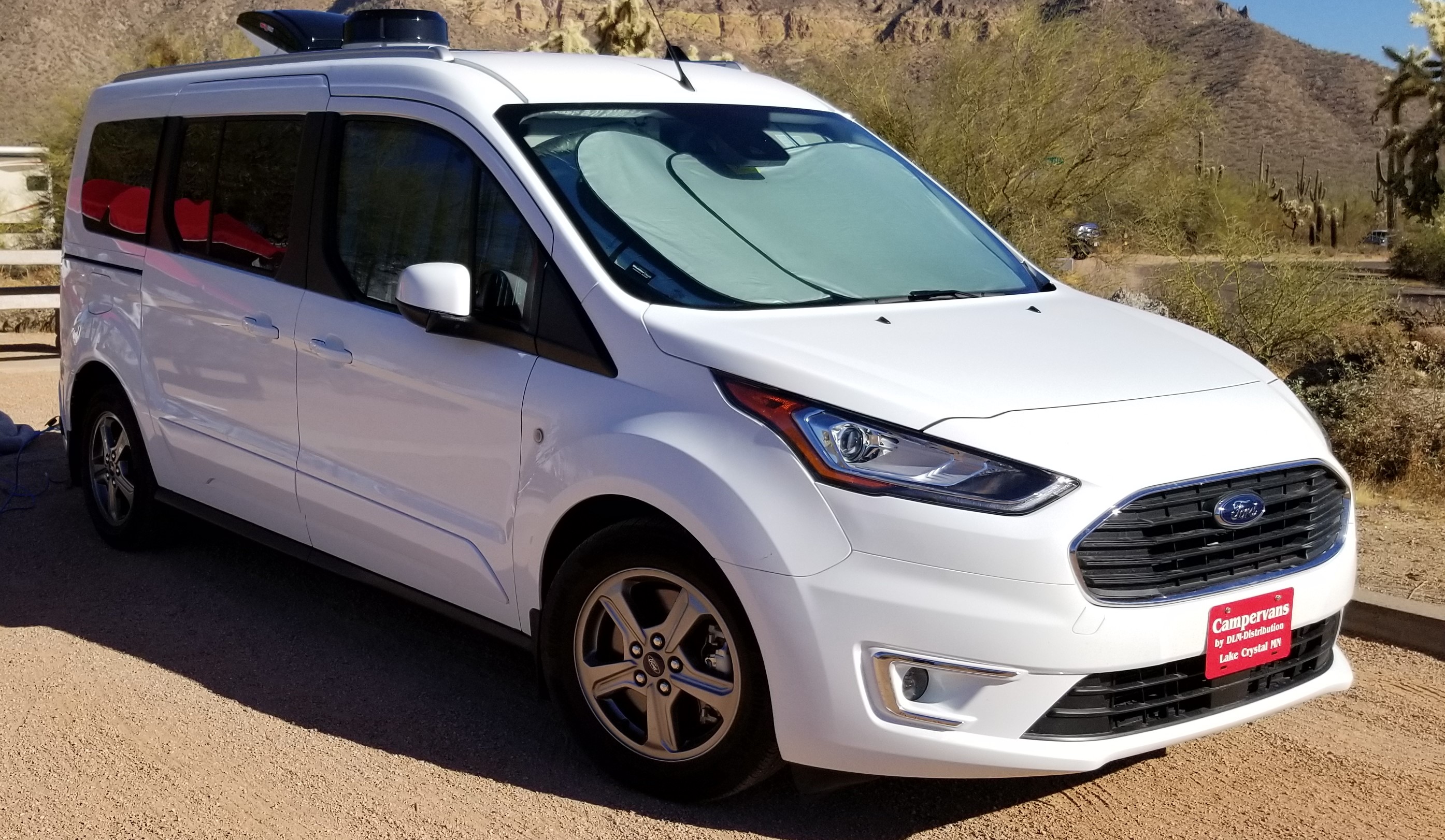
Smaller campervans tend to be easier to manage in these conditions. They fit into standard parking areas, navigate scenic drives more comfortably, and allow you to move between viewpoints without the limitations larger vehicles can present.
This flexibility is one reason more travelers are considering compact Class B options, as discussed in RVs for Everyday Use: Featuring the Mini-T Campervan Lineup, where ease of driving and parking plays a central role in how people travel.
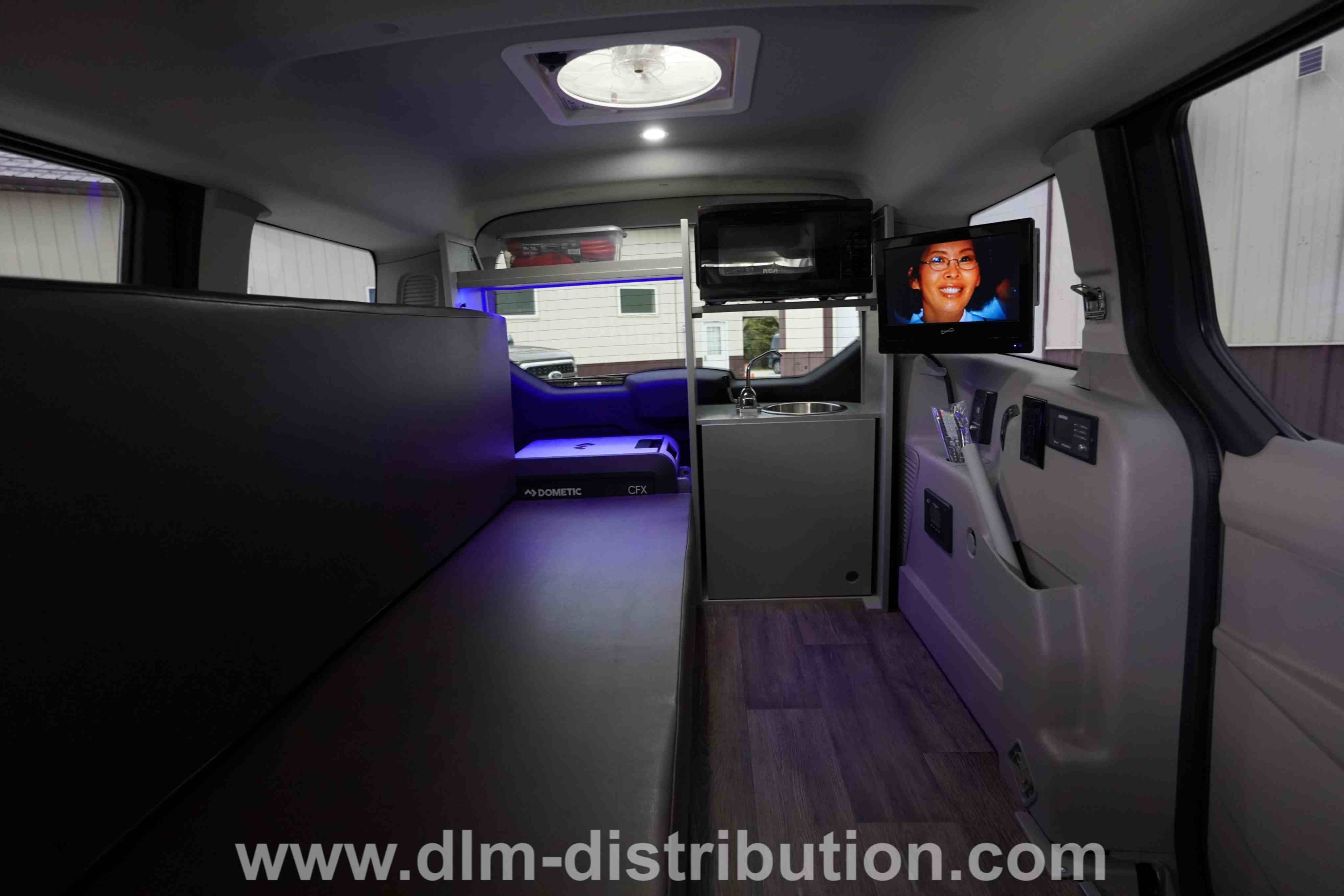
Where to Stay Inside the Park
The Grand Canyon offers several established campgrounds. Mather Campground, located near Grand Canyon Village, is one of the most accessible and popular options on the South Rim. The North Rim Campground, open seasonally, provides a quieter and less crowded experience.
Reservations are strongly recommended, particularly in spring and fall when conditions are ideal. For those traveling across multiple parks, understanding campground systems and availability becomes an important part of planning. A broader overview can be found in State and National Park Passport Programs, which highlights how travelers can explore parks more intentionally across the country.
Hiking the Canyon: What to Expect
Trails in the Grand Canyon are unlike typical hikes. Descending into the canyon is optional—returning to the rim is not.
The Bright Angel Trail is one of the most well-known routes, offering access to resthouses at 1.5 and 3 miles. These shorter segments provide a meaningful experience without committing to a full descent. For those prepared for a longer hike, Plateau Point offers expansive views deeper within the canyon.
Conditions can change quickly. Temperatures at the bottom of the canyon are often significantly higher than at the rim, making early starts, pacing, and proper hydration essential.
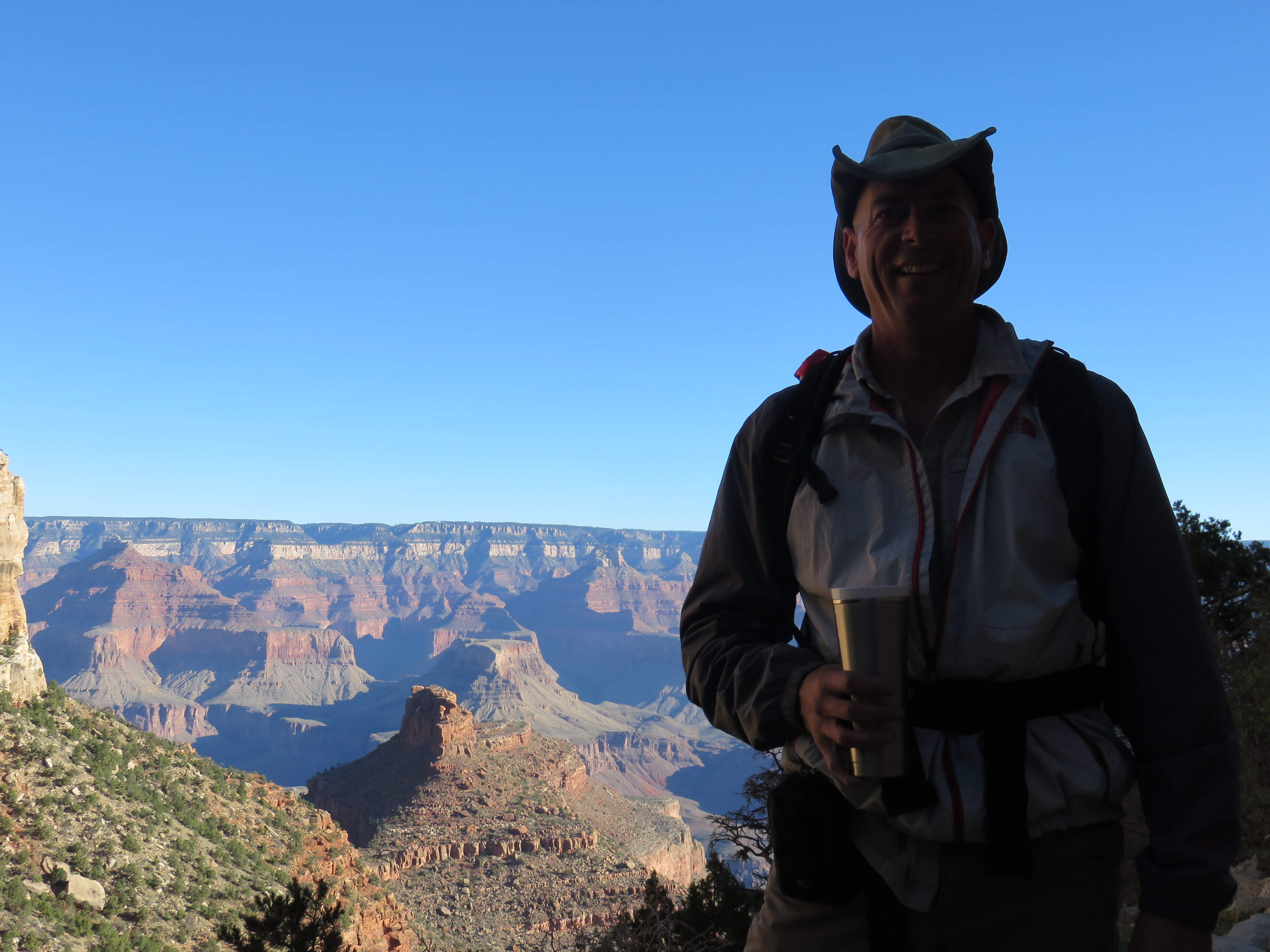
Scenic Drives and Overlooks
Not every experience at the Grand Canyon requires a hike. The South Rim features a network of scenic viewpoints accessible by vehicle, each offering a different perspective of the canyon’s layers and depth.
Desert View Drive is a standout route, stretching east from Grand Canyon Village and featuring multiple overlooks along the way. These stops allow visitors to experience the canyon gradually, without the physical demands of hiking.

History, Culture, and Visitor Centers
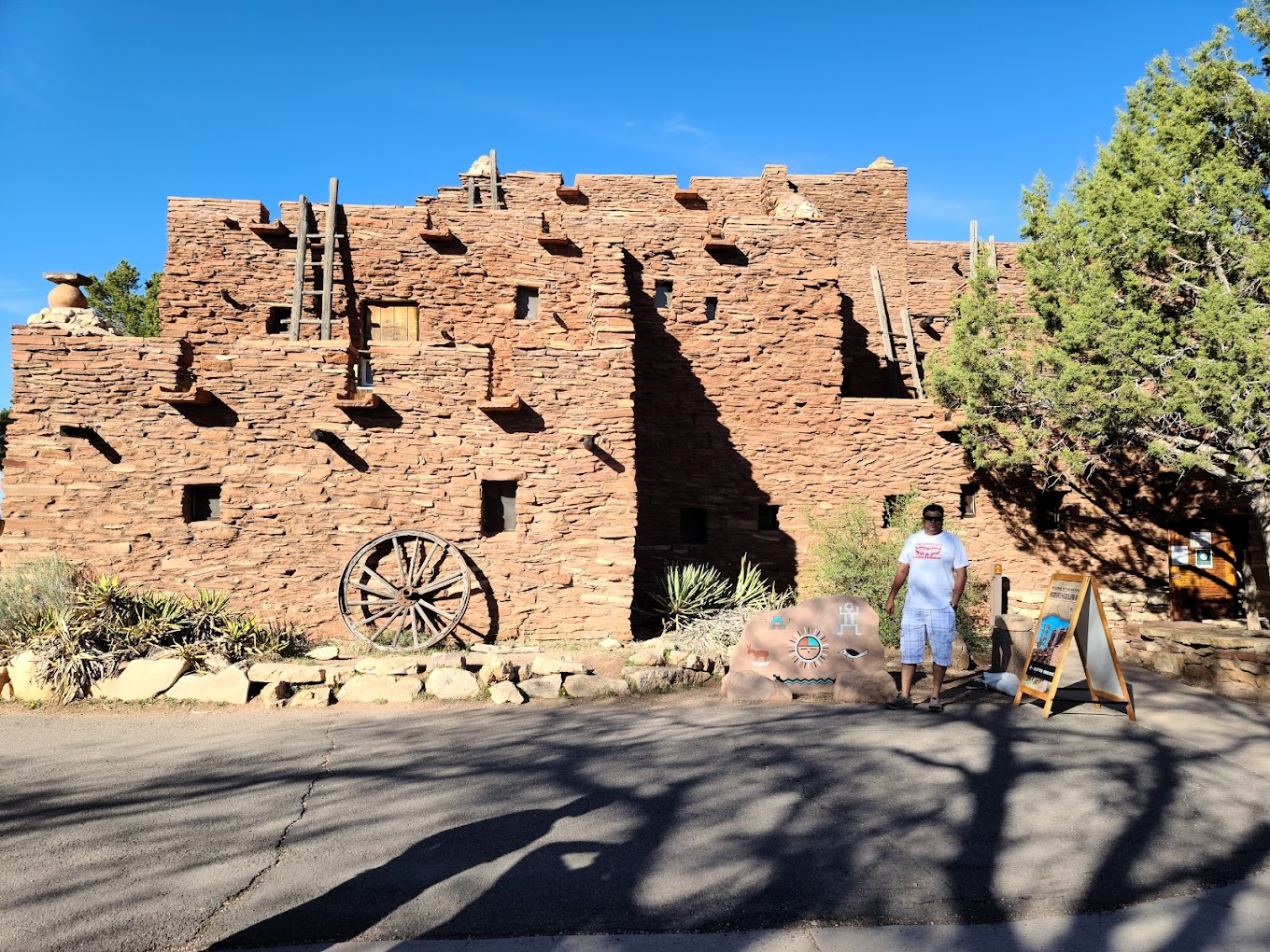
Beyond its natural features, the Grand Canyon holds deep cultural and historical significance. Grand Canyon Village is home to historic structures such as El Tovar Hotel and Hopi House, reflecting early tourism and Native American craftsmanship.
Visitor centers and museums throughout the park provide context on geology, wildlife, and the long human history tied to the canyon.
Planning a Comfortable Visit
Visiting the Grand Canyon is as much about timing and pacing as it is about location. Early mornings and evenings tend to offer the best lighting, fewer crowds, and more moderate temperatures.
For travelers covering long distances, having the ability to stop, rest, and continue the next day can simplify the overall trip. Practical considerations like these are part of why many travelers value flexible travel setups that support both driving and overnight use.
A Practical Way to Experience the Grand Canyon
The Grand Canyon does not require a complex plan to be meaningful. Whether you spend a few hours at the rim, take a short hike, or stay for several days, the experience is shaped by how you choose to move through it.
Approaching the park with flexibility—both in how you travel and how you plan your time—often leads to a more relaxed and rewarding visit.
Safe travels and enjoy the road ahead.
DLM-Distribution / Campervans is a licensed manufacturer and dealer located in Lake Crystal, Minnesota, serving clients around the country.
Contact Dave: 651-285-7089 or Candy: 507-382-9446 today!