Vincennes, Indiana: Where America's Frontier Story Comes to Life
Most travelers know Indianapolis. Far fewer know Vincennes. That may be one of Indiana's greatest travel secrets.
That is easy to understand. Highways encourage motion. Maps highlight the fastest route. Vacations often get built around famous parks, big cities, and destinations everyone already knows.
But every so often, a place quietly asks you to slow down.
Vincennes, Indiana is one of those places.
Set along the Wabash River, Vincennes is the kind of historic town that rewards curious travelers. It is not loud. It does not need to be. Its streets, memorials, museums, river views, and surrounding parks tell the story of a place that helped shape America long before Indiana became a state.
This is a road trip destination for travelers who enjoy history, small towns, quiet campgrounds, riverside walks, and the satisfaction of discovering a place they almost drove past.

Travel Isn't Always About Going Farther
The most memorable road trips are often built around places that reward curiosity instead of crowds.
Sometimes they are built around the places that quietly shaped history. The river towns. The frontier settlements. The older streets. The overlooked monuments. The places where a traveler can stand for a moment and realize that something important happened here.
Vincennes belongs in that category.
It is one of the oldest communities in Indiana and one of the most historically significant towns in the Midwest. Long before modern highways crossed the region, Vincennes sat near the edge of competing empires, frontier settlements, Native homelands, fur trade routes, military campaigns, and westward expansion.
That history is still visible today if you take the time to look for it.
Why Vincennes Matters
Vincennes is closely tied to the early story of the American frontier. Its location along the Wabash River made it important for trade, travel, settlement, and military strategy. French influence, British control, American revolutionary ambitions, and Native history all shaped the region.
For many visitors, the name most closely associated with Vincennes is George Rogers Clark. During the American Revolution, Clark and a small force of frontier fighters undertook a daring winter campaign that helped secure American claims in the Old Northwest. His efforts played an important role in the future of the Northwest Territory, which eventually helped shape several Midwestern states.
That is a large story for a small river town.
And that is exactly why Vincennes is worth visiting.
George Rogers Clark National Historical Park
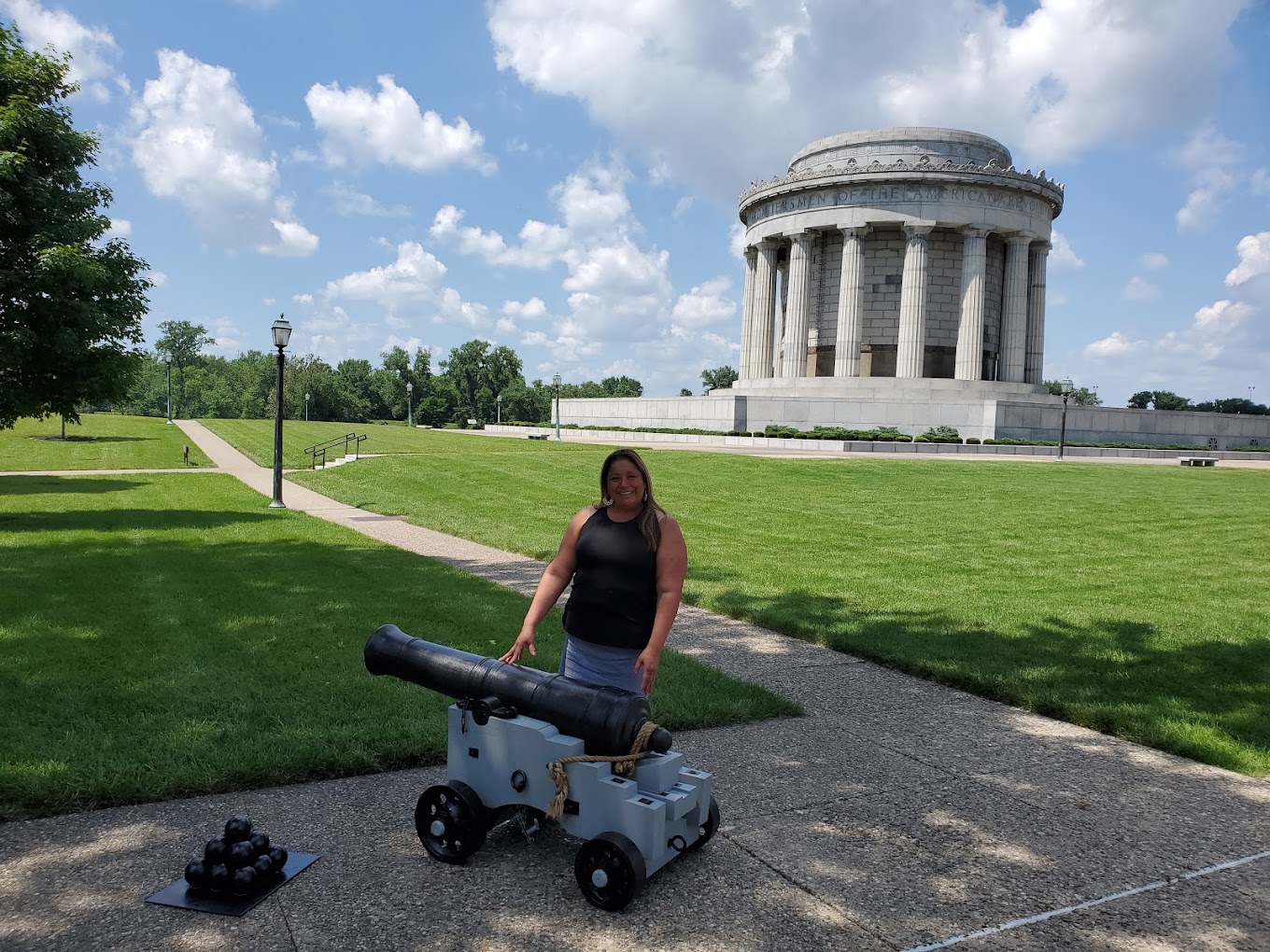
The centerpiece of a Vincennes visit is George Rogers Clark National Historical Park. Located near the Wabash River, the memorial is impressive in a way that surprises many first-time visitors.
From the outside, the building has a solemn, classical presence. It feels substantial before you even step inside. Once inside, the scale becomes more powerful. The rotunda, murals, and statue create a quiet space that invites reflection rather than quick sightseeing.
This is not simply a place to read a sign and move on. It is a place to pause.
Standing inside the memorial, it becomes easier to imagine Vincennes not as a quiet modern town, but as a frontier outpost connected to a much larger struggle over the future of North America. The Wabash River nearby adds to that sense of place. Rivers were highways then. Whoever understood them understood movement, trade, communication, and power.
That is what makes the memorial meaningful. It places history back into the landscape.
More Than One Monument
George Rogers Clark National Historical Park may be the best-known stop in Vincennes, but it should not be the only one.
The town itself deserves time. Walk slowly. Look at the architecture. Notice how the river shapes the setting. Visit local museums if time allows. Explore the historic district, stop for lunch, and allow the day to unfold without rushing.
Vincennes State Historic Sites add another layer to the story, helping visitors understand the town's role in territorial government, early Indiana history, and frontier life. The Red Skelton Museum of American Comedy offers a very different kind of local history, celebrating one of Vincennes' best-known native sons. Historic churches, old neighborhoods, river views, and local restaurants round out the experience.
This is not a place that needs to be consumed quickly.
It is a place that benefits from an unhurried day.
The Wabash River and the Feel of Place
Part of what makes Vincennes memorable is its setting along the Wabash River.
Rivers give towns character. They slow the eye. They create edges, reflections, crossings, and stories. In Vincennes, the river is more than scenery. It is part of the reason the town mattered in the first place.
A walk near the river helps connect the historical sites to the geography around them. It is one thing to read about frontier campaigns, trade routes, and early settlements. It is another to stand near the water and understand why this location mattered.
Good travel often works that way.
The place teaches more than the plaque.
Camping Near Vincennes
For travelers who prefer to turn a historic stop into a fuller outdoor experience, camping nearby can make Vincennes even more enjoyable.
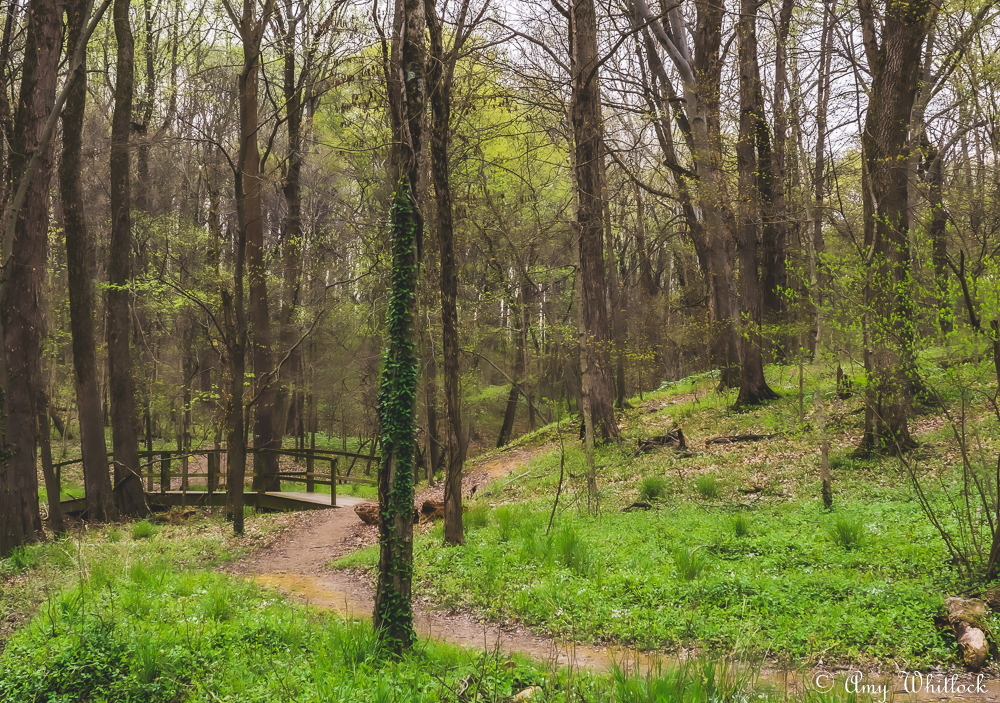
Ouabache Trails Park, located near the Wabash River, offers a natural setting close to town. With wooded areas, trails, river scenery, and camping opportunities, it gives visitors a way to combine history during the day with a quieter outdoor setting in the evening.
That combination is part of what makes this kind of road trip satisfying. You can spend the morning inside a national historical park, the afternoon walking through town, and the evening under trees listening to campground sounds rather than traffic.
Camping changes the rhythm of the visit. Instead of checking a landmark off a list, you watch the evening settle over the trees, wake to birds instead of traffic, and return to town refreshed. Sometimes spending the night nearby teaches you as much about a destination as the attraction itself.
Why This Works So Well as a Road Trip Stop
Vincennes is not the kind of place that overwhelms a traveler with crowds or noise. That is part of its appeal.
It works well as a one-night stop, a long weekend destination, or part of a larger Midwest road trip. It offers enough history to be meaningful, enough outdoor access to feel refreshing, and enough small-town character to make the visit feel personal.
Destinations like Vincennes are reminders that the best travel vehicle is often the one that quietly stays out of the way. After setting up camp nearby, the day belongs to the town, the river, the museums, the conversations, and the roads that connect them. The vehicle simply removes barriers and makes it easier to keep exploring.
What to Do in Vincennes
A simple Vincennes itinerary can easily fill a day or more.
Begin at George Rogers Clark National Historical Park and give yourself time inside the memorial. Walk the grounds and take in the river setting. From there, explore nearby historic areas and downtown streets.
Consider visiting Vincennes State Historic Sites to deepen the historical context. Add the Red Skelton Museum if you enjoy entertainment history or want a different side of the community. Find a local place for lunch, then spend part of the afternoon walking or driving slowly through older parts of town.
If you are camping nearby, return to camp for a quieter evening. Take a walk, sit outside, or use the extra time to plan the next day's route.
That is the advantage of slow travel. The day does not need to be packed to be worthwhile.
Nearby Road Trip Ideas
Vincennes can stand alone as a destination, but it can also become part of a larger route through Indiana, Illinois, Kentucky, and the Ohio River region.
Travelers interested in history may connect Vincennes with other early American, frontier, or Lincoln-related sites in the region. Outdoor travelers can look for nearby state parks, wildlife areas, river towns, and scenic rural routes. Those heading farther south may continue toward southern Indiana's rolling hills, caves, forests, and river communities.
The best route depends on your interests.
History travelers may want museums and preserved sites.
Campers may look for parks and quiet evenings.
Photographers may chase river light, old architecture, and small-town details.
Road trip travelers may simply follow the next interesting road.
That flexibility is part of the appeal.
Traveling Slowly Through America's Smaller Places
Vincennes is a reminder that meaningful travel does not always require famous scenery or crowded destinations.
Some places matter because they help us understand the country more deeply. They tell stories about movement, conflict, settlement, ambition, endurance, and community. They remind us that history happened not only in major cities, but also in river towns, frontier posts, small settlements, and places that many travelers now pass without noticing.
To appreciate towns like Vincennes, you have to slow down.
You have to give the place a day.
You have to walk, read, look, listen, and imagine the landscape before highways and modern maps.
That is why this kind of road trip can be so rewarding. It asks less of your schedule and more of your curiosity.
Final Thoughts: The Places You Almost Drove Past
Some destinations become famous because everyone talks about them.
Others become memorable because they surprise you.
Vincennes belongs in the second group.
It reminds us that America's story was not written only in great cities or on famous battlefields. Much of it happened in quiet river towns, along frontier routes, beside working rivers, and in communities that still reward travelers willing to slow down.
George Rogers Clark National Historical Park gives Vincennes its most visible landmark. The Wabash River gives it setting. The surrounding parks and campgrounds give travelers a reason to stay a little longer.
But the deeper reward is the feeling of discovery.
Sometimes the greatest road trips are not about finding the next famous place.
They are about discovering the one you almost drove past.
DLM-Distribution / Campervans is a licensed manufacturer and dealer located in Lake Crystal, Minnesota, serving clients around the country.
Contact Dave: 651-285-7089 or Candy: 507-382-9446 today!