
Exploring Cuyamaca Rancho State Park in California
Southern California is often associated with sunny beaches, palm-lined streets, and desert landscapes. Yet less than an hour east of San Diego, the scenery begins to change dramatically. Coastal neighborhoods give way to winding mountain roads, oak woodlands, pine forests, broad meadows, and high country where temperatures can be considerably cooler than along the coast. This is the landscape of Cuyamaca Rancho State Park, one of San Diego County's most rewarding destinations for hiking, camping, and exploring the outdoors.
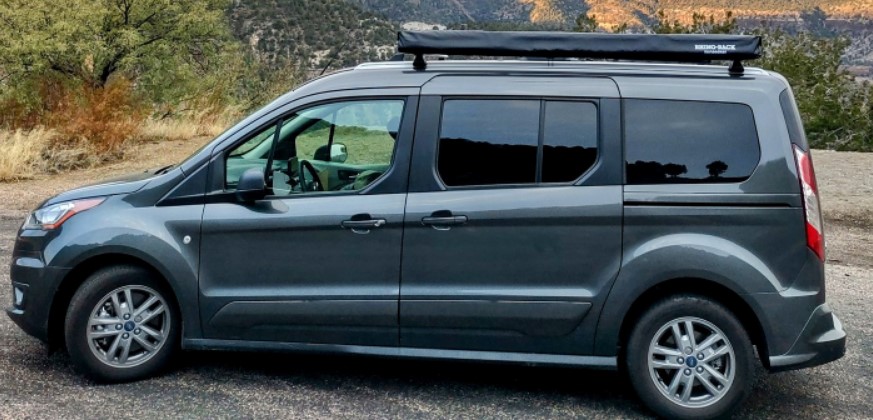
Covering approximately 25,000 acres in the Peninsular Ranges, Cuyamaca Rancho State Park protects a diverse mountain environment that feels far removed from the busy communities below. Its landscape includes forested slopes, grasslands, seasonal streams, rocky summits, and wildlife habitats that change noticeably with elevation. For travelers exploring California by campervan, the park offers an opportunity to exchange crowded highways and coastal attractions for mountain scenery, quiet campgrounds, and miles of trails.
A Different Side of Southern California
The name Cuyamaca is associated with the Kumeyaay people, whose history in this mountain region extends back thousands of years. The area remains an important part of the cultural landscape of Southern California, long before the establishment of the state park or the arrival of recreational visitors. The mountains, meadows, and waterways that attract hikers and campers today were part of a much older network of Indigenous communities, travel routes, and traditional gathering areas.
One of the most striking aspects of Cuyamaca Rancho State Park is how quickly the surroundings change as travelers climb into the mountains. Lower elevations support chaparral and oak woodland, while higher areas contain conifers, open grasslands, and broad views across the surrounding ranges. During wetter periods, streams flow through wooded valleys and meadows become noticeably greener. In spring, wildflowers can add color to the landscape, while autumn brings crisp mornings and seasonal changes in the mountain vegetation.
The park also tells a story of recovery. The devastating 2003 Cedar Fire burned much of Cuyamaca Rancho State Park, dramatically changing portions of its forests. More than two decades later, visitors can observe a landscape in different stages of regeneration, where surviving trees, recovering vegetation, open hillsides, and new growth reveal the long process of ecological renewal. Rather than diminishing the park's appeal, these contrasts offer an interesting perspective on how mountain environments respond to wildfire and changing conditions.

Hiking Toward Cuyamaca Peak
Rising to approximately 6,512 feet, Cuyamaca Peak is the second-highest summit in San Diego County and one of the park's most recognizable landmarks. For hikers willing to make the climb, the summit offers expansive views across surrounding mountains, valleys, and distant landscapes. On exceptionally clear days, visibility can extend westward toward the Pacific Ocean and eastward toward the desert beyond the mountains.
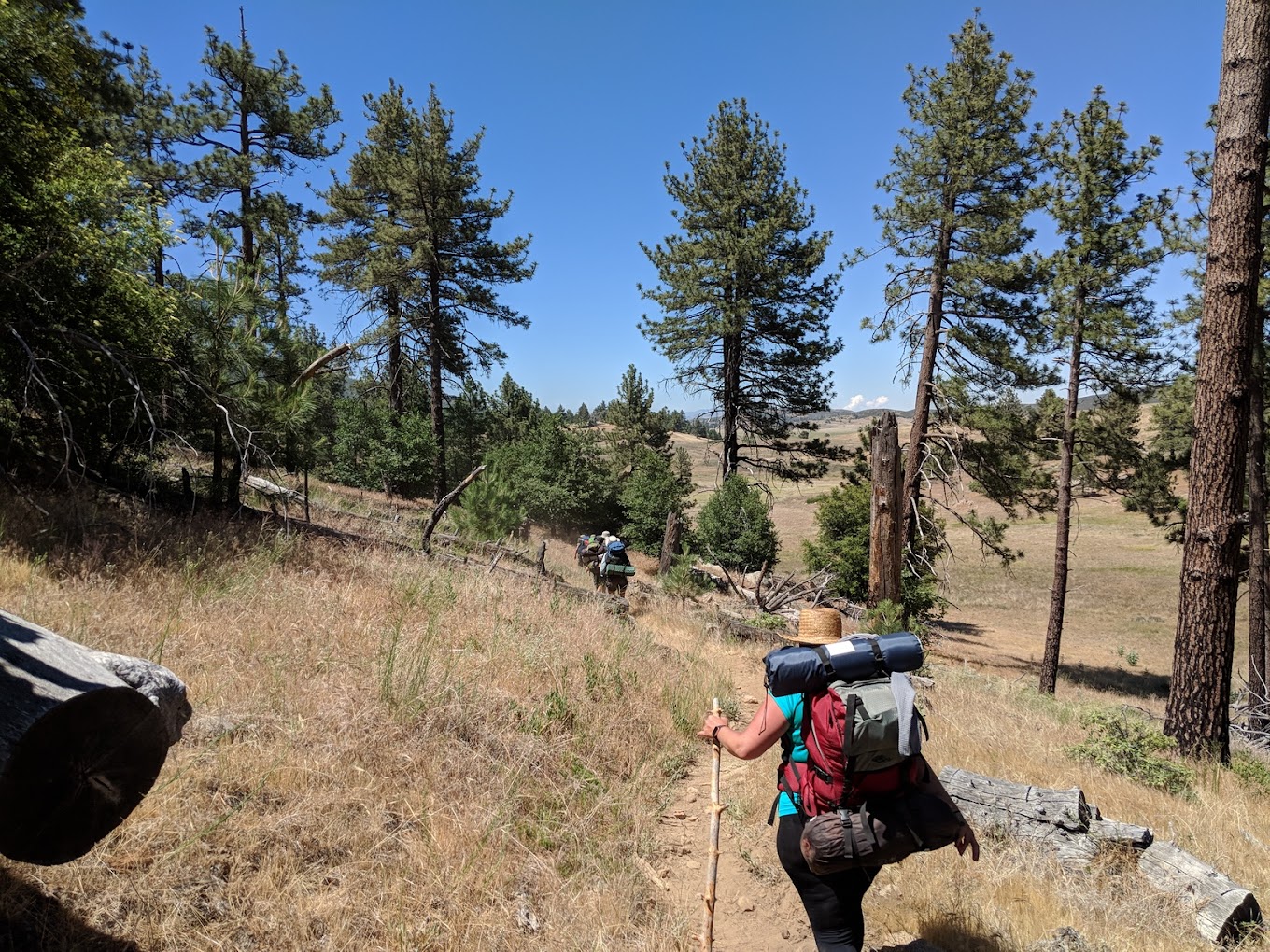
One commonly used approach begins near Paso Picacho Campground and follows Lookout Fire Road toward the summit. Although much of the route uses a maintained roadway rather than a narrow wilderness trail, the climb is sustained and requires preparation. The elevation gain, exposure to changing weather, and thinner air at higher elevations can make the hike more demanding than its straightforward route might suggest. Carrying adequate water, checking trail conditions, and allowing sufficient time for the return are important considerations.
Cuyamaca Rancho State Park offers many alternatives for visitors who prefer a less strenuous outing. Its extensive trail network includes routes through oak woodland, open meadows, and forested mountain terrain. Some trails offer short walks suitable for a relaxed afternoon, while others provide longer excursions for experienced hikers. The variety makes it possible to enjoy the park without necessarily attempting its highest summit.
Wildlife, Wildflowers, and the Changing Seasons
Cuyamaca's combination of woodland, meadow, and mountain habitat supports an impressive variety of wildlife. Mule deer, coyotes, bobcats, wild turkeys, hawks, owls, and numerous smaller birds inhabit the region, although sightings depend on the season, time of day, and the patience of the observer. Early morning and late afternoon are often rewarding times to watch for wildlife along meadow edges and quieter trails.
Birdwatchers may encounter species associated with both mountain forests and more open habitats. The park's varied elevations and vegetation provide opportunities to observe birds that are less commonly seen in San Diego's coastal neighborhoods. Even visitors without a particular interest in birdwatching may find that slowing down along a trail reveals activity that would otherwise go unnoticed.
Seasonal changes are another reason to return. Spring can bring wildflowers, greener meadows, and flowing streams following winter precipitation. Summer offers opportunities to explore the higher country, although afternoon heat and exposed trails still require caution. Autumn often brings pleasant hiking weather, while winter may deliver rain, freezing temperatures, and occasional snow at higher elevations.
Because the park occupies mountain terrain, visitors should not assume that weather conditions will resemble those in San Diego. A warm afternoon near the coast can coincide with much cooler temperatures in Cuyamaca, and storms can make mountain roads and trails hazardous. Checking forecasts and current park advisories is especially important during winter and the shoulder seasons.
Camping at Green Valley Campground
Green Valley Campground offers a traditional mountain camping experience in the southern portion of Cuyamaca Rancho State Park. Located near the Sweetwater River, the campground is surrounded by natural vegetation and provides access to trails and seasonal water features. It is an appealing choice for visitors who want to spend several days enjoying the park rather than making a quick trip from San Diego.
The nearby Green Valley Falls area is particularly interesting when seasonal water conditions allow the cascades and pools to flow. After periods of sufficient rainfall, the rocky stream corridor can become one of the park's most picturesque places to explore. During dry conditions, however, water levels may be considerably lower, and visitors should not assume that swimming or access to particular pools will always be permitted or safe.
Green Valley is well suited to travelers who appreciate the quieter routines of camping. An early morning walk, breakfast beneath the trees, an afternoon on nearby trails, and an evening outdoors can easily fill a day without requiring a long drive. The campground's mountain setting makes it a comfortable base for exploring the surrounding region.
Camping availability, operating seasons, vehicle-length restrictions, and campground facilities should be verified before traveling. Mountain campgrounds can have seasonal closures or temporary restrictions, and advance reservations are advisable during popular periods.

Paso Picacho Campground and the Heart of the Park
Farther north, Paso Picacho Campground provides another excellent base for exploring Cuyamaca Rancho State Park. Its location near several popular trailheads makes it particularly convenient for visitors interested in hiking toward Cuyamaca Peak or exploring the surrounding mountain terrain. Campers can settle into an established site and spend their days exploring different sections of the park without repeatedly relocating.
The campground is located at a higher elevation than many of Southern California's coastal camping destinations, which contributes to its mountain atmosphere. Cool evenings, changing weather, and forested surroundings distinguish the experience from beach camping. For travelers accustomed to warmer lowland conditions, bringing suitable clothing and bedding is important, even when the forecast for San Diego looks comfortable.
One of the pleasures of staying at Paso Picacho is the ability to experience the park at different times of day. Morning light across the hillsides, the changing colors of the landscape during the afternoon, and quiet evenings at camp all contribute to a visit that feels more relaxed than a day trip. With the campervan already established at the campsite, travelers can choose their activities according to the weather, their interests, and how much hiking they feel like doing.
As at Green Valley, visitors should confirm campsite dimensions, reservation requirements, current facilities, and seasonal operating conditions before arrival. Campground regulations and available services can change, and mountain weather occasionally affects access.

Lake Cuyamaca and the Mountain Highway
Just beyond the park's central mountain landscape, Lake Cuyamaca adds another dimension to a visit. The reservoir sits in a scenic high-country setting surrounded by hills and open views, offering opportunities for fishing, birdwatching, and enjoying the mountain atmosphere. Recreation and access are managed separately from the state park, so visitors should check current regulations, fees, and available activities before arriving.
The drive through this region is part of the attraction. State Route 79 passes through mountain scenery, connecting the Cuyamaca area with nearby communities and providing views of meadows, forested slopes, and the surrounding ranges. Rather than treating the road simply as transportation between destinations, travelers can enjoy the changing landscape and stop at designated viewpoints or public recreation areas along the way.
The combination of a mountain campground, nearby lake, and scenic roads makes this part of San Diego County especially appealing for a relaxed weekend or several days of exploration. There is enough variety to enjoy the outdoors without building an itinerary around long daily drives.
A Visit to Julian: History, Apple Pie, and Mountain-Town Character
North of the park, the historic town of Julian is one of the region's most enjoyable stops. Established during Southern California's nineteenth-century gold-mining era, Julian retains a distinctive mountain-town atmosphere with historic buildings, local shops, restaurants, and reminders of its mining heritage.
Today, Julian is perhaps best known for its apples and apple pie. Bakeries and restaurants have made the town a popular destination for visitors traveling through the mountains, particularly during the autumn apple season. A stop for pie or lunch can be a pleasant reward after a morning of hiking, and the compact downtown encourages visitors to park and explore on foot.
Julian also offers opportunities to learn about the area's history, visit local businesses, and enjoy the surrounding countryside. Its location makes it a natural addition to a Cuyamaca camping trip, particularly for travelers who enjoy mixing outdoor recreation with small-town exploration.
Descanso, another nearby mountain community, offers a quieter glimpse of rural San Diego County. Together, these communities help illustrate how different the inland mountains can feel from the coastal cities just a short distance away.
Why Cuyamaca Is an Appealing Campervan Destination
Cuyamaca Rancho State Park offers the kind of travel experience that suits a compact campervan particularly well. The park's campgrounds, mountain roads, hiking trails, and nearby attractions are close enough that travelers can establish a comfortable base and explore without spending much of each day driving. A morning hike, an afternoon in Julian, and an evening back at camp can all fit naturally into the same day.
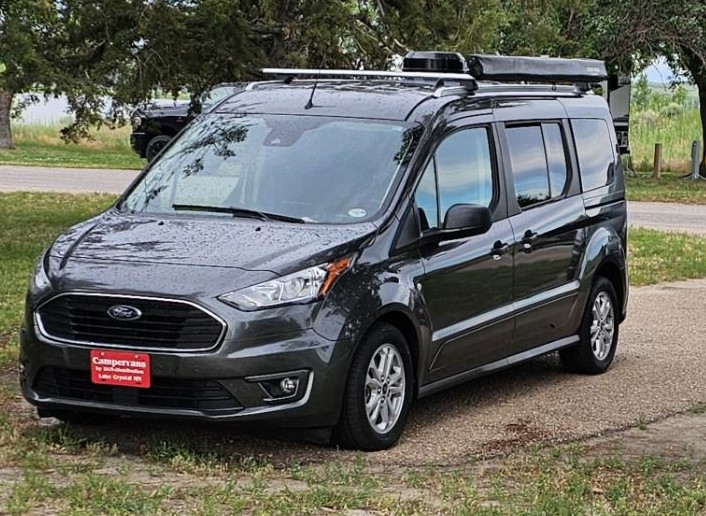
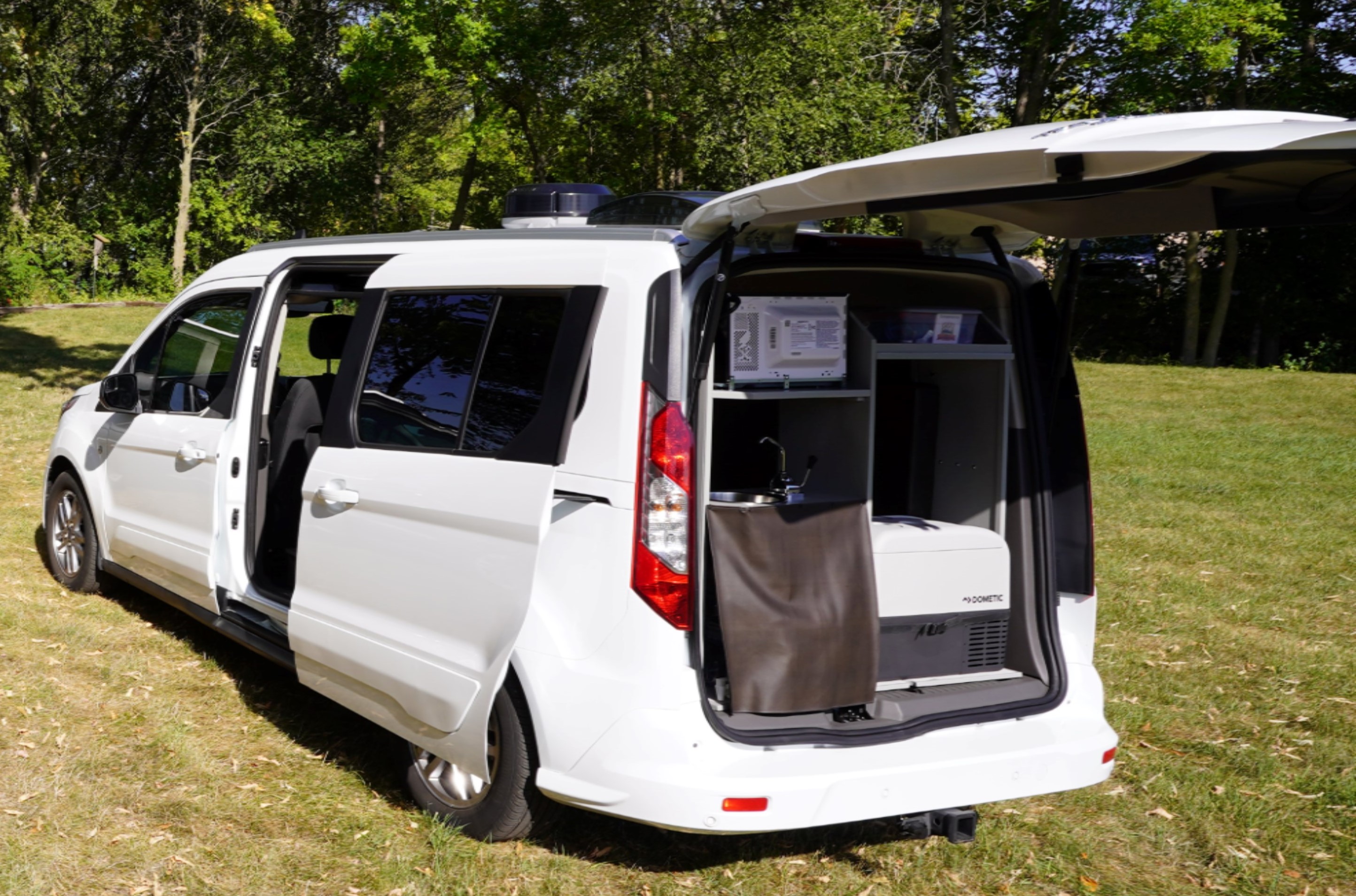
For travelers using a garageable Mini-T Campervan, the manageable vehicle size makes it convenient to explore mountain communities, ordinary parking areas, and scenic roads while retaining the comforts of a dedicated camping vehicle. Refrigeration, sleeping accommodations, a sink, microwave, and inverter-supported electrical power allow travelers to enjoy many conveniences without requiring a large motorhome or a generator for ordinary onboard electrical use.
There are still practical considerations. Mountain roads may include grades, curves, and changing weather conditions, while individual campsites have specific vehicle limits. Travelers should confirm campground suitability, follow posted restrictions, and choose routes appropriate for their vehicle. A compact campervan makes many aspects of travel easier, but careful planning remains part of responsible mountain travel.
Planning Your Visit to Cuyamaca Rancho State Park
For visitors planning a trip, the best starting point is to decide whether the priority is hiking, camping, sightseeing, or a combination of all three. Hikers may prefer staying near Paso Picacho for access to popular mountain routes, while travelers interested in the Sweetwater River corridor and seasonal waterfalls may find Green Valley particularly appealing. Those who prefer a less structured visit can enjoy scenic drives, short walks, and nearby communities without committing to an ambitious hiking schedule.
Spring and autumn are often attractive seasons for exploring the mountains, although conditions vary considerably from year to year. Summer can be warm on exposed trails, and winter weather may bring snow, ice, or temporary road restrictions. Visitors should carry adequate water, dress for changing temperatures, and check current fire restrictions, trail conditions, and campground availability before departure.
Because Cuyamaca is a protected state park, travelers should use designated campsites and parking areas, respect wildlife, and follow posted rules. Overnight parking is not automatically permitted simply because an area is accessible by vehicle. California State Parks provides current information about park access, camping, trails, and visitor regulations at Cuyamaca Rancho State Park.
Discovering the Mountains Beyond San Diego
Perhaps the most memorable quality of Cuyamaca Rancho State Park is the contrast it offers. Within a relatively short drive of San Diego's beaches and busy urban neighborhoods, travelers can find themselves walking through mountain woodland, looking across broad meadows, watching wildlife, or enjoying a cool evening at a quiet campsite.
It is a landscape that rewards visitors who allow enough time to experience it. Climbing Cuyamaca Peak may be the highlight for one traveler, while another may remember an afternoon beside Lake Cuyamaca, a peaceful morning at camp, or a slice of apple pie in Julian. The park offers room for all of these experiences, without requiring an elaborate itinerary.
For anyone exploring Southern California by campervan, Cuyamaca Rancho State Park is a reminder that some of the most rewarding destinations are not necessarily far from familiar places. Sometimes a change in elevation, a winding mountain road, and a few days outdoors are enough to reveal an entirely different side of a region.
Happy Travels & Happy Camping!

DLM-Distribution / Campervans is a licensed manufacturer and dealer located in Lake Crystal, Minnesota, serving clients around the country.
Contact Dave: 651-285-7089 or Candy: 507-382-9446 today!