
Sturgis, South Dakota: Beyond the Rally—Exploring the Black Hills by Campervan
Nearly everyone has heard of Sturgis.
For many travelers, the name is inseparable from motorcycles, August crowds, and one of the most recognized rallies in the world. That reputation is deserved, but it represents only one part of the town's story.
Visit outside rally week and a different Sturgis begins to appear. The streets become quieter, local businesses settle back into their normal rhythm, and the town feels less like an event destination and more like what it is for most of the year: a practical Black Hills community surrounded by scenic roads, western history, national forest, campgrounds, and some of the region's most rewarding day trips.
For campervan travelers, that quieter side of Sturgis may be the more useful discovery.
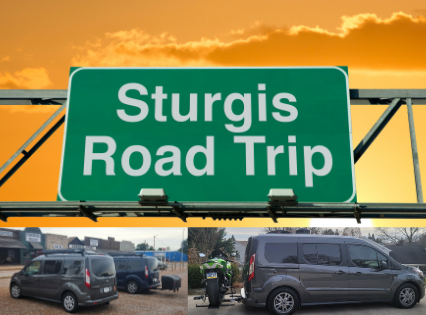
The Rally Is Part of the Story, Not the Whole Story
The Sturgis Motorcycle Rally has shaped the town's identity for generations. Each summer, riders arrive from across the country and around the world, transforming the community into one of the largest motorcycle gatherings anywhere.
Even travelers with no interest in motorcycles can appreciate the scale of the event and the way it has become woven into the culture of the northern Black Hills. The rally has influenced local businesses, museums, campgrounds, entertainment, and the way people around the world recognize the town's name.
Yet Sturgis does not disappear when the rally ends. Outside that brief and intense season, the town becomes easier to explore at a slower pace. Downtown feels more local, campgrounds become quieter, roads are less crowded, and the surrounding Black Hills begin to take center stage.
That contrast is what makes Sturgis especially interesting. The famous version draws attention, but the quieter version helps travelers understand the region.
A Town Positioned for Exploration
Sturgis sits near the northern edge of the Black Hills, close enough to major destinations that travelers can head in a different direction each day without turning every outing into a major relocation.
To the west, open country leads toward Devils Tower in Wyoming. To the southwest, the road reaches Deadwood, Lead, and Spearfish Canyon. Farther south, Mount Rushmore, Custer State Park, Black Elk Peak, Little Devils Tower, and Needles Highway reveal the granite heart of the Black Hills.
That location makes Sturgis useful as a base, but not necessarily as the only base for an entire trip. Travelers focused on the northern hills may stay several nights near town, then move south when Custer State Park, Wind Cave, and the region's longer hiking days deserve more time.
The goal is not to avoid moving altogether. It is to relocate only when doing so improves the experience.
The Roads Are Part of the Destination
One of the best reasons to explore the Black Hills by road is that the routes between attractions often become just as memorable as the places they connect.
From Sturgis, a morning drive toward Spearfish Canyon can lead beneath limestone cliffs, past waterfalls, and along Spearfish Creek. Another day may begin with the historic streets of Deadwood before continuing through the hills toward Lead and the surrounding forest.
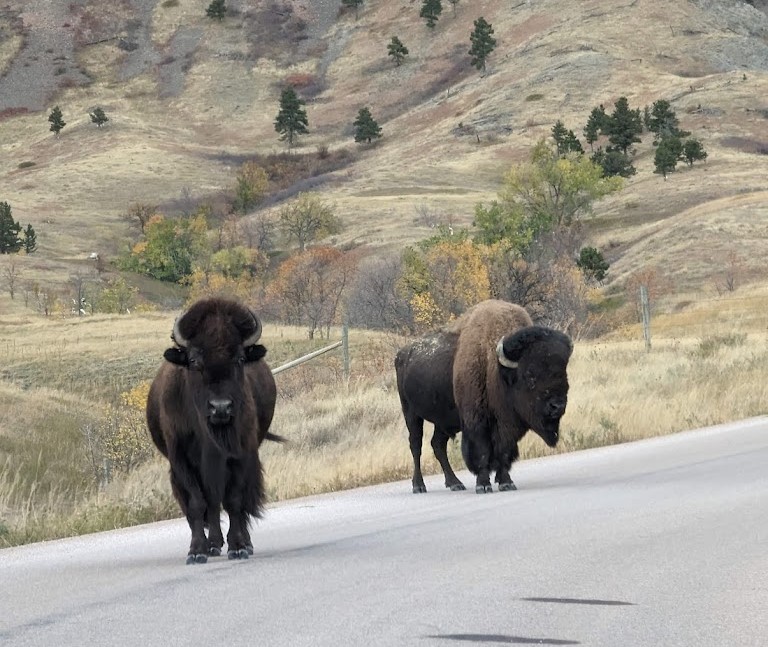
Farther south, Iron Mountain Road, Needles Highway, and Wildlife Loop Road each reveal a different side of the region. Tunnels frame distant views, granite spires rise beside the pavement, bison interrupt the schedule, and one scenic turnout leads naturally to another.
The Black Hills are unusually drivable, but that does not mean they should be rushed. Short distances can create the illusion that several major experiences will fit comfortably into a single day. Often they do not, especially when wildlife, weather, hiking, or an unexpected stop changes the plan.
Spearfish Canyon Offers an Easy First Day
Spearfish Canyon Scenic Byway is one of the most natural day trips from Sturgis. The road follows the creek through a narrow canyon beneath high limestone walls, with trailheads, waterfalls, picnic areas, and pullouts appearing along the route.
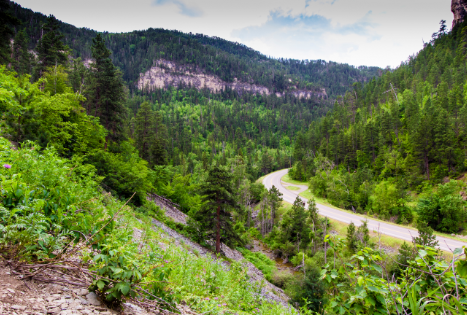
The canyon works well because it does not demand one fixed itinerary. Travelers can stop at Bridal Veil Falls, continue toward Roughlock Falls, walk a short trail, photograph the creek, or simply drive slowly and enjoy the changing scenery.
It also introduces the northern Black Hills in a way that feels immediate. Within a short distance of town, open prairie gives way to shaded forest, water, cliffs, and cooler air.
Deadwood, Lead, and Fort Meade Add Historical Depth
Sturgis is surrounded by places where the history of the Black Hills remains visible.
Deadwood is known for its mining-era streets, preserved buildings, cemeteries, and famous names from the American West. Lead tells a different story through the Homestake Mine and the scientific research now taking place deep underground.
Closer to Sturgis, Fort Meade preserves the area's military history and offers another perspective on the settlement and development of the region. The landscape around the fort also connects with outdoor recreation and the broader story of the northern hills.

The Sturgis Motorcycle Museum & Hall of Fame brings the story back to the town's best-known identity. Even outside rally season, it helps explain how motorcycling became so closely tied to Sturgis and why the event grew into an international tradition.

Mount Rushmore and the Granite Hills
Mount Rushmore remains one of the most recognized landmarks in the United States and can be reached as part of a longer drive through the central Black Hills.
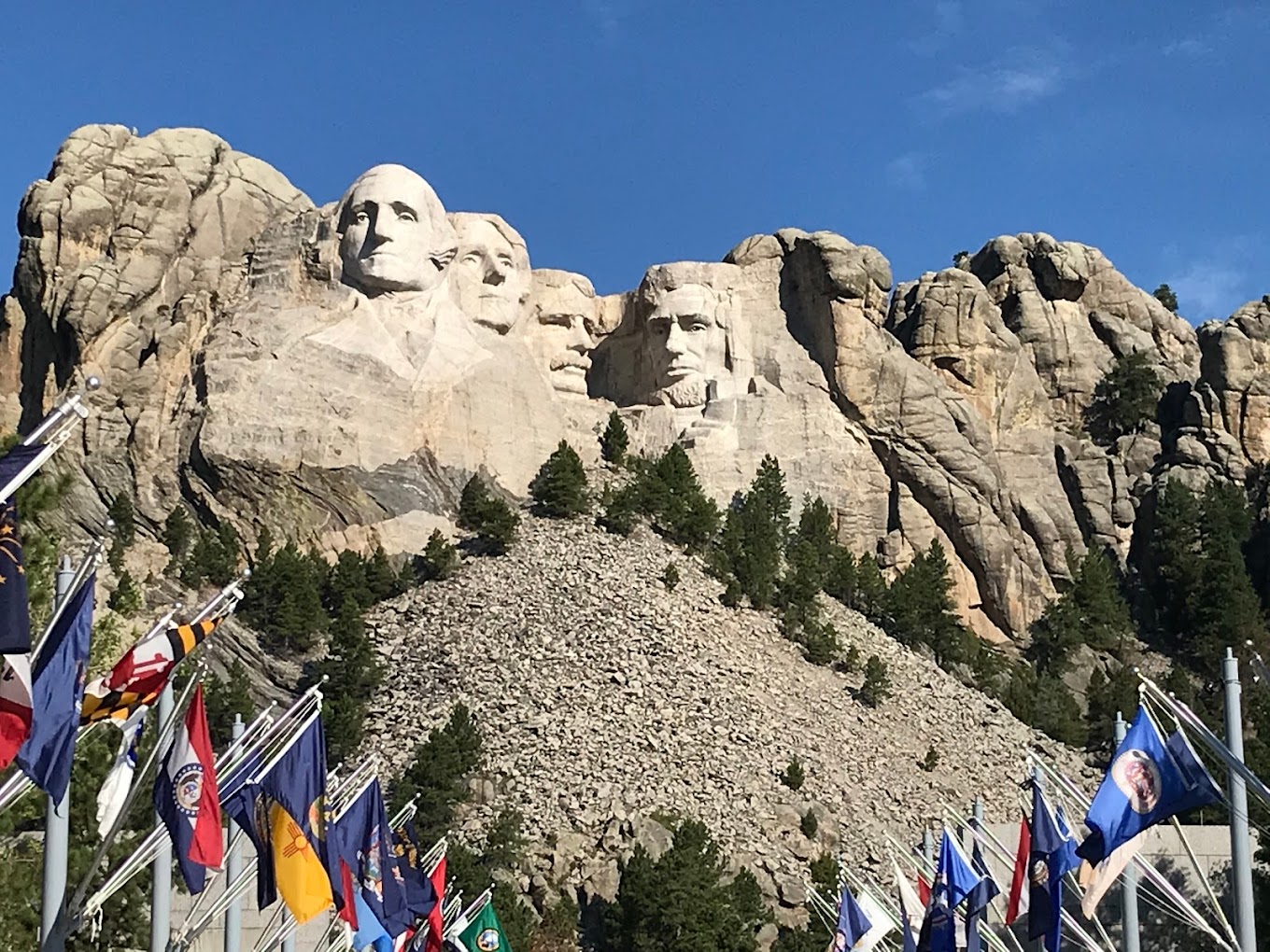
The memorial itself deserves time, but the experience becomes richer when connected with the surrounding roads and landscapes. Iron Mountain Road, nearby tunnels, granite formations, and the route toward Custer State Park turn the visit into a broader Black Hills day rather than an isolated stop.
This is one reason Sturgis should not be treated as a place from which to race toward every major attraction. The value lies in the connections between them.
Custer State Park Is Worth Relocating For
Custer State Park lies farther south and deserves more than a rushed day trip if time allows.
The park combines Wildlife Loop Road, Needles Highway, Sylvan Lake, campgrounds, granite formations, and some of the strongest hiking in the Black Hills. Black Elk Peak provides the region's landmark summit, while Little Devils Tower adds a shorter but more physical granite scramble ending with panoramic views.

Sturgis can serve as the northern beginning of the trip, but travelers planning several hiking days or early-morning wildlife drives may benefit from moving closer to Custer State Park. Good road-trip planning is not about refusing to relocate. It is about recognizing when the destination deserves to become the next basecamp.
Wind Cave, Jewel Cave, and the Southern Hills
Wind Cave National Park and Jewel Cave National Monument reveal another side of the region beneath the surface.
Both protect extensive cave systems, but the surrounding landscapes are also important. Wind Cave's prairie supports bison, pronghorn, prairie dogs, and a quieter open-country experience, while Jewel Cave sits among forested terrain farther west.
These destinations are better understood as part of the southern Black Hills rather than quick additions to a northern itinerary. Travelers who allow enough time can connect them naturally with Custer State Park, the town of Custer, and nearby campgrounds.
Badlands National Park Belongs to the Larger South Dakota Journey
Badlands National Park lies east of the Black Hills and feels entirely different from the forested terrain around Sturgis.
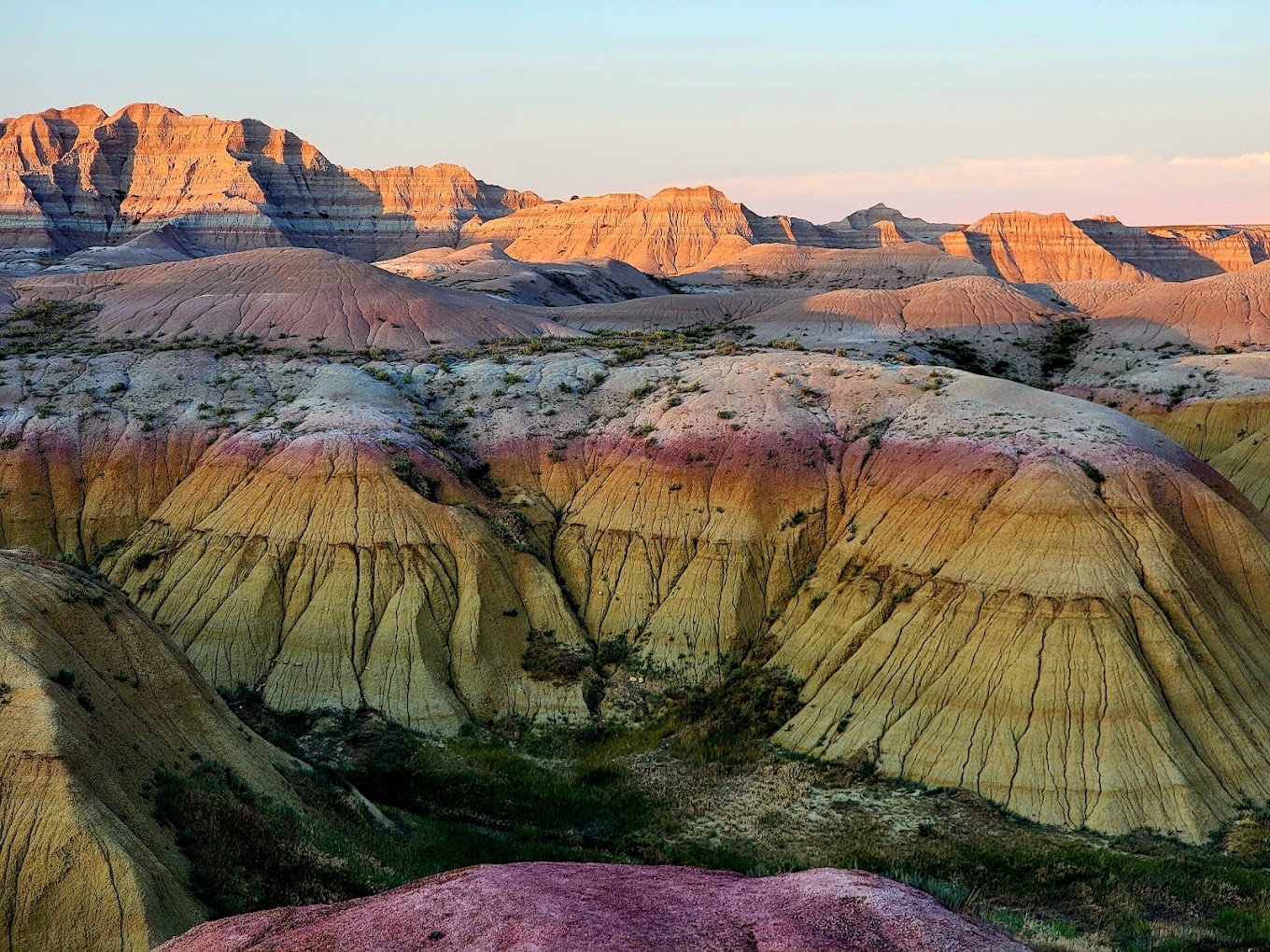
Sharp formations, broad prairie, exposed geology, and expansive skies create a dramatic transition for travelers arriving from or returning to Interstate 90.
Rather than forcing the Badlands into a crowded day trip from Sturgis, many travelers may prefer to experience the park as part of the route into or out of the Black Hills. That allows sunrise, sunset, short hikes, and scenic stops to become part of the visit instead of competing with a long return drive.
Black Hills National Forest Connects Everything
Black Hills National Forest fills much of the space between the region's famous destinations. It includes lakes, campgrounds, trailheads, forest roads, high points, quiet valleys, and places that receive far less attention than the major monuments and parks.
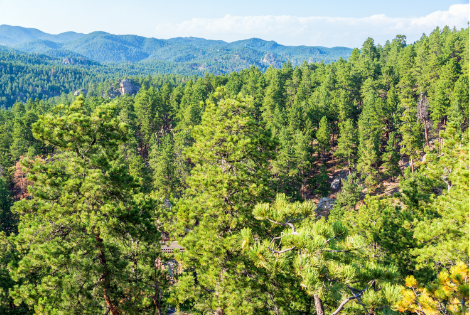
For many travelers, the forest is where the trip becomes more self-directed. A day that begins with a known destination may change because of a trail sign, lake, scenic pullout, or forest road discovered along the way.
Developed campgrounds and legal dispersed-camping opportunities may be available in portions of the forest, but current rules, fire restrictions, road conditions, closures, and stay limits should always be checked with the appropriate Forest Service office.
The national forest is not empty space between attractions. It is the landscape that allows the Black Hills to feel like one connected place.
Camping Fits the Black Hills Naturally
Camping works unusually well in this region because the distances between experiences are manageable and overnight options are widely distributed.
Private campgrounds near Sturgis can provide full services and easy access to town. National forest campgrounds offer quieter settings closer to lakes, trails, and scenic roads. Farther south, state park campgrounds make it possible to remain near Custer State Park's wildlife, hiking, and granite country.

The best approach may involve using more than one base. Several nights near Sturgis can support exploration of Deadwood, Spearfish Canyon, Fort Meade, and Devils Tower. Moving south later can reduce driving and create more time for Custer State Park, Wind Cave, and the southern hills.

This balance keeps the trip flexible without turning every day into another long commute.
Exploring by Campervan
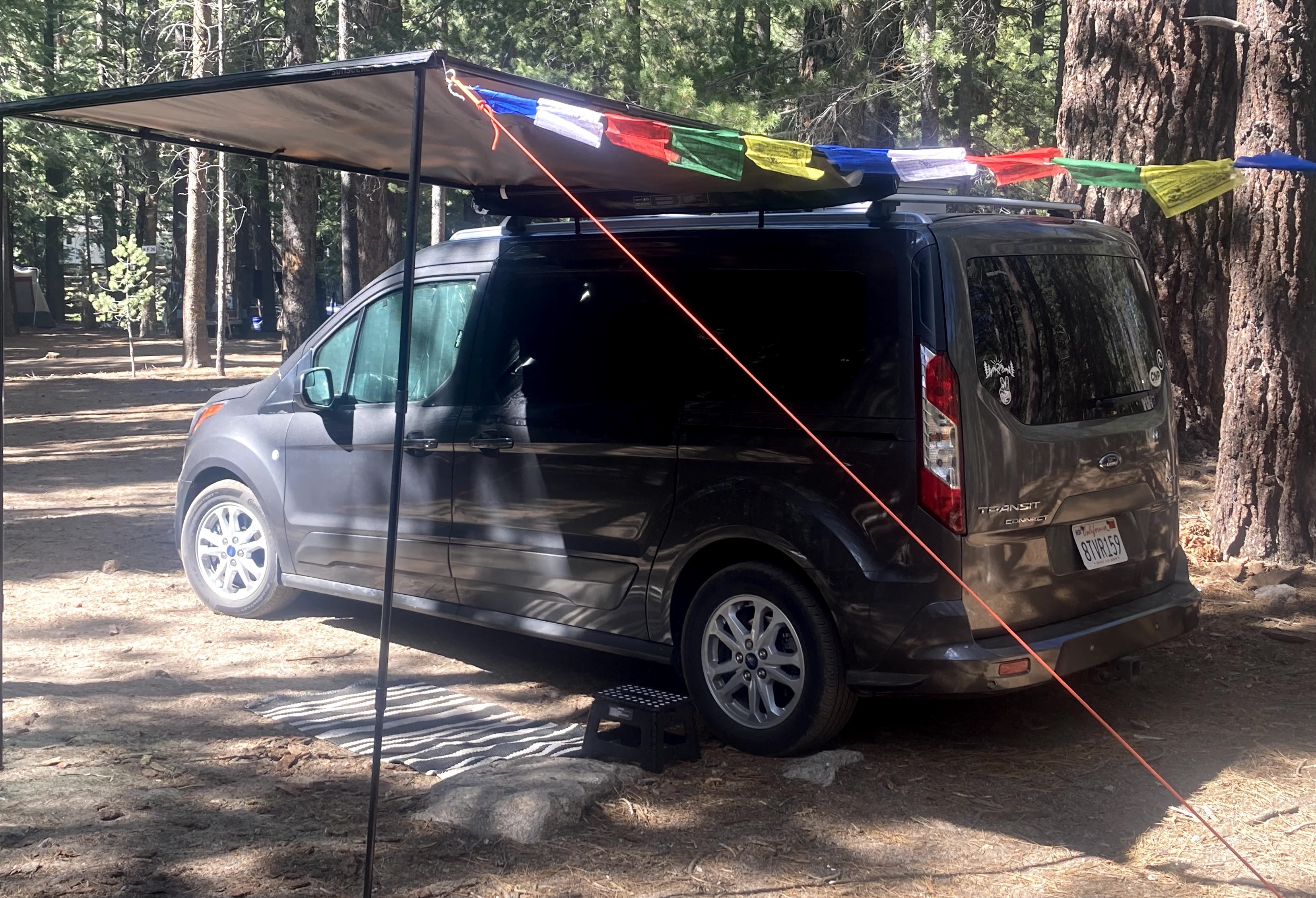
A campervan fits naturally into a region where each day may include town streets, trailheads, narrow scenic roads, campgrounds, wildlife areas, and historic sites.
A Mini-T Campervan carries the essentials needed for a flexible Black Hills road trip while remaining easy to maneuver around town, scenic pullouts, trailheads, and campgrounds.
The campervan does not need to become the focus of the trip. Its value is that the day does not have to end because a hotel reservation is waiting somewhere else. A scenic stop can last longer, a nearby campground can become home for the night, and tomorrow's route can change because of weather, wildlife, or a recommendation received along the way.
Vehicle dimensions should always be checked before driving restrictive roads and tunnels, particularly on routes such as Needles Highway. A manageable vehicle helps, but careful planning still matters.
Sturgis Beyond the Rally
For many people, Sturgis begins as a famous name on a map.
Spend time there outside rally season and the town becomes something different: a quieter Black Hills community with history, local character, campgrounds, and roads leading in nearly every direction.
The rally will always be part of Sturgis' story, but it does not have to define every visit. For campervan travelers exploring the northern Black Hills, the town can serve as a practical place to begin, pause, resupply, and decide where the road should lead next.
That may be the more lasting Sturgis experience. Not the crowds, noise, or one famous week in August, but the winding roads, quiet evenings, historical stops, and unexpected places found after the motorcycles have gone home.
Happy Camping!

DLM-Distribution / Campervans is a licensed manufacturer and dealer located in Lake Crystal, Minnesota, serving clients around the country.
Contact Dave: 651-285-7089 or Candy: 507-382-9446 today!