
Winter arrives differently in the Sonoran Desert. Mornings can begin cool enough for a light jacket, afternoons invite time outdoors, and the low desert sun stretches across mountains, saguaros, and open country in a way that feels particularly welcome when much of the country is deep into winter.
Casa Grande, Arizona, sits comfortably within that landscape between Phoenix and Tucson. It is not a resort town trying to fill every hour of a visitor’s day. Its appeal is quieter. People come for the winter climate, outdoor time, golf, nearby desert landscapes, and the ability to settle into a slower seasonal rhythm while still having plenty to explore within an easy drive.
For travelers spending several weeks or months in southern Arizona, that location can be particularly useful. Casa Grande can be a destination, but it can just as easily become a home base from which the surrounding desert gradually unfolds.
Why Winter Changes the Experience
Southern Arizona has two very different personalities. Summer brings extreme desert heat, while the cooler months create the conditions that draw seasonal residents and winter travelers from across the country.
Winter days lend themselves to morning walks, golf, scenic drives, historical sites, desert photography, birding, outdoor dining, and simply spending more time outside. The landscape itself also becomes easier to appreciate when exploring does not have to be organized around escaping afternoon heat.
That seasonal change is part of the reason Casa Grande has long appealed to winter residents. It provides the everyday conveniences of a community while keeping the desert close enough that an ordinary afternoon can easily turn into a drive toward mountains, public lands, or a nearby historical site.
Begin with the Place Behind the Name
A short drive from Casa Grande leads to Coolidge and one of the region’s most important historical sites: Casa Grande Ruins National Monument.
The monument preserves part of an Ancestral Sonoran Desert People’s community and an extensive irrigation system that once supported agriculture in this dry landscape. At its center stands the Great House, an extraordinary earthen structure that has survived for more than six centuries.
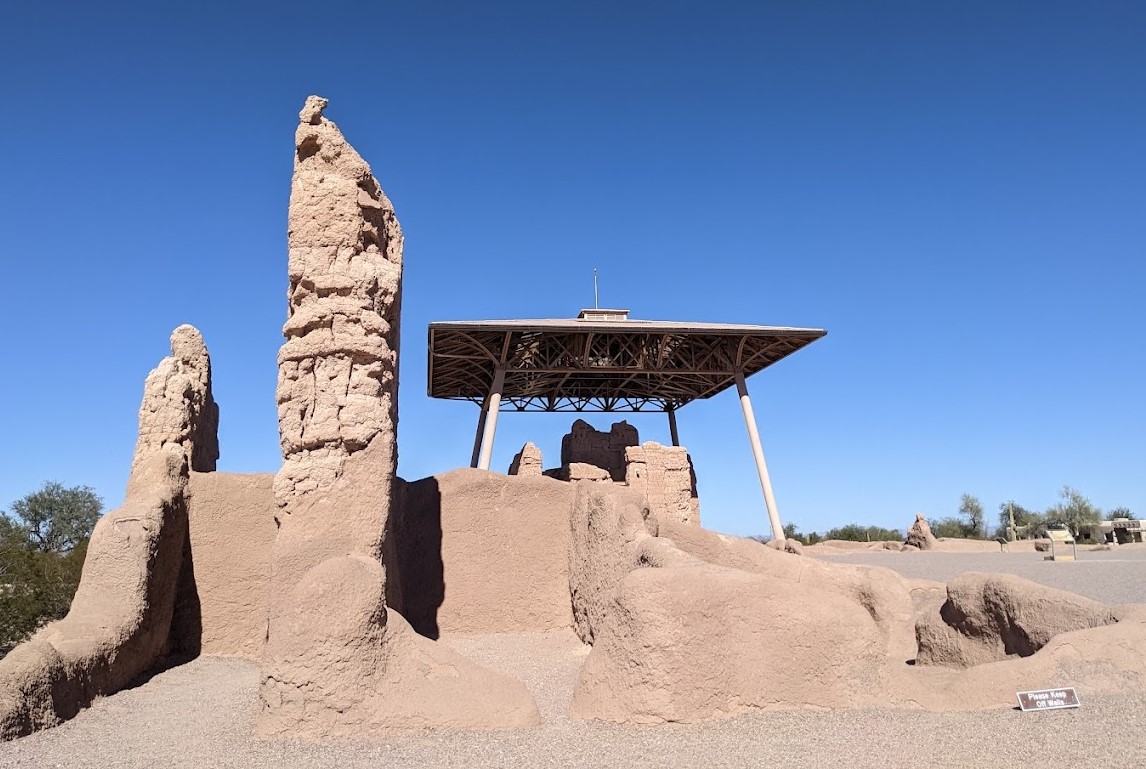
The experience is less about rushing from one attraction to another and more about slowing down enough to consider what existed here long before modern Arizona. Communities developed sophisticated canal systems, farmed the desert, traded across a broad region, and created architecture whose purpose still invites questions today.
It is worth allowing time for the visitor center and the walk around the historic area rather than treating the monument as a quick roadside stop. Travelers should also check current National Park Service information for Casa Grande Ruins National Monument before visiting, particularly for seasonal programs, hours, and current conditions.
Picacho Peak Changes the Horizon
Drive southeast from Casa Grande and the landscape eventually becomes dominated by the unmistakable profile of Picacho Peak. Rising sharply from the desert floor near Interstate 10, it is one of those landmarks that seems to grow more dramatic the closer you get.
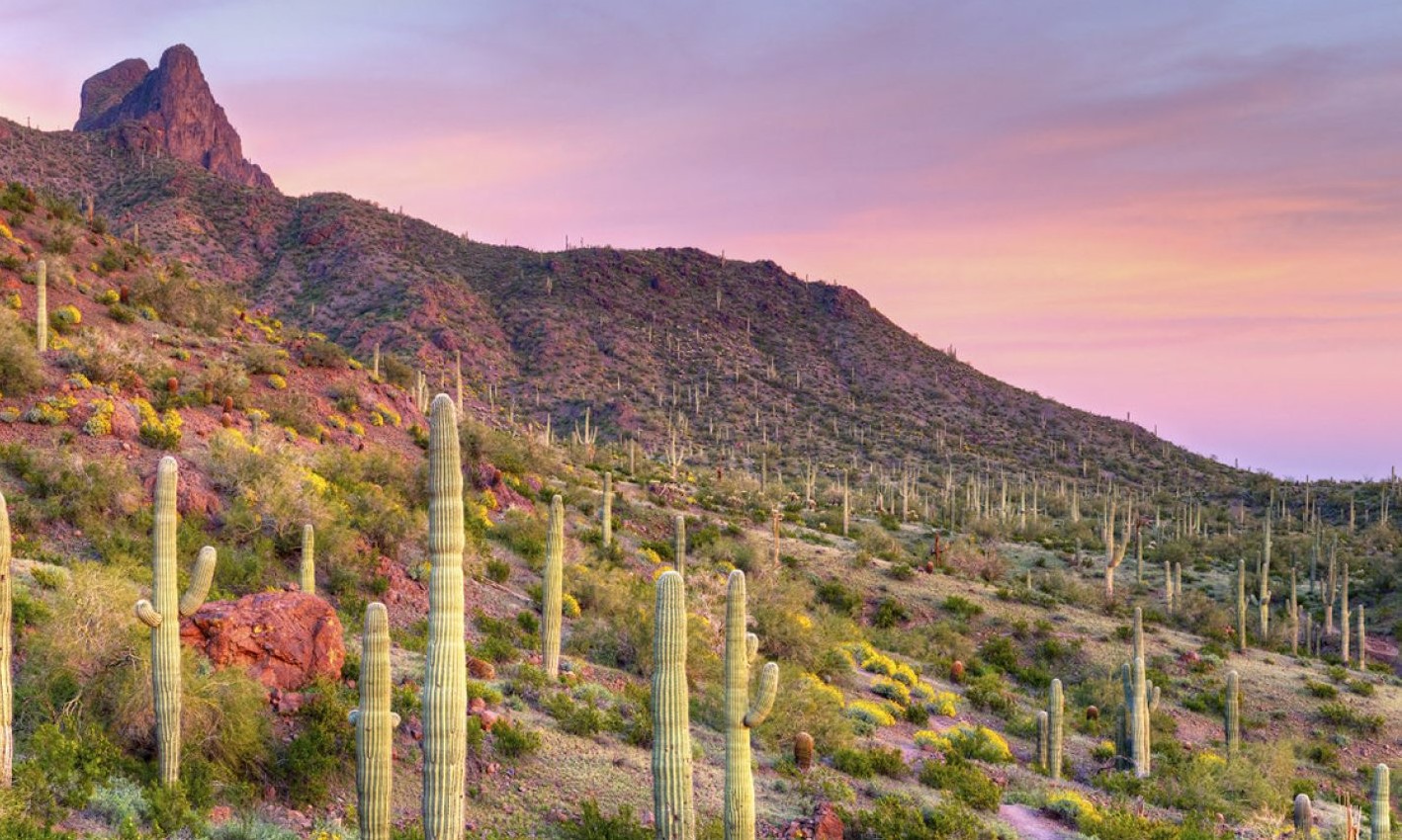
Picacho Peak State Park gives visitors an opportunity to leave the highway behind and experience the desert at walking pace. Trails range in difficulty, and the surrounding landscape provides the kind of broad Arizona views that are difficult to appreciate through a windshield alone.
Spring can add another dimension when conditions produce displays of desert wildflowers, but winter has its own advantages: cooler temperatures, long views, and the pleasure of hiking without the intensity of summer heat.
You do not have to climb to the summit to enjoy the park. A shorter walk, picnic, photography stop, or quiet afternoon beneath the peak can be reason enough to visit.
The Sonoran Desert Is Not Empty
To someone seeing it for the first time, the desert can initially appear sparse. Spend a little time in it and that impression changes.
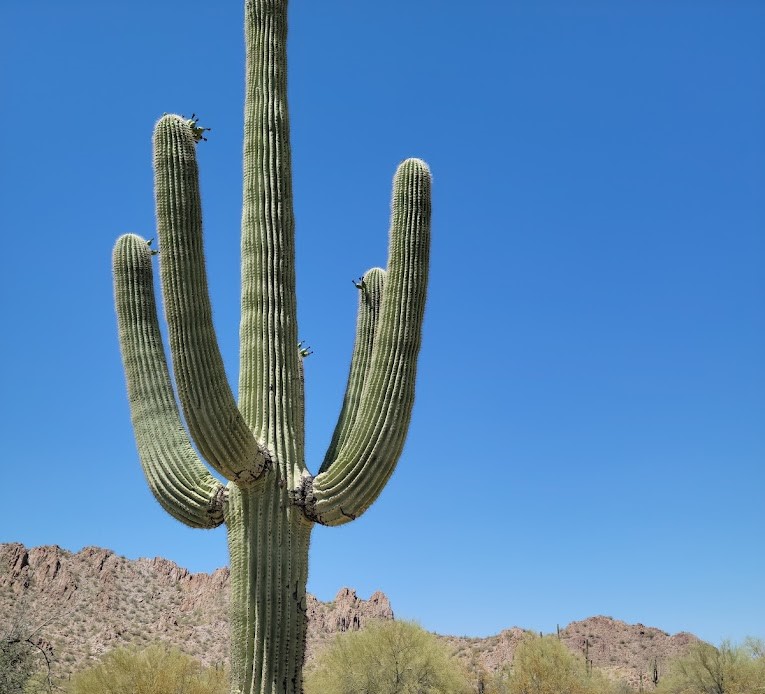
The Sonoran Desert is full of texture: saguaros and other cacti, desert shrubs, washes, distant mountain ranges, birds, changing light, and wildlife adapted to conditions that seem impossibly dry. Sunrise and late afternoon can transform an otherwise muted landscape as shadows stretch across the ground and mountains change color.
Sonoran Desert National Monument, west of Casa Grande, protects a broad expanse of this environment and provides a very different experience from developed attractions. This is country for scenic exploration, photography, wildlife observation, and appreciating just how much open space still exists within reach of Arizona’s growing cities.
Desert travel deserves respect, even during the cooler months. Carry water, pay attention to road conditions and weather, understand where paved roads end, and avoid assuming that every interesting-looking route is appropriate for every vehicle. The desert rewards curiosity, but preparation remains part of enjoying it.
Leave Time for Casa Grande Itself
Not every day needs to become an excursion. Part of spending time in Casa Grande is allowing the community itself to become familiar.
Historic downtown, local restaurants, shops, golf, community events, and ordinary neighborhood life provide a counterbalance to days spent exploring the desert. For seasonal residents, that balance can be more important than having a long list of conventional tourist attractions.
There is something pleasant about reaching the point in a longer stay when you have a favorite grocery store, know where you like to have breakfast, recognize the roads without checking navigation, and still have unexplored country waiting beyond town.
That is a different style of travel from passing through for a night, and Casa Grande lends itself well to it.
A Good Base for Exploring Southern Arizona
Casa Grande’s location between Phoenix and Tucson creates possibilities well beyond the immediate area. Either metropolitan area can become a day trip, while smaller communities, mountain landscapes, historical sites, state parks, and desert roads fill the spaces in between.
That means a winter stay does not need to follow a fixed itinerary. One day might be spent hiking. Another could involve history or golf. A third might be nothing more ambitious than lunch somewhere new followed by a scenic drive home before sunset.
For travelers with time, this slower approach often reveals more than trying to collect destinations as quickly as possible. Southern Arizona is particularly suited to wandering because the landscape itself provides much of the attraction.
Why a Smaller Campervan Fits This Kind of Travel
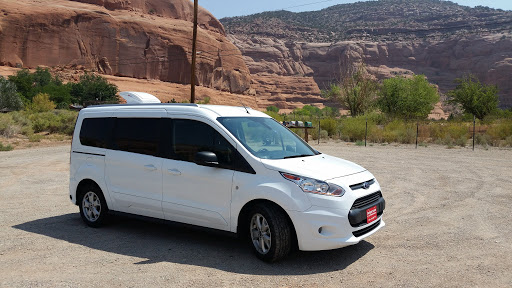
A smaller campervan makes sense in Casa Grande for many of the same reasons it works elsewhere: it can serve as both the travel vehicle and the vehicle used once you arrive.
There is no need to leave a large motorhome at a campsite and arrange separate transportation for a trip into town, a trailhead, lunch, or an afternoon drive. A campervan can move through ordinary parking lots and streets during the day, then return to a campground or other appropriate overnight location afterward.
For seasonal residents who maintain a home or winter residence in Arizona, garageability can become even more useful. A garageable Mini-T can be kept at home where appropriate clearance is available rather than requiring dedicated outdoor RV storage. For people living in communities with restrictions on outdoor RV parking, this can also make ownership easier, although individual HOA and community rules should always be checked.
The advantage is not simply that the campervan is smaller. It is that owning and using it can require fewer compromises between trips.
Travel Without Turning Every Day into a Camping Day
One of the more useful aspects of a campervan in a place like southern Arizona is that not every outing has to become an overnight camping trip.
You can leave Casa Grande in the morning with food in the refrigerator, spend the day exploring, stop somewhere scenic for lunch, and return home that evening. On another trip, the same vehicle can continue farther and become your sleeping accommodations for several nights.
The Mini-T Campervan lineup is designed around that kind of flexibility. Depending on the model, Mini-T Campervans provide sleeping accommodations for two, refrigeration, microwave cooking, roof ventilation, solar-supported electrical capability, 120V off-grid power, shore-power capability, and storage while remaining practical for everyday transportation.
That combination can be particularly useful for seasonal travelers. The campervan does not have to sit waiting for the next major vacation. It can simply become the vehicle you use to see what is beyond the next desert ridge.
The Appeal of Staying Long Enough to Stop Being a Tourist
There is a point during a longer stay when a destination begins to feel different. You stop trying to see everything. You become willing to return to places you enjoyed. You recognize roads. You notice how the mountains look different in the evening than they did that morning.
For many winter travelers, that may be the real attraction of Casa Grande.
It provides sunshine and access to the Sonoran Desert, but it also provides something less tangible: enough room in the schedule to slow down. Casa Grande Ruins can occupy one morning. Picacho Peak can wait until next week. A desert drive can happen simply because the weather is beautiful and there is nowhere else you need to be.
Travel does not always need a distant endpoint to be worthwhile. Sometimes having a comfortable place to stay, a vehicle ready to explore, and another Arizona winter day ahead is enough.
Happy Camping!
DLM-Distribution / Campervans is a licensed manufacturer and dealer located in Lake Crystal, Minnesota, serving clients around the country.
Contact Dave: 651-285-7089 or Candy: 507-382-9446 today!