
Exploring Atlanta, Georgia: City Attractions, State Parks, and Scenic Campervan Road Trips
Atlanta is a city that rewards travelers who look beyond the skyline. Its neighborhoods, historic landmarks, museums, gardens, and restaurants offer plenty of reasons to spend several days exploring, yet some of Georgia's most inviting outdoor destinations are surprisingly close. Within a relatively short drive, busy city streets give way to wooded trails, rushing creeks, quiet lakes, and campgrounds where the pace of the day feels entirely different.
That contrast makes Atlanta an interesting starting point for a campervan road trip. Rather than choosing between a city vacation and a camping adventure, travelers can experience both. A morning might begin at a museum or historic neighborhood, while the afternoon leads toward a lakeside campsite or a walk through a Georgia state park.
For travelers arriving from other parts of the country, Atlanta also offers a useful introduction to the variety of landscapes found across northern and central Georgia. The city itself deserves attention, but so does the country surrounding it.

Atlanta: A City of History, Neighborhoods, and Green Spaces
Atlanta's identity has been shaped by transportation, commerce, the civil rights movement, and a remarkable period of growth. The city became an important railroad center in the nineteenth century, endured destruction during the Civil War, and later emerged as one of the South's major business and cultural centers. Its role in the American civil rights movement remains central to understanding both Atlanta and the nation's history.
Today, visitors encounter that history alongside modern attractions, distinctive neighborhoods, public parks, and a thriving food scene. Atlanta's extensive tree canopy has earned it the familiar description "City in a Forest," and that greenery helps give many residential streets and neighborhoods a character quite different from the downtown skyline.
The 1996 Summer Olympics left a lasting mark on the city, including Centennial Olympic Park, which remains a popular gathering place in downtown Atlanta. Film and television production have also become important parts of the regional economy, contributing to Georgia's growing reputation as a center for the entertainment industry.
For visitors, the most enjoyable approach is often to explore Atlanta a neighborhood or attraction at a time rather than trying to see everything in a single day. Traffic can be substantial, especially during commuting hours, and giving each destination adequate time makes the experience more enjoyable.
Discovering Atlanta's Most Memorable Attractions
Downtown Atlanta provides a natural starting point for first-time visitors. Near Centennial Olympic Park, the Georgia Aquarium offers an extraordinary look at aquatic environments and marine life, with large exhibits that can easily occupy several hours. Nearby, the World of Coca-Cola explores the history of one of Atlanta's best-known companies and its influence on advertising, popular culture, and international business.
These attractions are close enough to make a downtown sightseeing day practical, although visitors should allow time for parking, walking, and exploring the surrounding area. Centennial Olympic Park itself provides an opportunity to spend some time outdoors between museum visits.
One of Atlanta's most meaningful destinations is the Martin Luther King, Jr. National Historical Park. Located in the Sweet Auburn neighborhood, the park preserves places associated with Dr. King's life and the American civil rights movement, including Ebenezer Baptist Church and the surrounding historic district. Walking through this neighborhood offers an opportunity to understand important chapters of American history in the places where they unfolded. Visitors should check current National Park Service information for tour availability and access to individual historic buildings.
For a different side of Atlanta, Piedmont Park and the nearby Atlanta Botanical Garden provide a welcome change of pace. Piedmont Park is one of the city's best-known green spaces, with walking paths, open lawns, and views of the Midtown skyline. The botanical garden offers carefully designed plant collections, seasonal displays, and exhibits that make it a destination in its own right.
Atlanta also rewards travelers who leave room for unplanned discoveries. Neighborhood restaurants, local shops, public art, and historic streets can be just as memorable as the major attractions. Spending time in places such as Midtown, Virginia-Highland, or the neighborhoods surrounding the Atlanta BeltLine reveals a more personal side of the city.
From Atlanta's Streets to Georgia's State Parks
One of the advantages of exploring Georgia by campervan is the ability to move between city attractions and outdoor destinations without changing vehicles or arranging a separate camping trailer. The Mini-T Campervan is particularly practical for this style of travel because it retains the manageable dimensions and everyday driving characteristics of a passenger vehicle while providing sleeping accommodations, refrigeration, and other camping conveniences.
That flexibility does not eliminate Atlanta traffic or the need to plan for parking. Popular downtown attractions may have parking garages with height restrictions, and travelers should always check posted clearances before entering. But a lower-profile campervan can be considerably easier to maneuver through urban areas than a larger motorhome, while remaining ready for camping once the day's sightseeing is finished.

The following destinations offer several different ways to experience the landscape beyond Atlanta. Some are well suited to day trips, while others invite travelers to stay overnight and continue exploring at a more relaxed pace.
Stone Mountain Park: A Familiar Landmark East of Atlanta
Approximately 20 miles east of downtown Atlanta, Stone Mountain rises prominently above the surrounding landscape. Its enormous granite dome is one of the region's most recognizable natural landmarks, and the park surrounding it combines outdoor recreation, walking trails, scenic views, and family-oriented attractions.
Visitors who enjoy hiking can take the trail toward the summit, where broad views extend across the surrounding countryside and, on clear days, toward Atlanta's skyline. Other trails provide opportunities to explore wooded areas and the lakeside landscape at a gentler pace.
Stone Mountain Park also has a campground, making it possible to stay outside the city while keeping Atlanta's attractions within driving distance. Campers should review current site options, entrance fees, and park schedules before arriving, particularly when special events are taking place.
Stone Mountain is also a place where history deserves thoughtful attention. The mountain's large Confederate memorial carving and its historical associations have been the subject of longstanding public discussion. Visitors interested in understanding the site more fully may find that its history adds an important dimension to the natural scenery.
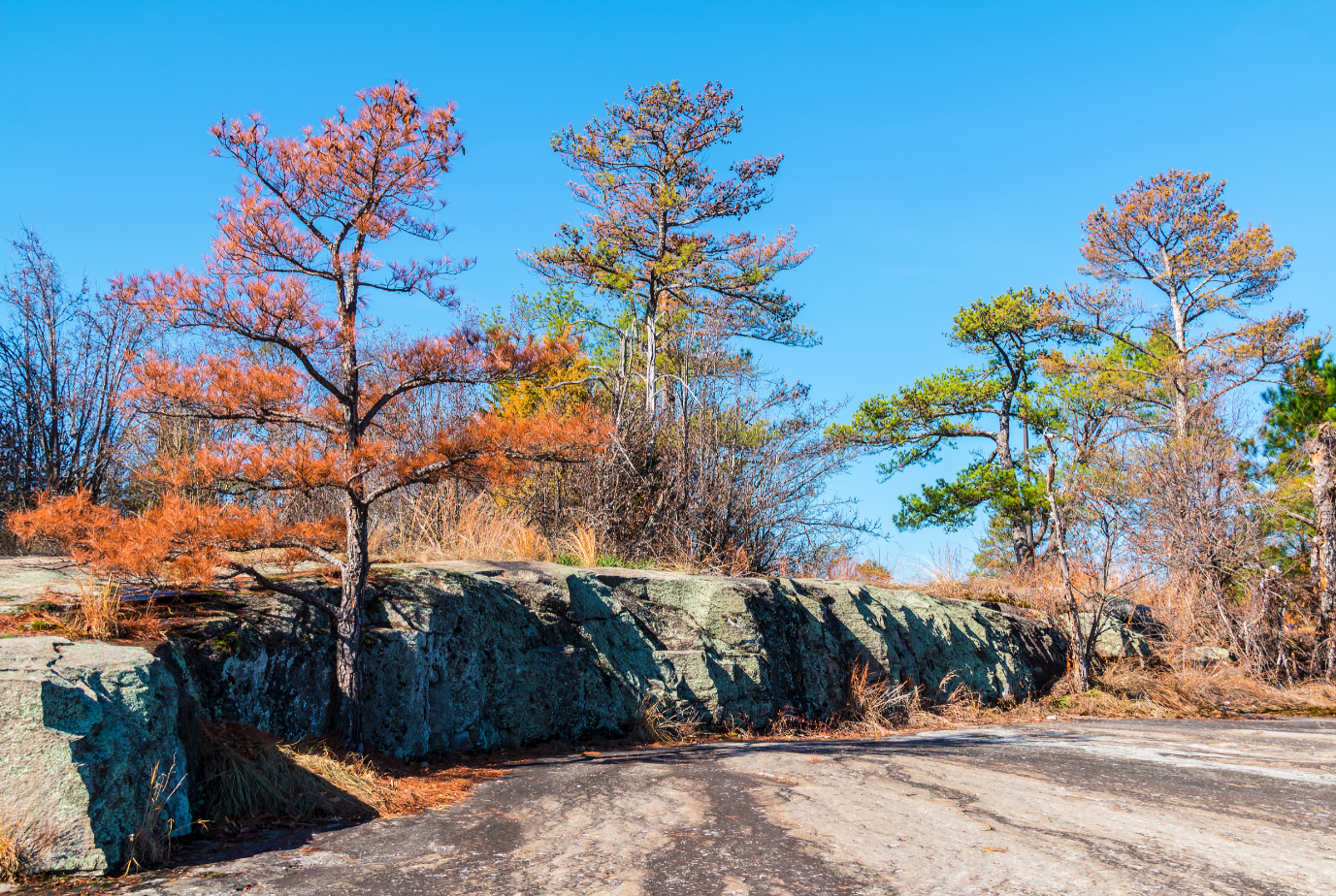
Sweetwater Creek State Park: Forest Trails, Rapids, and History
West of Atlanta, Sweetwater Creek State Park offers a remarkable change of scenery without requiring a long journey from the metropolitan area. The park protects a wooded landscape where Sweetwater Creek flows over rocky shoals and past the remains of the New Manchester Manufacturing Company textile mill.
The mill ruins are among the park's most distinctive features. The factory was destroyed during the Civil War, and its remaining stone walls stand beside the creek, creating a setting where natural beauty and Georgia history are closely connected. Trails lead visitors through the forest toward views of the ruins and the water flowing over the rocks.
Sweetwater Creek is particularly rewarding for hikers and photographers, but it also offers quieter recreational opportunities around George H. Sparks Reservoir. Depending on current park operations, visitors may find opportunities for paddling, fishing, and other lake activities.
Camping accommodations at Sweetwater Creek are different from those found at a conventional RV campground. The park is known for its yurts and walk-in tent camping rather than a traditional campground with full-service RV hookups. Campervan travelers planning to stay overnight should verify current accommodations and vehicle restrictions rather than assuming that an ordinary RV campsite is available.
Even when visited as a day trip, Sweetwater Creek is worth the drive. The combination of river scenery, historic ruins, and wooded trails provides an experience that feels far removed from the nearby city.
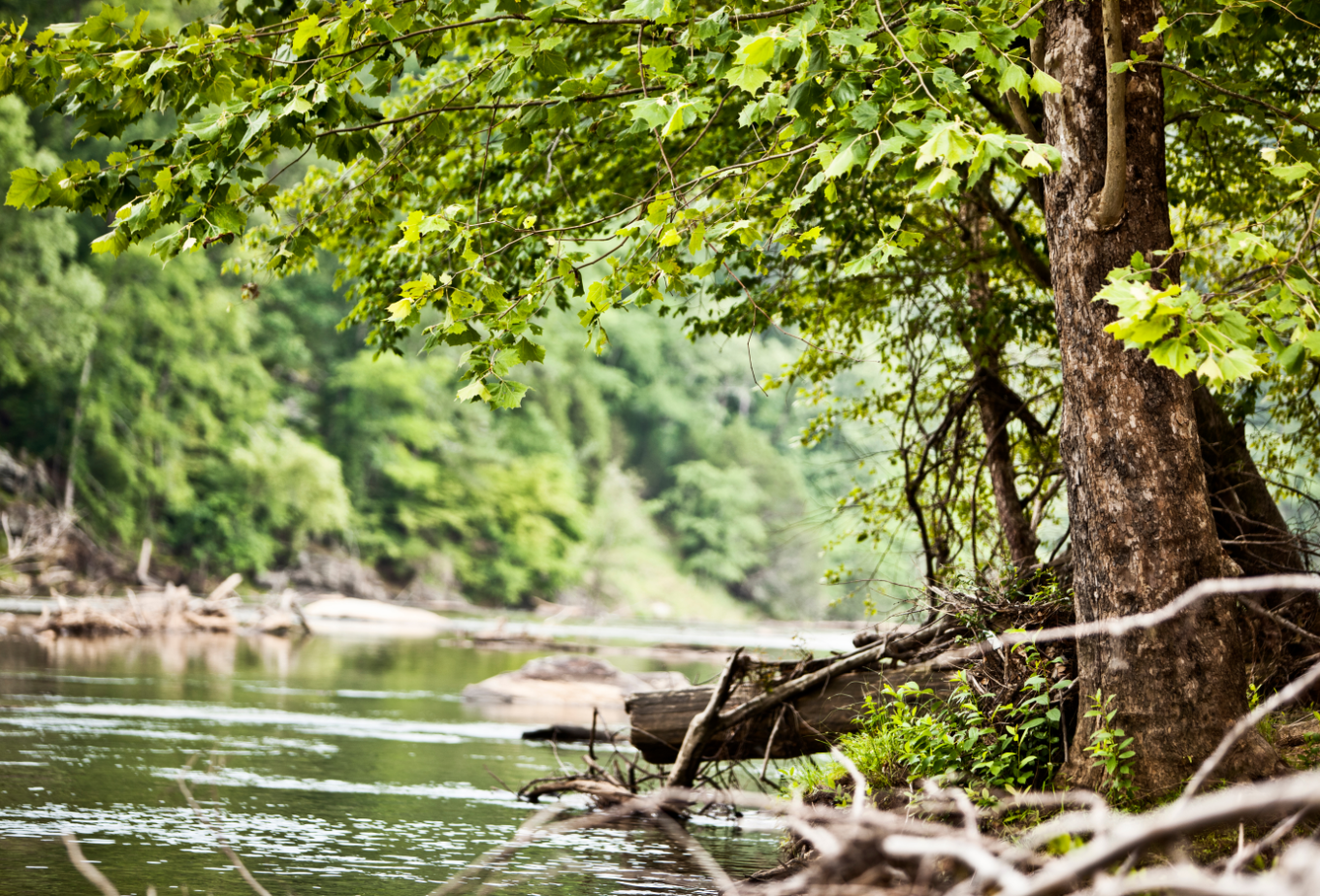
Red Top Mountain State Park: Camping Along Lake Allatoona
Northwest of Atlanta, Red Top Mountain State Park occupies a wooded peninsula extending into Lake Allatoona. The park is a favorite destination for hiking, camping, boating, and enjoying the lake, with trails that wind through the forest and along portions of the shoreline.
For travelers who want to spend a night or two outside the city, Red Top Mountain offers a convenient setting. Its state park campground provides campsites for RVs and other campers, allowing visitors to enjoy the lake and surrounding trails while remaining within reach of Atlanta and the communities to the northwest.
Lake Allatoona is also home to several other camping areas, including McKinney Campground, which is operated separately by the U.S. Army Corps of Engineers. McKinney is not part of Red Top Mountain State Park, although both provide opportunities to camp near the same lake. Travelers comparing sites should review the facilities, hookups, and reservation requirements for the specific campground they intend to use.
Red Top Mountain is particularly appealing when the goal is to slow down. A morning walk through the trees, an afternoon beside the water, and a quiet evening at the campsite can provide a pleasant contrast to several busy days of city sightseeing.
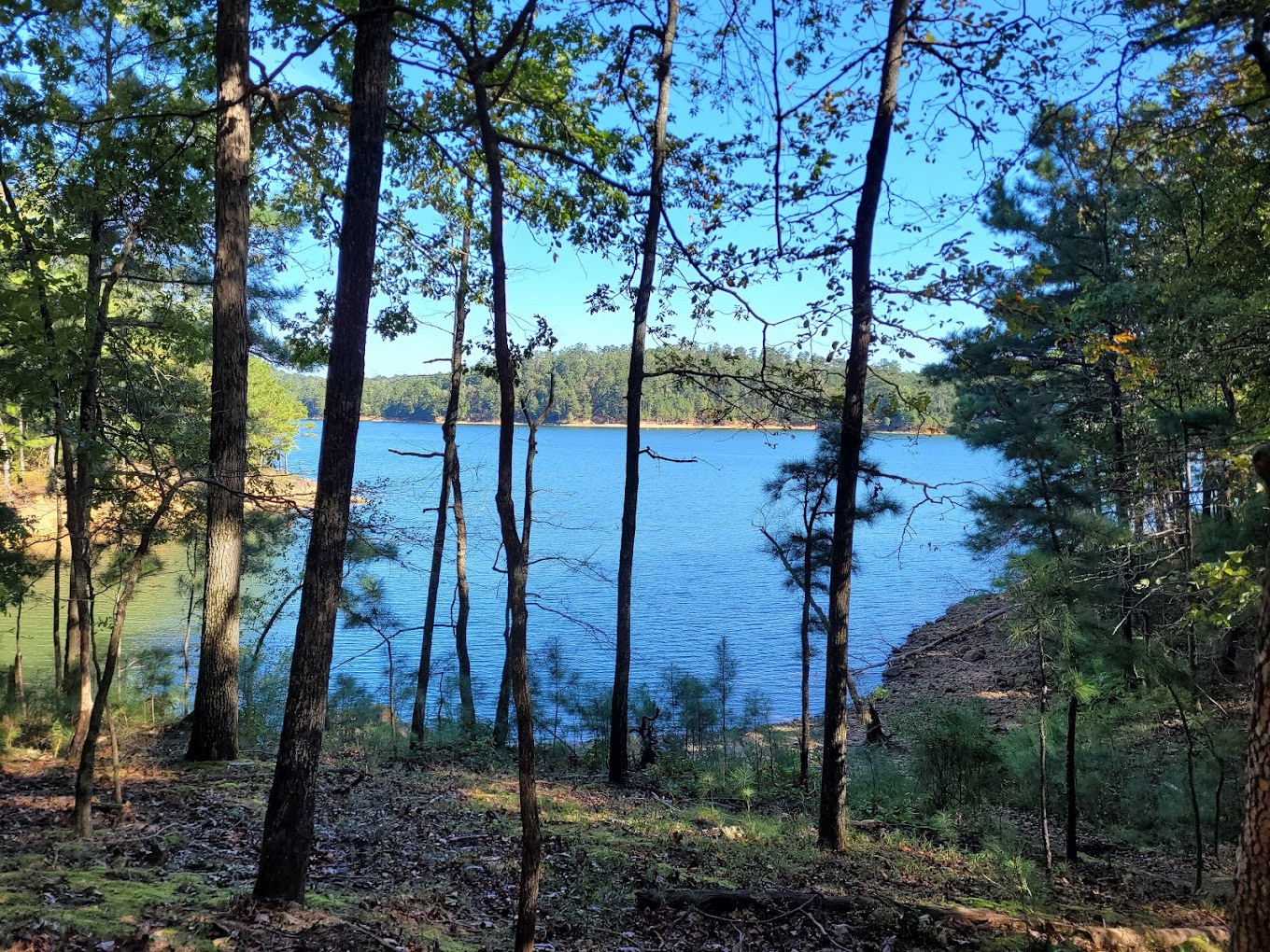
High Falls State Park: A Waterfall Stop South of Atlanta
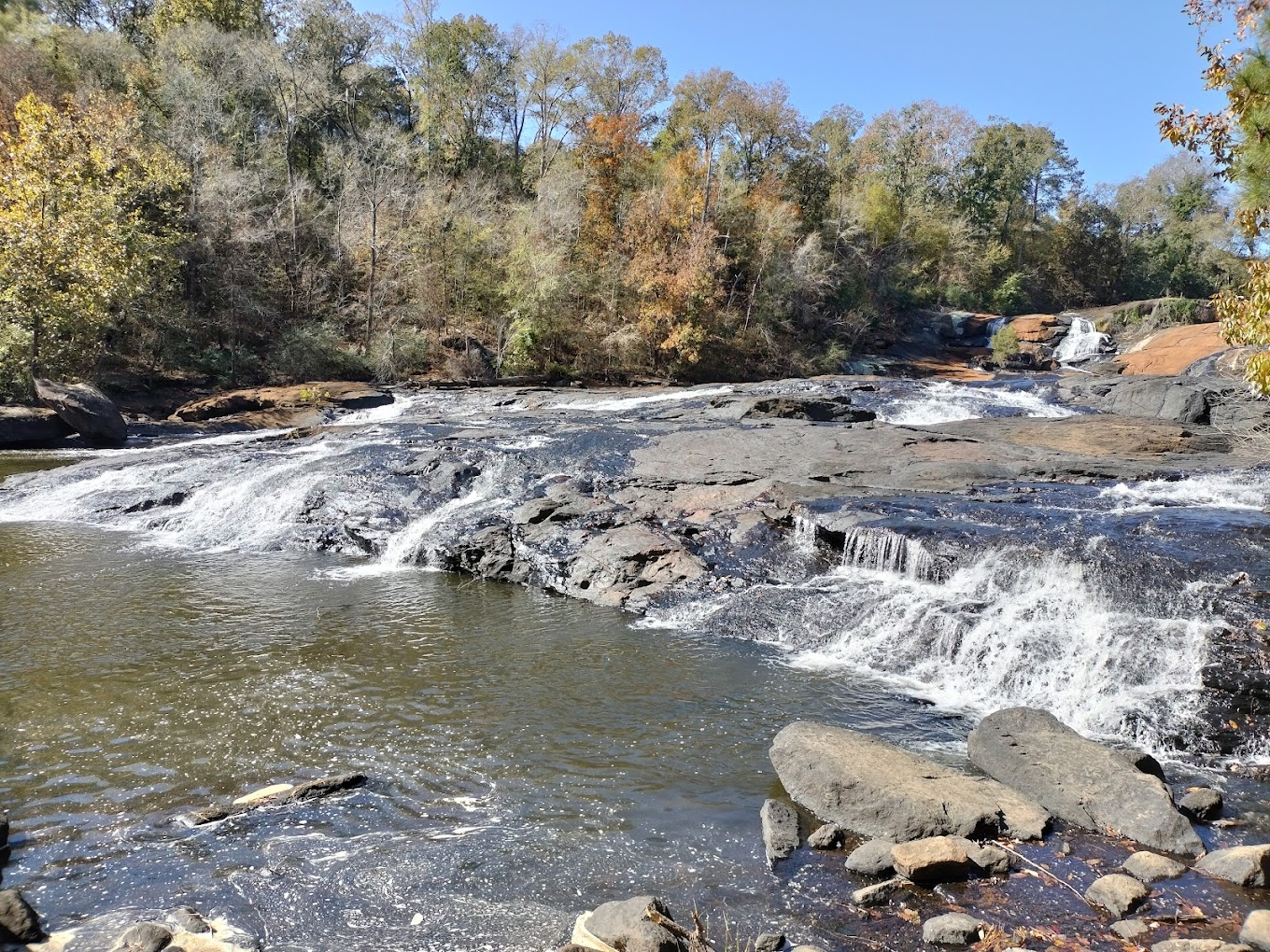
Travelers heading south from Atlanta toward Macon can make High Falls State Park part of their journey. Located near Interstate 75, the park is known for the Towaliga River, which tumbles across broad rock formations in a series of impressive cascades.
The falls are especially striking after periods of substantial rainfall, although the river and surrounding landscape are worth visiting throughout the year. Walking trails provide different perspectives of the water, while the remains of historic industrial structures recall an earlier period when the river helped power local activity.
High Falls also offers camping, fishing, and recreational opportunities around its lake. For campervan travelers, it can serve as an overnight destination or a worthwhile break during a longer north-south Georgia road trip. Campground facilities and individual site amenities vary, so checking current reservation information is useful before choosing a campsite.
What makes High Falls memorable is the contrast between its convenient location near a major travel corridor and the atmosphere beside the river. A short detour from the interstate can lead to an afternoon of walking, photography, and enjoying a very different side of Georgia.
Planning a Georgia Road Trip Around Atlanta
Atlanta works well as the center of a flexible road trip rather than a destination that must be explored in one continuous visit. Travelers might spend a day downtown, visit the Martin Luther King, Jr. National Historical Park, enjoy the Botanical Garden, and then choose a nearby campground as a base for exploring beyond the city.
Stone Mountain and Sweetwater Creek offer relatively convenient excursions east and west of Atlanta. Red Top Mountain introduces the lakes and wooded countryside to the northwest, while High Falls is a natural choice for travelers continuing south toward Macon. These destinations do not need to be visited in a particular order. Their value lies in allowing travelers to shape the trip around their interests and the direction they are already traveling.
Atlanta's traffic is worth considering when planning the day. Traveling outside the busiest commuting periods can make the experience more pleasant, particularly when crossing the metropolitan area. It is also wise to reserve campsites ahead of time during popular weekends and holiday periods, when state park accommodations may fill quickly.
Georgia's climate brings another consideration. Summers can be hot and humid, while spring and autumn often provide comfortable conditions for walking and outdoor exploration. Winter can also be a rewarding season for visiting the region, although temperatures and weather conditions vary. Travelers should plan around current forecasts and remember that a campervan's electrical and ventilation systems have practical operating limits.
Why Atlanta Is Worth More Than a Quick Stop
Some cities are best experienced through their museums, restaurants, and neighborhoods. Some regions are remembered for their forests, lakes, and trails. Atlanta and the surrounding Georgia countryside offer the opportunity to enjoy both within the same journey.
A day spent learning about the civil rights movement can be followed by an evening beside Lake Allatoona. A morning among the exhibits of the Georgia Aquarium might lead to an afternoon walking beside Sweetwater Creek. Travelers continuing south can trade the Atlanta skyline for the sound of water cascading over the rocks at High Falls.
For those traveling in a Mini-T Campervan, the appeal is the freedom to move naturally between these experiences. The vehicle provides a practical way to explore the city and then continue into the countryside, with camping accommodations ready when the day's travels come to an end.
But the real attraction is Georgia itself. Atlanta's history and energy, the forests surrounding the city, the lakes and rivers, and the state parks scattered across the region create a journey that can be as varied as the traveler chooses.
Sometimes the most memorable part of visiting a city is discovering how much there is to experience just beyond it.
Happy Travels & Happy Camping!
DLM-Distribution / Campervans is a licensed manufacturer and dealer located in Lake Crystal, Minnesota, serving clients around the country.
Contact Dave: 651-285-7089 or Candy: 507-382-9446 today!