HOA Street Parking vs. Private Driveways: What Can an HOA Regulate?
One of the most common questions homeowners ask is whether a Homeowners Association (HOA) can regulate where vehicles are parked. The answer depends largely on whether the parking area is public or private and what authority has been granted to the HOA through its governing documents.
Understanding the difference between public streets, private streets, garages, and driveways can help homeowners avoid misunderstandings and make informed decisions when choosing vehicles, RVs, campervans, or recreational equipment.

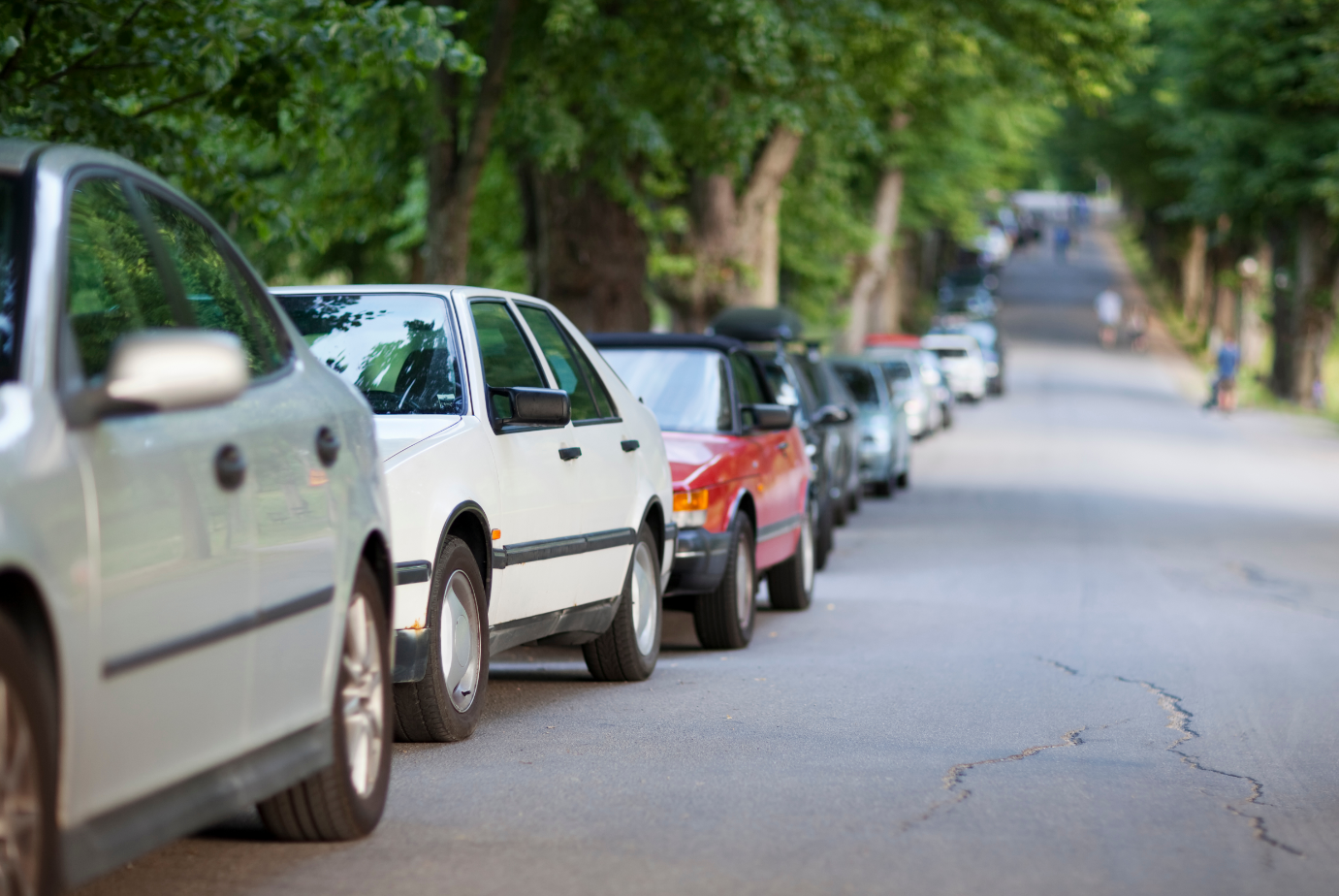
Can an HOA Regulate Street Parking?
In many communities, HOA authority over street parking depends on whether the streets are public or privately owned.
Public streets are generally maintained by a city, county, or other government entity. In those situations, parking regulations are often governed by local ordinances and enforced by law enforcement rather than the HOA itself. However, some municipalities may allow HOAs to work with local governments regarding parking restrictions, so homeowners should always review their community's governing documents and local regulations.
Private streets are different. Because they are owned and maintained by the association, HOAs often have broader authority to establish and enforce parking rules. These rules may include restrictions on overnight parking, guest parking, commercial vehicles, recreational vehicles, or long-term vehicle storage.
How Can You Tell if a Street Is Public or Private?
A simple starting point is determining who maintains the roadway.
If the street is maintained by a city or county and is open for general public use, it is typically considered a public street. If the HOA maintains the roadways and access is limited primarily to residents and their guests, the streets are often private.
Because ownership structures vary by community, homeowners should consult their HOA documents, property records, or local government offices when uncertainty exists.
Can an HOA Require Vehicles to Be Parked in a Garage?
Many HOA communities require residents to use available garage space for vehicle parking before utilizing driveways or other approved parking areas.
The purpose is usually to reduce street congestion, maintain a consistent community appearance, and preserve available parking for residents and guests.
Some associations may also restrict the storage of recreational vehicles, trailers, boats, or other specialty vehicles in driveways or visible areas of the property. The specific rules vary significantly from one community to another.

What About Driveway Parking?
Driveway parking is commonly allowed, but many HOAs regulate the types of vehicles that may be parked there.
Restrictions may apply to commercial vehicles, oversized vehicles, trailers, RVs, boats, utility vehicles, or vehicles that exceed certain size limitations. These restrictions are generally intended to maintain neighborhood appearance and ensure that parking areas remain functional and visually consistent throughout the community.
Before purchasing an RV or campervan, it is always wise to review HOA parking rules carefully to ensure the vehicle fits within the community's guidelines.
Why Vehicle Size Matters in HOA Communities
For many homeowners, the challenge is finding a travel vehicle that offers the freedom of camping and road trips while still fitting comfortably within HOA requirements.
Large motorhomes, travel trailers, fifth wheels, and commercial-style vans often face restrictions because of their size, appearance, or inability to fit inside a garage. Even when allowed, storing larger recreational vehicles can create ongoing challenges related to space, visibility, and neighborhood regulations.
This is one reason garageable campervans continue to attract interest among homeowners living in HOA-regulated communities. When a campervan can be stored inside a standard residential garage, many of the parking concerns associated with larger RVs simply disappear.

A Practical Approach to HOA-Friendly Travel
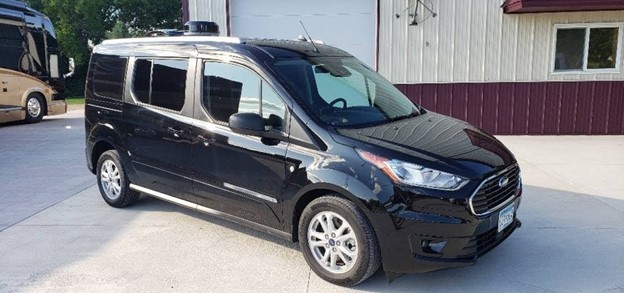
The Mini-T Campervan by DLM-Distribution was designed with practicality in mind. Built on compact automotive platforms, the standard Mini-T Campervan fits in a residential garage while providing the convenience of a fully campable Class B campervan.
For many owners, this means they can enjoy camping, travel, and road trips without needing off-site RV storage or worrying about many of the parking challenges associated with larger recreational vehicles.
Garageability is often one of the most important considerations for homeowners living under HOA guidelines because it allows the campervan to be stored out of sight while remaining immediately available for travel.
Beyond its compact dimensions, the Mini-T Campervan serves as both an everyday vehicle and a campervan. Fuel efficiency, ease of driving, and the ability to store the vehicle at home make it a practical choice for many homeowners who live under HOA guidelines.
Understanding the Rules Before You Buy
Every HOA is different, and homeowners should always review their association's governing documents before purchasing any vehicle that may be subject to parking restrictions.
However, understanding the differences between public streets, private streets, garages, and driveway regulations can help eliminate surprises and make it easier to choose a vehicle that complements both your travel goals and your community's requirements. Homeowners considering a campervan may also find it helpful to read Can I Park My RV in My HOA Driveway?, which explores additional considerations related to HOA vehicle restrictions.
For many travelers, finding a campervan that fits comfortably into everyday life is every bit as important as where the road eventually leads. The right vehicle can provide the freedom to travel while still fitting naturally within the realities of home ownership and community living.
Happy Travels!
DLM-Distribution / Campervans is a licensed manufacturer and dealer located in Lake Crystal, Minnesota, serving clients around the country.
Contact Dave: 651-285-7089 or Candy: 507-382-9446 today!