
NEWS
Do You Really Need AWD for Winter Travel?
All-wheel drive and four-wheel drive are often portrayed as must-have features for winter driving, especially in snowy regions like Minnesota, Wisconsin, Colorado, and other northern states. For many people planning winter road trips or four-season campervan travel, AWD can seem less like an option and more like a requirement.
In reality, the answer is more nuanced.
For many drivers and travelers, front-wheel-drive vehicles perform extremely well during real-world winter travel when paired with proper tires and sensible driving habits. At the same time, AWD can provide additional traction, stability, and confidence during rapidly changing weather conditions, deep snow, steep grades, and unpredictable road surfaces.
The decision often comes down less to absolute necessity and more to travel style, driving conditions, and personal comfort behind the wheel.
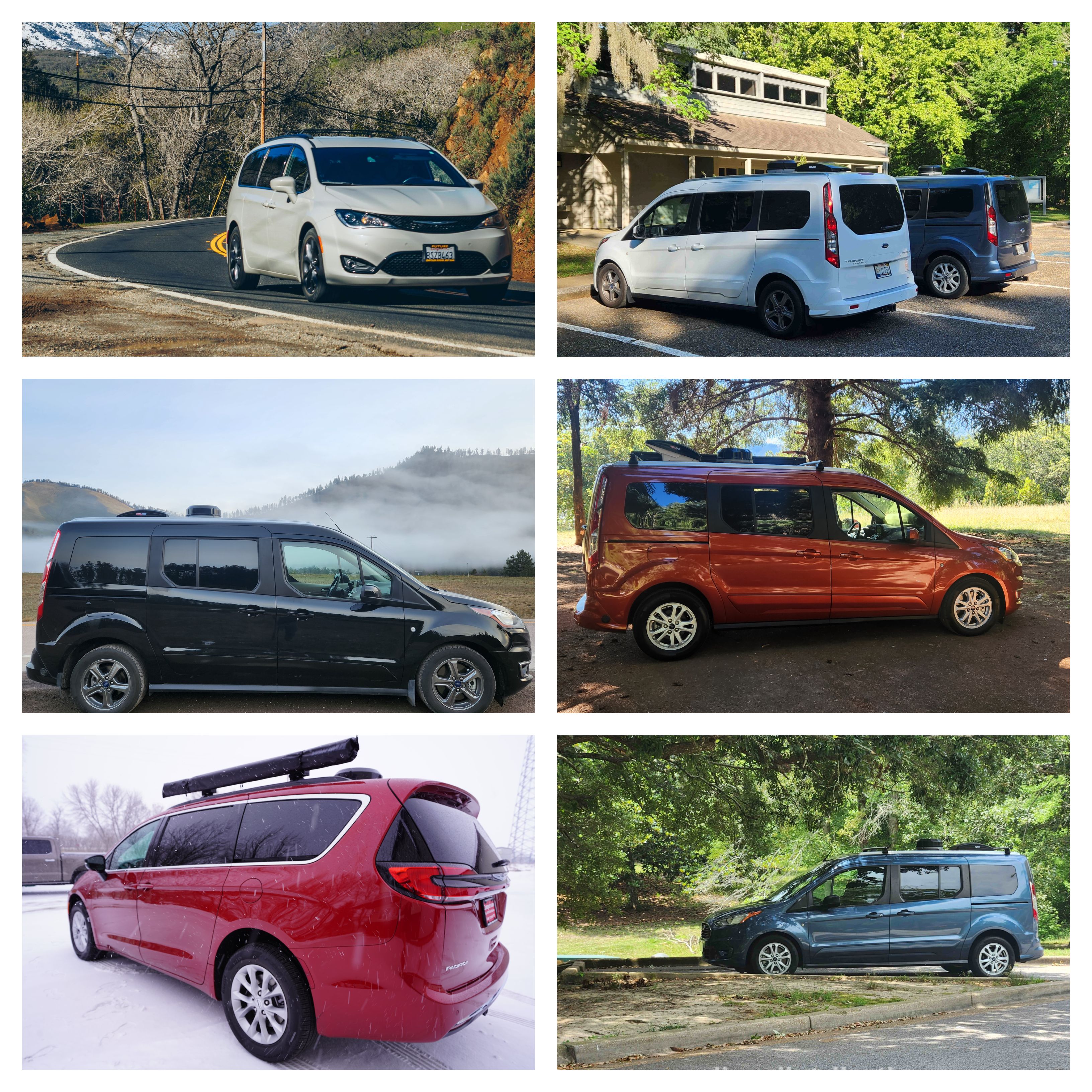
Real-World Winter Driving vs. Extreme Conditions
For most everyday driving situations, including winter conditions in snowy states, modern front-wheel-drive vehicles perform reliably and confidently. Highways, city streets, and most rural roads are regularly plowed, treated, and maintained, making FWD vehicles practical for the majority of winter travel situations.
When paired with quality all-season or winter tires, FWD vehicles often provide more than enough traction for commuting, errands, highway travel, and campground access during winter months.
This is one reason why so many drivers in northern climates continue to rely on front-wheel-drive vehicles year after year without issue.
For many drivers, proper tires and thoughtful driving habits matter more than drivetrain alone.
At the same time, extreme weather conditions do exist. Deep snow, ice-covered secondary roads, mountain travel, unplowed routes, and rapidly changing weather conditions can all create situations where AWD provides meaningful advantages.
Why AWD Still Appeals to Many Travelers
While AWD may not always be required, it continues to appeal to many travelers because of the additional confidence it can provide when conditions deteriorate unexpectedly.
All-wheel drive systems automatically distribute power where traction is needed most, helping maintain stability during snowstorms, freezing rain, slushy highways, steep grades, or changing winter road conditions.
For travelers covering long distances during winter months, AWD can be especially appreciated when roads transition quickly between dry pavement, rain, slush, snow, and ice within the same trip.
Many experienced winter travelers simply choose the setup that helps them feel most relaxed and confident behind the wheel.
While all-wheel drive can provide additional traction, winter driving safety depends on more than drivetrain alone. Factors such as tire choice, speed, road conditions, and driver awareness all play major roles in how a vehicle performs in snow and ice. Guidance from AAA winter driving safety recommendations also emphasizes that proper tires and cautious driving habits are often more impactful than whether a vehicle is equipped with AWD.
Winter Campervan Travel: A Practical Perspective
When it comes to campervan travel, many of the same principles apply. Well-designed front-wheel-drive campervans handle winter travel reliably on maintained roads, highways, and established campground routes.
Because the engine weight sits over the drive wheels, front-wheel-drive campervans naturally provide stable traction during many winter driving situations.
For travelers who primarily stay on maintained roads and established travel routes, a fuel-efficient FWD campervan can be more than sufficient for real-world winter travel.
This includes much of the Midwest and northern United States, where winter road infrastructure is designed specifically to handle snow and ice conditions.
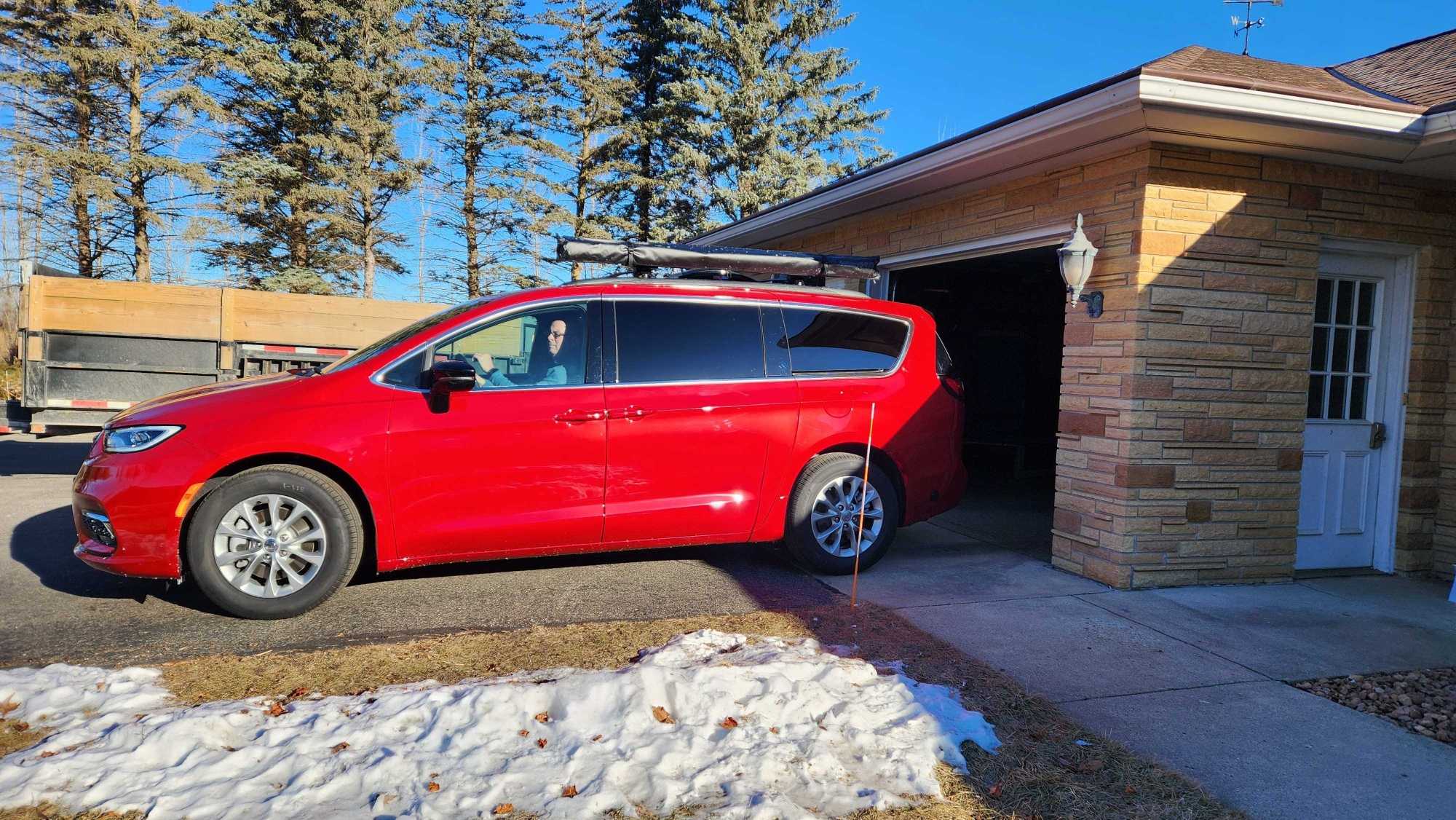
When AWD Makes Sense in a Campervan
Although AWD is not always necessary, there are situations where many travelers genuinely appreciate having it.
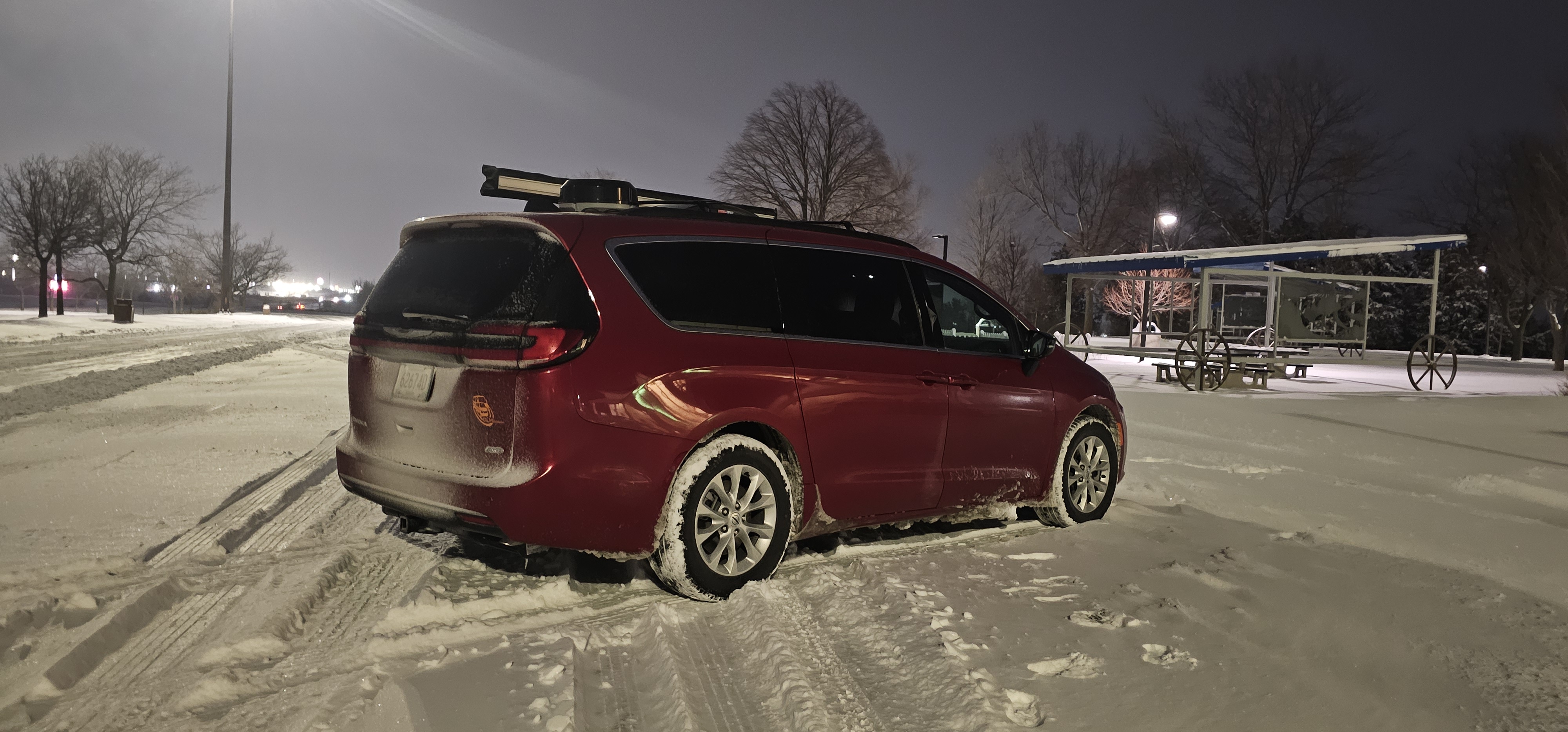
The AWD Chrysler Pacifica Mini-T Campervan offers added traction and stability for travelers who regularly encounter changing road conditions, winter storms, mountain travel, or shoulder-season weather transitions.
AWD can also provide reassurance during long-distance road trips where conditions may vary significantly from one region to another.
Even for drivers who may not absolutely need AWD every day, the added confidence it provides during difficult conditions can make travel feel more relaxed and less stressful.
For some owners, that peace of mind alone justifies the decision.
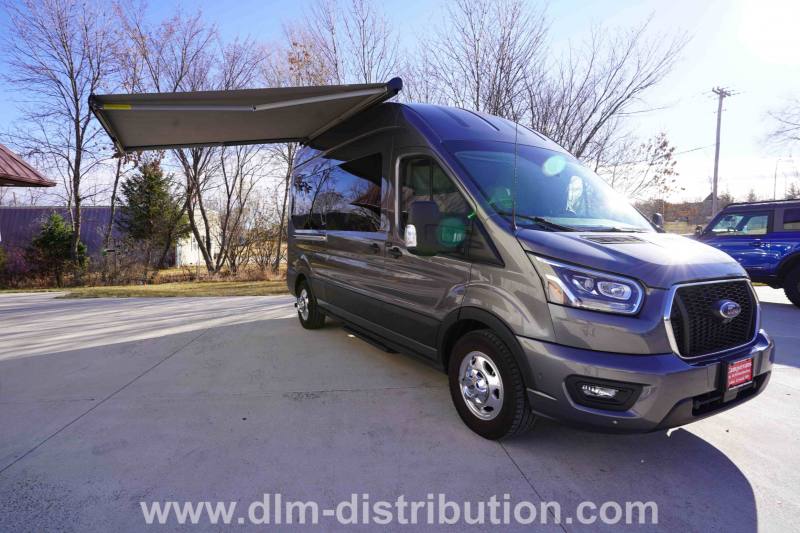
The Mini-T HR AWD Campervan takes this concept even further by combining AWD capability with additional interior height and space designed for extended travel and year-round touring.
Minnesota Winters: Capability, Confidence, and Conditions
Even in snowy Minnesota, AWD is rarely an absolute requirement for everyday driving. Road maintenance, driver experience, winter preparedness, and tire selection all play larger roles in overall safety than drivetrain alone.
Still, many Minnesotans continue choosing AWD because it aligns with how they prefer to travel and how they feel behind the wheel during winter storms and changing conditions.
This same mindset carries naturally into campervan ownership. Some travelers are perfectly comfortable with FWD, while others simply prefer the additional traction and reassurance AWD provides during winter travel.
Choosing the Right Campervan for Your Travel Style
Ultimately, the choice between FWD and AWD is not about right or wrong. It is about matching the vehicle to how and where you actually plan to travel.
Front-wheel-drive Mini-T Campervans remain efficient, capable, maneuverable, and practical for four-season travel on maintained roads. AWD Mini-T models provide additional traction and confidence for travelers who regularly encounter more demanding winter conditions or simply prefer the reassurance AWD offers.
Both approaches are valid.
The best choice is the one that allows you to travel comfortably and confidently throughout the year.
A Balanced Approach to Four-Season Travel
The idea that AWD is always necessary does not fully reflect how most people actually drive or travel. In many situations, it is reassurance — not necessity — that drives the decision.
The Mini-T Campervan lineup reflects this reality by offering both FWD and AWD platforms, allowing travelers to choose the balance of efficiency, traction, maneuverability, and confidence that best fits their lifestyle.
Whether you prefer the simplicity and fuel efficiency of FWD or the additional confidence of AWD, there is a Mini-T Campervan designed to support real-world winter travel throughout every season.
Happy Camping!
DLM-Distribution / Campervans is a licensed manufacturer and dealer located in Lake Crystal, Minnesota, serving clients around the country.
Contact Dave: 651-285-7089 or Candy: 507-382-9446 today!