
Exploring Utah by Campervan: From Tooele to National Parks and Mountain Forests
Utah is a remarkable state for a road trip. Within a few days of driving, travelers can experience mountain forests, high desert valleys, towering sandstone cliffs, deep canyons, and some of the most recognizable landscapes in the American West. The scenery changes dramatically from one region to another, making the journey between destinations nearly as enjoyable as the places themselves.
Beginning in Tooele, just west of Salt Lake City, offers an opportunity to explore a less-traveled part of northern Utah before heading south toward the state's celebrated national parks. Traveling by campervan makes it possible to enjoy scenic highways, visit small communities, stop at overlooks, and spend evenings at campgrounds along the way.
This route can be enjoyed as one extended Utah vacation or divided into shorter trips. With five national parks, several national forests, and countless scenic stops to consider, there is more than enough to justify returning again.
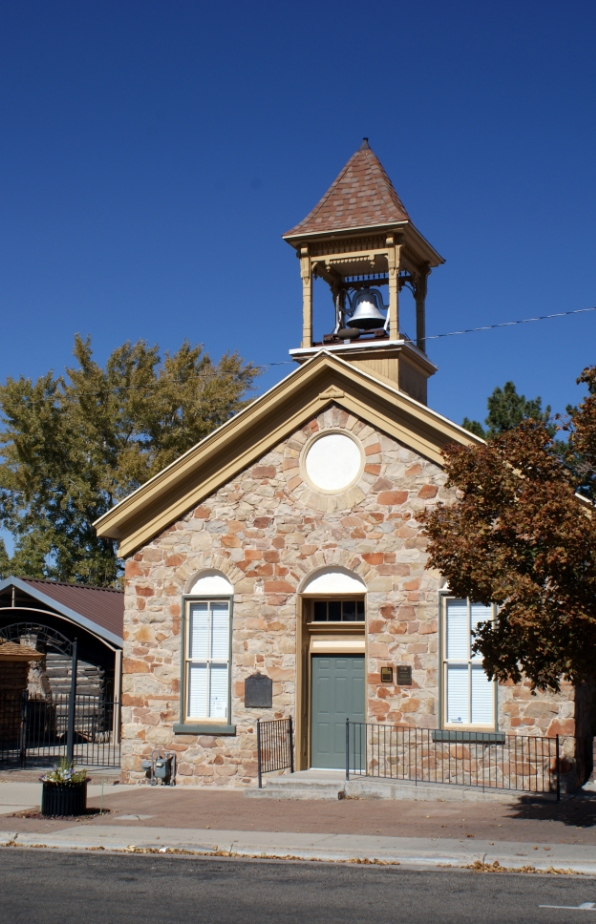
Beginning the Journey in Tooele, Utah
Located near the Oquirrh Mountains and the southern reaches of the Great Salt Lake, Tooele provides an interesting introduction to Utah beyond the better-known national parks. Its history is closely connected to settlement, mining, agriculture, and the transportation routes that helped shape the region.
Before leaving town, spend some time exploring local history, enjoying the surrounding mountain views, and gathering supplies for the road ahead. Tooele's location also makes it convenient to visit the nearby Stansbury Mountains or explore the open landscapes of the Tooele Valley.
For travelers interested in unusual scenery, the Bonneville Salt Flats lie farther west along Interstate 80. The broad, white salt surface and distant mountains create a landscape unlike the forested and canyon-filled regions that await farther south. Conditions vary, and visitors should respect posted access restrictions and avoid driving onto wet salt surfaces.
Tooele is also a practical place to organize camping supplies, check the weather, and plan the next few days. Utah's elevations and climate can change considerably along a single road trip, so preparing for both warm desert afternoons and cool mountain evenings is worthwhile.
Heading South Toward Utah's Canyon Country
From Tooele, a journey south can lead toward central Utah and eventually the remarkable landscapes surrounding Zion and Bryce Canyon national parks. Rather than rushing directly to the most famous destinations, consider allowing time for scenic roads, small towns, and the mountain forests that separate the state's desert regions.
Utah rewards travelers who leave some room in their schedules. A roadside viewpoint, an inviting trail, or a quiet campground can easily become a favorite part of the trip. Traveling in a compact campervan allows visitors to carry their sleeping accommodations, refrigerator, and other camping conveniences with them as they explore.
Zion National Park: Sandstone Cliffs and Canyon Trails
In southwestern Utah, Zion National Park is known for its towering sandstone walls, narrow canyons, cottonwood-lined waterways, and striking contrasts between red rock and green vegetation. The Virgin River has helped shape this dramatic landscape over millions of years, creating scenery that attracts hikers, photographers, and travelers from around the world.
The park offers experiences ranging from short walks and scenic viewpoints to demanding backcountry hikes. The Riverside Walk provides an opportunity to enjoy the Virgin River corridor, while other trails climb toward elevated views of the canyon. Conditions and access requirements vary, particularly for routes involving steep terrain or water crossings.
One important consideration for campervan travelers is that Zion Canyon Scenic Drive generally operates with a park shuttle system during much of the year. Private vehicle access is restricted during shuttle operations, so visitors should plan accordingly rather than expecting to drive through every part of the canyon.
Camping in or near Zion allows travelers to enjoy the area beyond the busiest daytime hours. Springdale, near the park's south entrance, offers additional services and makes a convenient place to explore before continuing toward Bryce Canyon.

Bryce Canyon National Park: A Landscape of Hoodoos
Traveling northeast from Zion brings visitors toward Bryce Canyon National Park, where the scenery changes dramatically. Instead of massive canyon walls rising above a river valley, Bryce presents a series of natural amphitheaters filled with slender rock formations known as hoodoos.
These formations have developed through erosion, particularly the repeated freezing and thawing of water within the rock. The result is a landscape of colorful spires, ridges, and unusual shapes that looks different as the sunlight changes throughout the day.
Sunrise Point, Sunset Point, Inspiration Point, and Bryce Point provide memorable views into the amphitheaters. Visitors who want a closer look can explore trails that descend among the formations, keeping in mind that returning to the rim requires climbing back to the higher elevation.
Bryce Canyon sits at a considerably higher elevation than Zion, making cooler temperatures common even when the desert valleys are warm. Snow and freezing conditions can occur outside the traditional winter months. For campervan travelers, this is a good reminder that Utah's national parks are not all desert environments.

Dixie National Forest: A Cooler Side of Southern Utah
Between the national parks and surrounding desert landscapes, Dixie National Forest offers a welcome change of scenery. Covering a broad area of southern Utah, the forest includes high plateaus, pine and aspen woodlands, mountain meadows, and scenic recreation areas.
Travelers passing through the region can explore portions of the forest near Cedar Breaks National Monument, Brian Head, and the Paunsaugunt Plateau. The combination of forested mountains and nearby red-rock country is one of the most distinctive features of southern Utah.
Hiking, fishing, photography, and camping are popular activities, with opportunities ranging from developed campgrounds to more remote recreation areas. Forest roads vary considerably in condition, and some are unsuitable for ordinary passenger vehicles or campervans. Checking road conditions and choosing established, accessible routes is especially important when exploring unfamiliar public lands.
The Pine Valley area, farther southwest, offers another example of the forest's mountain scenery, with wooded surroundings that feel quite different from the nearby desert valleys.

Across Scenic Utah Toward Moab
Continuing east across southern Utah opens the door to another remarkable region. The drive toward Moab can include expansive desert valleys, distant mountain ranges, colorful rock formations, and small communities that provide useful stops for fuel, meals, and supplies.
Travelers with additional time may want to explore Capitol Reef National Park along the way. Located in south-central Utah, Capitol Reef features sandstone cliffs, rock domes, historic orchards in the Fruita area, and the long geological formation known as the Waterpocket Fold. It is Utah's fifth national park and deserves consideration rather than being overlooked between the more familiar destinations.
Highway 12, which connects the Bryce Canyon region with areas near Capitol Reef, is especially well known for its scenery. The road passes through changing landscapes and elevated terrain, offering an unforgettable drive when weather and road conditions are favorable. Allow extra time for overlooks and be prepared for winding sections and substantial elevation changes.
Arches National Park: Utah's Natural Stone Sculptures
Near Moab, Arches National Park protects an extraordinary concentration of natural sandstone arches, along with balanced rocks, fins, towers, and other formations shaped by erosion.
Delicate Arch is perhaps the park's best-known landmark, but it is only one of many memorable sights. Double Arch, the Windows Section, Balanced Rock, and numerous roadside viewpoints provide opportunities to appreciate the park's geology without committing to a full day of strenuous hiking.
Some attractions require walking over exposed rock or sandy trails, and shade can be limited. Carrying adequate drinking water, choosing suitable hiking times, and paying attention to seasonal temperatures can make a significant difference in comfort and safety.
Arches is a popular destination, and entry procedures may change with visitation levels and park management decisions. Check current National Park Service information for reservations, entrance requirements, and parking conditions before arriving.

Canyonlands National Park: Vast Views and Open Country
Not far from Arches, Canyonlands National Park offers an entirely different perspective on Utah's desert scenery. The Colorado and Green rivers have carved an immense landscape of canyons, mesas, buttes, and remote plateaus.
The Island in the Sky district is particularly accessible for a scenic driving visit. Its overlooks provide sweeping views across the surrounding canyon country, while shorter trails lead to features such as Mesa Arch and additional viewpoints.
Canyonlands is divided into separate districts, and traveling between them generally requires returning to highways outside the park. The Needles district, for example, is reached by a different road system and should be treated as a separate destination when planning a trip.
For campervan travelers, the distinction matters. Canyonlands may appear compact on a map, but its vast terrain, limited services, and separated access routes require thoughtful planning. Carry sufficient fuel and water, and avoid assuming that remote backcountry roads are appropriate for a conventional campervan.

Returning North Through Utah's Mountain Country
After exploring the red-rock landscapes around Moab, travelers returning toward Tooele and the Salt Lake Valley can enjoy another change of scenery by visiting the mountains of northern Utah.
The Uinta-Wasatch-Cache National Forest includes extensive mountain recreation areas, alpine lakes, forest trails, and scenic drives. Depending on the chosen route, visitors can explore accessible areas of the Wasatch Range and enjoy a landscape that contrasts sharply with the desert country farther south.
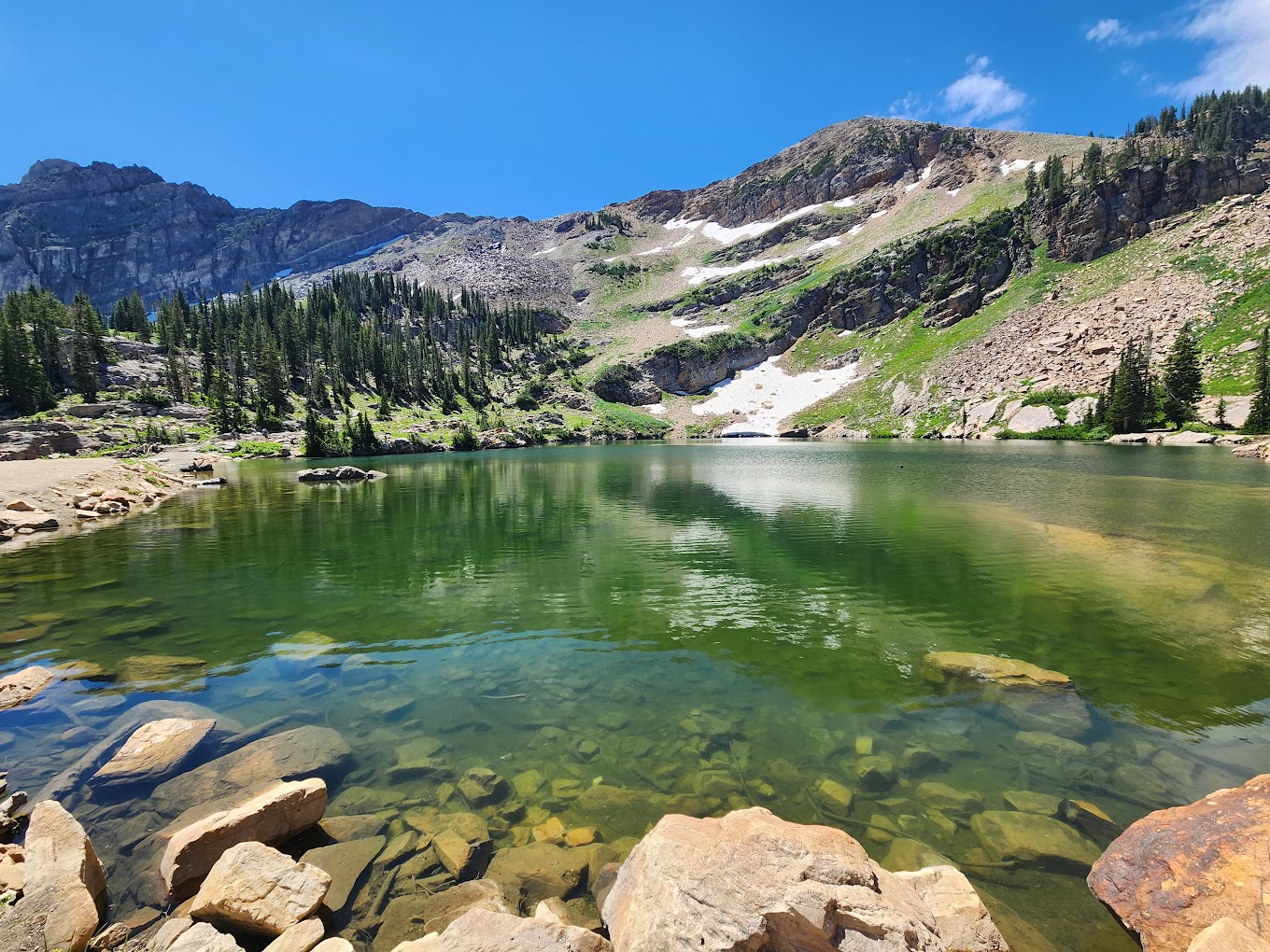
One popular destination is the Albion Basin area near Alta, where seasonal wildflowers, mountain scenery, and hiking opportunities attract visitors during the warmer months. Cecret Lake is a well-known hiking destination, although access, parking, and seasonal road arrangements should be checked before traveling.
These higher elevations provide opportunities to experience cooler weather and mountain scenery, particularly during summer. They also demonstrate why Utah is such an appealing state for travelers who enjoy variety: alpine forests and desert canyons can both be part of the same vacation.
Planning Campgrounds and Travel Days
A Utah road trip is more enjoyable when the schedule allows enough time to experience each destination rather than simply driving from one park entrance to another. Zion, Bryce Canyon, Capitol Reef, Arches, and Canyonlands each deserve time for overlooks, walking trails, and exploring their surrounding communities.
Campground reservations are particularly important during popular travel seasons. National park campgrounds can fill well in advance, and some public-land camping areas have specific restrictions, stay limits, or designated sites. It is wise to identify a primary campground and an alternative before traveling into remote areas.
Weather deserves equal attention. Southern Utah can experience extreme summer heat, while mountain regions may remain cold well into spring. Flash flooding is a serious concern in narrow canyons and drainage areas, even when rain is falling some distance away. Travelers should monitor forecasts, respect closures, and adjust plans when conditions change.
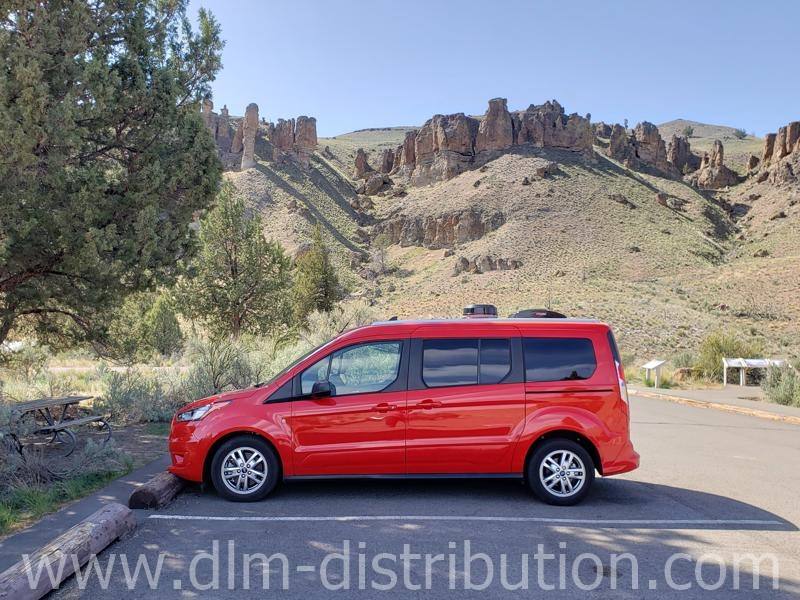
For those traveling in a Mini-T Campervan, having a refrigerator, sleeping accommodations, and off-grid electrical power available along the route adds convenience during sightseeing and campground stays. The garageable Mini-T models also offer the maneuverability of a smaller vehicle, making stops in towns and established parking areas easier than with many larger motorhomes. As with any RV, travelers should verify campground vehicle limits, road restrictions, and parking requirements.
Enjoying Utah Beyond the National Park Entrances
Some of the most rewarding experiences in Utah happen between the major attractions. A quiet morning in a mountain campground, an unexpected view along a scenic highway, lunch in a small town, or an evening watching the changing colors of sandstone cliffs can be every bit as memorable as visiting a famous overlook.
Starting in Tooele and traveling through Utah's national parks and forests creates an opportunity to experience the state in all its variety. The journey can include historic communities, alpine lakes, forested mountains, spectacular canyon country, and peaceful places to camp beneath the stars.
There is no need to see everything in one trip. Choose the destinations that interest you most, allow time for the roads between them, and leave room for the unexpected stops that make traveling by campervan so enjoyable.
Happy Travels & Happy Camping!
Explore available Mini-T Campervans manufactured by DLM-Distribution.
DLM-Distribution / Campervans is a licensed manufacturer and dealer located in Lake Crystal, Minnesota, serving clients around the country.
Contact Dave: 651-285-7089 or Candy: 507-382-9446 today!