
Daily Driver and Weekend Camper: Choosing an RV That Fits Everyday Life
Choosing an RV usually begins with thoughts of travel. Where will you go? How will you sleep? What will you bring along? Will you have a refrigerator, microwave, electrical power, water, storage, and enough comfort to spend days or weeks on the road?
Those are important questions, but there is another one that can have just as much influence on whether you enjoy owning the vehicle: What will it be like to live with when you are not camping?
An RV may spend a few weeks each year crossing the country or sitting beside a favorite lake, but ownership continues during all the ordinary days in between. It still needs to be parked somewhere. It needs fuel, maintenance, insurance, and care. If you want to use it for something other than camping, its height, length, maneuverability, and fuel economy begin to matter in ways that can be easy to underestimate while standing inside a larger RV at a dealership.
For travelers who want one vehicle to serve as both transportation and a camper, size is not merely a specification. It can determine how the vehicle fits into everyday life.
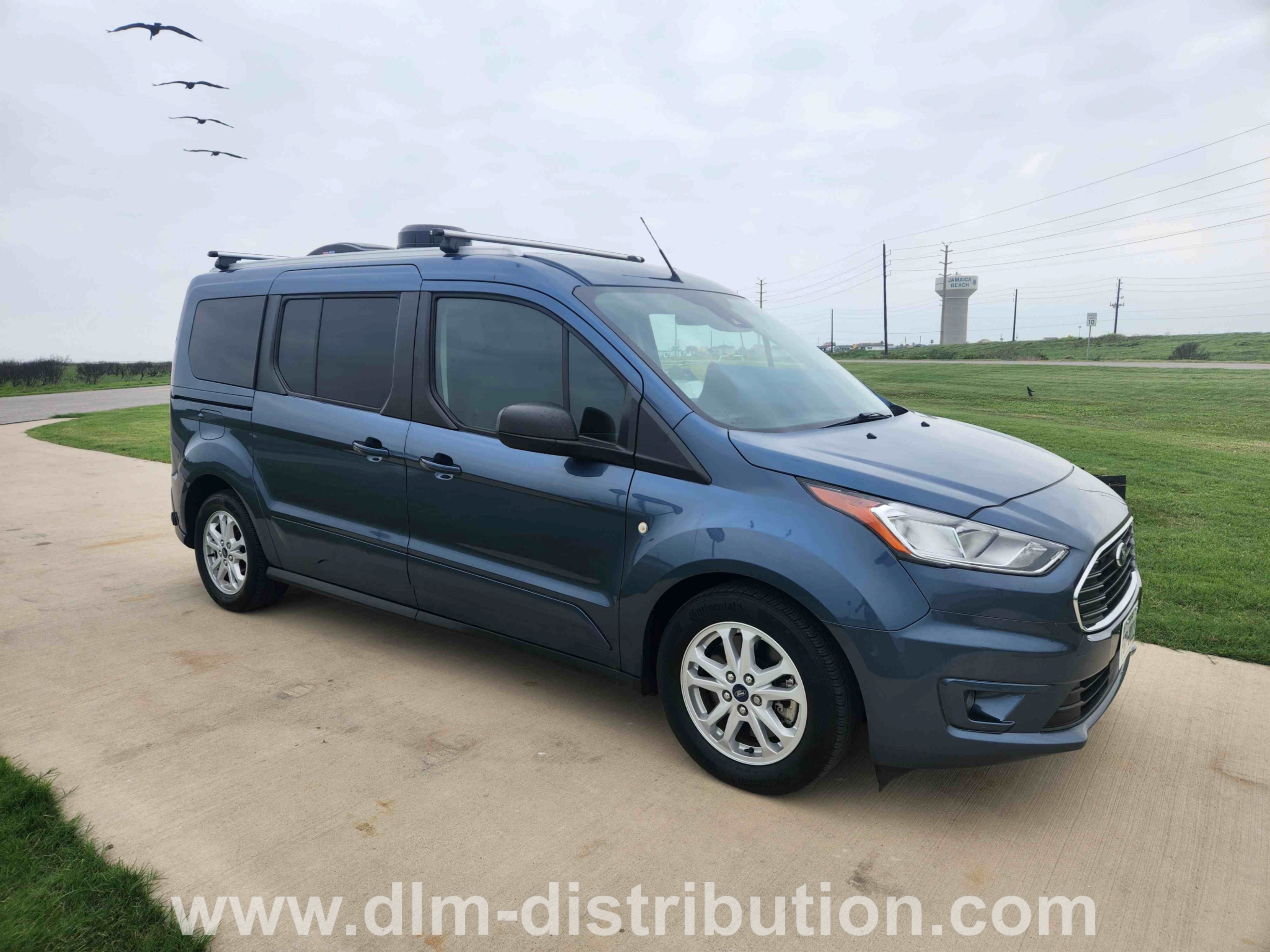
It Is Easy to Buy More RV Than You Need
When people compare RVs, larger can initially appear to be better. A few more feet may provide another cabinet, a larger bathroom, additional seating, or more room to move around inside. Standing still on a sales lot, those advantages are easy to see. The compromises associated with that additional size often do not become apparent until the vehicle is being driven, parked, stored, fueled, and used in the places its owner actually wants to visit.
There is nothing inherently wrong with a larger RV. For travelers who spend months on the road, travel with several people, want substantial living space, or remain at one campground for extended periods, additional size may be exactly the right choice. But every increase in size brings consequences outside the living area. A taller vehicle may no longer fit in a residential garage. A longer vehicle can become more difficult to park at a restaurant, grocery store, trailhead, or historic downtown. Greater weight and frontal area generally contribute to higher fuel consumption. A large motorhome may require paid storage, and some owners choose to tow or bring another vehicle because they prefer not to use the RV for everyday exploring after reaching a destination.
The important question is not simply, “How much RV can I get?” It may be more useful to ask, “How much RV do I actually need for the way I want to travel?”
Think About Tuesday Morning, Not Just Saturday at the Campground
Imagine the vehicle after the trip is over. You are home, the camping chairs are put away, and Tuesday morning arrives. Could you comfortably drive the campervan to work? Would you take it to the grocery store without thinking twice? Could you meet friends at a restaurant, pull into a normal parking space, stop at the bank, visit the dentist, or run several errands without wishing you had taken another vehicle?
Those ordinary situations reveal a great deal about whether a campervan is truly capable of serving as a daily driver. A vehicle that works well in everyday life does not have to wait for a vacation to be useful. It can take you to work during the week, carry groceries home in the afternoon, and leave for a campground on Friday evening. A state park visit does not require retrieving an RV from storage, and a weekend trip does not have to begin by transferring everything from the daily vehicle into the camping vehicle. That is a fundamentally different ownership experience from having an RV that exists almost entirely for RV trips.
Where Will the Campervan Live?
Storage is one of the least exciting parts of shopping for an RV, which may be why it is sometimes considered too late. Yet where the vehicle will spend the other 300-plus days of the year deserves serious thought before purchasing it.
Many larger RVs live outdoors in a driveway, beside a house, on an RV pad, or at a commercial storage facility. Any of those arrangements can work, but each has implications. Outdoor storage exposes the vehicle to sun, weather, hail, snow, and seasonal temperature changes. Commercial storage adds an ongoing expense and creates physical distance between the owner and the RV. Before leaving on a trip, the vehicle may first have to be retrieved, brought home, stocked, and prepared.
Garageability changes that relationship considerably. A campervan that fits inside an appropriate residential garage can remain close, protected, and available. Packing for a trip can be as simple as carrying things from the house into the vehicle, and coming home can be equally uncomplicated.
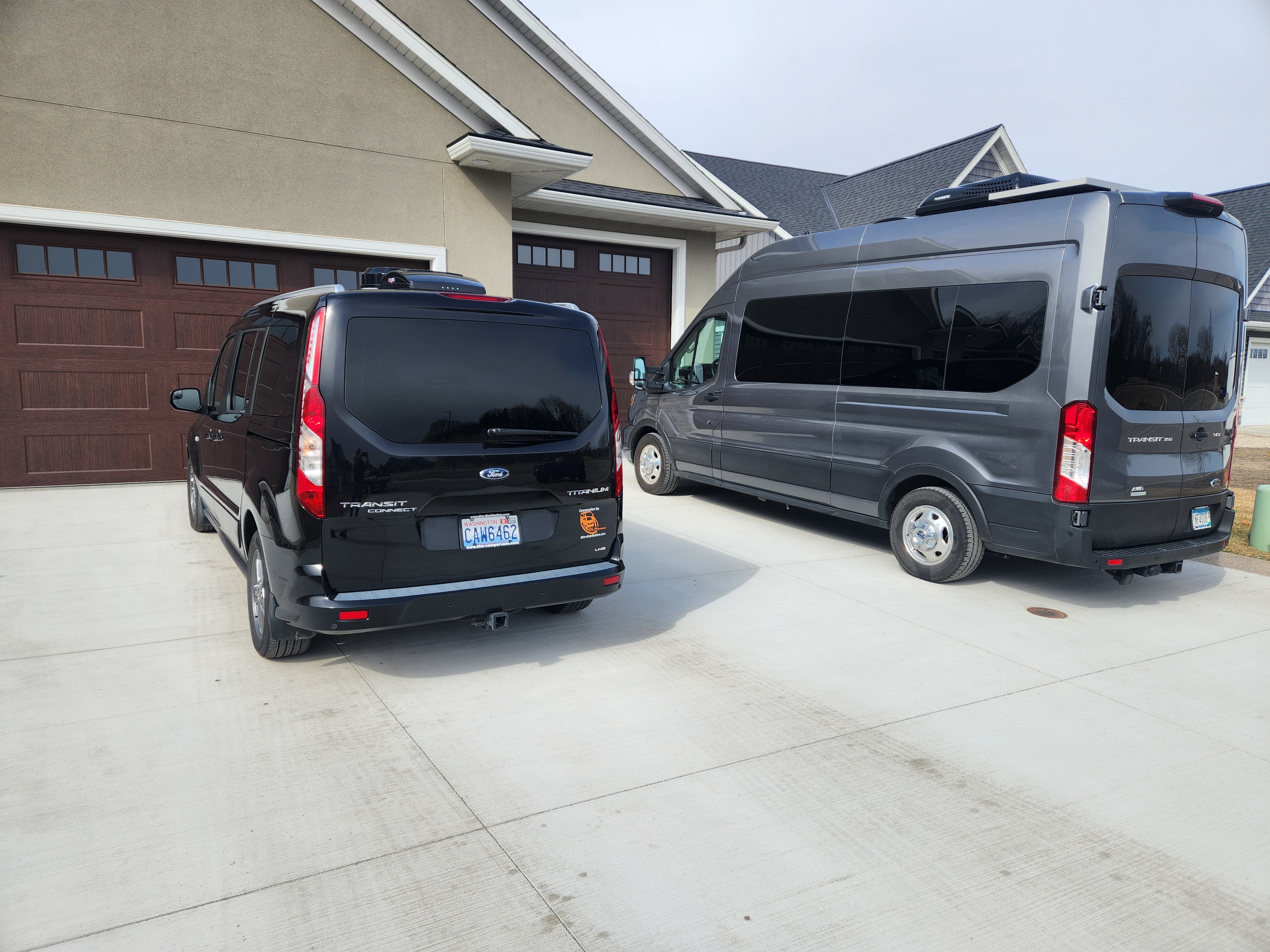
Garageability can be particularly important for people living in communities with HOA rules, condominiums, townhomes, or neighborhoods where outdoor RV parking is restricted. A campervan fitting in the garage does not by itself guarantee that every association will permit it; individual rules still need to be checked. But physically fitting behind the garage door can eliminate one of the most common practical problems associated with RV ownership.
It is worth getting out a tape measure before buying. Measure the actual garage opening, not simply the nominal size of the garage door. Height matters, but so do width, mirrors, door tracks, trim, slope at the entrance, and available interior length. A few minutes spent measuring at home can be more useful than assumptions made on a sales lot.
Fuel Economy Matters Differently in a Daily Driver
Fuel consumption is often discussed as a road-trip expense, but it becomes even more important when an RV is expected to function as everyday transportation. A difference that seems manageable across one vacation can become much more significant when multiplied across commuting, shopping, appointments, day trips, and thousands of ordinary miles each year.
This is where vehicle size can make a substantial difference. A smaller campervan based on a passenger-oriented vehicle can have an entirely different operating profile from a tall, heavy motorhome. That difference affects more than the amount spent at the fuel pump. It can influence whether the owner actually wants to use the campervan when camping is not part of the day.
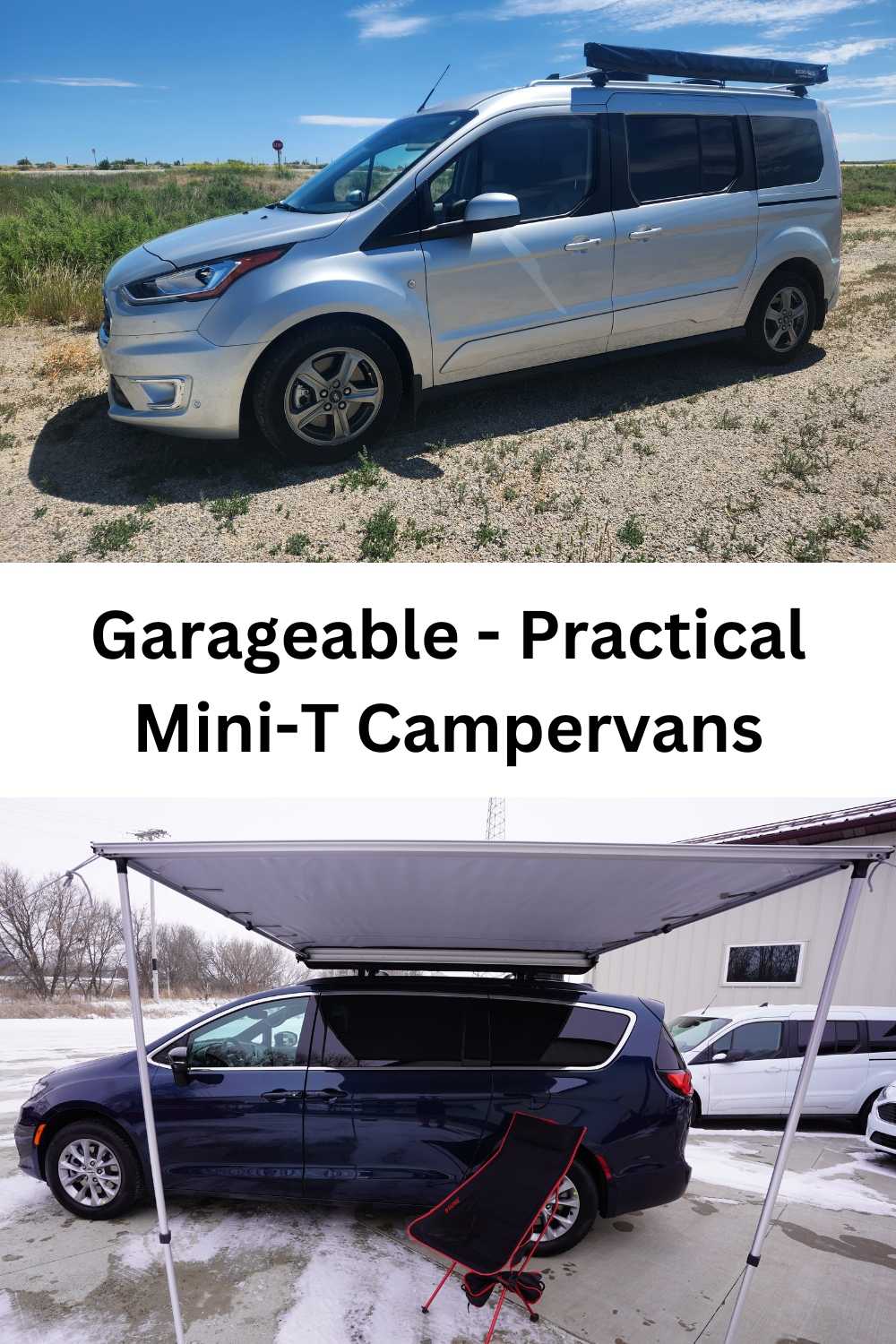
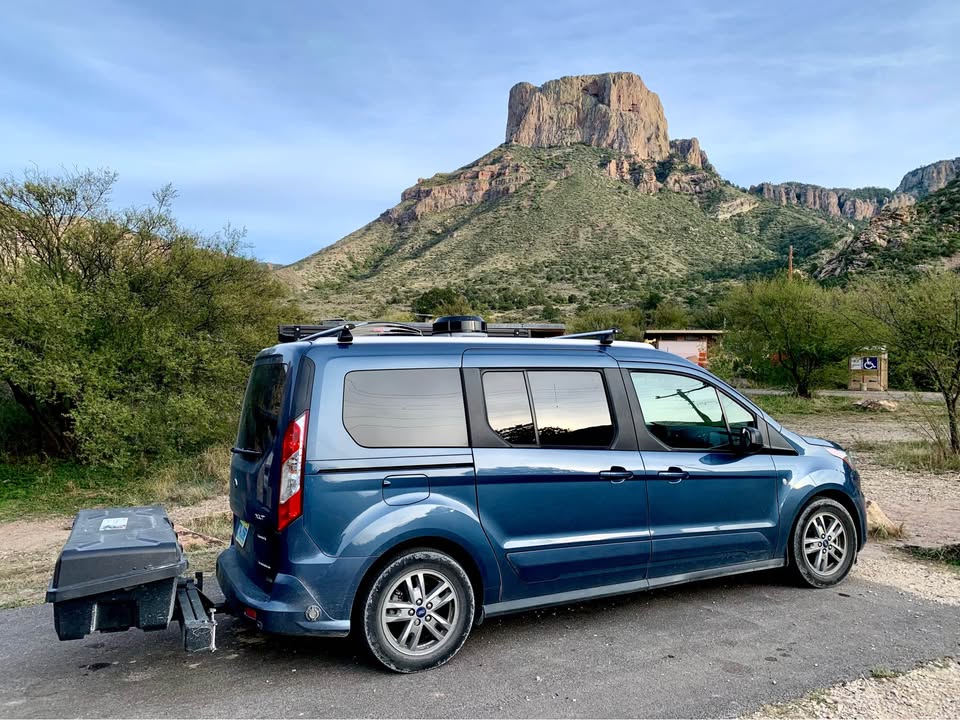
Garageable Mini-T Campervans, for example, can fall within a broad fuel-economy range of approximately 17–28 MPG, depending on the base vehicle, model, drivetrain, and driving conditions. Actual fuel economy varies by vehicle, configuration, speed, weather, load, terrain, and driving style, so an individual campervan should always be considered on its own merits. The larger point is more important than any one MPG number: if a campervan is going to replace some of the miles normally driven in a passenger vehicle, fuel economy becomes part of everyday usability.
Parking May Matter More Than Floor Space
One of the easiest mistakes to make when comparing campervans is evaluating them primarily while they are parked. Inside a stationary vehicle, another foot of length or several inches of width can feel valuable. Out in the world, however, the equation changes.
Consider the places you actually want to visit. Perhaps it is a national park one week and a small downtown the next. Maybe you enjoy museums, restaurants, state parks, scenic overlooks, trailheads, waterfronts, farmers markets, historic districts, family visits, or simply stopping when something along the road looks interesting. At that point, exterior dimensions begin competing with interior dimensions.
A campervan that fits a standard parking space allows the destination to remain the focus. You can stop for groceries without searching for several empty spaces together. You can pull into a restaurant during a travel day, park at many trailheads, visit a downtown district, or use the vehicle as transportation after arriving at a campground.
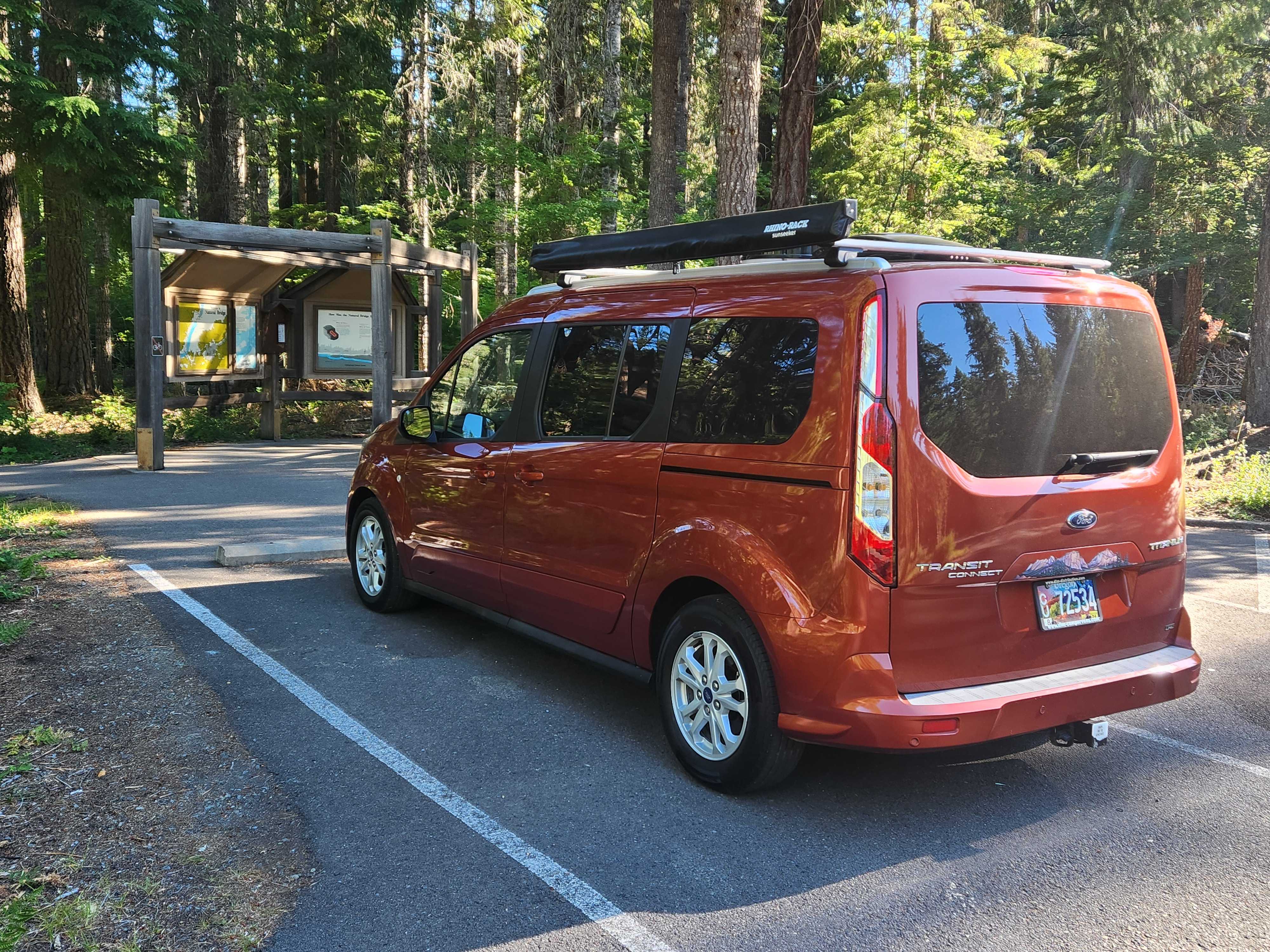
That freedom can be easy to undervalue until you have traveled in a vehicle that does not have it. A larger RV may provide more living space at night, while a smaller campervan may provide more choices throughout the day. Neither is universally better. The right balance depends on where you expect to spend your time.
The Campground Is Only Part of the Trip
RV shopping naturally focuses on camping, but a road trip consists of much more than the campground. There are fuel stops, lunch stops, scenic roads, grocery stores, visitor centers, overlooks, museums, trailheads, neighborhoods, ferry terminals, parking lots, and all the unexpected places discovered between one overnight stop and the next.
A campervan that remains easy to drive and park throughout those situations can change the rhythm of travel. There is less pressure to establish camp and then figure out how to get around. There may be no need for a tow car simply to explore the surrounding area. The same vehicle can leave the campground in the morning, spend the day exploring, pick up groceries on the way back, and return in the evening.
This is one reason a smaller RV can sometimes create a larger travel experience. The living space may be smaller, but the range of places that are easy to visit can be considerably broader.
Small Should Still Be a Real Campervan
There is a limit to downsizing. A vehicle that is easy to park but does not provide the camping functions you actually need is not the right answer either. The challenge is finding the point where everyday usability and travel capability overlap.
For two travelers, that may mean a comfortable sleeping area, refrigerator, microwave, sink and water supply, ventilation, storage, window coverings, electrical power, and the ability to spend time away from hookups without carrying a generator. Someone else may place greater value on an interior bathroom, standing height, additional sleeping capacity, or significantly more storage and willingly accept the larger vehicle required to provide those things.
The important part is recognizing the trade rather than pretending there is none. A smaller campervan does not need to imitate a large motorhome. Its advantage comes from providing the camping functions its owners genuinely use while preserving the characteristics that make the vehicle easy to own, drive, park, and store.
Daily Driver Means More Than Easy Steering
Almost any motorhome can be driven to the grocery store, but that does not necessarily make it a good daily driver. Daily-driver practicality is the accumulation of small things: whether you hesitate before entering a parking lot, whether height restrictions become routine concerns, whether the vehicle fits where you live, whether you are comfortable taking it to work, whether fuel consumption discourages ordinary trips, and whether navigating everyday streets requires more attention than you want to give it.
A good daily-driver campervan should fade into everyday life when camping is not the objective. It should feel natural to take it because it happens to be the vehicle in the garage, not because using it requires a special reason. If the campervan is pleasant to use on an ordinary Wednesday, it is much more likely to be ready when Friday afternoon brings an unexpected opportunity to go somewhere.
One Vehicle Can Sometimes Do the Work of Two
Some RV owners are perfectly happy maintaining a passenger vehicle and a separate motorhome. For other households, particularly couples, solo travelers, retirees, downsizing homeowners, or people with limited parking, reducing the number of vehicles can be appealing.
A campervan capable of genuine daily use creates another possibility. It may serve as the primary vehicle for one person in the household, or in some cases as the household’s only vehicle. Even when it remains a second vehicle, it can still earn its place by being useful for errands, appointments, day trips, family visits, and ordinary transportation rather than sitting untouched between vacations.
There are costs beyond the purchase price whenever another vehicle is added to a household: insurance, registration, maintenance, tires, batteries, depreciation, storage, and the simple responsibility of looking after it. Combining roles does not make those costs disappear, but it can make the vehicle itself considerably more useful.
The Mini-T Approach
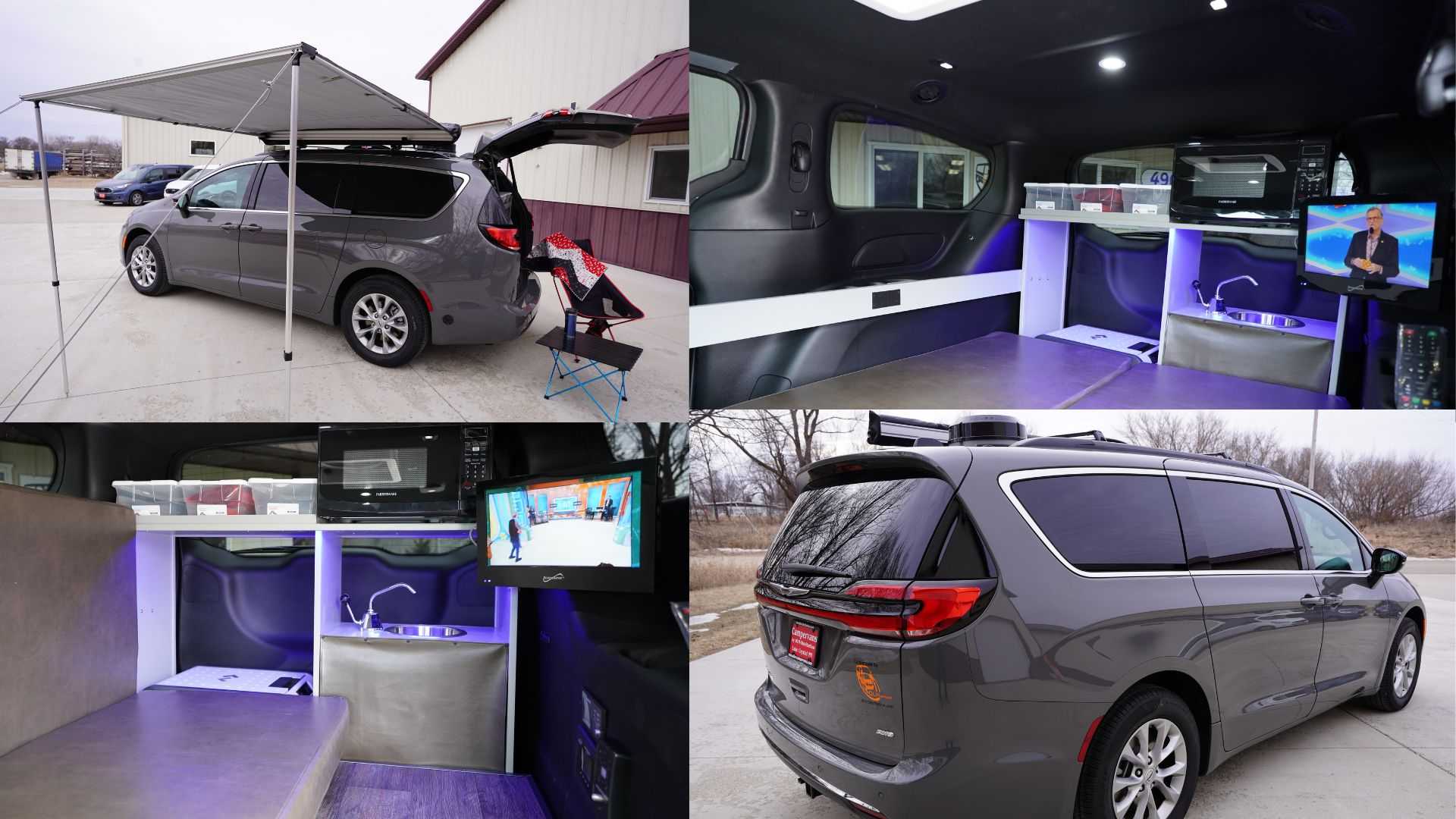
The Mini-T Campervan, designed and manufactured by DLM-Distribution in Lake Crystal, Minnesota, grew around this idea of combining travel with ordinary usability rather than treating the campervan as something separate from everyday transportation.
Different Mini-T models approach that balance in different ways, but the garageable Mini-T Campervans are intended to retain many of the characteristics people value in a passenger vehicle while adding the equipment needed for two-person campervan travel. Depending on the model, that can include sleeping accommodations, refrigerator, microwave, sink and water system, ventilation, storage, solar-supported electrical power, charging while driving, shore power, and off-grid 120V capability without relying on a generator.
The point is not that everyone should choose the smallest possible RV. It is that buyers should consider the entire ownership experience before automatically moving toward something larger. Interior room is valuable, but so are garageability, fuel economy, standard-space parking, maneuverability, and the ability to use the vehicle on an ordinary day.

What Happens When the Campervan Is Always Nearby?
Perhaps the most meaningful difference appears after the purchase. An RV stored forty minutes away is still available, but using it requires a decision. A campervan sitting in the garage can become part of the rhythm of life.
A good weather forecast may turn into a Friday-night departure. A campground cancellation may suddenly make a site available. Visiting family several hours away can include your own place to sleep. A day trip can stretch into an overnight trip because you already have your accommodations with you. Even an ordinary drive can end at a park or lakeshore for lunch without requiring much planning.
That accessibility matters because most people do not need more reasons to postpone travel. They need fewer obstacles between deciding to go and actually leaving.
Choose the Campervan for the Life Around the Trip
Before buying an RV, picture more than the campsite. Picture where the vehicle will be parked at home, then picture Monday morning, the grocery store, a restaurant parking lot, the road through a national park, a crowded scenic overlook, a downtown street, a trailhead, a fuel stop, and finally the campground at the end of the day. Those places are part of RV ownership too.
Then picture the trips you actually expect to take. If you plan to spend months living inside the vehicle, additional space may deserve a high priority. If you expect to travel as a couple, spend much of the day outside exploring, move frequently, and want the campervan to remain useful when the trip is over, smaller dimensions may be far more valuable than they first appear.
That is the part of RV shopping that specifications alone cannot answer. The best size is not the largest vehicle you can afford or the smallest vehicle you can tolerate. It is the size that provides what you need for camping without creating unnecessary obstacles everywhere else.
When that balance is right, the distinction between “daily driver” and “weekend camper” begins to disappear. It is simply the vehicle you use to live your everyday life — and the one that is ready when everyday life gives you a chance to go somewhere.
Happy Travels & Happy Camping!

DLM-Distribution / Campervans is a licensed manufacturer and dealer located in Lake Crystal, Minnesota, serving clients around the country.
Contact Dave: 651-285-7089 or Candy: 507-382-9446 today!