
NEWS
Choosing a Vehicle That Works for your needs
Today’s automotive market offers more choices than ever, but practicality remains one of the most important factors for many drivers. A truly practical vehicle is not defined by one feature alone. It balances efficiency, comfort, reliability, operating cost, and how well it adapts to everyday needs.
For some drivers, practicality means a dependable commuter with low fuel use. For others, it means the ability to handle changing weather, carry gear, or support travel beyond city limits. And for a growing number of people, practicality includes versatility — owning one vehicle that can serve multiple roles rather than maintaining separate vehicles for different purposes.
Several well-known models have earned strong reputations for meeting these needs. Each approaches practicality in a different way.
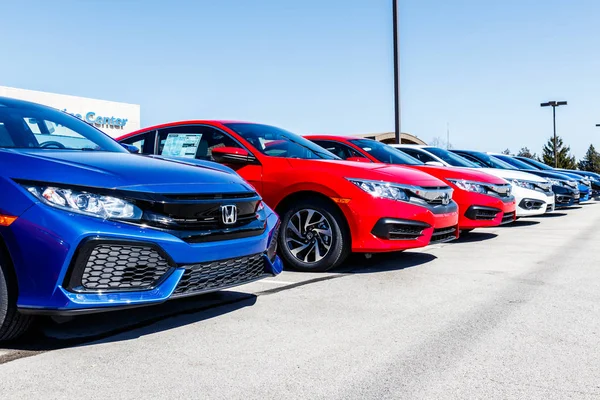
Honda Civic: Efficient and Reliable Daily Transportation
For decades, the Honda Civic has been widely recognized as one of the most practical compact cars available. Its appeal comes from consistency. It delivers strong fuel efficiency, predictable maintenance costs, and dependable long-term reliability — qualities that matter most to drivers who rely on their vehicle every day.
The Civic is well suited for commuting, errands, and regular highway travel. Its manageable size makes parking and maneuvering simple in urban and suburban environments, while its interior design supports comfortable daily use. For drivers who prioritize low operating costs and straightforward ownership, the Civic remains a benchmark in practical transportation.
Subaru Outback: Versatility for Changing Conditions
Drivers who regularly encounter varying terrain or weather often look for capability beyond paved roads. The Subaru Outback has built its reputation on this type of flexibility. Standard all-wheel drive provides traction in snow, rain, gravel, and uneven surfaces, making it especially appealing in regions with seasonal weather changes or outdoor recreation opportunities.
In addition to traction, the Outback offers generous cargo space and a design that accommodates travel equipment, camping gear, or active lifestyles. It bridges the gap between passenger car comfort and light off-road capability, making it a practical option for drivers who want everyday usability with added confidence in more demanding environments.

Toyota Prius: Long-Term Efficiency and Low Fuel Consumption
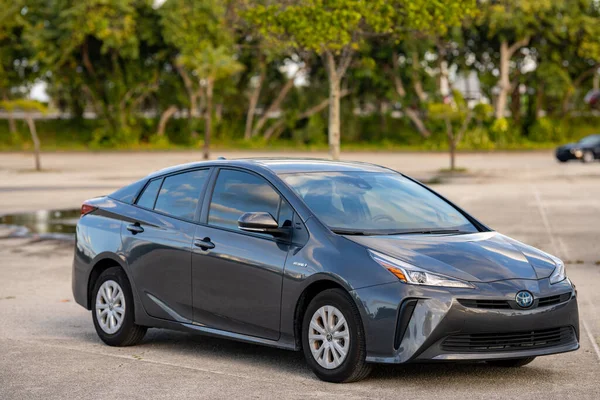
The Toyota Prius is often associated with fuel efficiency, but its practicality extends beyond fuel savings alone. Its hybrid powertrain reduces fuel consumption significantly compared with many conventional vehicles, making it especially appealing for high-mileage drivers and those focused on reducing long-term operating costs.
Beyond efficiency, the Prius offers proven reliability and advanced safety systems that support daily driving. For drivers whose priority is minimizing fuel use while maintaining dependable transportation, it remains one of the most recognized efficiency-focused vehicles on the road.
Mini-T Campervan: Practicality Through Multi-Purpose Design
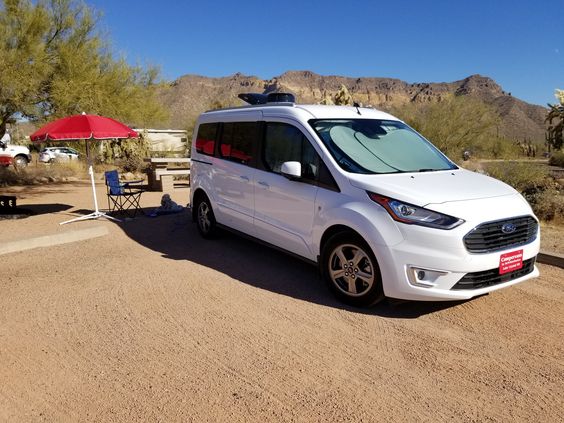
While many vehicles are designed to excel in one primary role, some are built to serve several. The Mini-T Campervan represents a different category of practicality — one based on combining everyday transportation with travel capability in a single vehicle.
Manufactured by DLM-Distribution in Lake Crystal, Minnesota, the Mini-T Campervan is designed to function both as a daily driver and a fully campable travel van. This dual-purpose approach changes how practicality is measured. Instead of evaluating only fuel economy or cargo space, it considers how one vehicle can replace the need for multiple specialized vehicles.
Its compact footprint allows it to drive, park, and maneuver much like a passenger vehicle. At the same time, it includes integrated travel features such as a pull-out bed for two, a refrigerator, microwave oven, sink with water system, and a portable single-burner stove for outdoor cooking. These essentials allow for comfortable overnight travel without the size and complexity of larger motorhomes.
The van also includes a fully integrated off-grid electrical system that powers essential equipment without requiring a generator. House batteries charge through solar, the vehicle alternator while driving, or shore power when available, supporting flexible travel in a wide range of locations.
Because the Mini-T is designed for both everyday driving and recreational travel, it reduces the need for separate commuter vehicles and large RVs. This consolidation can simplify ownership, reduce storage requirements, and streamline how transportation fits into daily life.
Different Approaches to the Same Goal
Each of these vehicles represents a different definition of practicality. The Honda Civic focuses on dependable, efficient commuting. The Subaru Outback emphasizes adaptability across terrain and weather. The Toyota Prius prioritizes long-term fuel efficiency. The Mini-T Campervan centers on versatility by combining daily mobility and travel capability.
What they share is a commitment to functional design — vehicles built to serve real needs rather than excess complexity.
Finding the Right Practical Vehicle
The most practical vehicle is not the same for everyone. It depends on how a vehicle is used, how often it is driven, and what roles it must serve. Some drivers value simplicity and efficiency above all else. Others need capability in changing environments. Still others want flexibility to travel without maintaining additional equipment.
Understanding these differences helps drivers choose transportation that fits their routines, their environment, and their long-term goals.
Practicality, at its core, is about alignment — matching a vehicle’s capabilities with how people actually live and travel.
Happy driving!

DLM-Distribution / Campervans is a licensed manufacturer and dealer located in Lake Crystal, Minnesota, serving clients around the country.
Contact Dave: 651-285-7089 or Candy: 507-382-9446 today!