Parking rules are often one of the first HOA policies homeowners notice. For some residents, these rules may feel restrictive at first. For others, they are part of what makes an HOA community appealing. The key is understanding why parking rules exist, how they are commonly written, and what homeowners should review before assuming a vehicle can be parked in a driveway, on the street, or beside a home.
Homeowners Associations, often called HOAs, use parking and vehicle storage rules to help maintain neighborhood appearance, improve safety, preserve access, and create consistent expectations for everyone in the community. These rules can affect everyday vehicles, guest parking, commercial vehicles, boats, trailers, campervans, and larger RVs.

Why HOA Parking Rules Exist
Most HOA parking rules are not created simply to make life difficult. They are usually intended to solve practical problems that can affect a neighborhood over time.
Neighborhood Appearance: Parking policies help preserve a consistent look throughout the community. Long-term street parking, oversized vehicles, trailers, or recreational vehicles stored in driveways may change the appearance of a neighborhood in ways the association is trying to avoid.
Safety and Visibility: Vehicles parked along narrow streets, near intersections, around curves, or close to driveways can reduce visibility for drivers, pedestrians, cyclists, and children. Parking rules can help reduce blind spots and improve traffic flow.
Emergency Access: Fire trucks, ambulances, snowplows, garbage trucks, and maintenance vehicles need adequate room to move through the community. Street parking restrictions often exist to keep roads accessible.
Fair Use of Shared Space: In communities with limited visitor parking or private roads, rules help prevent one household from occupying more than its reasonable share of available parking.
Long-Term Vehicle Storage: HOAs often distinguish between normal short-term parking and long-term outdoor storage. A car parked overnight may be treated very differently from a trailer, boat, or RV stored outside for weeks or months.
Common Types of HOA Parking Rules
Every HOA is different, but many parking policies fall into a few common categories.
Street Parking Rules: Some associations limit or prohibit overnight street parking. Others allow street parking only during certain hours or require vehicles to be moved after a specific period of time.
Driveway Parking Rules: Some HOAs require homeowners to use garages before driveways. Others allow driveway parking but restrict the type or number of vehicles that can be parked outside.
Guest Parking Rules: Visitor parking areas may have time limits, permit requirements, or restrictions intended to prevent residents from using guest spaces as permanent parking.
Commercial Vehicle Rules: Work trucks, vans with commercial signage, trailers, and equipment vehicles are often regulated separately from personal vehicles.
Recreational Vehicle Rules: RVs, campervans, boats, trailers, and utility trailers may be limited to temporary loading and unloading, prohibited from exterior storage, or allowed only if kept inside a garage.
Inoperable Vehicle Rules: Many HOAs prohibit vehicles that are not currently licensed, insured, operational, or regularly moved.
Temporary Parking vs. Long-Term Storage
One important distinction in HOA parking rules is the difference between temporary parking and long-term storage.
Some communities allow RVs, campervans, boats, or trailers to be parked temporarily for loading, unloading, cleaning, or trip preparation. That temporary allowance may be limited to a specific number of hours or days. However, the same community may prohibit those vehicles from being stored outside on a regular basis.
This distinction matters for homeowners who enjoy camping, boating, or RV travel. A vehicle that can be parked in the driveway for two days before a trip may still need to be stored somewhere else the rest of the year.
What HOA Rules May Mean for RV Owners
Traditional RVs can be challenging in HOA communities. Larger motorhomes, travel trailers, fifth wheels, and high-roof campervans may be too tall or too long for residential garages. If the HOA prohibits exterior storage, owners may need to rent off-site storage or park the vehicle elsewhere.
Off-site RV storage can work, but it adds cost and reduces convenience. It may also make spontaneous trips less likely because the RV is no longer close at hand. For many homeowners, storage logistics become one of the biggest hidden challenges of RV ownership in an HOA neighborhood.
This is where vehicle size becomes especially important.
Why Garage Storage Can Be a Practical Solution
Many HOA restrictions focus on vehicles that are visible from the street, stored in driveways, or parked outdoors for long periods. A recreational vehicle that fits fully inside a residential garage may avoid many of the common conflicts associated with exterior RV storage.
Garage storage can also protect the vehicle from weather, sun exposure, hail, theft, and vandalism. It keeps the driveway open, maintains the appearance of the property, and allows the owner to keep the vehicle at home for easy access.
That does not mean every HOA automatically allows every garage-stored vehicle. Homeowners should still review the specific governing documents for their community. But for many people who live in HOA neighborhoods, a garage-friendly campervan can make RV ownership much more practical.

Compact Campervans and HOA Parking Rules
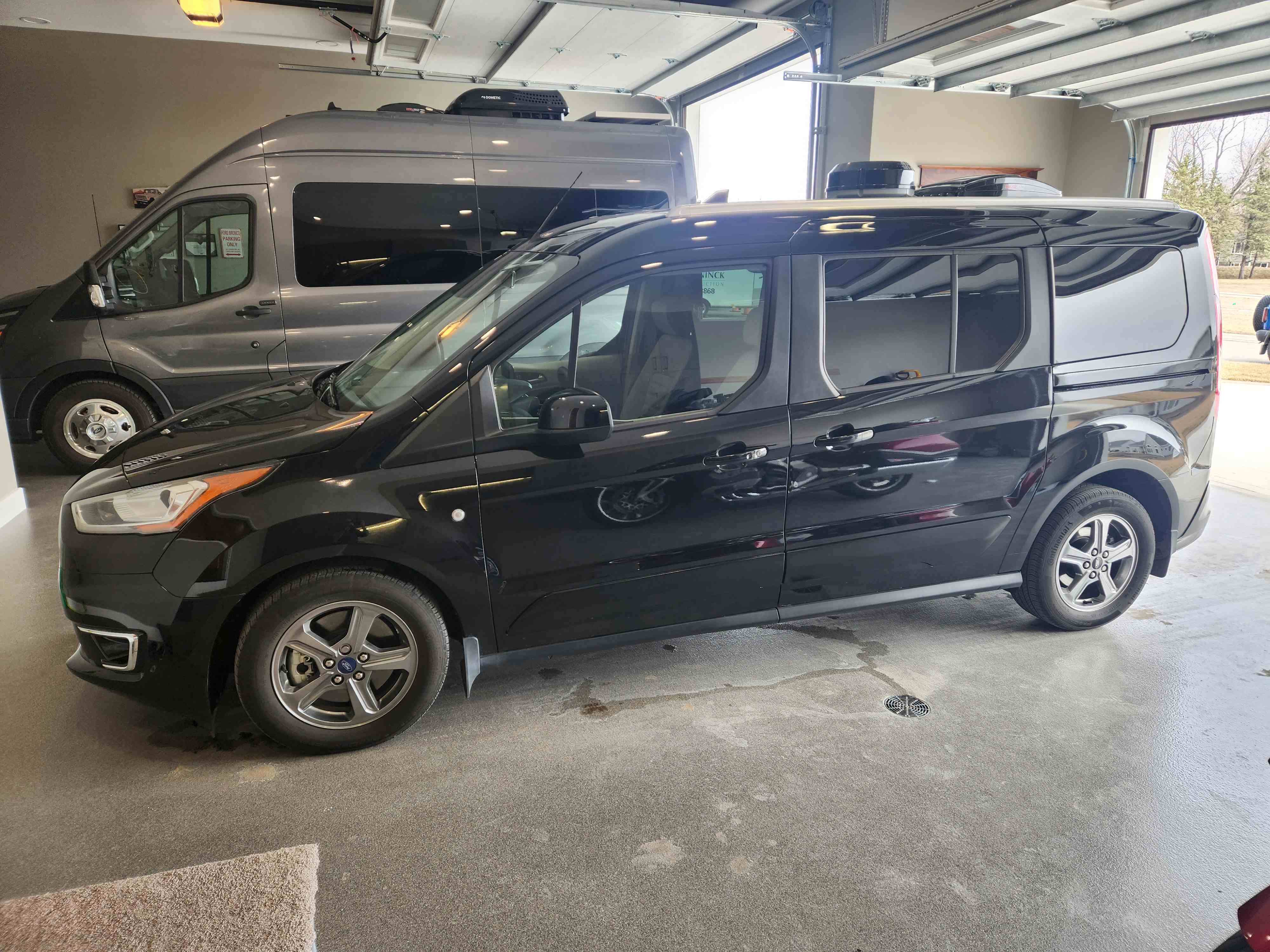
Compact campervans have become appealing to some HOA homeowners because they can combine travel capability with everyday practicality. Unlike many traditional RVs, certain compact campervans are designed to fit in many standard residential garages, making them easier to store at home while remaining compatible with common neighborhood expectations.
The Mini-T Campervan is an example of this approach. Its garage-friendly size allows many owners to keep their campervan at home rather than relying on off-site RV storage. For homeowners in HOA communities, condos, townhomes, or neighborhoods with vehicle restrictions, that can be a meaningful advantage.

Questions Homeowners Should Ask About HOA Parking
Before buying a home in an HOA community, or before purchasing a recreational vehicle, homeowners should ask practical questions about parking and storage.
Are RVs, campervans, boats, or trailers allowed in the driveway? Is temporary loading and unloading permitted? How long can a recreational vehicle remain outside? Are garage-stored vehicles treated differently? Are there height or length limits? Is overnight street parking allowed? Are guest parking spaces restricted? Are permits required? How are parking rules enforced?
These questions help homeowners understand the difference between what is convenient, what is allowed, and what may create problems later.
Every HOA Is Different
There is no single rule that applies to every HOA community. Some associations have very detailed parking policies. Others are more flexible. Some allow temporary RV parking but prohibit long-term outdoor storage. Some allow vehicles if they are fully enclosed inside a garage. Others may have additional restrictions based on vehicle type, size, signage, or use.
Because HOA documents vary so widely, homeowners should never assume. Always review the CC&Rs, bylaws, rules and regulations, architectural guidelines, and any parking policies for the specific community involved.
If you are currently considering a home in an HOA community, you may also find this related article helpful: Buying a Home in an HOA Community: What Every Homebuyer Should Know Before You Purchase.
Parking Rules Can Benefit the Community
Although HOA parking rules can feel limiting, they often serve a real purpose. Clear parking policies can help keep streets open, improve neighborhood appearance, reduce conflicts between neighbors, protect visitor parking, and maintain consistent expectations across the community.
For homeowners who value a clean, organized neighborhood, these rules may be part of the reason they chose an HOA community in the first place. For homeowners who enjoy RV travel or outdoor recreation, the key is to understand the rules early and choose vehicles and storage solutions that work within them.
A Practical Path for HOA Homeowners Who Enjoy RV Travel
HOA parking rules do not necessarily mean giving up RV travel. They do mean that vehicle size, storage location, and neighborhood compatibility matter.
For many homeowners, a garage-friendly campervan can provide a practical balance. It allows for road trips, camping, and outdoor travel while avoiding many of the storage challenges that come with larger RVs. The result is a simpler ownership experience that can fit more naturally into everyday life and many HOA communities.
Looking for a campervan designed for garage storage and practical HOA-friendly ownership?
The Mini-T Campervan is designed for travelers who want the flexibility of RV travel without the size, storage demands, or everyday inconvenience of a larger motorhome.
Campervans for Sale: View Current Mini-T Campervan Inventory
DLM-Distribution / Campervans is a licensed manufacturer and dealer located in Lake Crystal, Minnesota, serving clients around the country.
Contact Dave: 651-285-7089 or Candy: 507-382-9446 today!