
NEWS
The American road trip remains one of the most enduring forms of travel, long associated with independence, mobility, and access to wide-open landscapes. While large motorhomes and towable RVs often dominate public perception, a quieter shift has been taking place in recent years — the growing adoption of the mini campervan.
These compact Class B-style vehicles offer a different approach to road travel. Instead of prioritizing size and scale, mini campervans emphasize efficiency, practicality, and everyday usability. For many travelers, they represent a more adaptable way to explore — one that fits both daily life and extended travel.
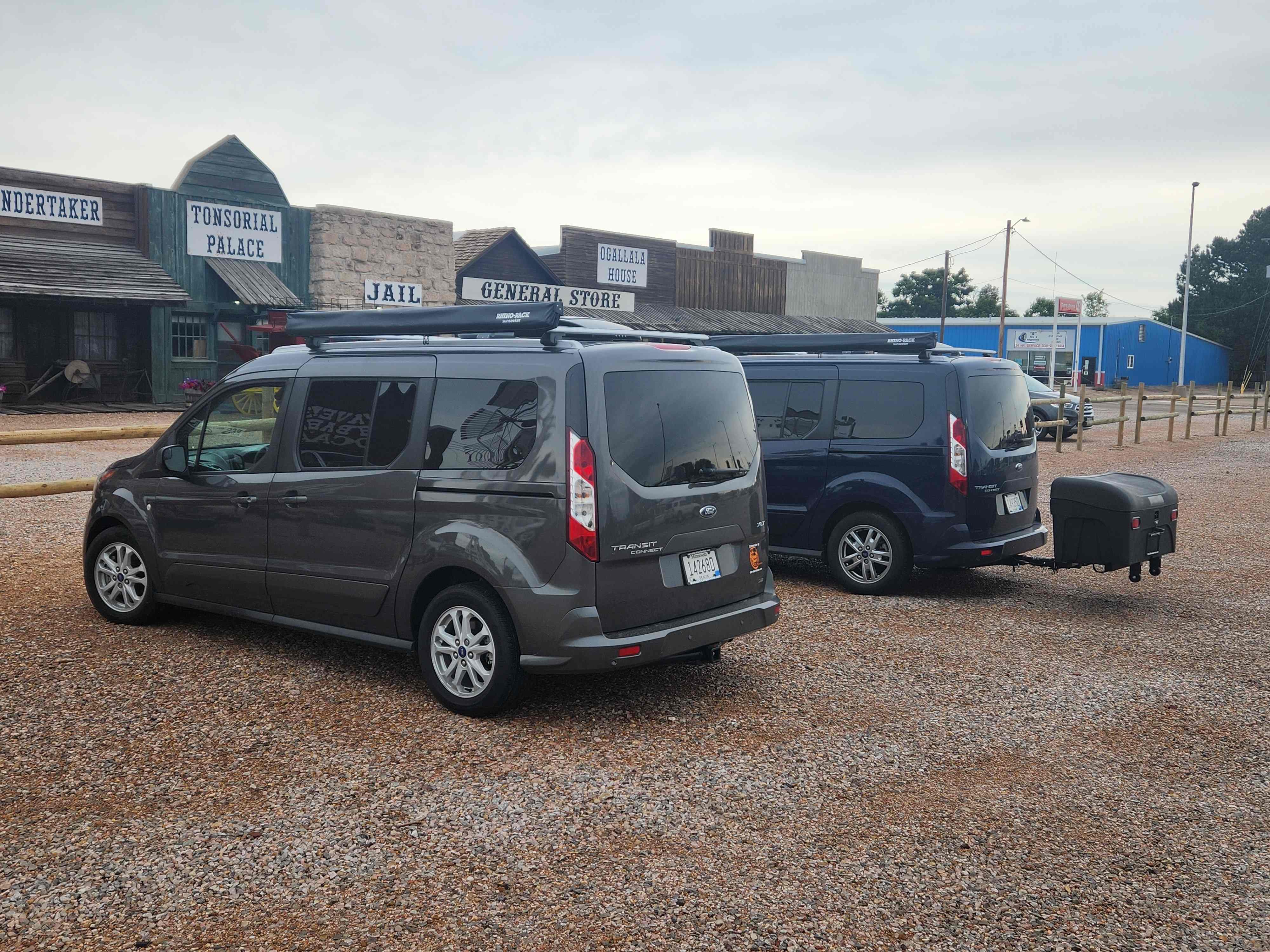
The Evolution of the Mini Campervan
Traditional RVs expanded rapidly in popularity during the mid-20th century, shaped by highway development and postwar leisure travel. As RV design evolved, vehicles generally became larger, more specialized, and more dependent on dedicated storage and seasonal use.
Mini campervans emerged more prominently in the 21st century as travel patterns began to change. Many travelers wanted mobility without the operational complexity of large motorhomes. Urban and suburban homeowners often lacked space to store oversized vehicles, and fuel costs increasingly influenced travel decisions.
Manufacturers responded by developing compact campervan platforms built on everyday vehicle chassis — typically minivans or small cargo vans. These designs aimed to preserve core camping functionality while reducing overall vehicle size and ownership demands.
The result was a category of RV that functions as both transportation and travel accommodation without requiring the infrastructure associated with larger recreational vehicles.

Why Mini Campervans Continue to Gain Interest
Several practical factors explain the steady growth of mini campervan ownership.
Residential Garage Storage
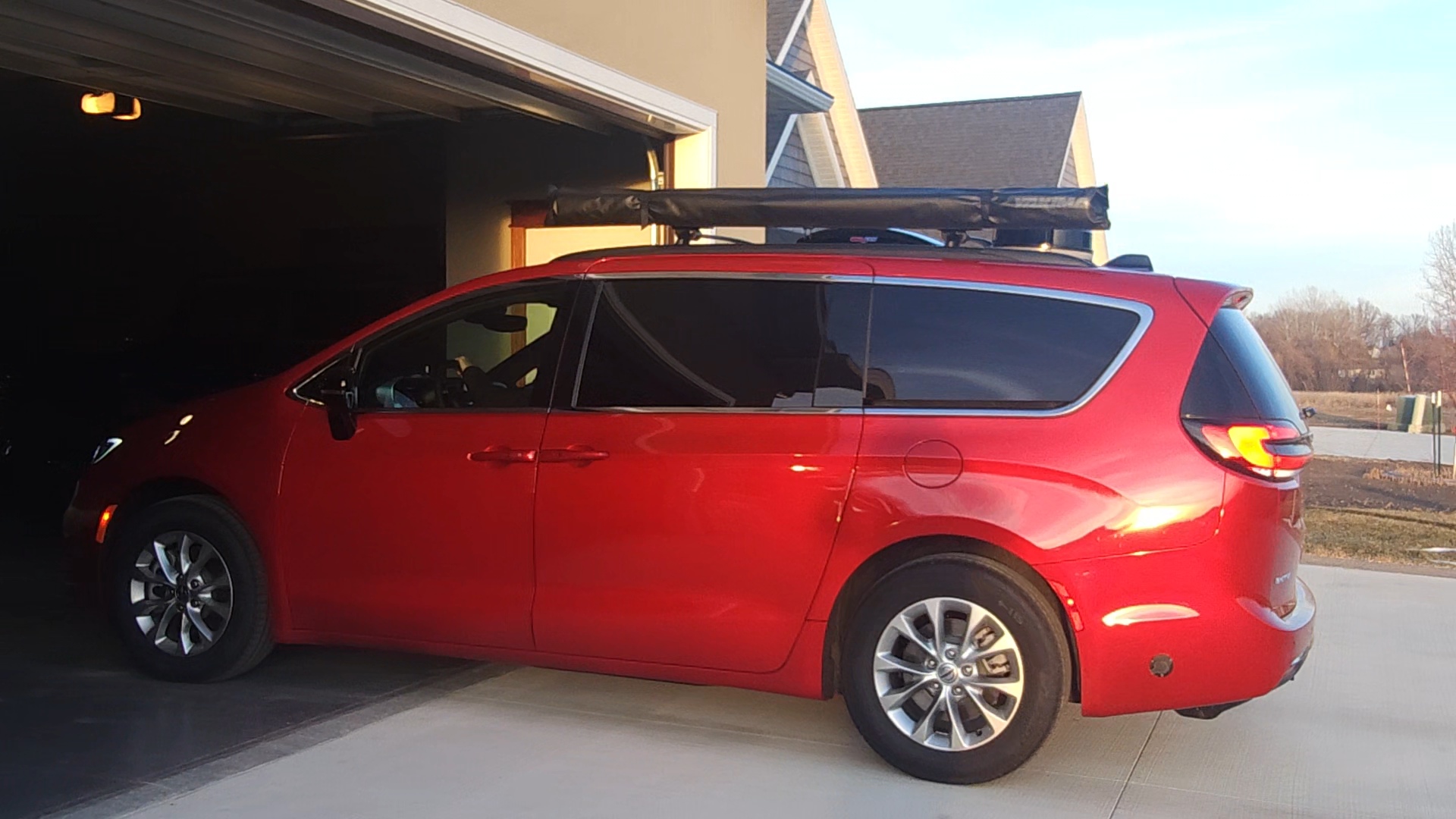
One of the defining characteristics of a mini campervan is its ability to fit inside a standard residential garage. This eliminates the need for off-site storage facilities, seasonal parking arrangements, or special accommodations often required for larger RVs.
Garage storage also protects the vehicle from weather exposure and allows owners to keep their travel vehicle ready for use at any time.
Fuel Efficiency and Operating Costs
Mini campervans are typically built on fuel-efficient vehicle platforms. Their smaller size and lighter weight reduce fuel consumption compared with larger motorhomes, particularly during long-distance travel.
Lower fuel use, combined with reduced maintenance complexity and minimal storage expenses, contributes to a more predictable long-term cost of ownership.
Everyday Driveability
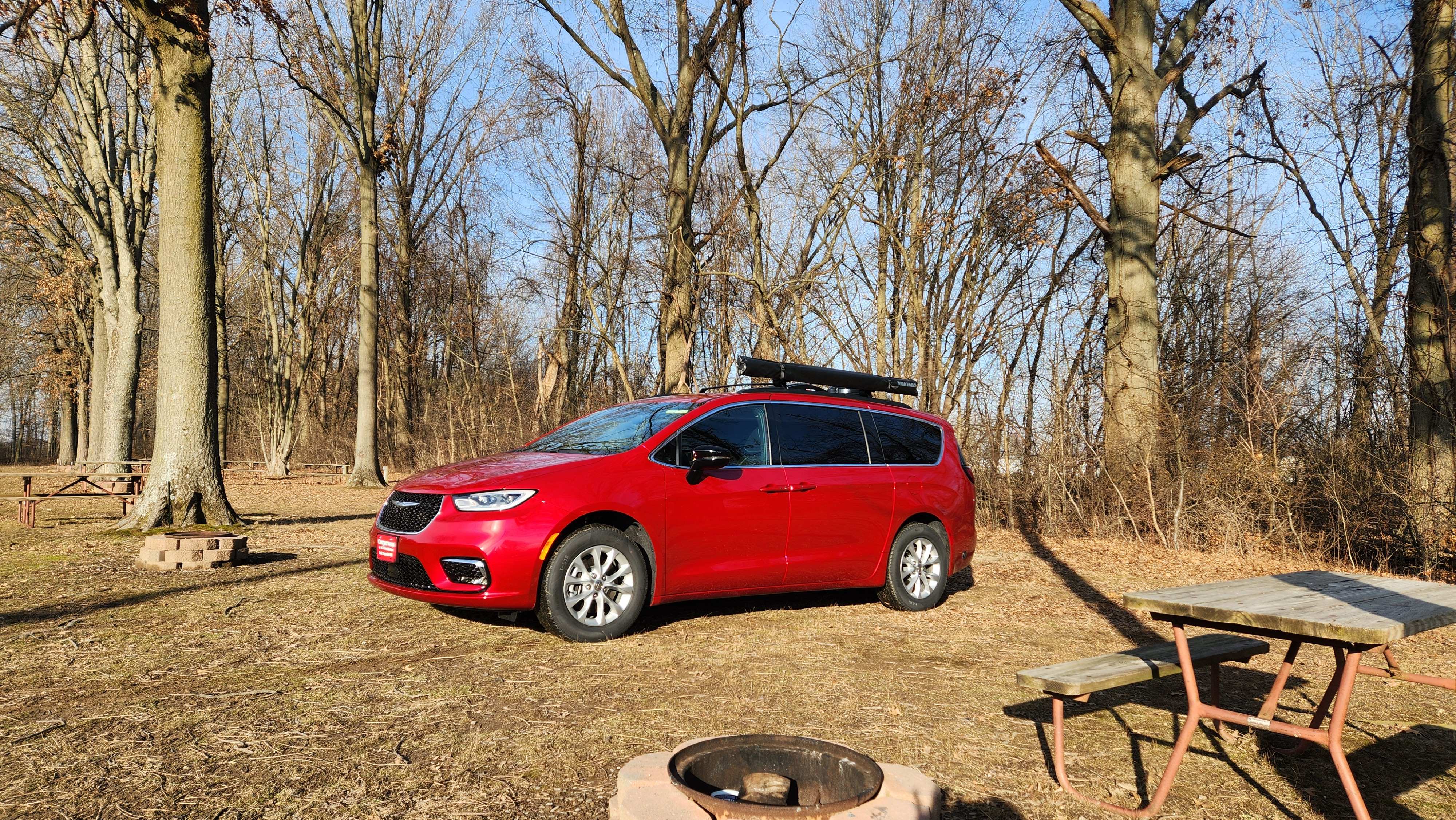
Unlike many RVs designed primarily for recreational use, mini campervans are intended to operate comfortably in daily driving environments. Their size makes them easier to maneuver in urban traffic, residential neighborhoods, and standard parking areas.
This dual-purpose capability — functioning as both a travel vehicle and everyday transportation — is a key reason many owners choose the category.
Integrated but Efficient Living Features
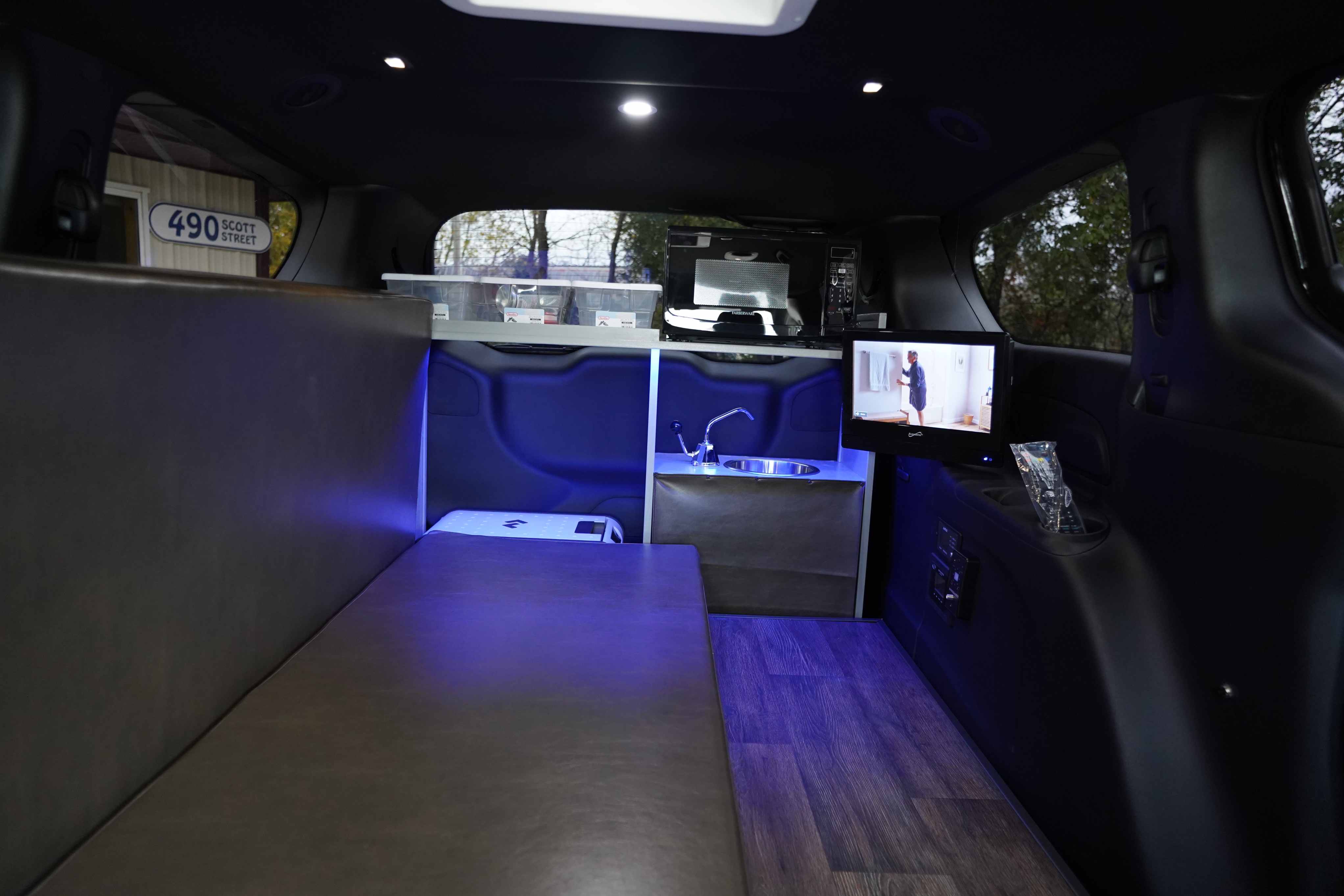
Mini campervans are designed to include essential travel functions without excessive space requirements. Typical features include sleeping accommodations for two, compact food preparation equipment, refrigeration, and onboard power systems for off-grid use.
Rather than replicating the layout of larger motorhomes, mini campervans prioritize efficiency of design — using available space carefully while maintaining core camping capability.
The Role of Specialized Manufacturers
As interest in compact camper travel has grown, manufacturers have refined vehicle design to improve usability and reliability. Companies such as DLM-Distribution focus specifically on fully integrated compact campervans, including the Mini-T Campervan lineup.
These vehicles are designed as complete travel systems rather than add-on conversions. Integrated electrical systems, solar charging capability, and carefully planned storage layouts allow compact vehicles to function effectively for extended travel while remaining practical for everyday use.
This emphasis on complete design integration distinguishes purpose-built mini campervans from basic recreational vehicle adaptations.
Understanding the Meaning of “Mini”
The term mini campervan is relative within the broader RV market. Compared with large Class A motorhomes, fifth-wheel trailers, or full-size Class C vehicles, compact campervans represent the smallest fully self-contained travel option.
They typically occupy the lower end of the Class B category, prioritizing maneuverability and efficiency over interior volume. For many travelers, this scale aligns more closely with how they actually use a recreational vehicle — frequent travel, flexible routing, and simple ownership.
A Different Approach to Recreational Travel
Recreational vehicles serve a wide range of travel styles, from long-term seasonal living to occasional weekend camping. Mini campervans occupy a distinct position within that spectrum.
They are designed for travelers who prioritize mobility, simplicity, and adaptability. Instead of planning travel around vehicle limitations, owners can incorporate travel into daily life more easily.
This shift in emphasis — from size to usability — reflects broader changes in how people approach recreation, transportation, and travel planning.
Compact Vehicles, Lasting Appeal
Mini campervans represent a practical response to changing travel needs. They provide the essential functions of a recreational vehicle while minimizing the space, cost, and operational complexity associated with larger RVs.
For many owners, the appeal lies not in reducing the travel experience, but in simplifying the logistics that surround it. By combining transportation and accommodation in a single manageable vehicle, mini campervans offer a flexible and sustainable approach to road travel.
As travel habits continue to evolve, compact campervans are likely to remain an important part of the recreational vehicle landscape — not as a trend, but as a functional alternative within a diverse and expanding market.

DLM-Distribution / Campervans is a licensed manufacturer and dealer located in Lake Crystal, Minnesota, serving clients around the country.
Contact Dave: 651-285-7089 or Candy: 507-382-9446 today!