
NEWS
Rethinking the Idea of a Campervan
When many people picture a campervan, they imagine something large, tall, and difficult to store — a vehicle that requires off-site parking, higher operating costs, and limited everyday practicality. Bigger has long been associated with better in the RV world.

But that assumption is changing.
A growing number of travelers are discovering that smaller campervans can deliver everything they truly need for comfortable travel — without the complications that often come with larger rigs. The Mini-T Campervan lineup represents this shift toward practical design, efficient use, and real-world usability.
Sometimes, less really does offer more.

What Defines a Small-Format Campervan
A small-format campervan focuses on balance rather than excess. It is designed to provide genuine camping capability while remaining manageable in everyday life. Instead of prioritizing interior volume above all else, the design emphasizes efficiency, mobility, and simplicity of ownership.
This approach creates a vehicle that supports travel without dominating daily routines — a campervan that fits naturally into how people actually live and drive.
Efficiency That Supports More Travel
Fuel consumption is one of the most overlooked aspects of RV ownership. Larger motorhomes require more fuel simply to move their size and weight, which can make frequent travel expensive and limit how often owners choose to use them.
Smaller campervans typically consume far less fuel. Over time, that difference adds up in meaningful ways — not just in cost savings, but in freedom. When operating expenses remain reasonable, spontaneous trips and longer journeys become easier to justify.
Efficiency encourages use. And a campervan that gets used regularly provides far more value than one that spends most of its time parked.
Storage That Works With Real Life
Storage is another practical consideration that often gets underestimated. Larger RVs frequently require dedicated parking areas, paid storage facilities, or exceptions to neighborhood restrictions. Managing where to keep the vehicle becomes part of ownership.
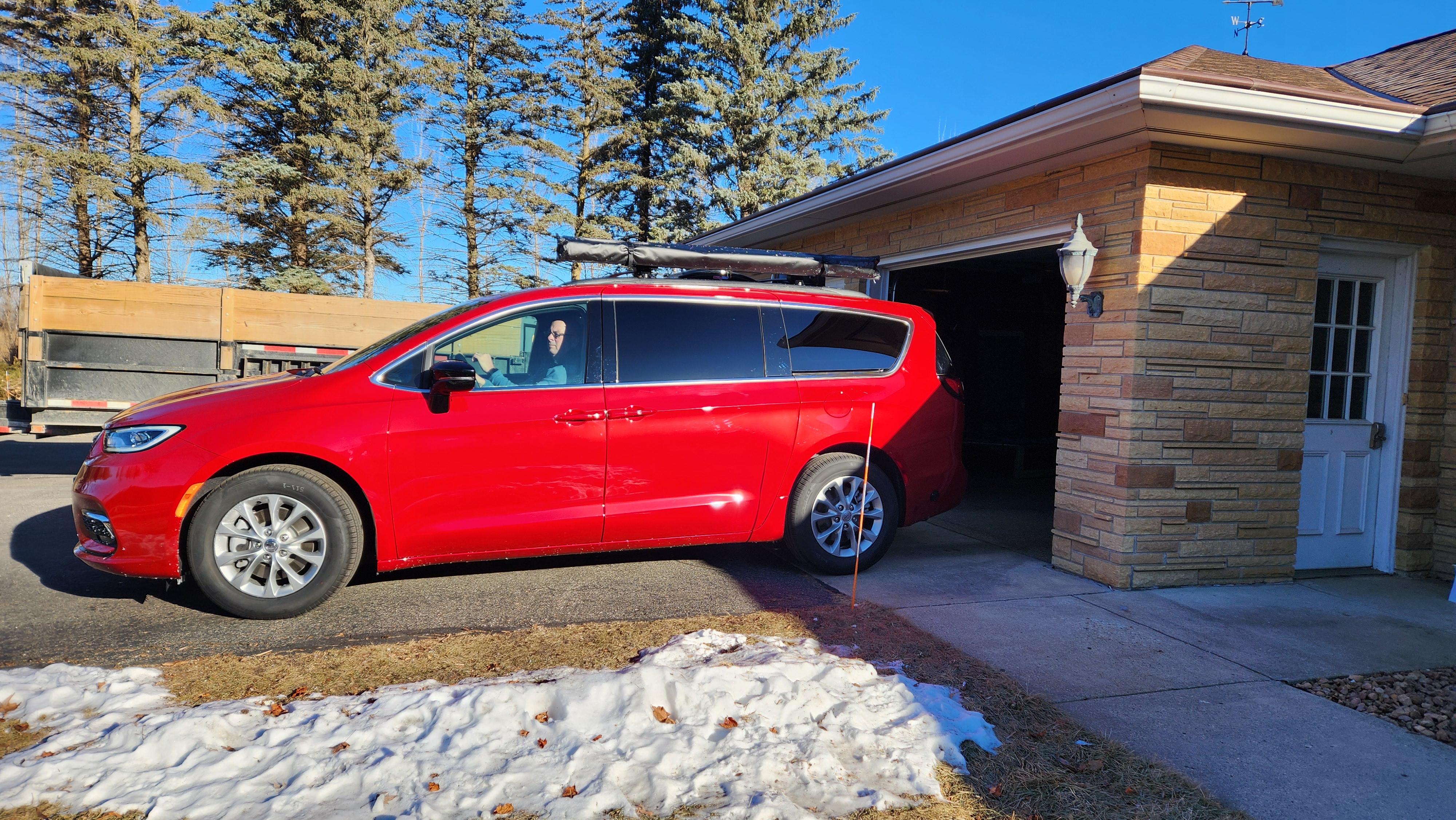
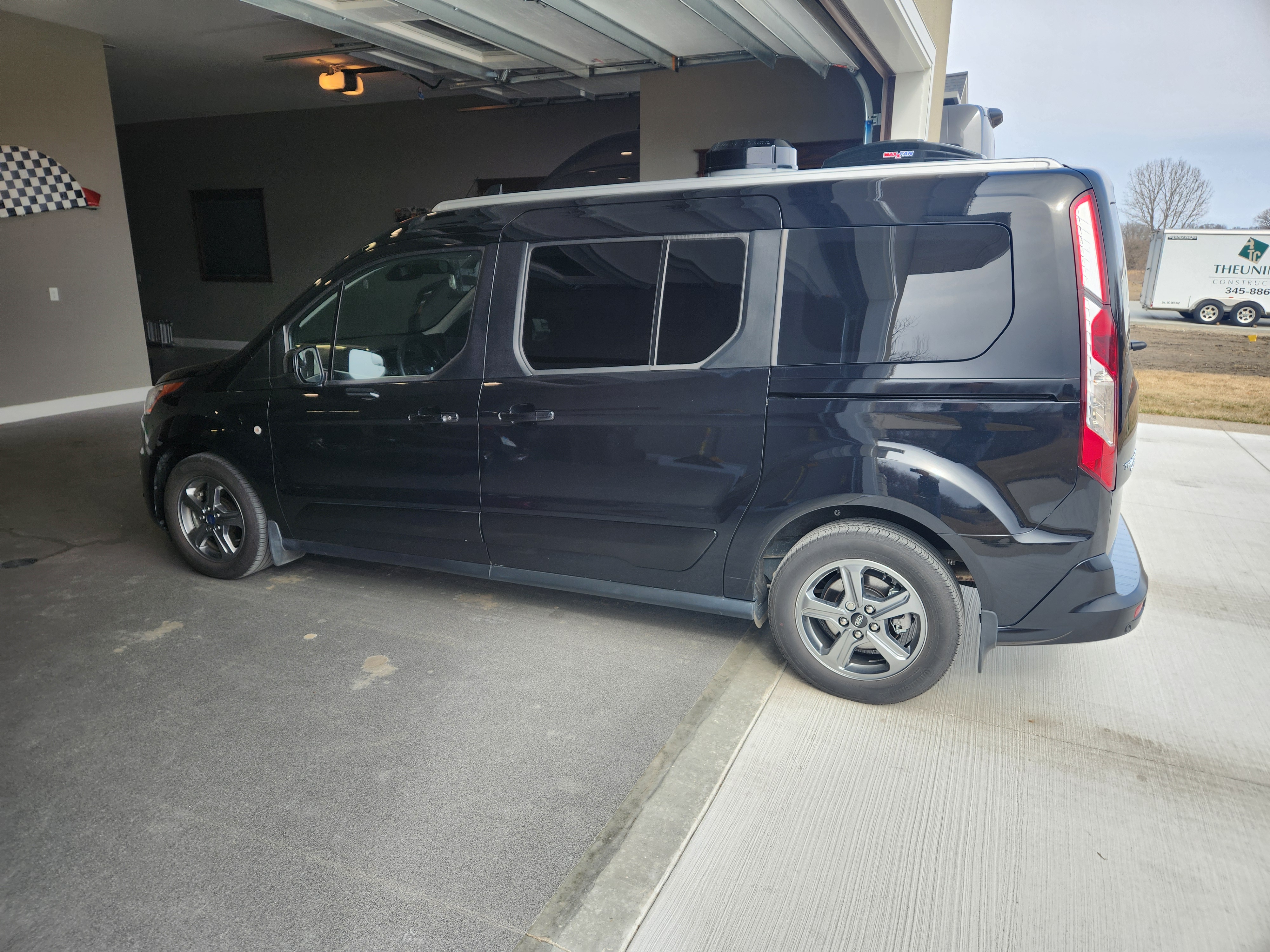
Many compact campervans are designed to fit within standard residential storage spaces. Keeping the vehicle at home protects it from the elements, reduces long-term costs, and keeps it ready whenever travel opportunities arise.
Convenience in storage is not just a minor benefit — it changes how often a campervan can realistically be used.
A Vehicle That Fits Everyday Driving
One of the defining advantages of a smaller campervan is its ability to function as a regular vehicle. Instead of owning something used only for trips, owners can drive the same vehicle for errands, commuting, and day-to-day transportation.
This dual-purpose capability simplifies ownership. Insurance, maintenance, and vehicle replacement planning become more straightforward when one vehicle fulfills multiple roles. Just as important, familiarity with driving and handling never fades — because the vehicle is used regularly.
A campervan that integrates into daily life is easier to justify and easier to enjoy.
Maneuverability That Expands Where You Can Go
Size influences more than fuel consumption and storage. It also determines where a vehicle can comfortably travel.
Smaller campervans handle tight parking areas, older campgrounds, scenic drives, and urban environments with far less stress. Narrow roads, compact parking spaces, and busy travel destinations become manageable rather than limiting.
This flexibility expands real travel options. Instead of planning routes around vehicle size, travelers can focus on the destination itself.

Ownership Costs That Stay Predictable
Beyond purchase price, long-term ownership costs matter. Larger RVs often bring higher maintenance expenses, more complex systems, and specialized service requirements. Over time, these factors can significantly increase the cost of ownership.
Smaller campervans tend to rely on widely supported vehicle platforms and more streamlined systems. This typically results in more predictable service costs and easier access to maintenance.
Practical ownership supports long-term satisfaction. When operating costs remain reasonable, enjoyment tends to remain high.
The Value of Right-Sized Design
The goal of a well-designed compact campervan is not to replicate a large motorhome in miniature. It is to provide the essential elements of comfortable travel in a form that remains manageable, efficient, and realistic for everyday life.
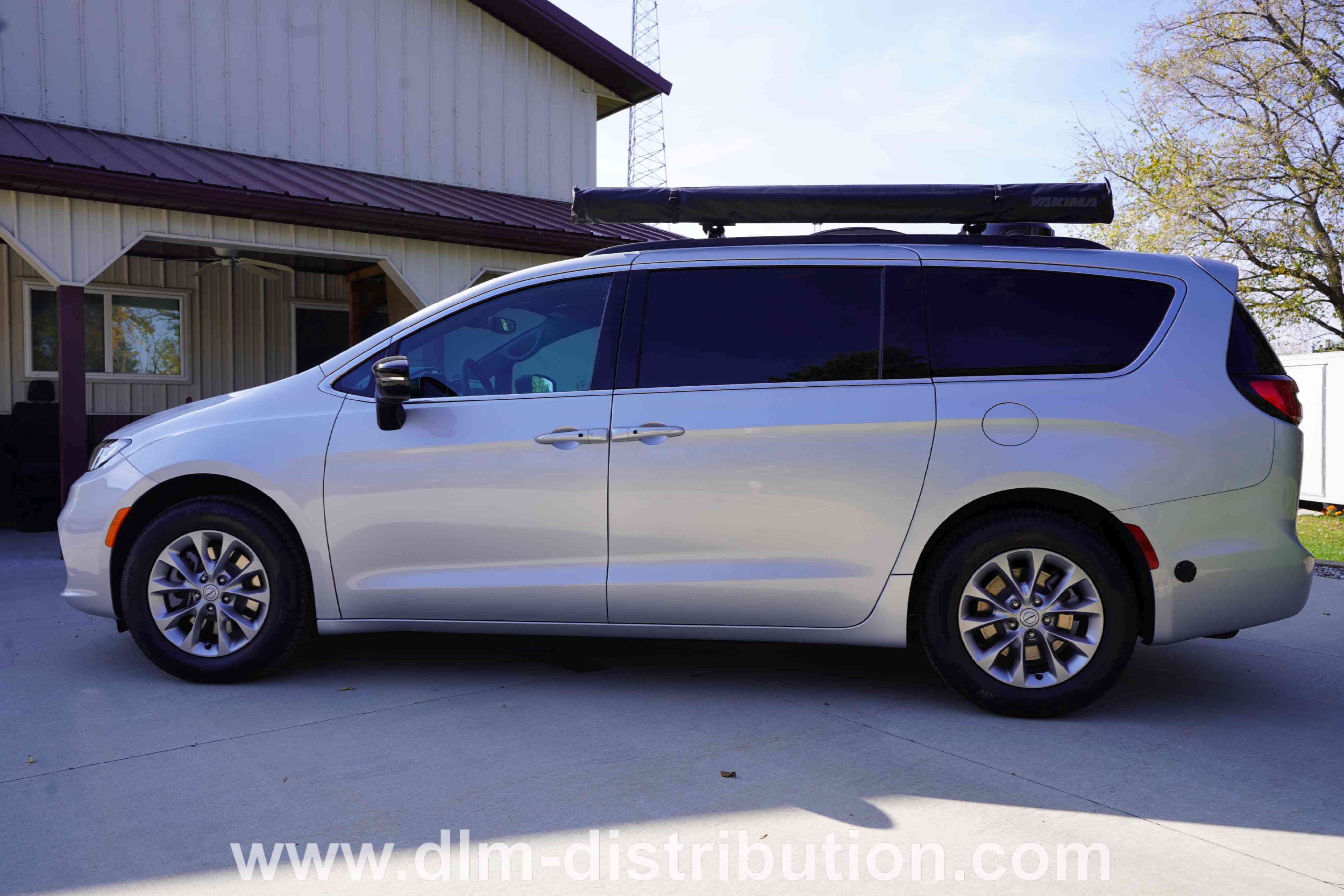
This philosophy is reflected throughout the Mini-T Campervan lineup — vehicles designed around usability rather than excess, and around real travel habits rather than showroom impressions.
Right-sized design focuses on what people actually use, not what simply looks impressive.
When Bigger Isn’t Better
Large RVs certainly have their place. For some travel styles, more space is necessary. But for many travelers, the advantages of size come with trade-offs that reduce convenience, increase costs, and limit flexibility.
Smaller campervans offer a different path — one built around balance, efficiency, and ease of ownership.
They make travel simpler. They make storage manageable. They make everyday driving practical. And they make frequent use far more likely.
In the end, the most valuable campervan is not the biggest one available. It is the one that fits naturally into how you live — and makes it easier to get out and go when the opportunity arises.
That is where smaller campervans often prove their strength.

DLM-Distribution / Campervans is a licensed manufacturer and dealer located in Lake Crystal, Minnesota, serving clients around the country.
Contact Dave: 651-285-7089 or Candy: 507-382-9446 today!