
There is something appealing about the idea of having everything you need for a road trip in a vehicle that is not much larger than the one you already drive. You can follow a scenic highway, explore a national park, visit family across the country, or spend a few nights camping without taking a large motorhome along for the journey. That is the basic idea behind a micro camper.
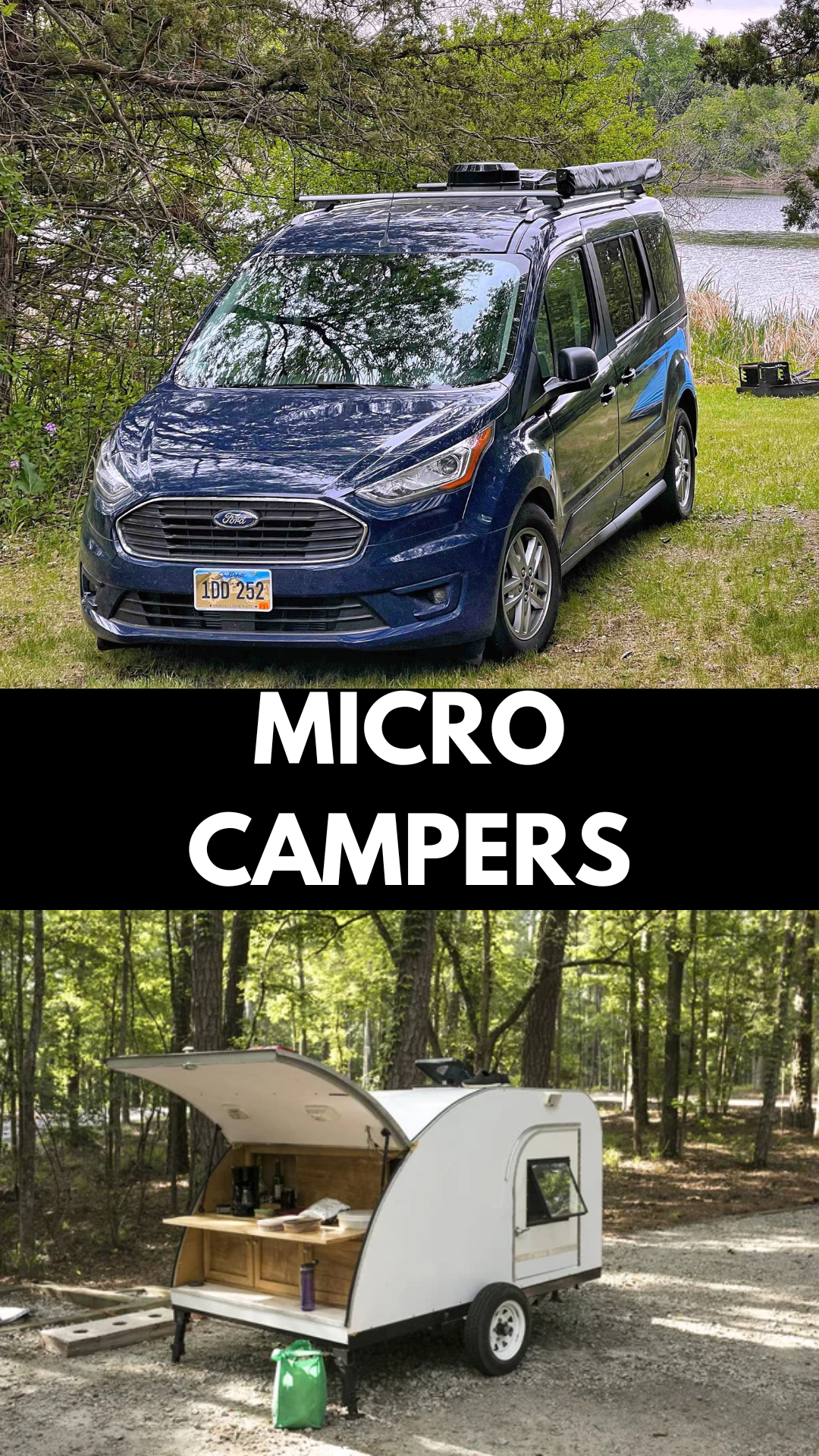
A micro camper is a small camping vehicle designed to provide essential travel accommodations while retaining the convenience of an ordinary passenger vehicle or smaller van. Rather than maximizing interior living space, the design emphasizes efficient use of available room, practical camping equipment, and the ability to travel comfortably without the size and complexity of a traditional recreational vehicle.
Micro campers come in several forms. Some are simple passenger vehicles with removable sleeping platforms, while others are professionally manufactured campervans with integrated electrical systems, refrigeration, water facilities, and comfortable sleeping accommodations. What they share is a philosophy of making travel possible without requiring a large vehicle.
What Qualifies as a Micro Camper?
There is no universally accepted size or equipment standard that defines a micro camper. Unlike established RV classifications, the term is generally used to describe smaller camping vehicles built around passenger cars, minivans, and smaller commercial vans. Some measure around 15 or 16 feet long, while others approach 17 or 18 feet, depending on the vehicle platform and conversion design.
The important distinction is not an exact measurement but how the available space is used. A micro camper typically provides sleeping accommodations and some combination of food preparation, refrigeration, storage, and electrical conveniences within a vehicle that remains relatively easy to drive and park.
Because interior space is limited, furniture and equipment often serve more than one purpose. A seating area may convert into a bed, storage may be incorporated beneath sleeping accommodations, and kitchen equipment may be arranged so that it is accessible without requiring a separate room. Thoughtful design becomes especially important because every inch has a purpose.
Some micro campers are little more than a comfortable place to sleep, while others offer many of the conveniences found in larger RVs. Understanding that difference is important when comparing vehicles. Two campervans with similar exterior dimensions may provide very different travel experiences depending on their layouts, equipment, and electrical capabilities.
Why Smaller Camping Vehicles Appeal to Travelers
One of the greatest attractions of a micro camper is the freedom to travel without managing a large recreational vehicle. A smaller campervan can be easier to maneuver through towns, parking lots, and scenic roads, making ordinary stops along the journey less complicated. Visiting a grocery store, stopping at a restaurant, or finding parking near an attraction generally feels more like traveling in a passenger vehicle than operating a motorhome.
Fuel economy is another consideration. Although actual mileage depends on the vehicle, its weight, and driving conditions, smaller van and minivan platforms can offer meaningful fuel savings compared with many larger motorhomes. For travelers who enjoy covering long distances, operating costs can become an important part of deciding which type of RV makes sense.
There is also the matter of how frequently a vehicle gets used. A large motorhome may be reserved primarily for vacations, while a smaller campervan can often serve additional purposes throughout the year. Day trips, errands, family visits, sporting events, and weekend outings all become opportunities to use the same vehicle.
This everyday usefulness is part of what makes the micro camper concept attractive. Instead of owning a recreational vehicle that spends much of its time in storage, travelers can choose a vehicle that fits more naturally into their regular routines.
Can a Micro Camper Fit in a Standard Garage?
Some micro campers offer an advantage that is uncommon among traditional RVs: the ability to fit inside a standard residential garage. While not every micro camper is garageable, certain lower-profile van and minivan conversions are designed with residential garage storage in mind.
Many homes have garage door openings approximately seven feet high, making overall vehicle height especially important. Roof-mounted equipment, vents, and accessories must all be included when determining whether a finished campervan will fit. Interior garage length and the actual clear door opening also need to be measured.
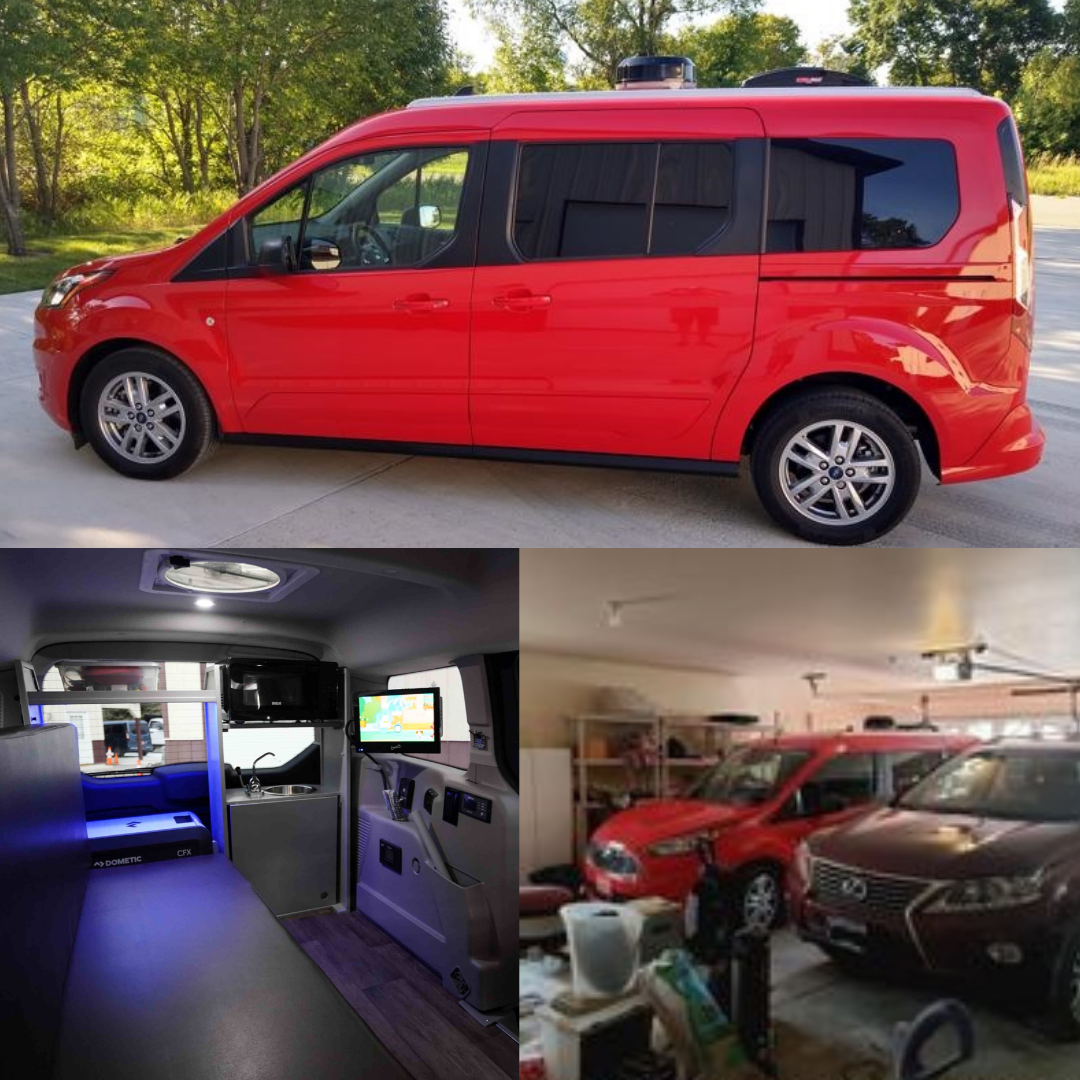
For owners who can keep their campervan at home, the benefits extend beyond convenience. Garage storage provides protection from weather, eliminates the need for a separate RV storage facility, and makes it easier to prepare for a trip whenever the opportunity arises.
It can also be particularly valuable in communities with homeowners association restrictions on outdoor RV parking. A campervan that fits inside the home's garage can make recreational vehicle ownership practical without creating the parking and storage concerns associated with a larger motorhome.
Garageability is one of the defining advantages of certain Mini-T Campervans. Our article about garageable campervan ownership explores why this feature can make such a difference in everyday life.
How Much Camping Equipment Can Fit in a Micro Camper?
The amount of equipment a micro camper can accommodate depends largely on how the conversion is designed. A basic camping setup may provide a mattress, a few storage compartments, and room for portable cooking equipment. This can be perfectly adequate for occasional weekend trips, particularly for travelers who spend most of their time outdoors.
More fully equipped micro campers can include refrigeration, a microwave, a sink with water storage, ventilation, house batteries, solar charging, an inverter, and shore power connections. These features make it possible to enjoy more of the conveniences associated with RV travel without moving into a substantially larger vehicle.
Electrical capability deserves particular attention. Having a battery aboard does not necessarily mean a camper can operate household appliances away from hookups. A complete system must be designed to support the equipment being used, with appropriate battery capacity, charging methods, inverter capability, and electrical protection.
For travelers who prefer to camp without relying on campground electrical service, those differences can be more important than the vehicle's overall size. The ability to refrigerate food, prepare a warm meal, charge devices, and use 120V conveniences can make extended road trips considerably more comfortable.
Where the Mini-T Campervan Fits Into the Micro Camper Category
The Mini-T Campervan, manufactured by DLM-Distribution in Lake Crystal, Minnesota, is an example of how the micro camper concept can be developed into a fully equipped recreational vehicle. Rather than starting with a large van and attempting to make it smaller, the Mini-T uses practical passenger-vehicle platforms and incorporates camping accommodations within their existing dimensions.
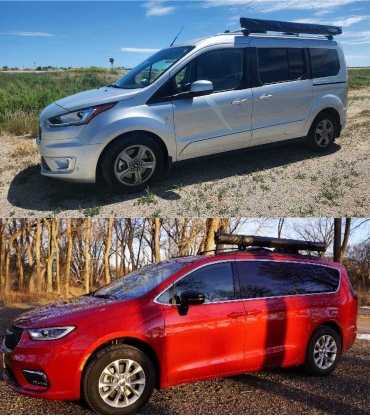
Earlier Mini-T Campervans were manufactured on the Ford Transit Connect platform, while Chrysler Voyager and Chrysler Pacifica models provide additional choices, including available all-wheel drive on the Pacifica. These vehicles offer different driving characteristics and equipment configurations while sharing the same general emphasis on manageable size and practical travel.
The Mini-T combines sleeping accommodations for two with practical features such as refrigeration, a microwave, sink, storage, and an integrated electrical system. Solar charging, house batteries, alternator charging, shore power, and inverter-supported 120V capability allow travelers to use many everyday conveniences without depending entirely on campground hookups or a generator.
Equally important is what happens between camping destinations. A Mini-T remains comfortable to drive on highways, practical to park in ordinary spaces, and suitable for everyday transportation. Its garageable design also allows many owners to keep their campervan at home rather than arranging separate RV storage.
This approach reflects a central idea behind the micro camper category: a recreational vehicle does not have to be large to make meaningful travel possible. For people who enjoy exploring destinations, covering scenic miles, and having their own accommodations along the way, thoughtful design can be more valuable than additional interior square footage.
Micro Campers Compared With Larger Class B Motorhomes
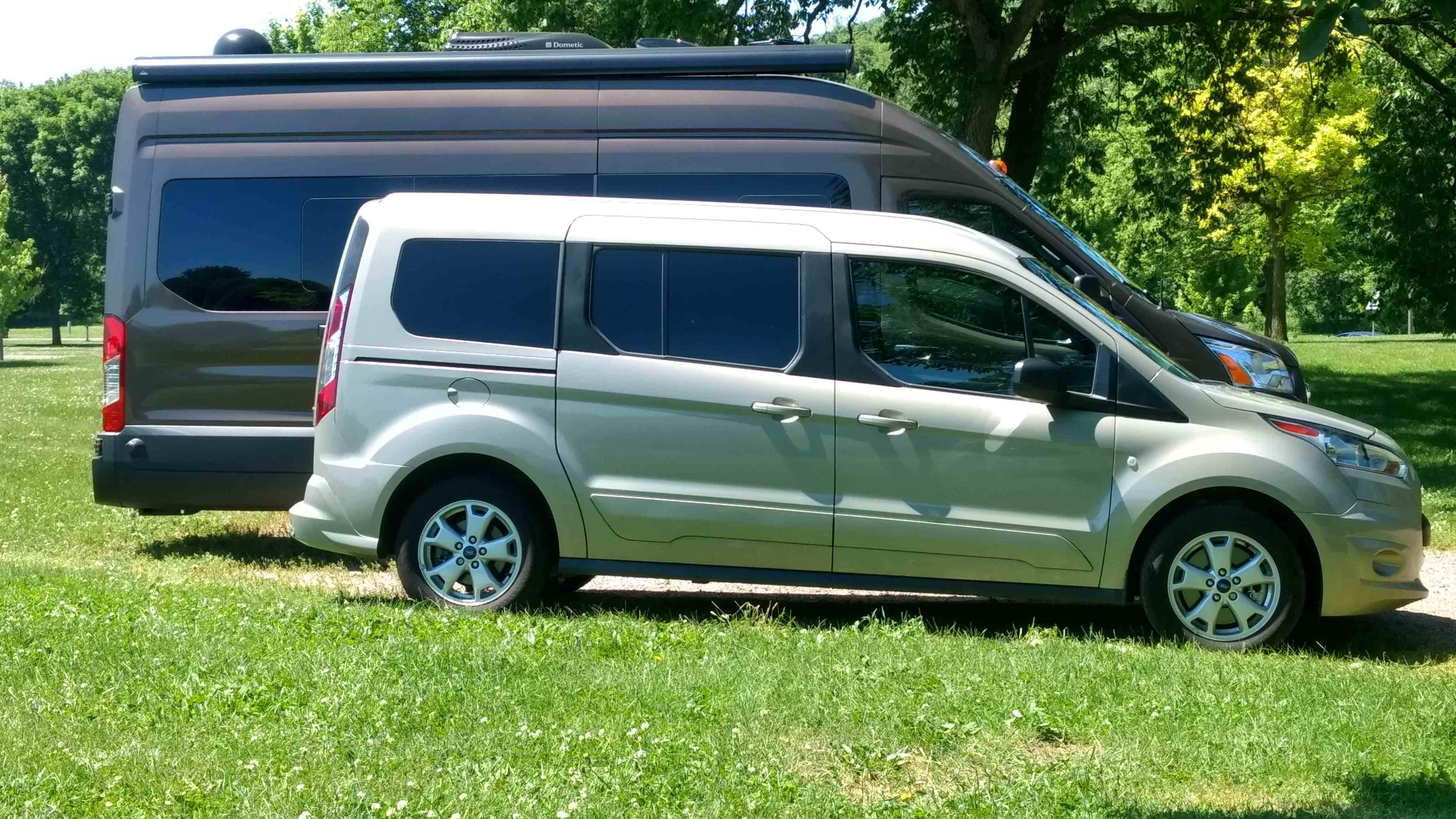
A larger Class B motorhome generally provides more interior room and may include standing-height ceilings, enclosed bathrooms, additional cabinetry, and larger kitchen facilities. Those features can be important for travelers who spend substantial amounts of time inside their RV or prefer accommodations closer to those of a traditional motorhome.
A micro camper makes a different set of compromises. Interior standing room may be limited, bathrooms are often portable or absent, and sleeping and seating areas frequently share the same space. In exchange, the vehicle may be easier to drive, more economical to operate, and simpler to store.
Neither approach is inherently better. A traveler who wants to remain in one campground for weeks at a time may place a high value on interior living space. Someone who prefers exploring national parks, visiting family, traveling scenic highways, and changing destinations frequently may appreciate the mobility and convenience of a smaller campervan.
The most useful comparison is not simply how much equipment a vehicle contains, but whether that equipment supports the way its owner actually wants to travel.
What Should You Consider Before Buying a Micro Camper?
Before choosing a micro camper, think about the activities that will fill most of your travel days. Will you primarily visit campgrounds, explore national parks, or take extended road trips with frequent stops? Do you want a vehicle reserved for camping, or would you prefer one that can also be used for everyday driving?
Sleeping comfort is important, especially for longer trips. Consider the bed dimensions, how easily the sleeping area converts, and whether the layout provides enough room for two travelers and their belongings. Storage should also be evaluated realistically. A smaller vehicle encourages lighter packing, but essential clothing, food, camping supplies, and personal equipment still need accessible places.
It is equally important to consider food preparation, refrigeration, electrical capabilities, and how you will manage water and restroom needs. Some travelers are perfectly comfortable using campground facilities, while others prefer a greater degree of independence. The right equipment depends on those expectations.
Finally, consider where the vehicle will be stored between trips. A campervan that fits in your garage, remains practical for daily use, and does not require special storage arrangements may offer advantages that are easy to overlook when comparing vehicles on a showroom floor.
A Smaller Vehicle Can Make Room for More Travel
The appeal of a micro camper is not about having the smallest possible RV. It is about having enough comfort and capability to enjoy the journey without taking along more vehicle than you need.
For many travelers, the most memorable parts of a trip happen outside the campervan: a morning walk beside a lake, an unexpected stop in a small town, an afternoon exploring a national park, or an evening spent watching the sunset. A thoughtfully designed micro camper provides a comfortable place to rest, prepare a meal, and continue the adventure the following day.
When the vehicle is easy to drive, convenient to park, and simple to own, travel can become a more natural part of everyday life. That may be the greatest advantage of the micro camper concept: making it easier to spend more time exploring and less time managing the logistics of an RV.
Happy Travels & Happy Camping!
DLM-Distribution / Campervans is a licensed manufacturer and dealer located in Lake Crystal, Minnesota, serving clients around the country.
Contact Dave: 651-285-7089 or Candy: 507-382-9446 today!