
NEWS
Which RV Is the Easiest to Drive?
When people begin exploring recreational vehicles, one of the first questions they ask is simple: Which RV is the easiest to drive? Recreational vehicles range widely in size and complexity—from large Class A motorhomes that resemble touring buses to compact campervans designed to drive much like everyday vehicles. Choosing the right RV depends on a balance of drivability, comfort, fuel economy, and how you plan to travel.
Below is a practical comparison of the major RV classes, highlighting how each performs when it comes to ease of driving, typical features, and real-world fuel economy.
Class A Motorhomes
Ease of Driving: Low
Estimated Fuel Economy: 6–10 MPG
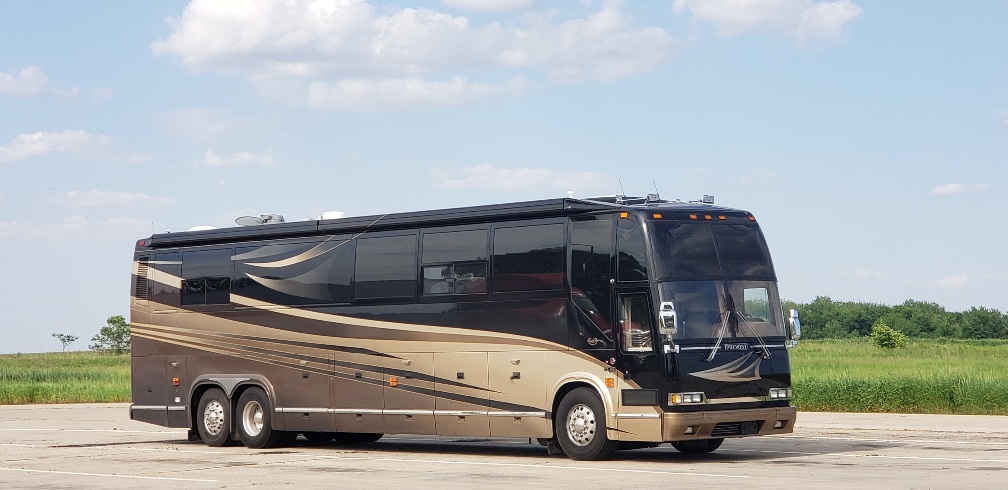
Class A motorhomes are the largest and most luxurious recreational vehicles available. Built on bus-style chassis, these RVs often measure between 30 and 45 feet in length and provide expansive living areas. Many include full residential-style features such as large kitchens, washer and dryer units, multiple sleeping areas, and spacious living rooms.
While the interior space can be impressive, the size of a Class A motorhome can make driving more demanding. Navigating narrow roads, fuel stations, parking areas, and older campgrounds often requires careful planning. Fuel consumption is also significantly higher than smaller RV types.
Class C Motorhomes
Ease of Driving: Moderate
Estimated Fuel Economy: 10–15 MPG
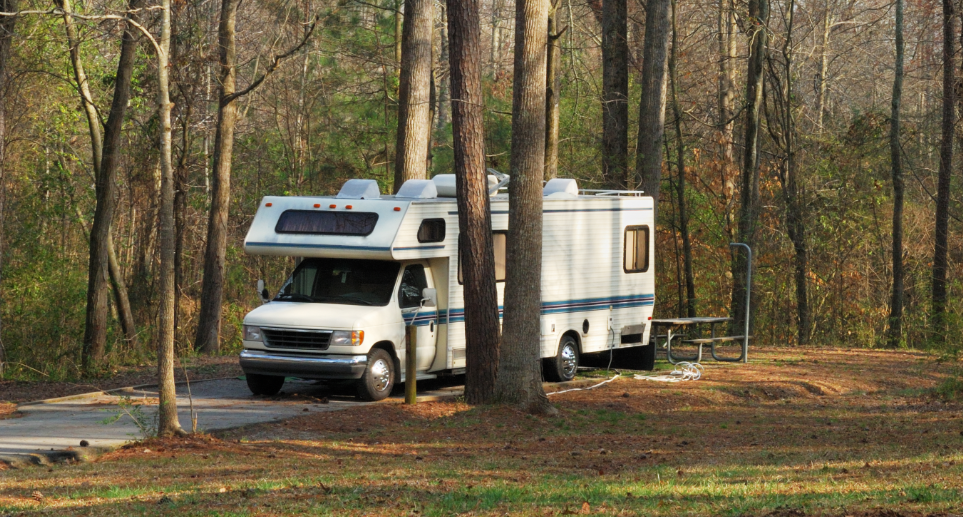
Class C motorhomes fall between Class A motorhomes and campervans in size. They are easily recognized by the sleeping area that extends above the cab of the vehicle. Typically measuring between 20 and 30 feet in length, they provide more living space than a campervan while remaining somewhat easier to drive than the largest motorhomes.
Drivers often find Class C RVs manageable once they become familiar with the vehicle's height and length. However, their size can still make city driving, parking, and tight campground navigation more challenging compared with smaller RV types.
Class B Motorhomes (Campervans)
Ease of Driving: High
Estimated Fuel Economy: 18–22 MPG
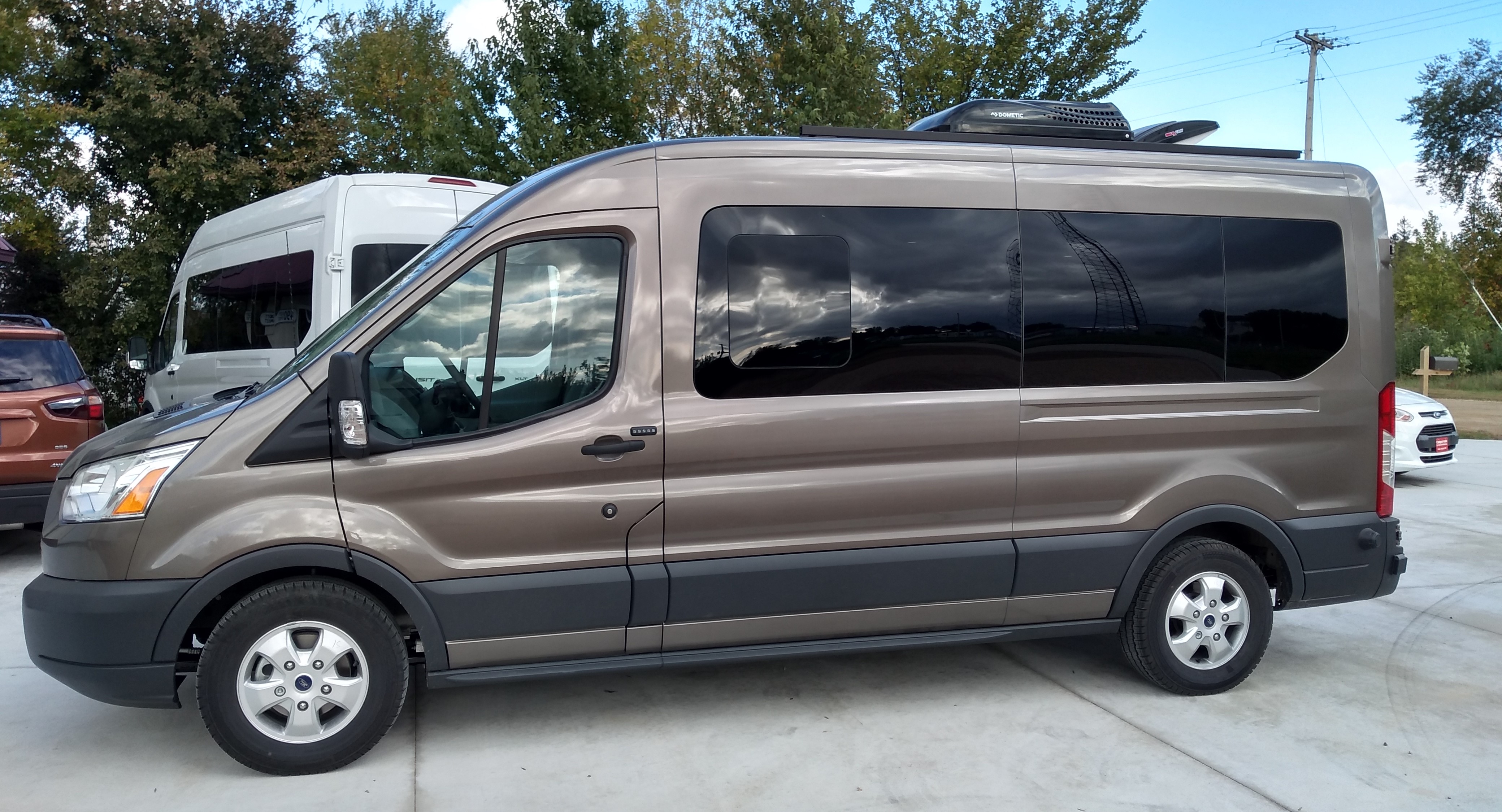
Class B motorhomes, commonly referred to as campervans, are built using the original body of a standard van. Because they retain the factory chassis and proportions of the van they are based on, they drive much more like a typical vehicle than larger RVs.
This makes Class B campervans easier to maneuver through cities, scenic highways, and smaller roads. Parking is also simpler, and many owners find that driving a campervan quickly becomes second nature. The trade-off is interior space, as campervans prioritize mobility and efficiency over large living areas.
Mini-T Campervan
Ease of Driving: Exceptional
Estimated Fuel Economy: 24–28 MPG
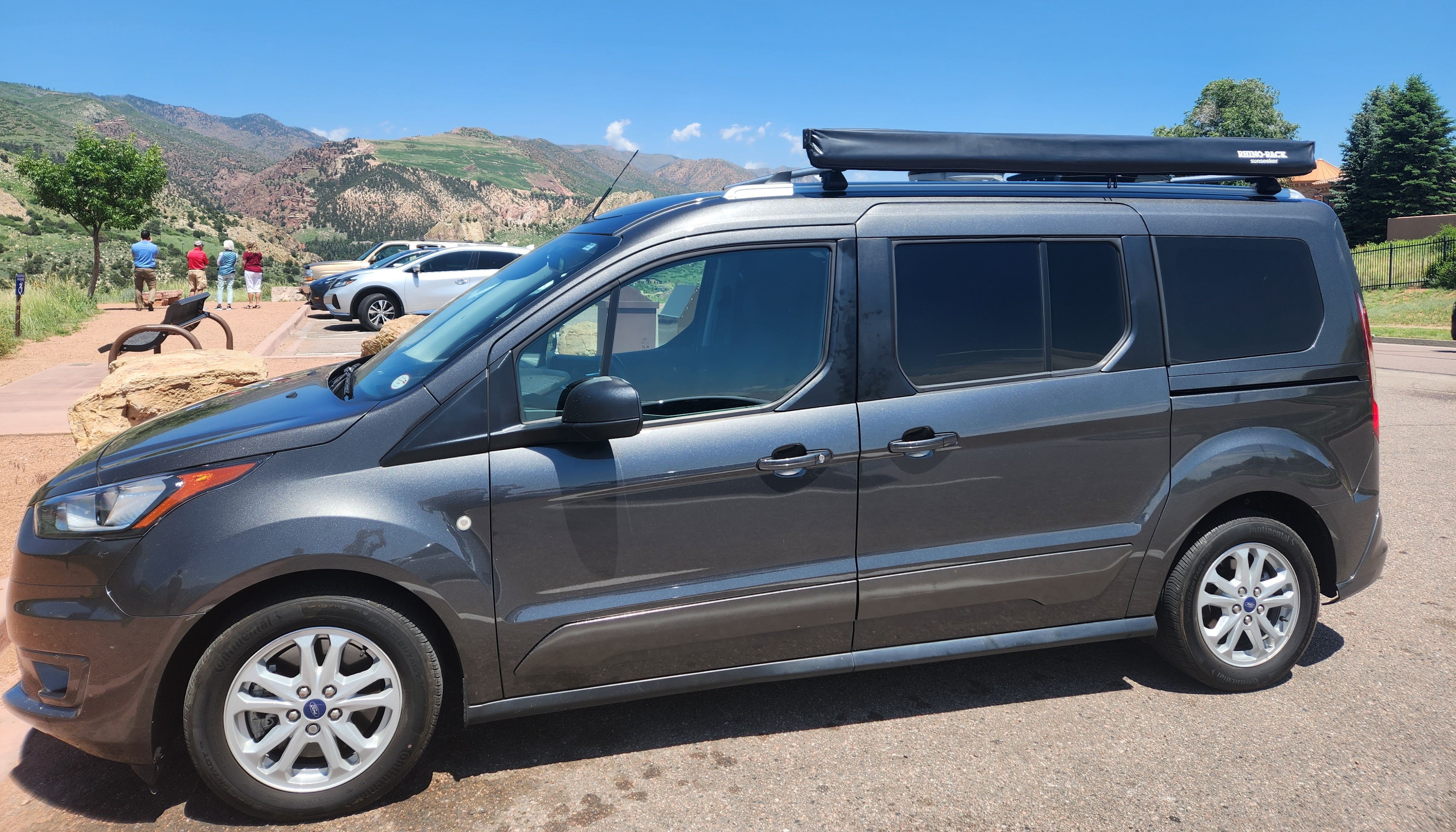
The Mini-T Campervan represents one of the most compact and easy-to-drive RV formats available today. With a length of approximately 16 feet and a height around 80 inches, it drives much like a small SUV or crossover vehicle rather than a traditional motorhome.
Its compact dimensions make it easy to park, simple to maneuver through urban areas, and practical for everyday driving. In many cases, the Mini-T can even fit inside a standard residential garage, helping owners avoid off-site storage costs and making it easy to keep the vehicle protected at home.
Despite its manageable size, the Mini-T Campervan includes many of the essential features travelers expect in a campervan. These include a pull-out bed for two, refrigerator, microwave oven, sink with water system, and a fully integrated electrical system that supports off-grid power through battery storage, solar charging, alternator charging while driving, or shore power.
The main limitation of compact campervans is interior space. Because they focus on mobility and efficiency, they are typically best suited for one or two travelers rather than large families.
Choosing the Right RV for Your Travel Style
Each RV class offers advantages depending on how you plan to travel. Class A motorhomes provide residential-style comfort and space. Class C motorhomes offer a balance of living area and drivability. Class B campervans focus on mobility, efficiency, and simplicity.
For travelers who prioritize ease of driving, fuel economy, and flexibility, compact campervans such as the Mini-T stand out as a practical choice. Their smaller size allows them to travel comfortably through national parks, scenic byways, and city streets while keeping operating costs relatively low.
No matter which type of RV you choose, the key to enjoyable travel is becoming familiar with your vehicle’s size and capabilities. With a little practice, driving an RV becomes second nature and opens the door to unforgettable road trips and outdoor destinations.
Happy Camping!
DLM-Distribution / Campervans is a licensed manufacturer and dealer located in Lake Crystal, Minnesota, serving clients around the country.
Contact Dave: 651-285-7089 or Candy: 507-382-9446 today!