
NEWS
Your Driveway, My Campsite: The Appeal of Close-to-Home Camping
Camping does not always require a remote destination, crowded campground, or cross-country road trip. For many RV and campervan owners, some of the most practical and enjoyable overnight stays happen much closer to home — parked in the driveway of family or friends.
Often referred to as driveway camping, courtesy parking, or even “moochdocking” within parts of the RV community, this growing style of travel offers a balance between mobility, privacy, convenience, and social connection. Instead of booking hotels, rearranging guest rooms, or planning around campground reservations, travelers can remain close to loved ones while still enjoying the comfort and independence of their own campervan or RV.
For many people, driveway camping has become a practical option for family visits, weekend gatherings, graduations, weddings, holidays, concerts, sporting events, and overnight stays where a full campground setup may not be necessary.
What Is Moochdocking or Courtesy Parking?
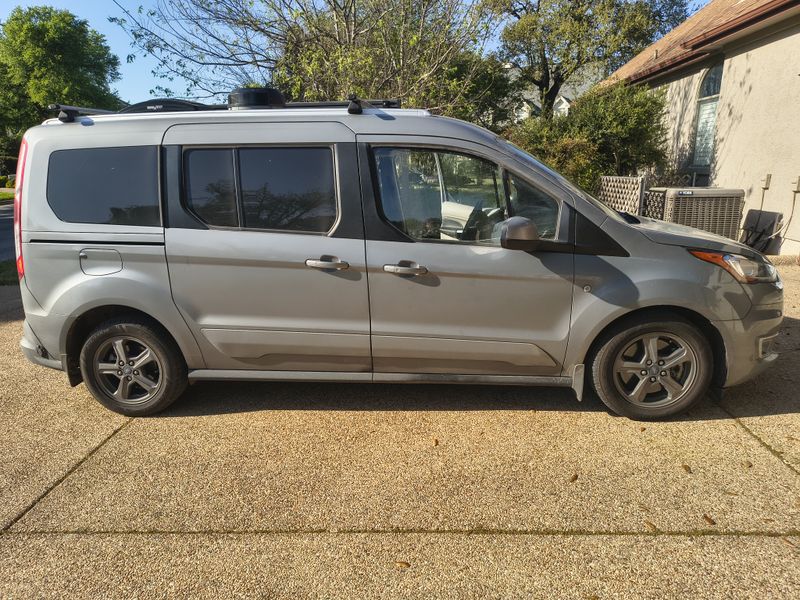
Within the RV world, terms like “moochdocking” and “courtesy parking” are commonly used to describe staying overnight on private property with permission from the homeowner. Unlike traditional campground camping, these stays usually involve little or no setup, fewer amenities, and a stronger focus on convenience and flexibility.
The term moochdocking is often used humorously within the RV community because travelers may occasionally connect to household electricity, water, or WiFi while visiting friends or relatives. Courtesy parking is generally viewed as the more formal and neighbor-friendly version of the same idea.
For many RV owners, however, the appeal has little to do with “free camping” and much more to do with convenience, comfort, and staying close to the people and places they want to visit.
Why Driveway Camping Appeals to So Many People
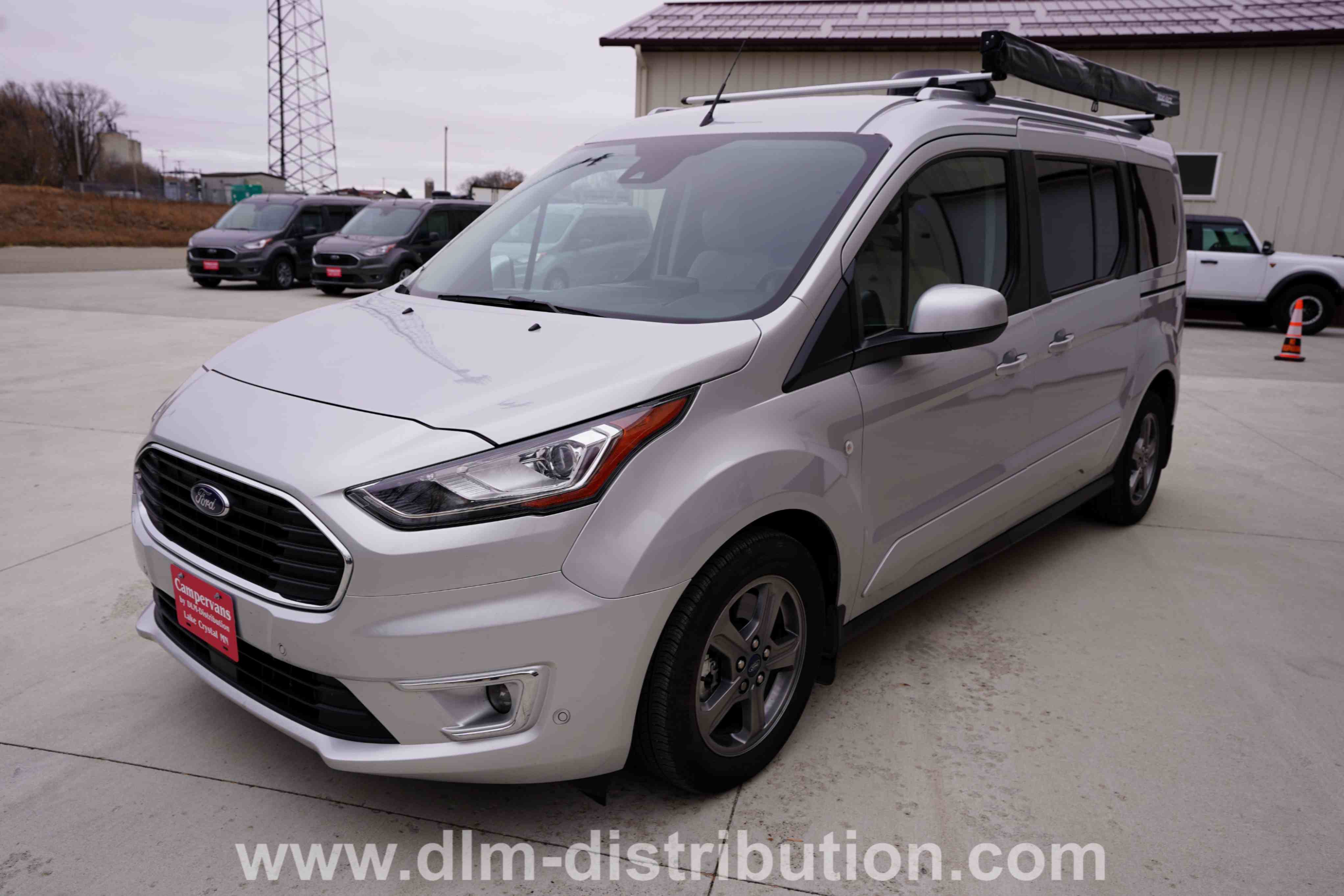
One of the biggest advantages of driveway camping is the ability to maintain personal space while still being present with family and friends. Travelers can spend the evening visiting, sharing meals, attending events, or relaxing together, then return to their own familiar sleeping space at the end of the night.
That flexibility can make visits more comfortable for everyone involved. Guests avoid sleeping on couches or rearranging household routines, while homeowners avoid the pressure of preparing extra bedrooms or accommodating overnight guests inside the home.
For many RV owners, one of the simple pleasures of traveling is bringing along familiar comforts — their own bed, pillow, blankets, coffee mug, and daily routine — without constantly packing and unpacking between destinations.
Driveway camping can also reduce travel costs significantly by avoiding hotel stays while still allowing people to remain close to events, family gatherings, or destinations they want to visit.
Not Every RV Works Well for Driveway Camping
Vehicle size matters more than many people initially realize.
Large motorhomes, oversized travel trailers, and taller RVs can sometimes become difficult to maneuver in residential neighborhoods, narrow driveways, or HOA-regulated communities. Height restrictions, street parking regulations, neighborhood rules, and simple driveway access can all become limiting factors.
Smaller and more compact Class B campervans are often much better suited for this style of travel because they fit more naturally into residential environments.
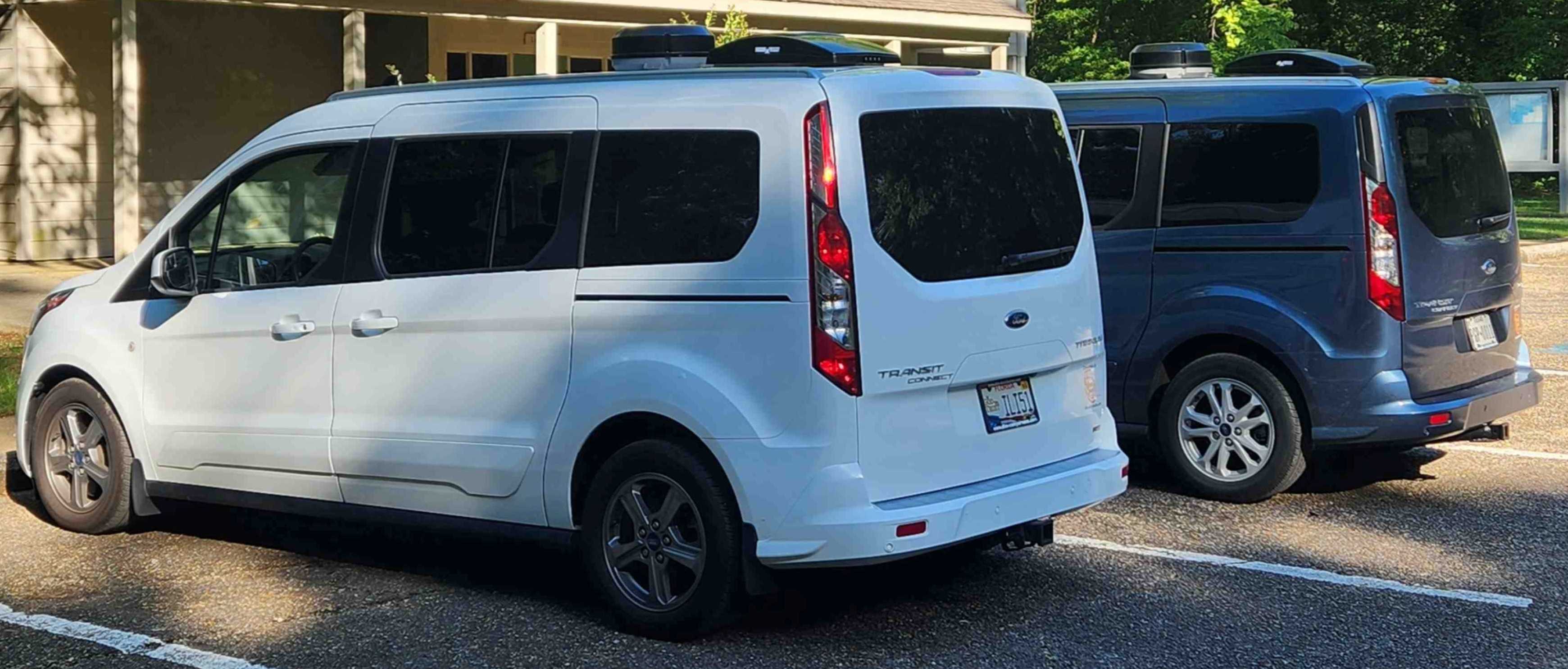
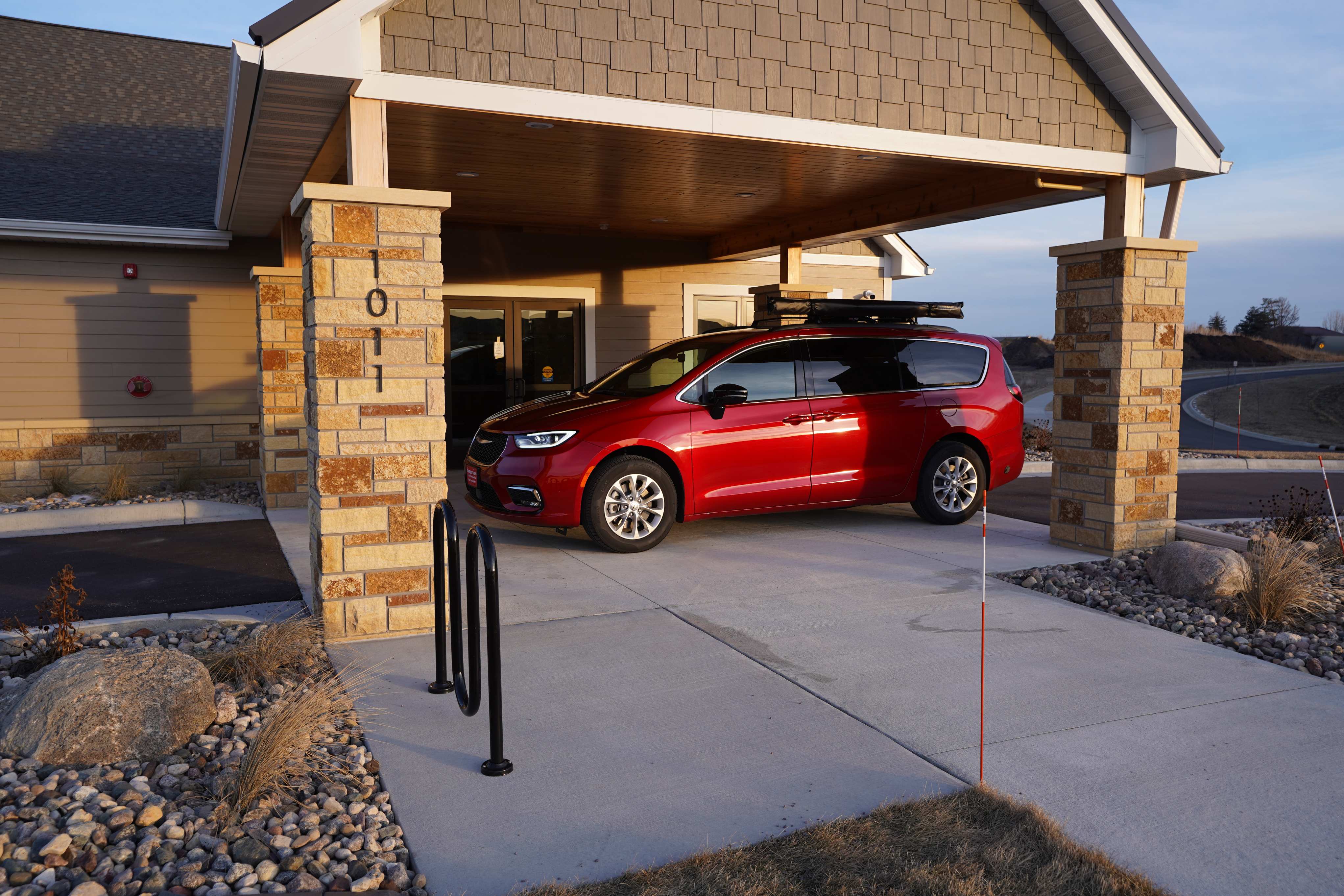
Vehicles such as the garageable Mini-T Campervan are especially practical for driveway camping because they fit comfortably into standard residential driveways and often blend naturally into neighborhoods where larger RVs may create challenges.
Electricity, Water, and Basic Planning
One reason driveway camping has become increasingly practical is that many campervans now operate comfortably without requiring full campground hookups.
Compact RVs equipped with integrated electrical systems, solar charging, refrigerators, microwaves, and battery power can often remain self-contained for short overnight stays.
In some situations, homeowners may allow access to a standard household electrical outlet for light charging or appliance use. In others, travelers may simply operate independently using onboard power systems.
Reliable internet access has also become increasingly important for many RV owners. Some travelers temporarily connect to household WiFi during a visit, while others rely on built-in hotspots or systems such as Starlink for RVs and campervans when traveling beyond normal cellular coverage.
Basic planning still matters. Travelers should always discuss parking arrangements, electrical usage, quiet hours, bathroom access if needed, and neighborhood considerations before arriving.
Respecting the homeowner’s property, neighbors, and local parking regulations helps ensure the experience remains comfortable for everyone involved.
Driveway Camping and HOA Communities
Neighborhood regulations and homeowners associations can sometimes affect overnight RV parking. Some communities allow temporary RV parking for loading, unloading, or guest visits, while others may have stricter limitations involving vehicle size, visibility, or overnight occupancy.
Because rules vary significantly between communities, checking local regulations ahead of time is always important.
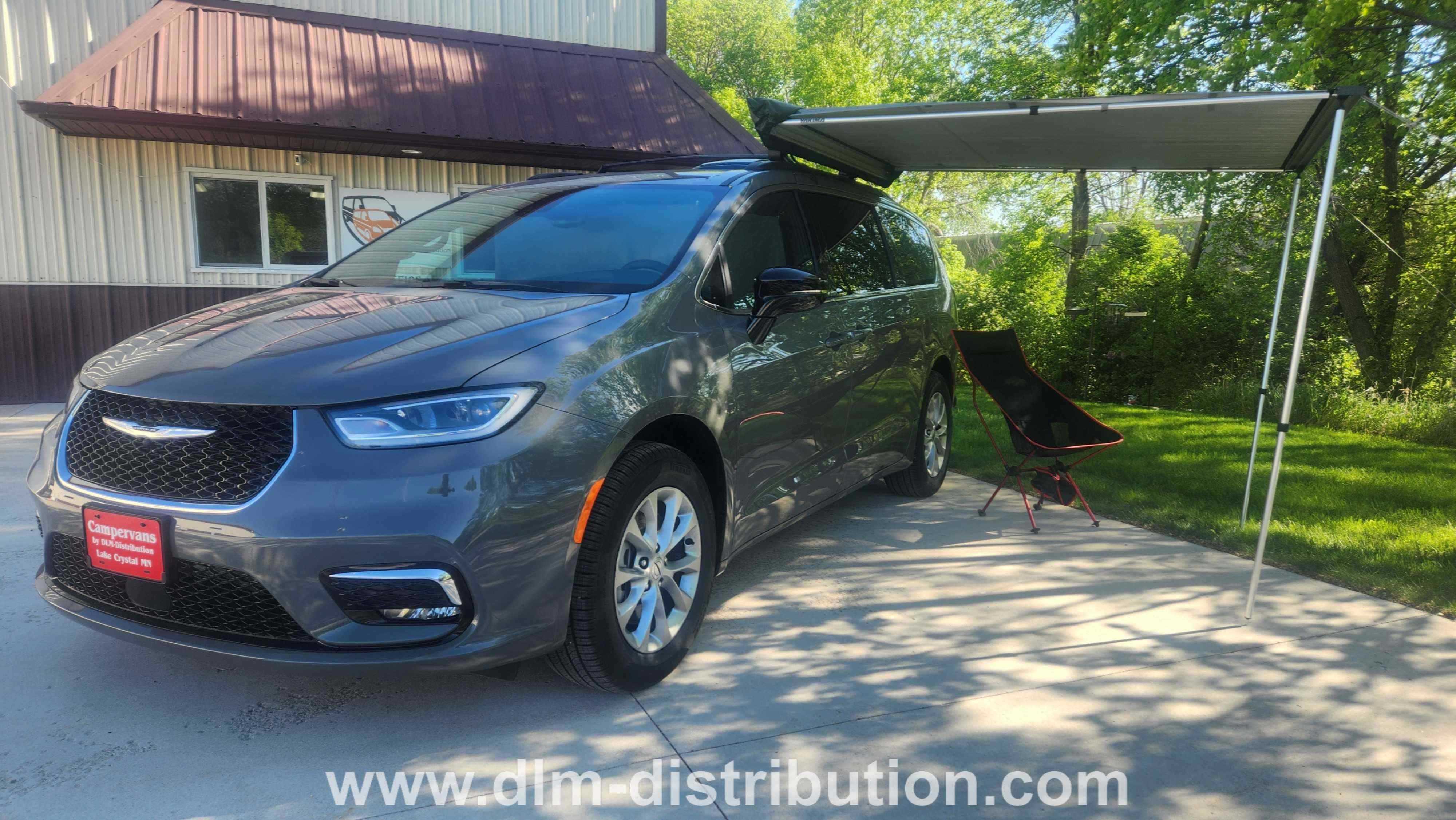
Smaller campervans often create fewer concerns in HOA-regulated neighborhoods because they resemble standard passenger vehicles more closely than larger motorhomes or commercial-style vans.
Questions involving HOA RV and campervan parking rules have become increasingly common as more people look for practical RV options that work comfortably for both travel and everyday life. Interest has also continued growing in RVs for everyday use that fit naturally into residential neighborhoods without the size and storage challenges often associated with larger motorhomes.
More Than Just a Place to Sleep
For many people, driveway camping becomes less about saving money and more about flexibility and convenience.
It allows travelers to remain close to family gatherings without disrupting the household. It creates an easy overnight option after weddings, reunions, graduations, sporting events, concerts, or long evenings visiting friends.
Some RV owners even use driveway camping as a way to test new campervan systems, practice overnight travel locally, or prepare for longer road trips before venturing farther from home.
In many ways, driveway camping reflects a broader shift happening throughout the RV industry — smaller, more manageable vehicles are increasingly being used not only for long-distance travel, but also for practical everyday flexibility.
A Simpler Style of Travel
Driveway camping, courtesy parking, and moochdocking may not look like traditional RV travel, but for many people they solve real-world travel challenges in a surprisingly practical way.
They combine mobility with familiarity, privacy with social connection, and travel with convenience. Instead of turning every overnight stop into a large production, this style of camping allows people to stay close to the moments and people that matter while still maintaining the comfort of their own space.
For campervan owners, sometimes the best campsite is simply a familiar driveway at the end of a long visit with family or friends.
DLM-Distribution / Campervans is a licensed manufacturer and dealer located in Lake Crystal, Minnesota, serving clients around the country.
Contact Dave: 651-285-7089 or Candy: 507-382-9446 today!