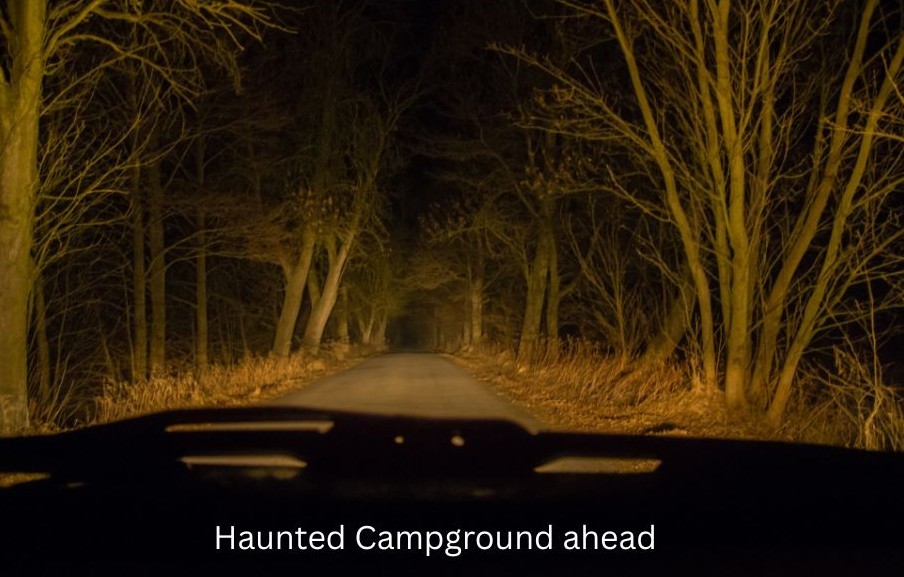
America's Haunted Campgrounds: Ghost Stories, History, and Camping Destinations Worth Exploring
Camping and ghost stories have always seemed to go together. A quiet forest after dark, the glow of a campfire, old trails, distant sounds in the trees, and places with long histories naturally invite imagination. Across the United States, many campgrounds, parks, lakes, and historic recreation areas have become connected to local legends, unexplained stories, and folklore passed from one traveler to the next.
Whether someone believes in ghosts or simply enjoys a good campfire story, so-called haunted campgrounds often have something important in common: history. Many are located near old settlements, mining camps, battlefields, frontier roads, remote lakes, abandoned communities, or landscapes where generations of people lived, worked, struggled, and traveled before modern campgrounds ever existed.
That is what makes these places interesting. The stories may be mysterious, but the destinations themselves are often worth visiting for their scenery, hiking, camping, local history, wildlife, and sense of place.

Why Campgrounds Become Part of Ghost Stories
Campgrounds are often located in places with deep human history. Long before they became places for tents, campervans, cabins, and weekend getaways, many of these landscapes served as homesteads, logging areas, mining settlements, military camps, travel routes, Native American lands, resort communities, or remote crossroads.
Over time, local history and folklore begin to overlap. A difficult winter, a tragic event, an abandoned structure, an old cemetery, a battlefield, or a mysterious sound in the woods can become part of a story that is retold for generations.
Some legends are rooted in documented history. Others are regional folklore, shaped by imagination and repeated through campfire storytelling. In either case, they can add another layer of interest to a camping trip, especially for travelers who enjoy history, mystery, and destinations with character.
Big Moose Lake, New York
Big Moose Lake in the Adirondacks is connected to one of New York's most famous tragic stories. In 1906, Grace Brown was murdered at the lake, a case that later inspired books, films, and generations of local legend.
Because of that history, Big Moose Lake has long been associated with ghost stories. Visitors and storytellers have described tales of a woman seen near the water, mysterious sounds, or an uneasy feeling around the lake. As with many legends, the stories vary depending on who is telling them.
Even without the folklore, the setting is memorable. The Adirondacks are one of America's great outdoor regions, with lakes, forests, hiking trails, scenic roads, and quiet campgrounds. For travelers interested in both history and outdoor recreation, Big Moose Lake offers a destination where natural beauty and regional storytelling meet.
Dolly Copp Campground, New Hampshire
Dolly Copp Campground is located in New Hampshire's White Mountains, one of the most scenic mountain regions in the Northeast. The campground is named for Dolly Copp, who lived in the area with her husband during the 1800s.
Local folklore has long connected the campground with stories of whispers, strange sounds, cold spots, and the presence of Dolly herself. Whether visitors interpret those experiences as ghostly or simply part of the atmosphere of an old mountain valley, the stories have become part of the campground's identity.
The White Mountains are reason enough to visit. Travelers can enjoy mountain scenery, hiking, scenic drives, fall foliage, rivers, and access to some of New England's best outdoor recreation. Dolly Copp Campground is especially appealing for campers who enjoy a traditional forest campground with a strong sense of place.
Holcomb Valley Campground, California
Holcomb Valley near Big Bear Lake, California, has a history tied to the Southern California gold rush. In the 1860s, the area was a busy mining district filled with prospectors, cabins, claims, and the rough life that came with boomtown activity.
Today, the surrounding area is much quieter, but the mining history remains part of the landscape. Stories of ghostly miners, shadowy figures, and strange nighttime sounds have become connected to Holcomb Valley and its historic sites.
For travelers, the appeal is not limited to ghost stories. Holcomb Valley offers access to forest roads, mountain scenery, old mining history, hiking, off-highway routes, and camping near Big Bear. It is a good example of how former mining regions often become places where history and folklore continue to shape the visitor experience.
Valley Forge, Pennsylvania
Valley Forge is not a traditional campground destination in the same way as a forest campground or lakeside park, but it remains one of the most historically significant places in the United States. It was here that George Washington and the Continental Army endured the harsh winter of 1777-1778 during the American Revolutionary War.
Because of its difficult history, Valley Forge has long been associated with stories of ghostly soldiers, distant voices, footsteps, and unexplained battlefield sounds. Such stories are common at places where hardship, sacrifice, and national memory are deeply connected to the land.
Visitors should come first for the history. The park offers trails, reconstructed huts, monuments, interpretive areas, and a powerful opportunity to understand a pivotal moment in America's founding story. The folklore may add atmosphere, but the history is what makes Valley Forge truly memorable.
Skidaway Island State Park, Georgia
Skidaway Island State Park near Savannah offers a very different setting from mountain or battlefield campgrounds. Here, visitors find maritime forest, salt marsh, Spanish moss, tidal creeks, wildlife, and coastal Georgia scenery.
The region around Savannah is rich with history, and like many places in coastal Georgia, it has its share of ghost stories and local legends. Some campers have shared stories of shadowy figures, strange sounds, or Civil War-era folklore connected to the broader area.
Whether or not visitors arrive for the legends, Skidaway Island is a rewarding camping destination. Trails wind through maritime forest and marsh landscapes, and the park provides a peaceful base for exploring Savannah, coastal nature, and the history of the Georgia coast.
Gettysburg, Pennsylvania
Few places in America are more closely associated with ghost stories than Gettysburg. The 1863 battle was one of the most consequential and devastating events of the Civil War, and the landscape remains deeply connected to that history.
Visitors have shared stories of ghostly soldiers, distant drumbeats, unexplained lights, voices, and battlefield apparitions for generations. These stories are part of the broader culture surrounding Gettysburg, where history, memory, and folklore often overlap.
For campers and road-trippers, the Gettysburg area offers campgrounds, museums, battlefield tours, monuments, hiking, and a powerful educational experience. It is important to approach the site with respect. Gettysburg is not simply a spooky destination; it is a place of national significance where thousands of lives were lost.
Mammoth Cave Region, Kentucky
Mammoth Cave National Park and the surrounding Kentucky cave country have long inspired stories of mystery. Caves naturally invite folklore. Darkness, echoes, underground passages, and long human history create an atmosphere unlike almost anywhere else.
Stories connected to Mammoth Cave include early explorers, guides, visitors, and the eerie feeling many people experience underground. Whether these tales are viewed as ghost stories or simply part of cave culture, they add to the region's mystique.
For travelers, Mammoth Cave is one of America's great natural destinations. The park offers cave tours, hiking, paddling, camping, wildlife viewing, and scenic rural landscapes. It is a worthwhile stop for anyone interested in geology, history, and unusual travel experiences.
Crystal Lake, New Jersey and the Power of Pop Culture
Not every haunted campground story comes from old history. Some come from movies, books, and popular culture. Crystal Lake is widely associated with the fictional Camp Crystal Lake from the Friday the 13th film series, even though the movie's story is fictional.
The real filming location and the idea of a remote camp in the woods helped turn "Crystal Lake" into one of the most recognizable campground names in horror culture. It is a reminder that campgrounds are powerful settings in American storytelling because they already contain the ingredients of suspense: isolation, darkness, woods, water, and imagination.
For travelers, places connected to film history can be interesting stops, but it is important to separate fictional stories from real communities and real campgrounds. Pop culture can make a place famous, but respectful travel still matters.
The Campfire Tradition
Ghost stories are part of camping culture for a reason. Around a campfire, ordinary surroundings become more mysterious. A branch snapping in the woods, an owl calling in the dark, wind moving through trees, or footsteps from another campsite can all feel more dramatic at night.
For generations, campers have used ghost stories as entertainment, bonding, and tradition. They create shared memories. They make familiar places feel larger. They invite imagination while reminding people that the outdoors has always carried a sense of mystery.
The best ghost stories do not have to be believed literally to be enjoyed. They are part of the way people connect with places, especially places that already hold history.
Keeping the Stories in Perspective
It is fun to explore folklore, but it is also wise to keep perspective. Many strange nighttime experiences at campgrounds have simple explanations. Animals move through campsites. Wind shifts direction. Temperature changes create sounds. Other campers may be nearby. Old buildings creak. Water carries noise farther than expected.
Approaching haunted campground stories with curiosity and skepticism makes the experience more enjoyable. Travelers can appreciate the legends without treating every story as fact.
Safety and respect should always come first. Stay on marked trails, follow campground rules, respect historic sites, avoid trespassing, leave artifacts alone, and be considerate of other campers. A good ghost story should never come at the expense of the place itself.

Why These Destinations Are Worth Visiting Anyway
The most interesting thing about America's haunted campgrounds is that they are rarely only about ghost stories. Big Moose Lake offers Adirondack scenery. Dolly Copp sits in the White Mountains. Holcomb Valley preserves mining history near Big Bear. Valley Forge and Gettysburg help visitors understand defining chapters of American history. Skidaway Island reveals the beauty of coastal Georgia. Mammoth Cave offers one of the world's great underground landscapes.
In other words, these are worthwhile destinations whether or not anything unusual happens after dark.
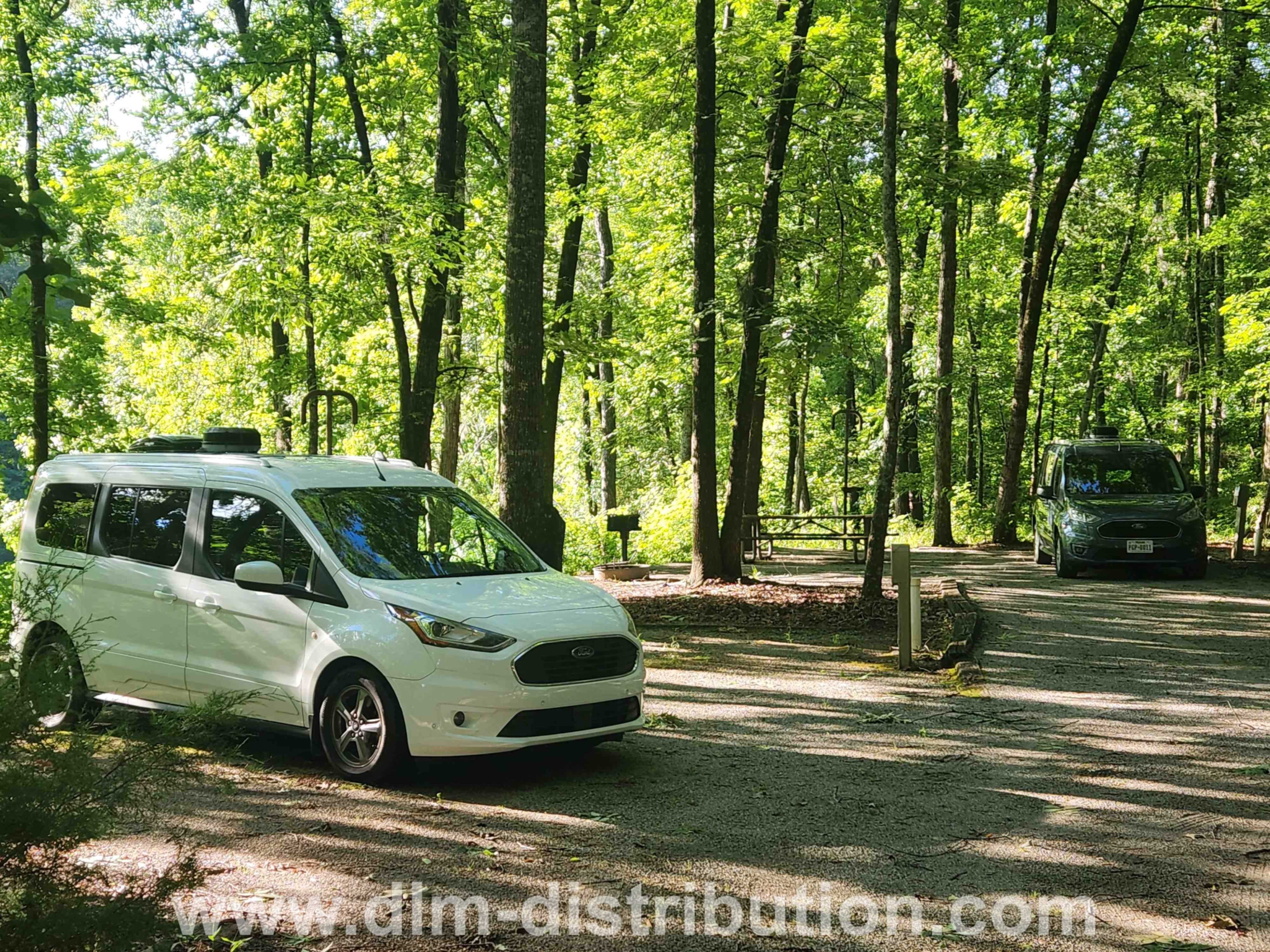
For campervan travelers, folklore can become one more reason to take the scenic route, visit a historic park, camp near an old settlement, or spend an evening reading about the stories connected to the place where the night is being spent.
Planning a Haunted Campground Road Trip
A haunted campground road trip can be built around history as much as mystery. Travelers might explore Civil War sites in Pennsylvania, mountain folklore in New England, mining history in the West, or coastal legends in the South.
When planning, look beyond the ghost story. Consider the campground, nearby hiking, scenic drives, museums, historic sites, local towns, and seasonal conditions. Many of these destinations are popular during summer and fall, so reservations may be important.
Autumn can be an especially good time for this kind of travel. Cooler weather, fall foliage, earlier sunsets, and quieter campgrounds naturally add atmosphere while still providing excellent opportunities for hiking, photography, and scenic drives.
Where History, Folklore, and Camping Meet
America's haunted campgrounds are best understood as places where landscape and storytelling come together. Some stories may be rooted in tragedy. Others may be shaped by imagination, local tradition, or the simple human love of mystery.
What they all share is the ability to make travelers pay closer attention to place. A campground becomes more than a campsite. A trail becomes more than a path. A lake, forest, battlefield, or old mining road becomes part of a larger story.
Whether you travel for history, scenery, folklore, or the simple joy of a good campfire tale, these destinations offer memorable ways to experience America's outdoor places with a little extra mystery after dark.
And sometimes, the only thing you hear outside your campervan at night is the wind in the trees. That can be enough of a story all by itself.
Happy Camping!
DLM-Distribution / Campervans is a licensed manufacturer and dealer located in Lake Crystal, Minnesota, serving clients around the country.
Contact Dave: 651-285-7089 or Candy: 507-382-9446 today!