
Why Early-Season and Off-Season Camping May Be the Best Time to Travel
Ask experienced campers when they prefer to travel, and many will not say July. Instead, they will point to quiet mornings in April, cool October evenings around a campfire, empty state parks after Labor Day, and scenic roads that feel completely different once the summer crowds disappear. Some of the best camping of the year happens before or after peak season, and that is exactly why many travelers plan their trips around the shoulder seasons instead.
Early-season and off-season camping offer something that is getting harder to find during the busiest travel months: space, quiet, flexibility, comfortable weather, easier reservations, and a deeper connection to the places being visited. For campervan travelers, these seasons can be especially rewarding because a compact, self-contained vehicle makes it easier to adjust routes, follow favorable weather, and enjoy destinations before or after the crowds arrive.
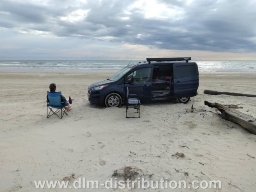
The Best Camping Is Not Always During Peak Season
Summer gets most of the attention, and for good reason. School is out, vacation time is common, lakes are warm, and campgrounds are fully active. But summer also brings crowded parks, busy roads, hot afternoons, higher demand for campsites, more insects, and less flexibility for spontaneous travel.
Early-season and off-season camping change the experience. State parks feel calmer. Trailheads are less congested. Scenic overlooks are easier to enjoy. Campgrounds often have more availability. Temperatures can be better for hiking, sleeping, photography, and evenings around a fire. Instead of planning every stop months in advance, travelers often have more room to move at their own pace.
For many people, this is when camping starts to feel less like a vacation schedule and more like actual travel.
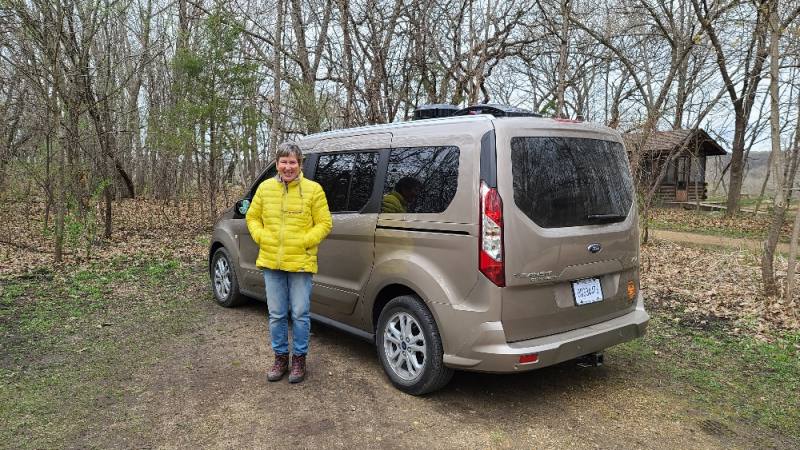
Camping Before the Crowds Arrive
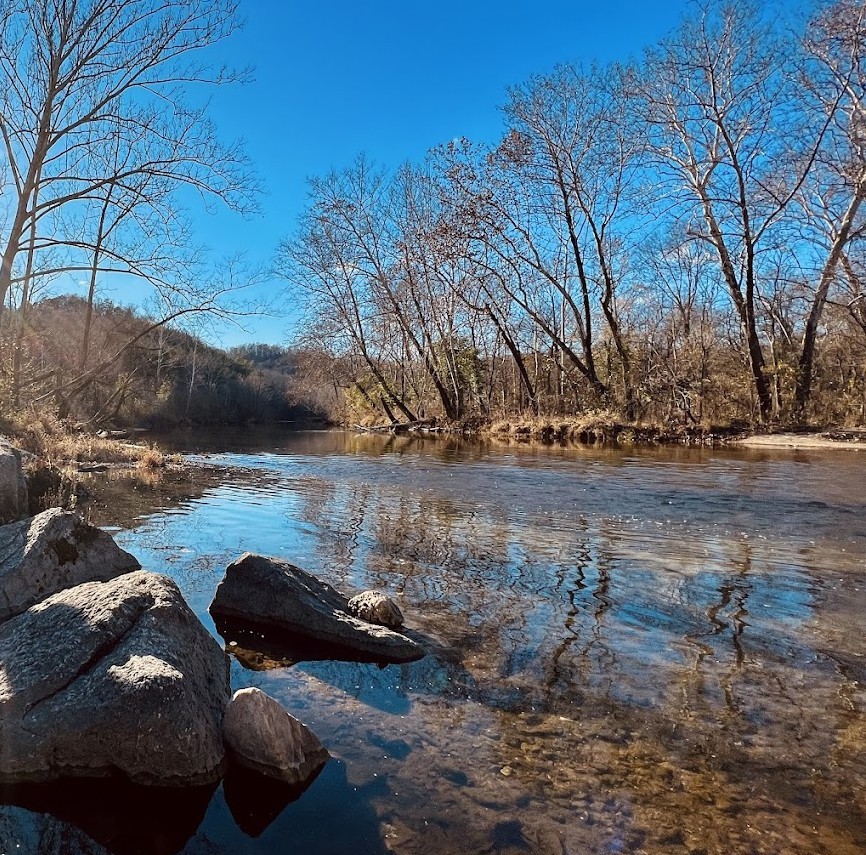
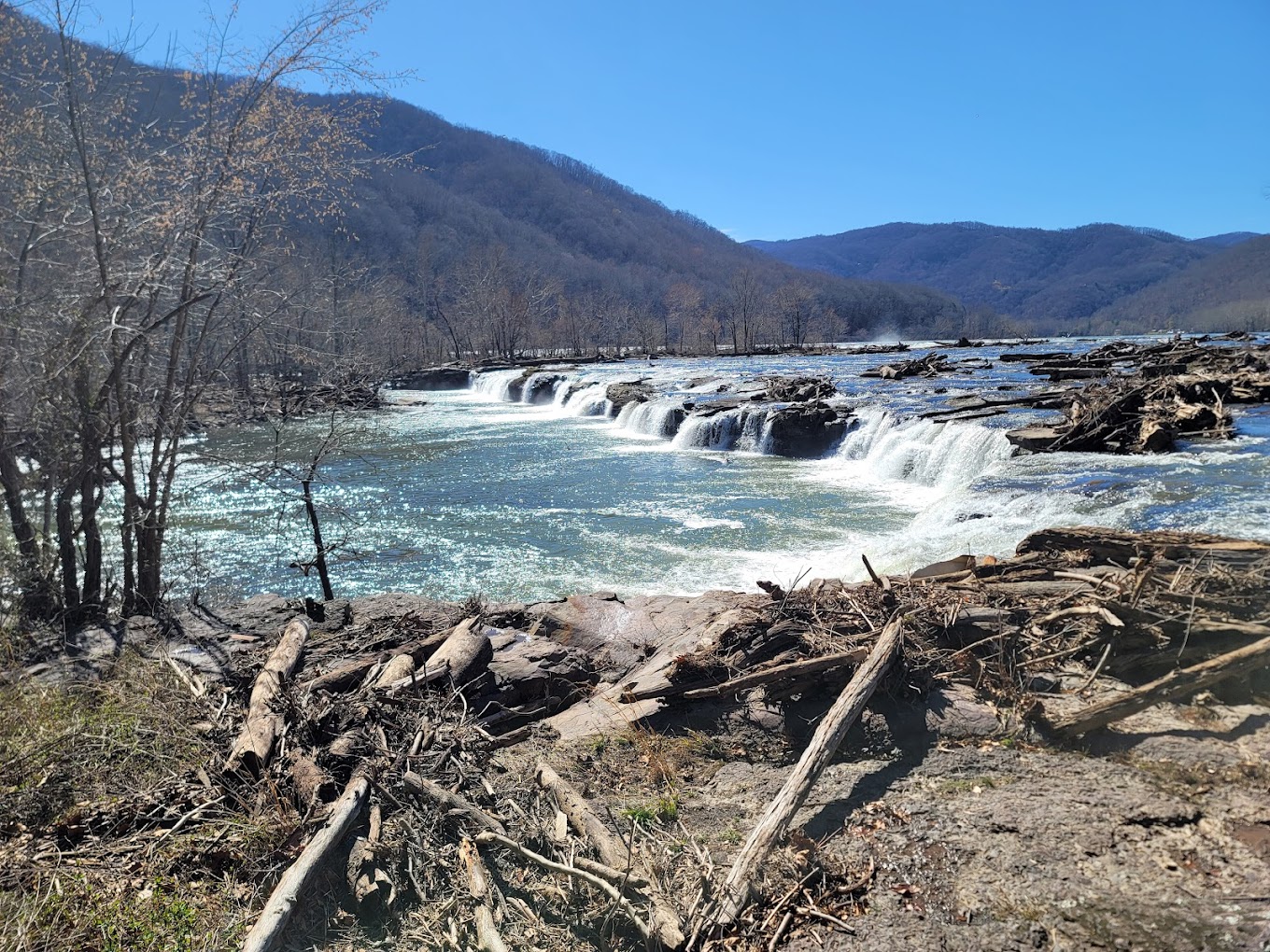
Early spring camping has a special feel. Landscapes are waking up, rivers and waterfalls often run stronger, trees begin to bud, birds become more active, and the first warm days feel earned after winter. Even when the nights are cool, the days can be excellent for walking, hiking, fishing, and scenic drives.
Many parks are open but not yet crowded. That can make a major difference. Instead of competing for the most popular campsites, waiting in traffic at park entrances, or sharing every overlook with summer crowds, early-season travelers often experience a quieter version of the same destinations.
This is especially true in state parks and national parks that become very busy later in the year. A campground that feels full and active in July may feel relaxed and spacious in April or early May. For travelers who value peace, photography, wildlife, and quiet mornings, that difference can define the trip.
After Labor Day: The Season Many Campers Wait For
Late-season camping may be even more appealing than early spring for many travelers. After Labor Day, the pace changes almost immediately in many parts of the country. Families return to school schedules, summer vacation traffic fades, and popular destinations become easier to enjoy.
September and October can bring some of the best camping weather of the year. Days are often warm enough for hiking, biking, fishing, and scenic drives, while nights are cool enough for comfortable sleeping and campfires. In many regions, insects are reduced, humidity drops, and fall color begins to build.
For travelers who are not tied to school-year schedules, this window can be ideal. A campground that was difficult to reserve in July may suddenly have openings. A trail that felt crowded in August may become peaceful. A scenic road that was bumper-to-bumper in summer may feel like it belongs to you again.
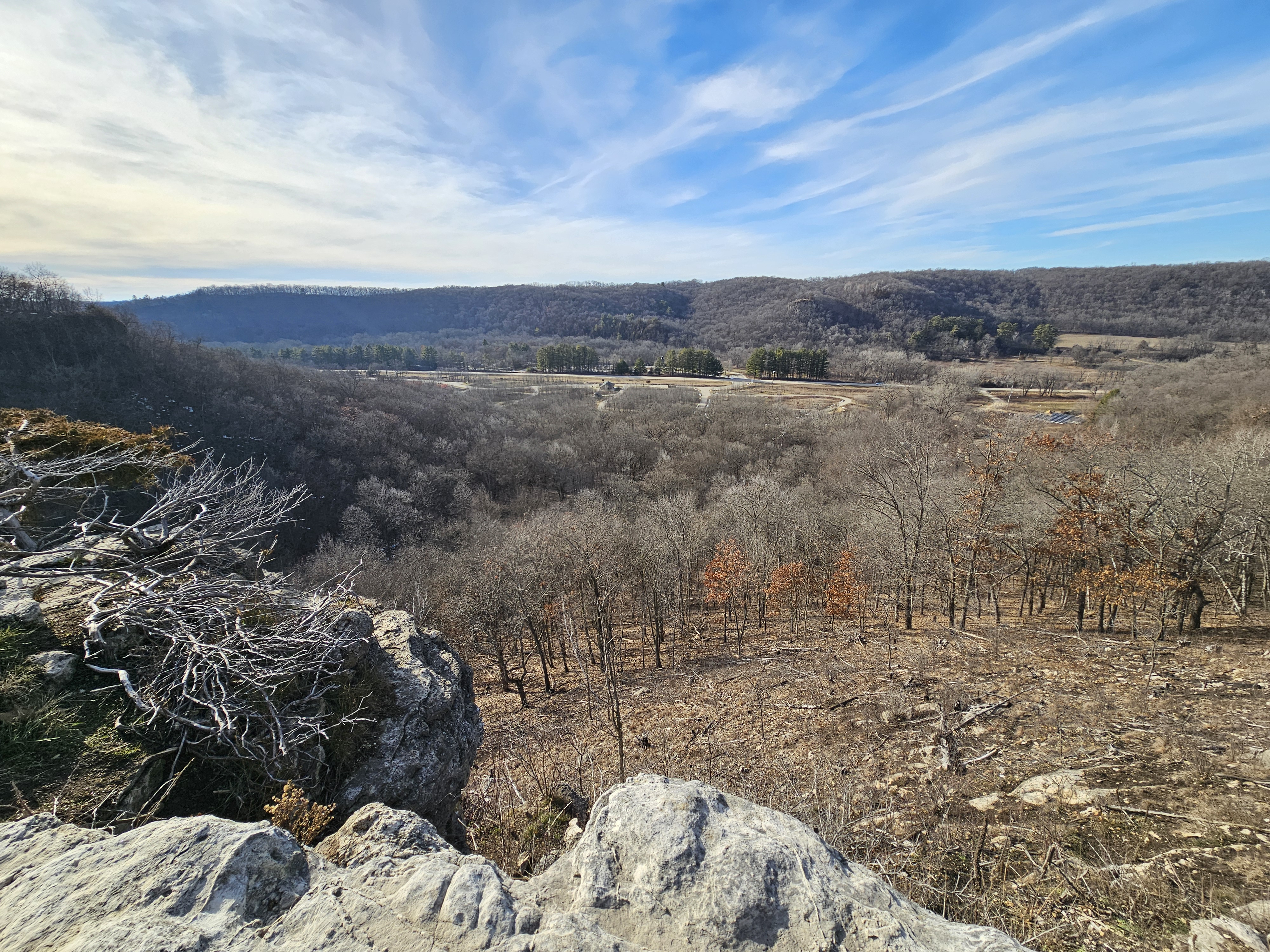
Following Spring Instead of Waiting for It
One of the best parts of campervan travel is the ability to follow the season. Instead of waiting for spring to arrive at home, travelers can drive toward it. A person leaving the Upper Midwest under gray skies and lingering frost may reach blooming trees, warmer afternoons, and open campgrounds with only a day or two of travel.
This creates a completely different way to think about spring. The season does not have to be something that happens on a calendar. It can be something you move with. You can begin farther south, then gradually work north as temperatures improve. A trip through the Carolinas, Georgia, Tennessee, Kentucky, Missouri, Iowa, Wisconsin, and Minnesota can feel like following spring as it unfolds across the map.
The same idea works in reverse during fall. Travelers can follow fall color south, move toward cooler temperatures when summer lingers, or remain flexible as weather changes. A compact campervan makes this kind of seasonal travel easier because the vehicle is simple to drive, park, and reposition as conditions change.
Comfortable Temperatures Make Better Trips
One of the biggest reasons early-season and off-season camping can be so enjoyable is temperature. Summer camping often sounds ideal until the reality of 90-degree afternoons, heavy humidity, crowded bathhouses, and hot sleeping conditions sets in.
Shoulder-season camping often brings a better balance. Cool mornings are pleasant for coffee and short walks. Mild afternoons are better for hiking and sightseeing. Evenings invite campfires, warm layers, and quiet time outside. Nights are often ideal for sleeping, especially in a campervan where bedding, shelter, and weather protection are already built into the travel setup.
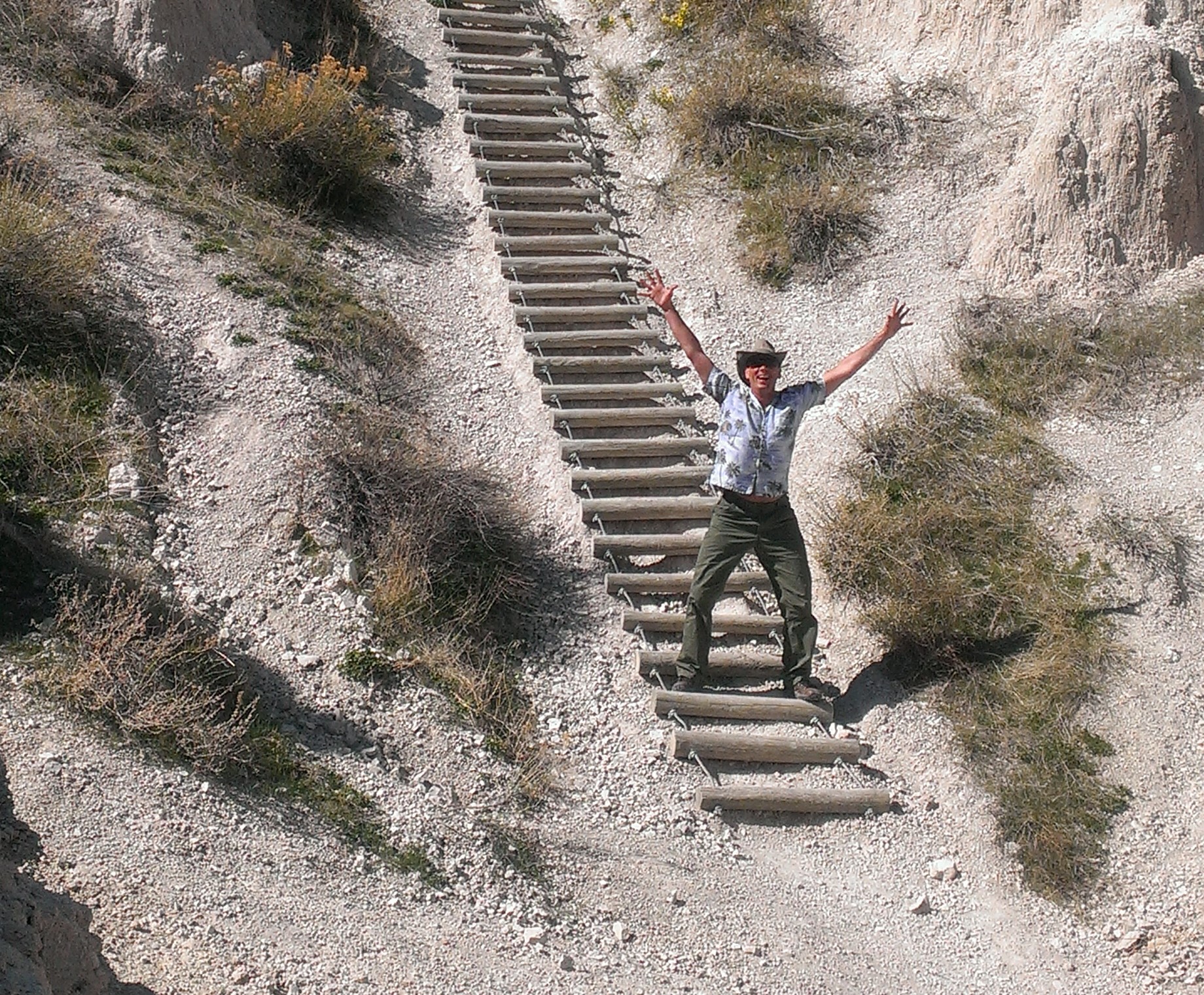
Cooler temperatures also make active travel more enjoyable. Hiking in the Badlands, walking historic towns, exploring state park trails, biking rail trails, or spending a day at a national park can all feel better when the weather is moderate rather than hot and humid.
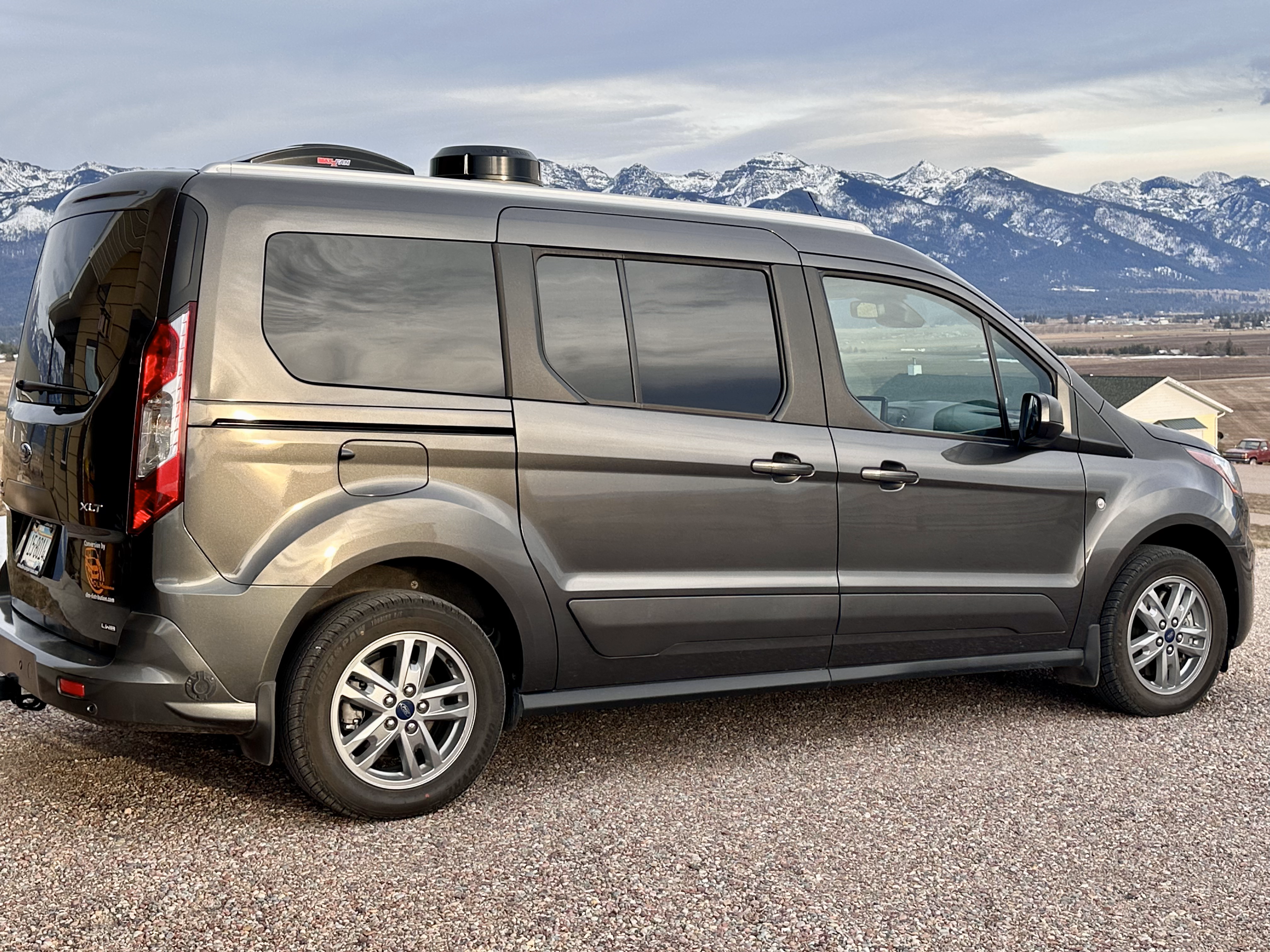
National Parks Feel Different Outside Peak Season
Some national parks are dramatically more enjoyable outside the busiest summer weeks. Great Smoky Mountains National Park comes alive with spring wildflowers and flowing streams before the heaviest summer traffic arrives. Shenandoah's Skyline Drive can feel more relaxed before peak vacation season or after the first cool days of fall. The Badlands are often far more comfortable before summer heat dominates the landscape.
Even parks known for large summer crowds can feel more personal in the shoulder seasons. Parking is easier, trails are quieter, wildlife viewing may improve, and scenic drives become less stressful. For travelers who want to actually experience the landscape rather than simply move through crowds, timing can matter as much as destination.
Early and late travel also improves photography. Softer light, fewer people, changing skies, spring green, fall color, misty mornings, and active wildlife can all make off-season trips visually richer than the peak-season version of the same place.
State Parks Shine During Shoulder Seasons
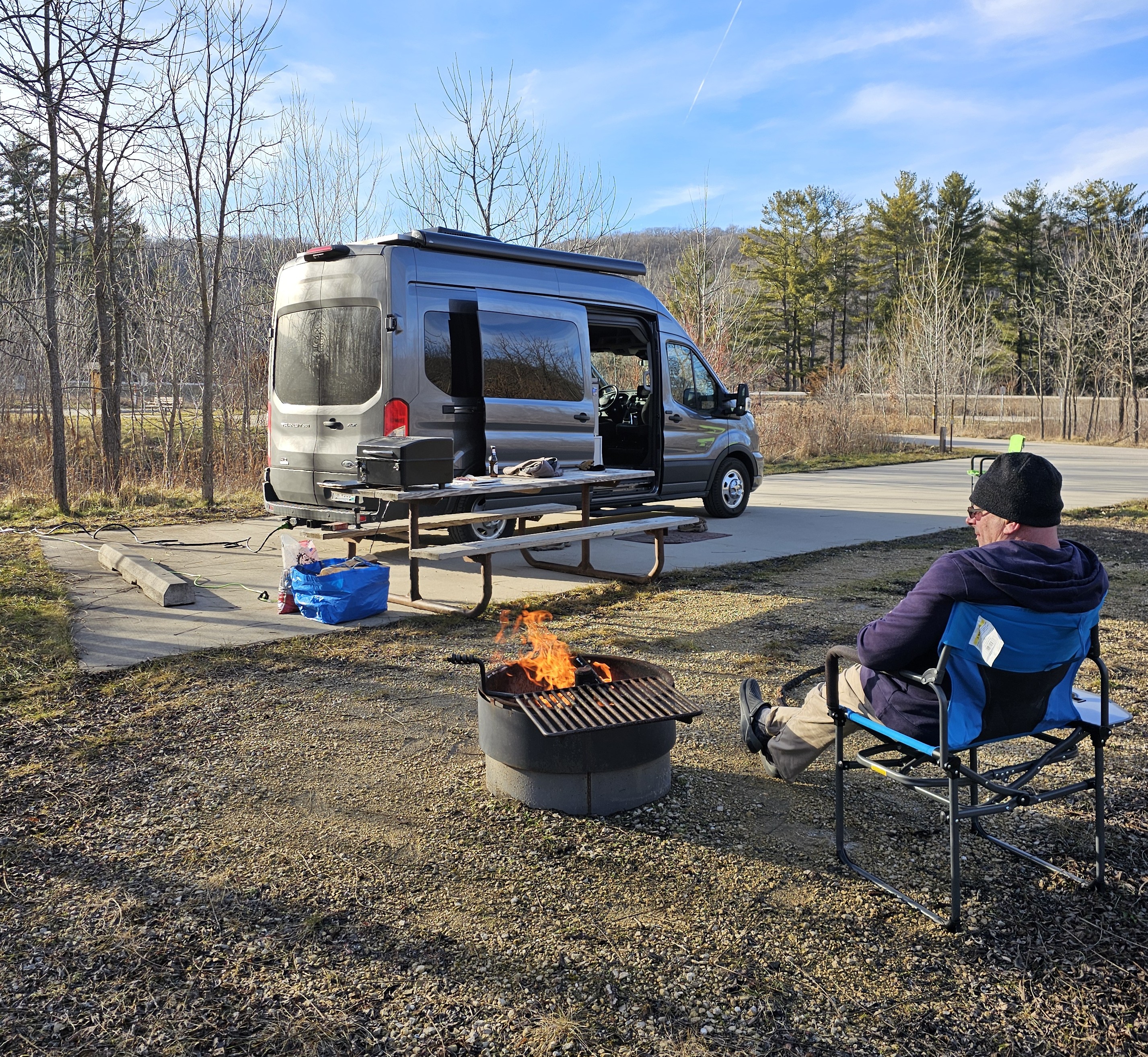
State parks may be where early-season and off-season camping shines most. These parks often offer the perfect mix of campgrounds, trails, lakes, picnic areas, visitor centers, scenic drives, and natural beauty without the scale or crowds of major national parks.
In spring, state parks are excellent for wildflowers, waterfalls, bird migration, and green landscapes. In fall, they become ideal for foliage, cool hikes, quiet campsites, and campfire evenings. Even nearby parks that may feel ordinary during summer can become memorable when visited during a quieter season.
This is also where shorter trips become valuable. Not every camping trip needs to be a long-distance adventure. A two-night stay at a nearby state park in April, May, September, or October can be enough to reset, test gear, enjoy the outdoors, and build travel momentum for larger trips later in the year.
Off-Season Does Not Mean Bad Weather
One reason some people avoid off-season camping is the assumption that the weather will be poor. Sometimes it is. Spring can bring rain, mud, and cold nights. Fall can bring wind, frost, or sudden temperature changes. But peak summer has its own challenges too: heat, storms, bugs, crowds, high humidity, smoke, and limited campsite availability.
The key is preparation and flexibility. Early-season and off-season camping work best when travelers pack layers, watch forecasts, choose destinations carefully, and remain willing to adjust. A rainy day does not have to ruin a trip if the route is flexible and the vehicle is comfortable. A cool night can be enjoyable with the right bedding. A change in weather can become a reason to explore a small town, visit a visitor center, take a scenic drive, or move to a better location.
For many travelers, the rewards outweigh the uncertainty. The quiet, the space, the better campsite availability, and the seasonal beauty often make these trips feel more memorable than crowded summer travel.
Fewer Bugs, Better Sleep, and Real Campfires
Small comforts make a big difference. In many regions, early spring and late fall offer a brief window when mosquitoes, flies, and other insects are far less active than they are during summer. That can make hiking, cooking, reading outside, and sitting around camp much more enjoyable.
Cooler nights also tend to improve sleep. Instead of trying to rest in humid summer air, travelers often sleep better under blankets with crisp air outside. Campfires feel more natural when the evening temperature drops. Morning coffee tastes better when the day begins cool and quiet.
These are simple things, but they are often what people remember most about a camping trip.
Weekdays and Shoulder Seasons Are a Powerful Combination
For travelers with flexible schedules, combining weekday travel with early-season or off-season timing can create an entirely different camping experience. A campground that is busy on a summer weekend may be peaceful on a Tuesday in May or a Wednesday in October.
This can be especially helpful for retirees, remote workers, solo travelers, couples without school-year constraints, and anyone who can shift travel dates by even a few days. The same park, the same trail, and the same campsite can feel completely different when visited outside the usual rush.
This does not mean every trip must avoid weekends. It simply means timing can be used as a tool. Traveling just before or after peak demand often leads to better campsites, quieter mornings, and a more relaxed pace.
Campervan Travel Makes Seasonal Flexibility Easier
Early-season and off-season travel reward people who can adjust. That is one of the reasons a campervan is such a good fit. Instead of being tied to hotel reservations or a large RV that requires more planning, a compact campervan gives travelers the ability to move with the weather, explore alternate routes, and choose smaller parks or campgrounds along the way.
The Mini-T Campervan fits this style of travel because it is compact, easy to drive, fuel efficient, and practical for everyday use as well as camping. It can travel comfortably through scenic byways, state park roads, small towns, national park entrances, and grocery store parking lots without the stress often associated with larger RVs.
That flexibility matters most outside peak season. If temperatures are better a few hours south, you can go south. If fall color is peaking farther north, you can follow it. If rain moves into one region, you can change direction. If a quiet campground has openings, you can settle in. The easier the vehicle is to use, the easier it is to say yes to a trip.
Where Early-Season and Off-Season Camping Works Especially Well
Some regions are especially well suited to early and late travel. In the Southeast, spring and fall are often more comfortable than midsummer. The Carolinas, Georgia, Tennessee, Kentucky, Arkansas, Missouri, and parts of Texas can offer excellent camping before humidity and summer heat become dominant.
The Midwest is often strongest in late spring and early fall, when state parks, river valleys, lakes, and forests are pleasant without peak summer crowds. Minnesota, Wisconsin, Iowa, Missouri, Michigan, and the Dakotas can all reward travelers who time their trips around wildflowers, bird migration, fall color, or cooler nights.
Western destinations also benefit from timing. Desert parks and open landscapes can be far more enjoyable before extreme heat sets in. Mountain destinations may open later depending on elevation, but late summer and early fall can offer outstanding weather once snow has melted and before winter returns.
Coastal areas are another strong option. Beaches and shoreline campgrounds often feel completely different outside peak vacation periods. Parking is easier, towns are calmer, and the natural character of the coast is easier to appreciate.
Simple Tips for Better Early and Late Camping Trips
Good shoulder-season camping starts with realistic preparation. Pack layered clothing so you can adjust to changing temperatures. Bring rain gear and footwear that can handle wet ground. Check campground opening dates, water availability, restroom status, and seasonal service changes before arrival. Some campgrounds open before all amenities are available, while others reduce services after peak season.
Keep bedding flexible. Cool nights are often part of the appeal, but they are more enjoyable when you are prepared. A warm blanket, comfortable sleeping setup, and dry clothing can turn a chilly evening into one of the best parts of the trip.
Plan routes with options. Early and late seasons are not the time to force a rigid itinerary. Build in alternate campgrounds, nearby towns, scenic drives, and backup stops. The best trips often happen when travelers remain open to changing plans based on weather, campground availability, or a destination that turns out to be better than expected.
Early and Off-Season Camping Is a Travel Strategy
The more you camp, the more you realize that timing can shape the entire experience. Traveling before Memorial Day, after Labor Day, during October, on weekdays, or just outside the busiest vacation windows can make familiar destinations feel new again.
Early-season and off-season camping are not simply ways to avoid crowds. They are ways to see places differently. They offer better light, quieter trails, easier reservations, more comfortable temperatures, and a slower pace that fits the reason many people go camping in the first place.
For campervan travelers, these seasons may be the best time of all. With a flexible vehicle, a comfortable sleeping space, and the freedom to move as conditions change, you can follow spring, chase fall color, avoid peak-season heat, and enjoy parks when they feel most peaceful.
The best camping season may not be the one everyone talks about. It may be the one just before or just after, when the roads are quieter, the campsites are open, and the outdoors feels like it is waiting for you.
Happy Camping!
DLM-Distribution / Campervans is a licensed manufacturer and dealer located in Lake Crystal, Minnesota, serving clients around the country.
Contact Dave: 651-285-7089 or Candy: 507-382-9446 today!