
For much of the school year, a teacher's calendar is shaped by the needs of others. Lessons must be prepared, assignments reviewed, questions answered, and countless details managed before the next school day begins. Even after students leave the classroom, the work often continues. Teaching can be deeply rewarding, but it also demands time, energy, patience, and a remarkable ability to balance competing responsibilities.
Then comes an opportunity to step away. Perhaps it is a long weekend in October, a few days during spring break, or the beginning of summer when the school year finally draws to a close. For educators who enjoy exploring, these breaks can provide something especially valuable: time to travel without the usual demands of the classroom.
Not every teacher has an entire summer free, of course. Many work additional jobs, attend professional development programs, care for family members, or begin preparing for the next school year long before students return. But school calendars often provide recognizable windows for travel, and those opportunities can be particularly appealing to teachers who enjoy visiting national parks, historic places, museums, and outdoor destinations.
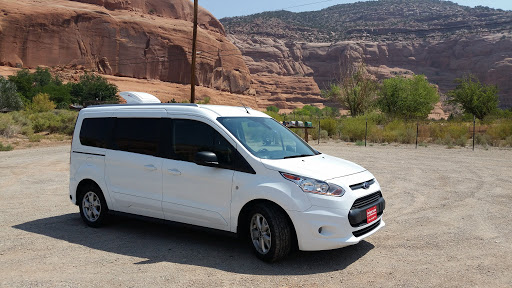
A small campervan can fit naturally into that lifestyle. It offers a way to travel with comfortable sleeping accommodations, familiar supplies, and the freedom to change plans along the way. Rather than organizing every night around a hotel reservation or carrying a separate trailer, travelers can enjoy the flexibility of having their accommodations with them as they explore.
When the School Calendar Opens the Door to Travel
One of the appealing aspects of campervan travel is how well it can accommodate trips of different lengths. A teacher might spend a long weekend exploring a nearby state park, take a week during spring break to visit warmer destinations, or use part of the summer to travel through several states. The same vehicle can serve each of these purposes without requiring an entirely different approach to planning.
Consider the first few days after the school year ends. There may be a familiar feeling of relief as the pace changes and the daily schedule becomes less demanding. Instead of immediately planning an elaborate vacation, a teacher with a campervan might simply choose a direction, select a few destinations worth visiting, and begin driving. A scenic highway, a quiet campground, or a small town with an interesting history can become the starting point for a journey that develops naturally.
Longer school breaks also make it possible to travel at a more relaxed pace. A national park visit does not have to be squeezed into a single afternoon, and an interesting town does not need to be passed by because of a rigid itinerary. Travelers can spend additional time exploring places they enjoy, take a rest day when needed, or adjust their route when weather and campground availability change.
That flexibility can be particularly rewarding during summer travel, when popular destinations are busy and advance reservations are often important. A campervan does not eliminate the need to plan for campsites, especially in national parks, but it can make travel between destinations easier. A smaller vehicle may also have access to suitable campsites that cannot accommodate larger motorhomes or trailers, depending on campground rules and site dimensions.
For educators who have spent months working within a structured schedule, the ability to travel without planning every hour can be one of the most enjoyable parts of the experience.
A Different Kind of Learning Experience
Teachers often have a natural interest in the world beyond their classrooms. A history teacher may enjoy walking through a Civil War battlefield or visiting a preserved frontier settlement. A science educator might be drawn to the geology of the Grand Canyon, the volcanic landscapes of Yellowstone, or the extraordinary variety of plants and wildlife found in America's national parks. Art, literature, music, and geography offer equally compelling reasons to explore.
Travel brings these subjects into a different perspective. A historic building becomes more than a photograph in a textbook. A mountain range reveals the scale of geological processes that are difficult to appreciate from a diagram. A visit to a museum, cultural center, or historic community can introduce stories and perspectives that remain memorable long after the trip ends.
There is also something satisfying about learning simply for personal enjoyment. Educators spend much of their professional lives helping others understand new ideas. During a vacation, they can follow their own interests, ask questions, explore unfamiliar places, and discover subjects that have little connection to the lessons they teach.
A campervan can make these experiences easier to combine into a single journey. A morning at a national monument might be followed by lunch in a historic downtown, an afternoon at a museum, and an evening at a nearby campground. The vehicle provides transportation and comfortable accommodations without requiring travelers to return to the same hotel each night.
Not every stop needs to be educational, either. A scenic overlook, a roadside attraction, a local restaurant, or an unexpected wildlife encounter can be just as memorable. Some of the best travel experiences come from allowing curiosity to determine the next stop.
Finding Time to Recharge
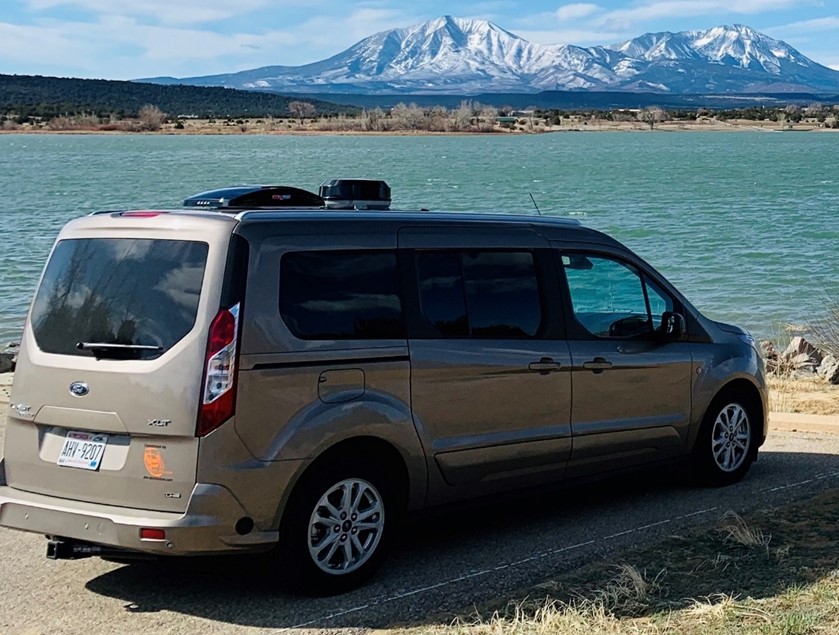
Not every school break needs to become an ambitious cross-country journey. Sometimes a few quiet days outdoors can be more appealing than visiting a long list of attractions. After months of early mornings, classroom responsibilities, and busy schedules, a peaceful campground beside a lake or beneath the trees may provide exactly the change of pace someone is looking for.
Imagine arriving at a state park on a Friday afternoon. The campervan is parked, a chair is placed beside the picnic table, and the evening is free to unfold without a schedule. There may be a walk along the shoreline before dinner, a few hours spent reading, or simply the pleasure of sitting outside as the campground grows quiet.
These are experiences that require very little beyond a comfortable place to stay and the willingness to slow down. A campervan offers shelter when the weather changes, a refrigerator for food and drinks, and a familiar sleeping area at the end of the day. The conveniences are available when needed, but they do not have to become the focus of the trip.
For teachers who enjoy the outdoors, this can provide an appealing balance. They can spend their days hiking, cycling, sightseeing, or exploring nearby communities, then return to comfortable accommodations without the repeated setup associated with tent camping. A short trip can feel worthwhile even when there is not enough time for a longer vacation.
And while time away does not erase the demands of a profession, it can provide an opportunity to enjoy different surroundings, pursue personal interests, and return home with experiences that have nothing to do with deadlines or lesson plans.
Travel That Fits Both the Weekend and the Summer
For many educators, practicality matters as much as comfort when choosing a recreational vehicle. A large motorhome may offer generous living space, but it also brings considerations involving storage, parking, fuel consumption, and maintenance. A travel trailer requires a suitable tow vehicle and additional preparation before departure. Those arrangements work well for many travelers, but they are not the only ways to enjoy extended road trips.
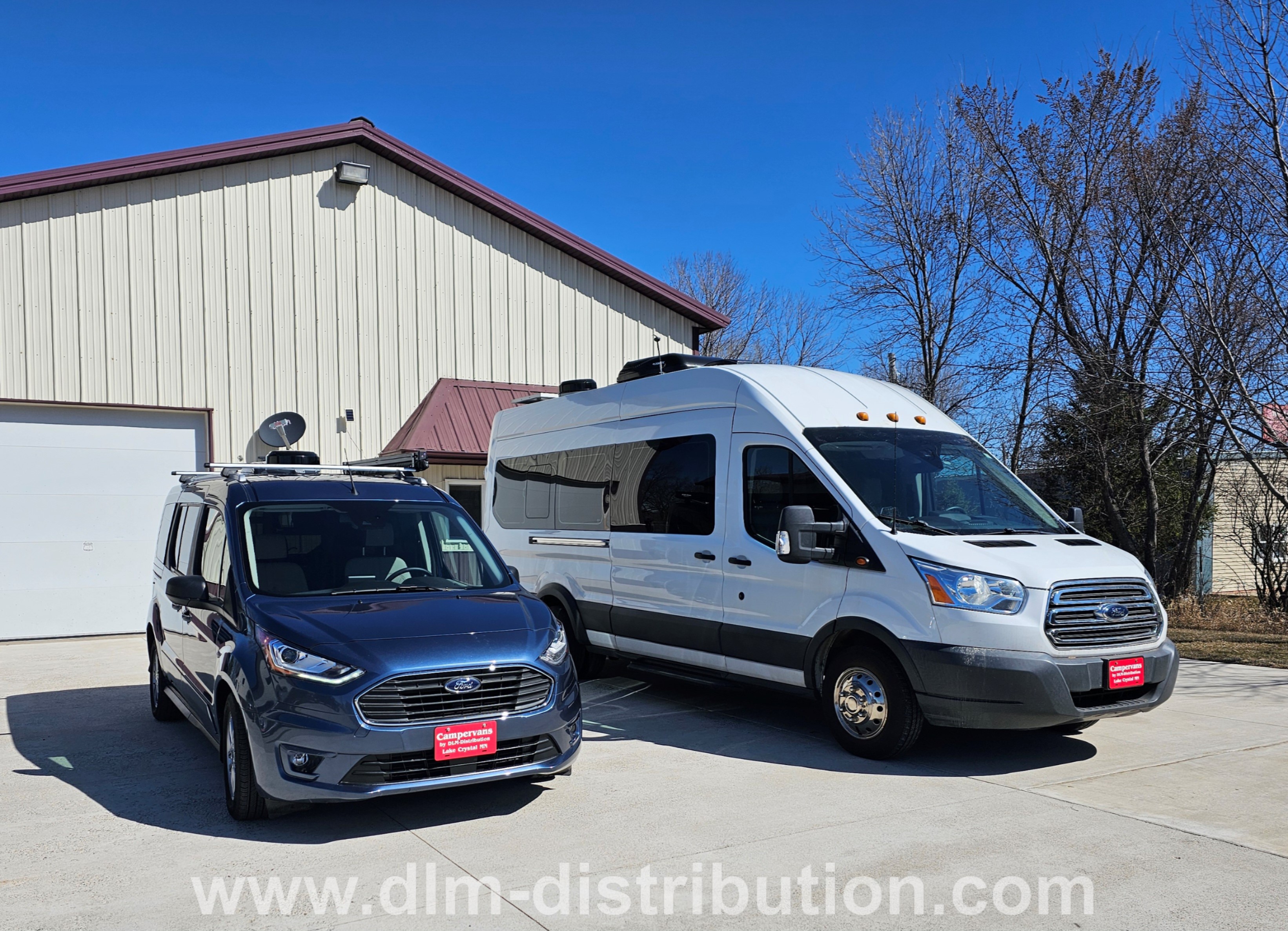
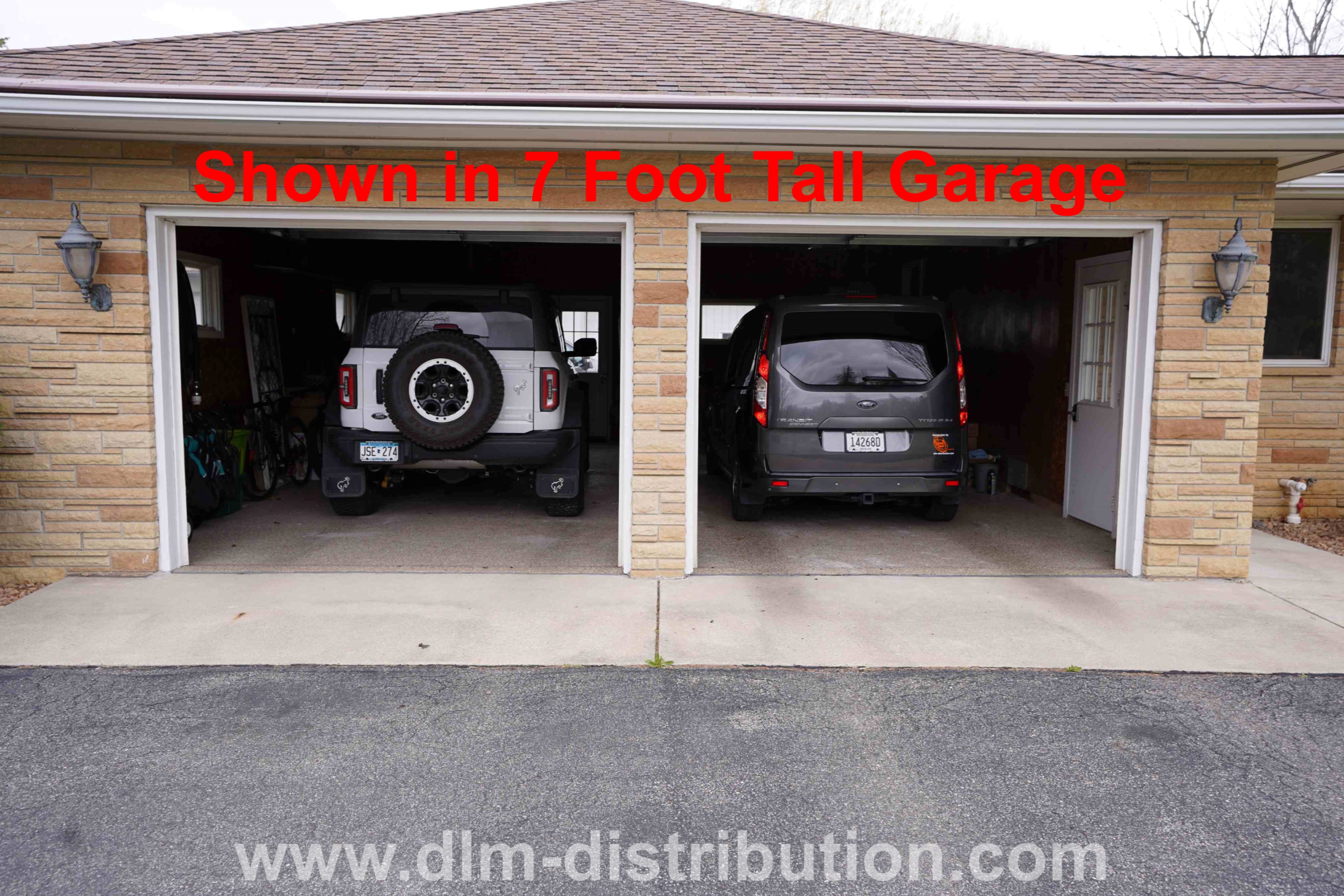
A compact campervan offers a different balance. The garageable Ford Transit Connect, Chrysler Pacifica AWD, and Chrysler Voyager Mini-T models combine comfortable camping accommodations for two with dimensions that remain practical for everyday driving. Their relatively compact size makes it easier to visit towns, scenic attractions, and ordinary parking areas that may be less convenient for larger recreational vehicles.
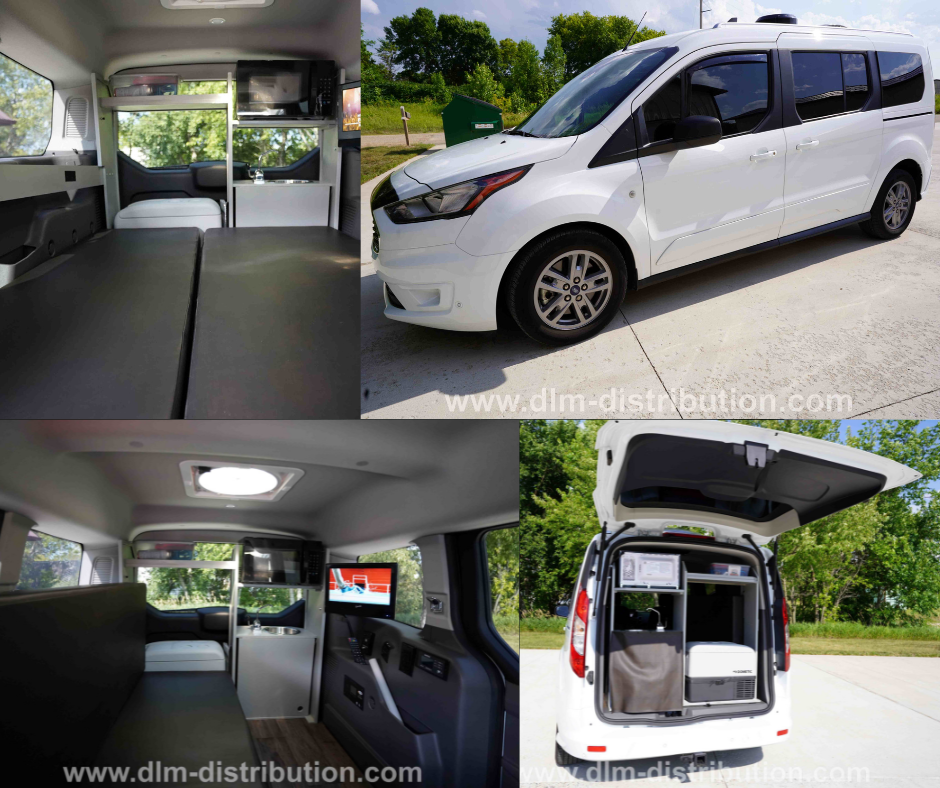
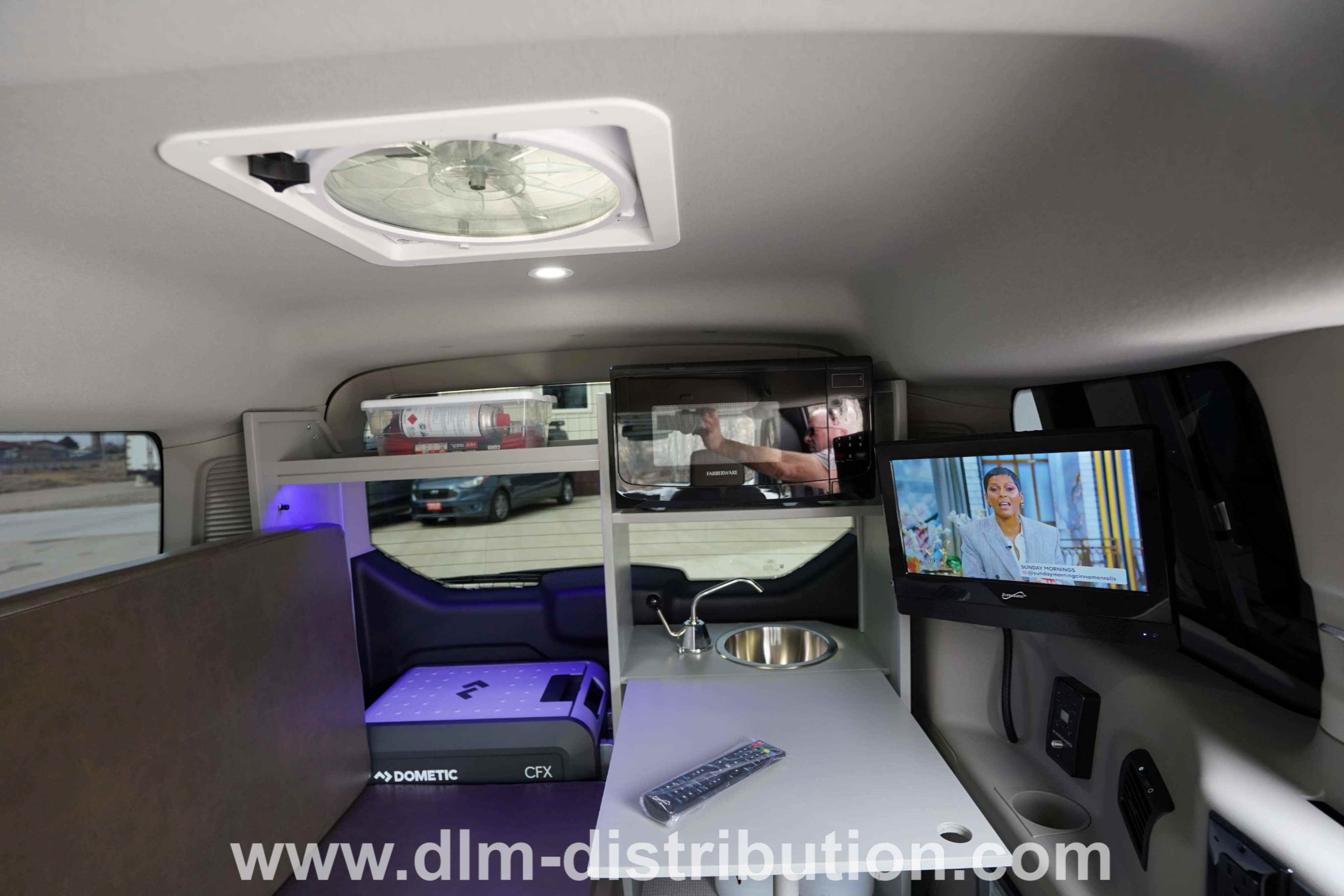
The Mini-T Campervan lineup includes sleeping accommodations, refrigeration, a microwave, sink, and electrical systems designed to support travel and camping. Solar-assisted charging, house batteries, and inverter power provide useful off-grid capability, while shore power remains available when desired. These features allow travelers to enjoy many of the conveniences of an RV without necessarily needing a large vehicle.
Fuel economy is another consideration for someone planning a summer journey across several states. The Ford Transit Connect Mini-T offers EPA fuel economy figures of approximately 24 to 28 miles per gallon, depending on model year and configuration. The Chrysler Pacifica AWD and Voyager models have their own fuel economy ratings, while the larger Mini-T HR provides a different combination of interior space and vehicle capability. Actual operating expenses depend on the model, driving conditions, and individual travel habits.
For some teachers, the ability to use a garageable campervan as an everyday vehicle may be especially appealing. Rather than owning a separate recreational vehicle that spends much of the school year in storage, the campervan can remain available for ordinary transportation and weekend travel. Where garage dimensions permit, it can also be stored at home, making it easier to leave when a school holiday or favorable weather creates an opportunity.
Of course, a campervan is still a significant purchase, and not every educator will find it practical or appropriate for their budget. Insurance, maintenance, depreciation, and other ownership expenses deserve consideration. The advantages are most meaningful when the vehicle fits the owner's actual travel habits and is used often enough to justify the investment.
Looking Beyond the Next School Year
For educators approaching retirement, campervan travel can take on an entirely different dimension. The same curiosity that makes a summer road trip enjoyable can inspire longer journeys when the school calendar no longer determines departure and return dates.
A retired teacher might spend several weeks exploring the national parks of the Southwest, follow the changing autumn colors through New England, or travel south during the winter months. Historic sites, museums, scenic highways, and quiet campgrounds provide countless opportunities to keep learning and discovering new places without the pressure of returning for the next school day.
There is a natural continuity between the teaching profession and this kind of travel. Both can be rooted in curiosity, observation, and an appreciation for the stories and experiences that make the world interesting. The classroom may no longer be part of the daily routine, but the enjoyment of learning can continue for a lifetime.
A campervan can make those journeys particularly flexible. With accommodations close at hand, travelers can remain longer in places they enjoy, adjust their route as new interests develop, and take advantage of opportunities that might never have appeared on the original itinerary.
For some, the greatest pleasure may be visiting places they once taught about. For others, it may be discovering entirely new interests. Either way, the opportunity to explore without a fixed schedule can make retirement travel especially rewarding.
Teaching is a profession devoted to helping others discover what is possible. Outside the classroom, travel offers educators the opportunity to follow that same spirit of discovery for themselves. A weekend beside a lake, a summer exploring historic highways, or a retirement journey through unfamiliar landscapes can provide experiences that remain meaningful long after the trip ends.
The value of a campervan is not simply that it provides a place to sleep or a convenient way to carry camping supplies. It is that it can make these opportunities easier to enjoy. The vehicle becomes a practical part of the journey, while the places visited, the people encountered, and the memories created become the reasons to keep traveling.
For teachers who spend so much of their lives opening doors to learning for others, perhaps one of the greatest rewards of time away is the opportunity to see where the next open road might lead.
Happy Travels & Happy Camping!
Explore the Mini-T Campervans currently available from DLM-Distribution to see the different models, photographs, and equipment available for future travels.
DLM-Distribution / Campervans is a licensed manufacturer and dealer located in Lake Crystal, Minnesota, serving clients around the country.
Contact Dave: 651-285-7089 or Candy: 507-382-9446 today!