
Roads, Ferries, and the Last Frontier: Traveling Alaska One Port at a Time
Most road trips are measured by miles. Alaska invites travelers to think differently. Here, the map is shaped not only by highways but also by water, mountains, weather, and communities that have never been connected by pavement. In Southeast Alaska, one of the most memorable moments of the journey often arrives when the road simply ends—not because the adventure is over, but because the next section of highway floats.
The Alaska Marine Highway is unlike almost anything else in North America. It is not a cruise designed around entertainment, nor is it simply transportation. It is Alaska's public ferry system, carrying residents, freight, groceries, school children, fishermen, visitors, and vehicles between coastal communities that often have no road connection to the outside world. Travelers become part of that rhythm, sharing the journey rather than watching it from the sidelines.
Where the Highway Changes
The Alaska Marine Highway stretches roughly 3,500 miles, linking more than thirty communities from the Inside Passage to Prince William Sound, Kodiak Island, and portions of the Aleutian Chain. Rather than thinking of it as one long ferry ride, it is better understood as another section of the road network—one where mountains, glaciers, and deep channels simply make pavement impossible.
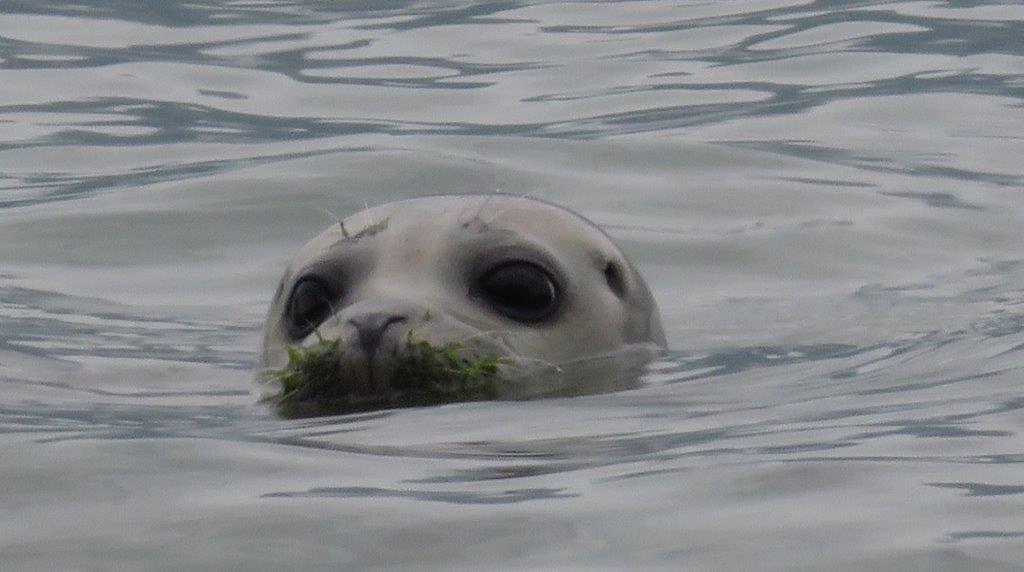
That changes the pace of travel. Instead of hurrying toward the next destination, travelers settle into the crossing. Forested islands drift past the windows. Waterfalls spill directly into the sea after a rainfall. Bald eagles perch high above rocky shorelines while whales, seals, and sea lions occasionally appear with no warning at all. Hours that might otherwise have been spent behind the wheel become part of the experience itself.
Perhaps that is why so many people remember the ferry long after returning home. It creates space to simply watch Alaska unfold without feeling the need to rush through it.
Communities Connected by Water
Each port along the route has its own personality, yet together they tell a larger story about life in coastal Alaska. Ketchikan welcomes many travelers with colorful harbors, rich Indigenous culture, and towering forests. Wrangell offers a quieter pace where the Stikine River meets the sea. Petersburg remains a working fishing town whose harbor still reflects the industries that built it, while Sitka blends Tlingit traditions, Russian history, and dramatic Pacific scenery into one of Alaska's most distinctive communities.
Farther north, Juneau reminds visitors that even a state capital can exist without a road connecting it to the rest of North America. Haines and Skagway become gateways once again to highways leading through the Yukon, proving that in Alaska the journey naturally alternates between land and water.
Rather than trying to visit every community, many experienced travelers discover that spending additional time in fewer places creates a far richer experience. Walking a waterfront after the day visitors have departed, finding a local café, or camping nearby often leaves a stronger memory than simply checking another destination off a list.
The Inside Passage
The Inside Passage deserves its reputation as one of North America's great scenic journeys. Protected waterways wind between thousands of forested islands while snow-covered mountains rise beyond them. Conditions change constantly. Morning fog can give way to brilliant sunshine, only to be replaced by afternoon rain that transforms countless cliffs into temporary waterfalls.
Wildlife appears according to its own schedule rather than anyone else's. Some crossings reveal humpback whales feeding just offshore. Others are remembered for sea otters drifting through calm coves or bald eagles soaring overhead. There are no guarantees, which somehow makes every sighting feel more meaningful.
The best advice is remarkably simple: spend time outside on deck, carry binoculars, and let Alaska decide what it wishes to reveal.
Planning the Journey
The Alaska Marine Highway rewards flexibility, but it also rewards preparation. Vehicle reservations should generally be made well in advance, particularly during the busy summer season. Schedules vary throughout the year, and weather or vessel maintenance can occasionally influence service. Building the ferry reservations first, then allowing the road trip to grow around them, usually creates a much less stressful experience.
Longer sailings may include overnight travel. Some vessels offer private cabins, while others encourage passengers to relax in lounges or designated public spaces. Regardless of how the night is spent, the crossing becomes part of the adventure rather than simply time between destinations.
Travelers continuing through Canada should also review current border requirements before departure, especially when carrying camping equipment, food, pets, or other regulated items.
Camping Between Ports
Once the ferry ramp lowers, Alaska returns to a familiar rhythm of scenic drives, trailheads, campgrounds, and quiet evenings. State recreation areas, national forest campgrounds, municipal parks, and private campgrounds provide opportunities to spend the night surrounded by mountains, forests, rivers, or the ocean itself.
The best campsite is rarely the one closest to the ferry terminal. More often it is the one that allows tomorrow to begin somewhere extraordinary—beside a glacier-fed lake, along a salmon stream, or overlooking a sheltered bay where fishing boats leave before sunrise.
A Different Kind of Road Trip
Some destinations are remembered for a single landmark. Alaska is remembered for the journey itself. The miles driven through British Columbia and the Yukon, the ferry quietly threading between forested islands, the conversations with local residents aboard ship, and the realization that entire communities thrive without highways all become part of one continuous story.
That is why many travelers return home speaking less about individual attractions than about the rhythm of the trip. Drive for a few days. Board a ferry. Explore another community. Camp beneath long northern evenings. Then begin again.
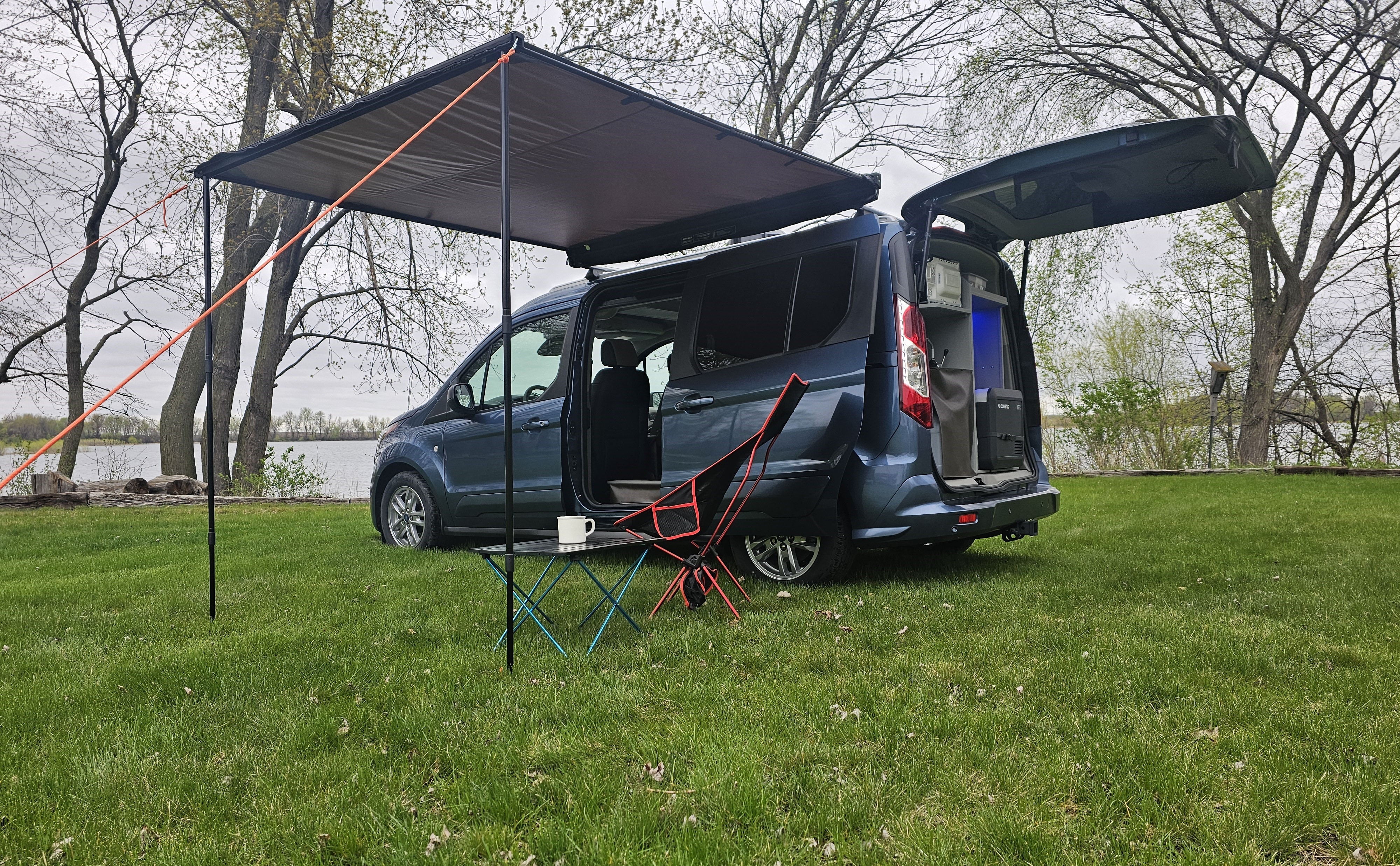
For travelers exploring in a Mini-T Campervan, the transition between road and sea feels especially natural. The campervan simply waits below deck during the crossing, then becomes transportation, kitchen, and campsite once the next port appears. The focus never needs to be on the vehicle itself. Instead, it quietly removes obstacles, allowing the journey to remain exactly where it belongs—on Alaska.
Happy Travels!

DLM-Distribution / Campervans is a licensed manufacturer and dealer located in Lake Crystal, Minnesota, serving clients around the country.
Contact Dave: 651-285-7089 or Candy: 507-382-9446 today!