
NEWS
If you've been following the news lately or scrolling through social media, you may have noticed a peculiar and somewhat alarming trend. It seems some humans have taken up a new hobby: trying to pet the wild Bison in Yellowstone and other national parks. No, you're not hallucinating. And no, this isn't a new subcategory of Pokemon Go.
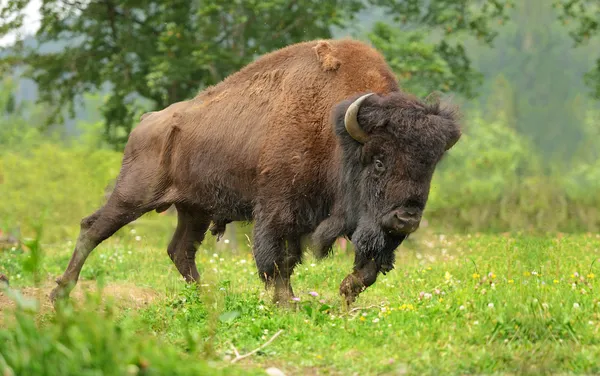
This unusual trend has baffled park authorities, left biologists scratching their heads, and incited collective groans from anyone with a smidgen of common sense. But let's delve into the minds of these fearless, or as some might say, foolhardy adventurers, the "Bison Whisperers."
Step 1: The Great Bison Chase
Our journey starts with a typical Bison Whisperer on their quest to bridge the gap between man and beast. With a sparkle in their eyes and a phone in hand, they ignore the numerous warning signs, informational brochures, and rangers' advice. Driven by a burning desire for viral glory or an insatiable curiosity about Bison fur's softness, they lunge forward, driven by sheer determination.
Step 2: The "Petting" Zoo
These Whisperers apparently treat National Parks as a vast, open petting zoo, where all animals – even those weighing up to 2,000 pounds and sporting sharp horns – are awaiting friendly pats. They seem to forget that these magnificent creatures aren't oversized Beanie Babies, but wild animals with a powerful survival instinct and a notable dislike for being bothered during their morning grazing.
Step 3: The Artful Dodge
This is the part where the Bison, feeling encroached upon, decides it's time for a quick game of "tag." And spoiler alert, the human is always "it." Bison can run three times faster than humans. For anyone who is bad at math, that's really, really fast. But hey, at least these encounters make for entertaining videos, right?
Step 4: The Arrest
Here's where the game comes to an end, and the sobering reality kicks in. Bison-petting is not just a dangerous pastime; it's also illegal. Nothing quite kills the thrill of a viral video like the sight of park rangers approaching, not with likes and shares, but with handcuffs and fines.
This brings us to a potential new trend – the Jailhouse Petting Zoo. Bison Whisperers can trade their thrilling experiences with Bison for something tamer, like petting a hamster or feeding a goldfish. Not quite as adrenaline-inducing, but certainly safer and within the bounds of the law.
The Serious Side of the Trend
While this article started on a light note, make no mistake: The trend of attempting to pet Bison at Yellowstone and other national parks is a serious issue. It not only endangers the humans involved but also the Bison, who could be tranquilized or worse if deemed a danger to visitors.
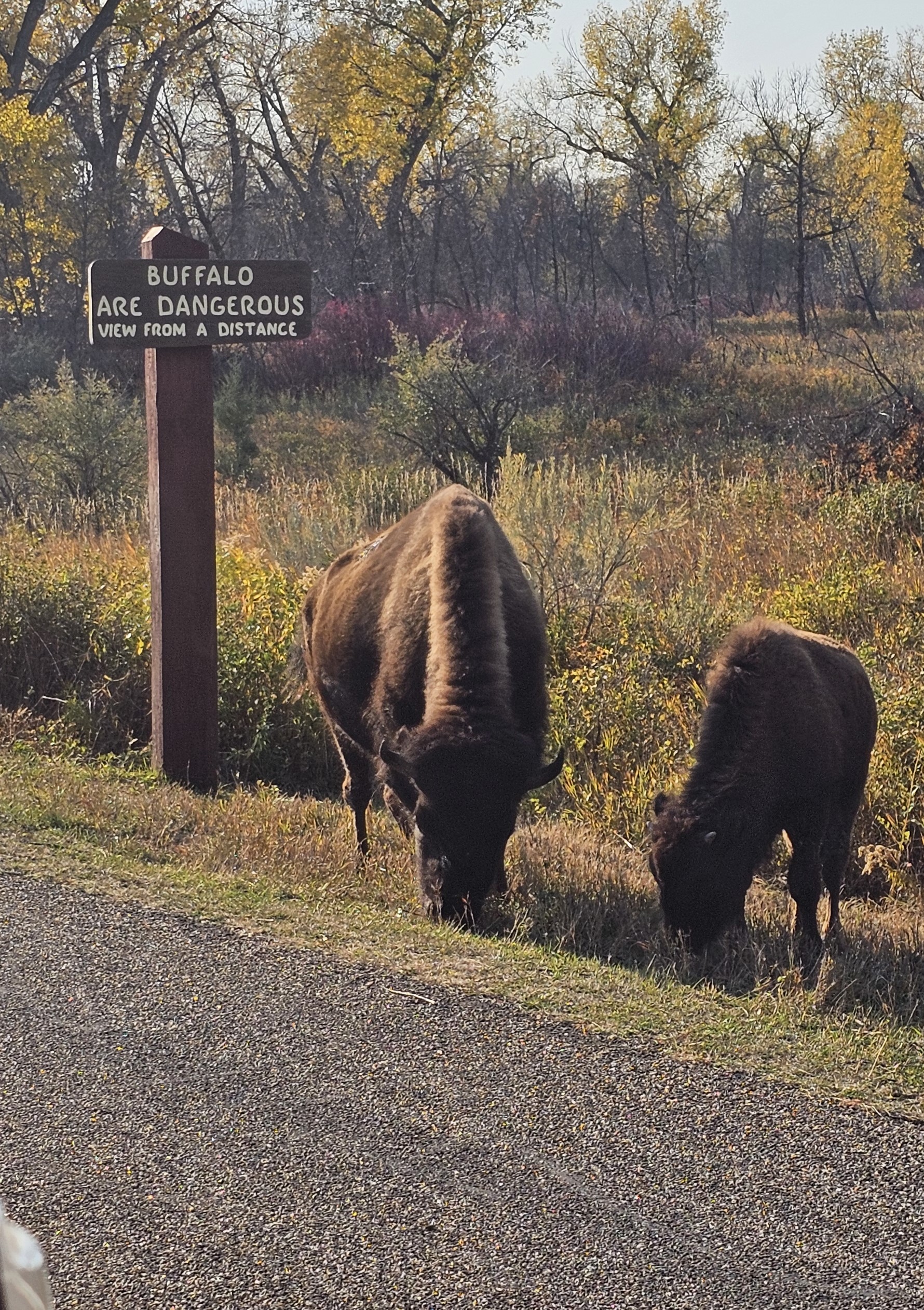
Every year, there are incidents where people get severely injured, or even killed, from encroaching too close to wildlife. These animals are not domesticated pets; they are wild beings that deserve our respect and distance. Furthermore, harassing wildlife is a violation of federal laws and park regulations. The penalties can include hefty fines, jail time, and being banned from national parks.
National parks are treasures for us all to enjoy responsibly. They are a testament to our respect for nature and our commitment to preserving these majestic spaces for future generations. When we visit these places, we're guests in the homes of these animals, and we must behave accordingly.
Our message to potential Bison Whisperers is simple: admire from afar, respect their space, and leave the petting for your dog at home. Let's remember that preserving the magic of our national parks requires each of us to respect all its inhabitants and laws. Stay safe, be smart, and keep wildlife wild.
Safe Travels!
DLM-Distribution / Campervans is a licensed manufacturer and dealer located in Lake Crystal, Minnesota, serving clients around the country.
Contact Dave: 651-285-7089 or Candy: 507-382-9446 today!