Companion Camping: Sharing the Journey Without Giving Up Your Independence
One of the best parts of traveling is sharing experiences with people you enjoy. Watching the sunrise over a mountain lake, discovering a small-town café, hiking a favorite trail, or gathering around a campfire at the end of the day all become more meaningful when shared with family or friends.
At the same time, many travelers appreciate something else just as much: the comfort of having their own space. After a full day of adventure, it can be nice to return to your own bed, your own routine, and your own quiet place to relax.
That is why companion camping has become such an appealing way to travel. It offers the best of both worlds—shared experiences and personal independence. Instead of everyone crowding into one large RV, renting separate hotel rooms, or trying to coordinate every detail of a trip around one schedule, companion camping allows people to travel together while still maintaining their own space.
For many campers, it has become one of the most enjoyable ways to explore state parks, national parks, scenic destinations, coastal campgrounds, and road trip routes across North America.

What Is Companion Camping?
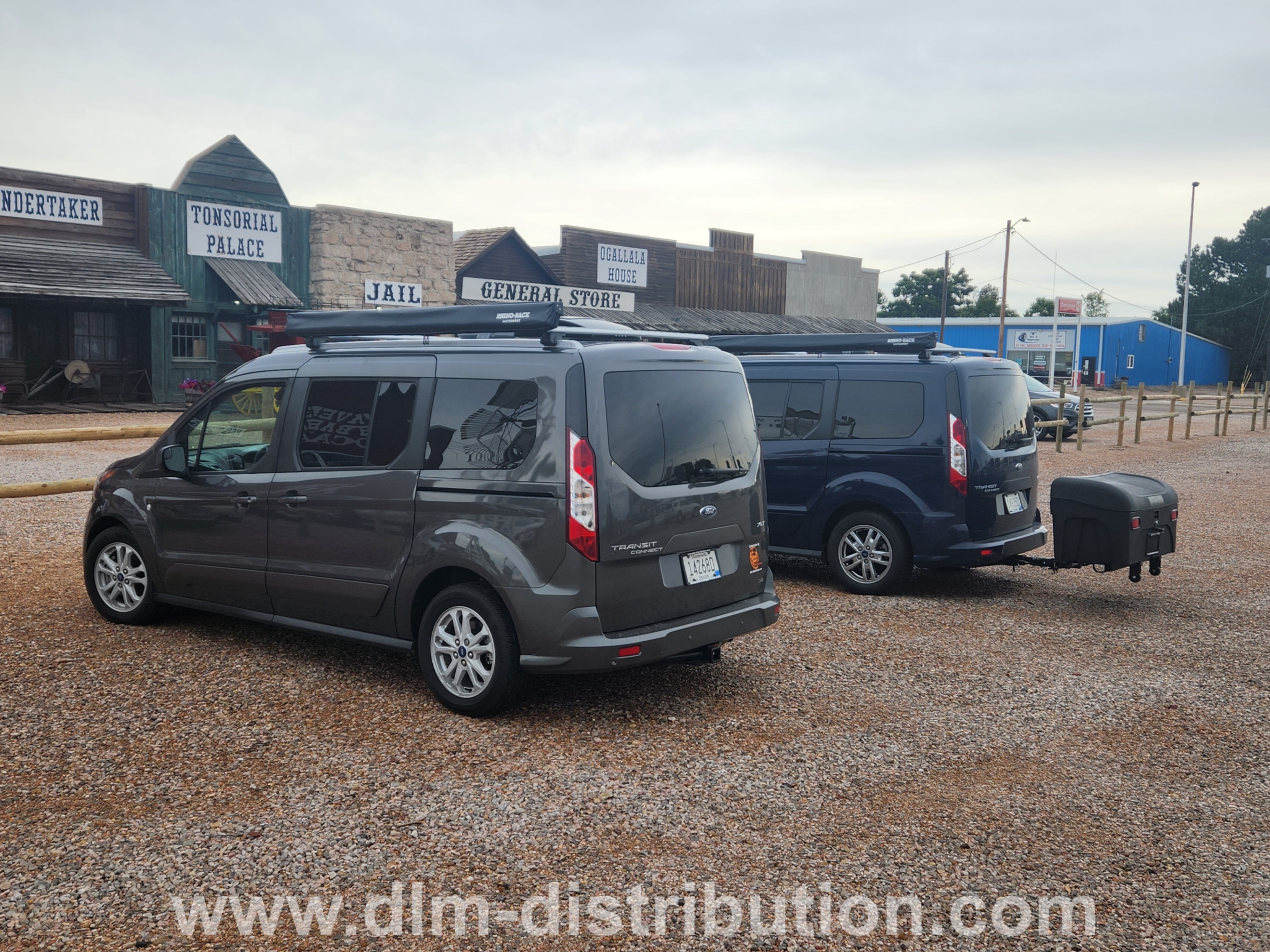
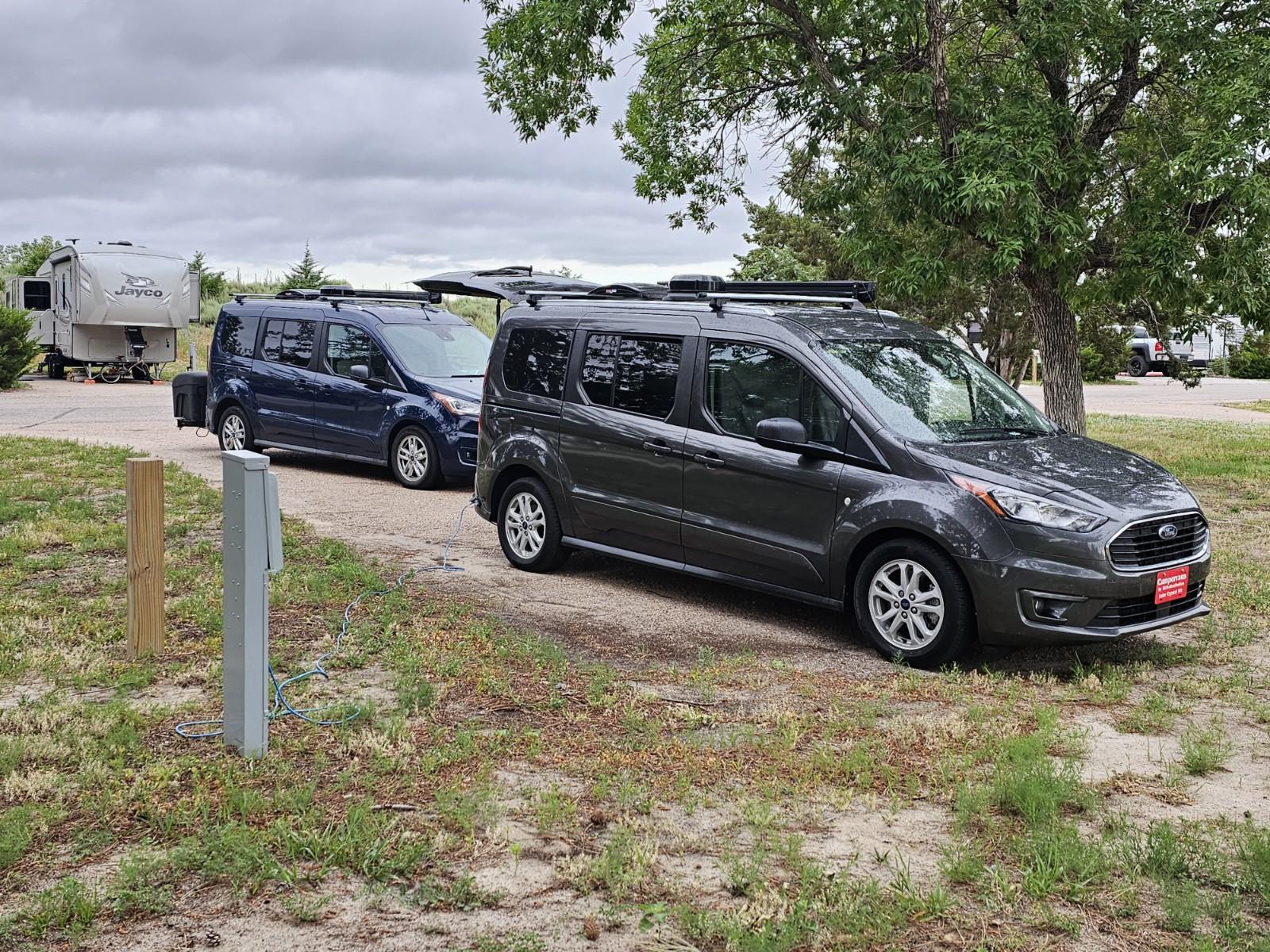
Companion camping means traveling independently while gathering with others at shared destinations. Friends, siblings, retired couples, camping clubs, extended families, and longtime travel companions often plan trips where each person or couple brings their own campervan, RV, trailer, tent, or camping setup.
The group may meet at a campground, state park, national park, lakeside destination, scenic byway, festival, or favorite outdoor recreation area. During the day, everyone can hike, fish, paddle, golf, sightsee, bicycle, visit nearby towns, or relax together at camp. In the evening, the group may share a meal, sit around the campfire, exchange stories, and enjoy the social side of camping.
Then, when the day winds down, everyone returns to their own space. That simple arrangement is what makes companion camping so comfortable. It allows people to enjoy meaningful time together without giving up the privacy, rest, and independence that make travel enjoyable.
Why More Travelers Enjoy This Style of Camping
Companion camping works because people do not all travel the same way. One person may want to be up before sunrise with coffee in hand. Another may prefer a slow morning and a relaxed breakfast. One couple may want to hike a challenging trail while another prefers to explore a museum, visit a farmers market, or take a scenic drive.
When everyone is traveling in one vehicle or sharing one lodging space, those differences can create pressure to compromise constantly. Companion camping reduces that tension. Everyone has the freedom to enjoy the trip in their own way while still sharing the parts of the journey that matter most.
For families and friends, that balance can make trips more enjoyable and sustainable. Nobody has to give up all of their preferences. Different schedules, activity levels, budgets, and travel styles can coexist. The group experience remains intact, but each traveler keeps a sense of control over the day.
For many retirees and frequent travelers, that independence becomes one of the greatest advantages. They can meet friends in beautiful places, enjoy time together, and still maintain the comfort of their own campervan at the end of the evening.

Everyone Travels a Little Differently
One of the reasons companion camping works so well is that it respects the reality of travel. People have different routines, interests, energy levels, and ideas of what makes a trip enjoyable.
Someone in the group may want to spend the morning fishing. Someone else may want to photograph birds at sunrise. Another traveler may be interested in antique shops, scenic overlooks, local restaurants, or a quiet afternoon reading at camp. Companion camping allows all of those travel styles to fit into the same trip.
Instead of forcing everyone into one plan, the group can create a flexible rhythm. Some activities are shared. Others are optional. People can split up during the day and gather again later. That flexibility often leads to better trips because each person has room to enjoy the destination in a way that feels natural.
In many ways, companion camping is not about doing everything together. It is about having the freedom to choose what to share.

The Destination Becomes the Reunion
For friends and family who live in different parts of the country, companion camping can turn a destination into a gathering place. Instead of meeting at one person’s house or coordinating hotel rooms in a busy city, everyone can agree to meet somewhere memorable.
One year it might be Yellowstone. Another year it might be the Great Lakes, the Blue Ridge Parkway, the Oregon Coast, the Southwest, Acadia, Glacier, or a favorite state park closer to home. The destination becomes the reunion.
That approach can make travel more meaningful. People are not simply visiting each other; they are creating new memories together in places worth exploring. A shared campground becomes the meeting point. A picnic table becomes the dining room. A trail, lake, overlook, or campfire becomes the setting for the next story everyone will remember.
For many groups, these trips become annual traditions. The location may change, but the rhythm remains familiar: arrive independently, explore together, and leave with new memories.
Exploring More Destinations Together
Companion camping often encourages travelers to explore more widely. When friends or family are spread across different regions, meeting at a destination creates a reason to visit places that might otherwise remain on a someday list.
National parks, state parks, scenic byways, lighthouse routes, fall color tours, mountain towns, desert landscapes, lakeside campgrounds, music festivals, balloon festivals, birding events, and small-town celebrations can all become reasons to gather.
The flexibility of companion camping makes these trips easier to organize. Travelers can arrive from different directions, stay for different lengths of time, and continue on separate routes afterward. One couple may extend the trip into a longer road journey. Another may only stay for a weekend. Someone else may meet the group halfway through the week.
Because each traveler has their own accommodations, the trip does not depend on everyone sharing the same vehicle, rental property, or hotel schedule. That independence makes gathering easier, not harder.
Why Small Campervans Fit Naturally Into Companion Camping
Small campervans are particularly well suited to companion camping because they support independence without separating travelers from the group experience. They provide a comfortable place to sleep, store food, keep personal belongings organized, and travel at an individual pace.
A compact campervan also makes it easier to meet friends and family in a wide variety of places. Campgrounds, state parks, ferry-access destinations, national forest campgrounds, scenic towns, and public recreation areas often feel easier to navigate in a smaller vehicle than in a large RV.
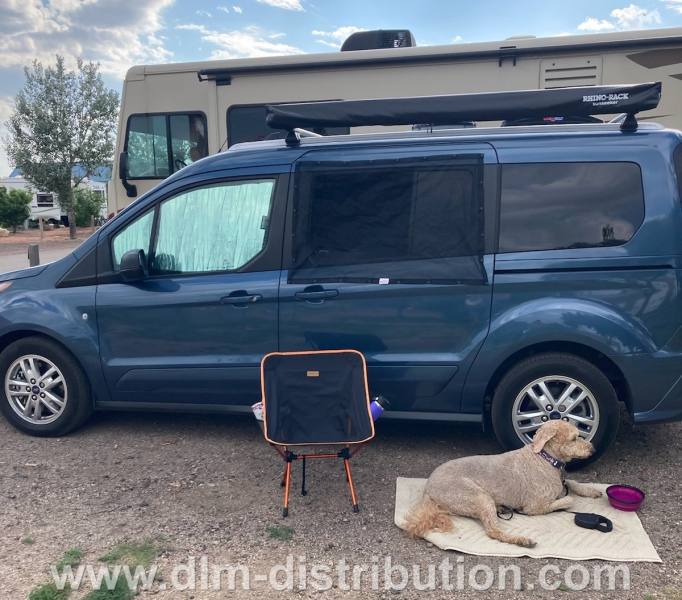
A Mini-T Campervan fits naturally into this style of travel because it allows each traveler or couple to remain self-contained while still participating fully in the shared experience. Easy driving, simple parking, comfortable accommodations, and efficient travel make it easier to join companions wherever the next adventure happens to be.
In companion camping, the campervan is not the center of the trip. The people and the destination are. The campervan simply makes the gathering easier.

Independence Makes Group Travel Easier
Group travel can be wonderful, but it can also become complicated when everyone depends on the same transportation, lodging, and schedule. Companion camping solves many of those problems by giving each traveler a home base of their own.
That independence reduces pressure. If someone wants an early night, they can head back to their campervan. If another person wants to sit by the fire longer, they can. If one couple wants to leave a day early or stay an extra night, the rest of the group does not need to adjust everything around that decision.
This flexibility is especially helpful for multi-generational trips. Adult children, parents, grandparents, siblings, and friends may all have different needs. Some may want more rest. Others may want more activity. Companion camping allows everyone to be together without requiring everyone to function the same way.
Shared Meals, Shared Stories, Shared Memories
Some of the best camping memories are not complicated. They happen while preparing breakfast at camp, sharing coffee in the morning, cooking dinner together, watching children or grandchildren explore, or sitting quietly as the fire burns low at night.
Companion camping creates space for those moments. Because everyone has their own accommodations, the group can focus on the enjoyable parts of being together instead of the friction that sometimes comes with shared lodging.
Meals can be simple. One person may bring a salad, another may grill dinner, and someone else may make coffee the next morning. The point is not perfection. The point is time together.
For many travelers, those casual moments become the reason they keep planning the next trip.
Planning a Companion Camping Trip
A successful companion camping trip does not require complicated planning, but a few decisions make the experience smoother. Choosing a destination early helps everyone reserve campsites or plan routes. When possible, booking nearby campsites allows the group to gather easily while still maintaining personal space.
It also helps to agree on the general tone of the trip. Is the goal hiking? Relaxing? Sightseeing? Visiting family? Exploring a national park? Attending a festival? A shared expectation keeps the trip enjoyable while still allowing flexibility.
Simple coordination can make a big difference. Groups may decide who brings shared cooking items, who plans a group meal, what activities are optional, and how much time everyone wants together. The best companion camping trips usually leave room for both structure and spontaneity.
Good planning does not remove independence. It protects it.
A Travel Style That Fits Many Stages of Life
Companion camping appeals to many different travelers because it adapts to changing needs. Younger families may use it to camp with grandparents or friends. Retired couples may use it to meet other couples in different parts of the country. Siblings may use it to reconnect. Longtime friends may use it as an annual tradition.
It can also work well for travelers who enjoy meeting others but do not want to give up their personal routine. Having your own campervan means you can be social when you want to be and private when you need to be.
That balance is one of the reasons this style of camping feels so timeless. It recognizes that people value connection, but also value independence. Companion camping gives room for both.
The Best Memories Are Often Shared
Companion camping reminds us that the best trips are not measured only by miles driven or places visited. They are measured by the conversations around the campfire, the shared meals, the unexpected discoveries, and the friendships strengthened along the way.
Traveling independently does not mean traveling alone. In fact, having your own campervan often makes it easier to gather with the people you enjoy most while preserving the freedom that makes road travel so rewarding.
Whether meeting lifelong friends in a national park, planning an annual family camping trip, exploring a scenic coastal destination, or spending a quiet weekend at a favorite state park, companion camping offers something increasingly valuable: the opportunity to share the journey while still traveling your own way.
For many people, that is what camping is really about.
Happy Camping!
DLM-Distribution / Campervans is a licensed manufacturer and dealer located in Lake Crystal, Minnesota, serving clients around the country.
Contact Dave: 651-285-7089 or Candy: 507-382-9446 today!