Published May 31, 2017  •  Updated July 31, 2026
Category: Camping & Outdoor Living

Lakeside Camping: Why Smaller Campervans Are Well Suited for Waterfront Campsites

Walk through almost any campground beside a lake and one thing quickly becomes apparent. The campsites everyone hopes to reserve are rarely the largest. More often they are tucked beneath mature pines, shaded by hardwoods, or positioned just far enough from neighboring campers that the shoreline feels almost private. They may have only enough room for a picnic table, a fire ring, and a short path leading to the water, yet those are often the sites people desire.

There is a reason for that. Many waterfront campgrounds were created decades ago by working with the landscape rather than reshaping it. Roads followed the shoreline instead of cutting across it. Campsites fit between existing trees. Parking pads were sized for the camping equipment of the day, leaving the lake itself—not the campsite—as the main attraction.

Ironically, that is exactly what makes many of the most desirable waterfront campsites especially well suited for smaller campervans.

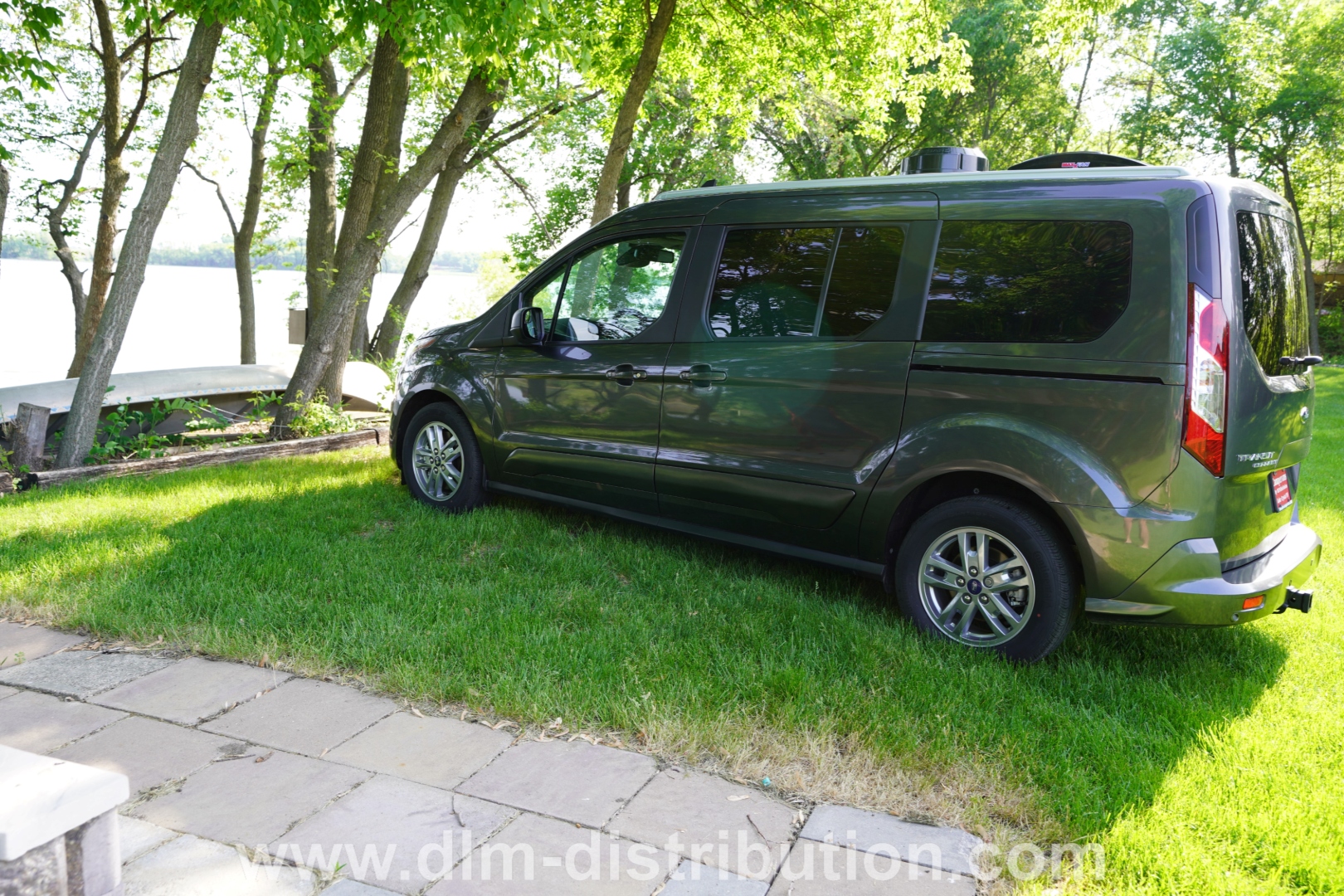
Mini-T Campervan at a peaceful lakeside campsite


Many of the Best Campsites Were Never Meant to Be the Biggest

Waterfront campsites often follow the natural contours of the shoreline. Instead of long, wide parking pads, they may include shorter back-in sites, tighter campground loops, mature trees, uneven terrain, and narrower roads. Those characteristics are not shortcomings. They are often the reason the campground feels connected to the lake rather than separated from it.

In many parks, installing utilities directly along the shoreline was either impractical or intentionally limited. Rocky ground, tree roots, changing elevations, environmental concerns, and shoreline protection all influenced how these campgrounds were developed. Rather than disturbing the very landscape people came to enjoy, many waterfront sites remained intentionally simple.

As a result, some of the finest campsites beside the water have little more than a level pad, a picnic table, and a fire ring. They may not offer electrical hookups or other utilities, yet they provide something far more valuable: an evening view across the lake, the sound of waves reaching shore, and the feeling of camping within the landscape instead of beside a parking area.

For travelers in larger motorhomes, those sites may simply not be practical. A smaller campervan, however, often fits naturally into the space the campground originally intended.


Why Off-Grid Capability Matters

The absence of hookups does not make a waterfront campsite less desirable. In many cases it is part of what preserves its character. Without rows of utility pedestals and heavily developed infrastructure, the shoreline often remains quieter, more wooded, and more connected to nature.

The key is arriving prepared rather than dependent.

A campervan designed for practical off-grid camping approaches these campsites differently. Solar charging, house batteries, efficient refrigeration, LED lighting, roof ventilation, and inverter power provide the comforts needed for several enjoyable days without requiring electrical service. Instead of choosing a campsite because it has hookups, travelers are free to choose it because it overlooks the lake.

That changes the entire decision-making process. The question is no longer, "Which campsite has power?" It becomes, "Which campsite would I most enjoy waking up in?"

Peaceful lakeside campsite


The Campsite Becomes a Basecamp

A memorable lakeside trip is rarely spent entirely inside the campsite. The lake invites early morning paddles, afternoon hikes, scenic drives, fishing, photography, swimming, nearby state parks, small-town cafés, and quiet evenings watching the sun settle below the opposite shore. The campsite becomes the place you return to rather than the only place you stay.

That is another quiet advantage of traveling in a smaller campervan. It drives comfortably to trailheads, boat launches, overlooks, and local communities, then returns just as easily to the same peaceful campsite. The campground becomes a basecamp for exploring the entire lake region instead of a destination that limits the day.


Comfort Without Becoming the Center of the Trip

A comfortable bed, organized storage, refrigeration, ventilation, and the ability to prepare a simple meal can make a rustic lakeside campsite remarkably enjoyable. Those conveniences matter not because they recreate home, but because they quietly support the experiences taking place outside the door.

The goal is not to bring more equipment to the shoreline. It is to remove enough obstacles that the lake remains the focus. When the campervan simply works, it becomes easier to notice the mist rising from the water, the call of loons after sunset, or the reflection of pine trees across a calm bay.


Why the Mini-T Campervan Fits This Style of Travel

The Mini-T Campervan was manufactured around this philosophy. Its compact footprint fits comfortably into many wooded waterfront campsites, while its practical off-grid electrical system makes camping without hookups a natural part of the experience rather than a compromise.

Instead of requiring the largest campsite in the campground, the Mini-T allows travelers to consider the campsite with the best view, the quietest setting, or the closest walk to the water. That is often where the most memorable camping experiences begin.


The Campsite You'll Remember

Ask campers about their favorite lakeside campsite and very few begin by describing the electrical pedestal or the length of the parking pad. They remember the fog lifting from the water while coffee brewed outside. They remember loons calling across the lake after dark, an evening paddle that lasted longer than expected, or the short walk from the picnic table to the shoreline.

Those memories rarely begin with the largest campsite in the campground. More often they begin with the campsite that felt most connected to the lake itself.

That is one of the quiet advantages of traveling in a smaller campervan. It allows you to choose campsites for where they are rather than simply for the infrastructure they provide. When practical off-grid capability travels with you, the smaller waterfront campsite that once seemed inconvenient often becomes the one you remember years later.


Explore Lakeside Camping in a Mini-T Campervan

A Mini-T Campervan makes it easier to enjoy scenic waterfront campsites, camp comfortably without hookups, and explore the lakes, trails, and small towns that surround them. View current Mini-T Campervans for sale and discover a campervan manufactured to make travel easier.

DLM-Distribution / Campervans is a licensed manufacturer and dealer located in Lake Crystal, Minnesota, serving clients around the country.

Contact Dave: 651-285-7089 or Candy: 507-382-9446 today!

```