Published August 18, 2009  •  Updated June 29, 2026
Category: Mini-T Campervan

Why Camping Plays an Important Role for Veterans

Military service changes the way many people experience the world. Life in uniform often involves purpose, teamwork, planning, adaptability, discipline, and time spent outdoors in changing conditions. After leaving the military, many veterans discover that camping, hiking, fishing, and road travel continue to provide something familiar and grounding.

For some veterans, camping is a way to reconnect with the outdoors. For others, it is a chance to spend time with people who understand military life without needing every detail explained. Some prefer solo travel, quiet mornings, and space to think. Others enjoy group camping, fishing trips, veteran gatherings, or road trips to national parks and public lands. The reasons vary, but the connection is real: camping offers veterans a practical way to slow down, regain balance, and continue exploring life after service.

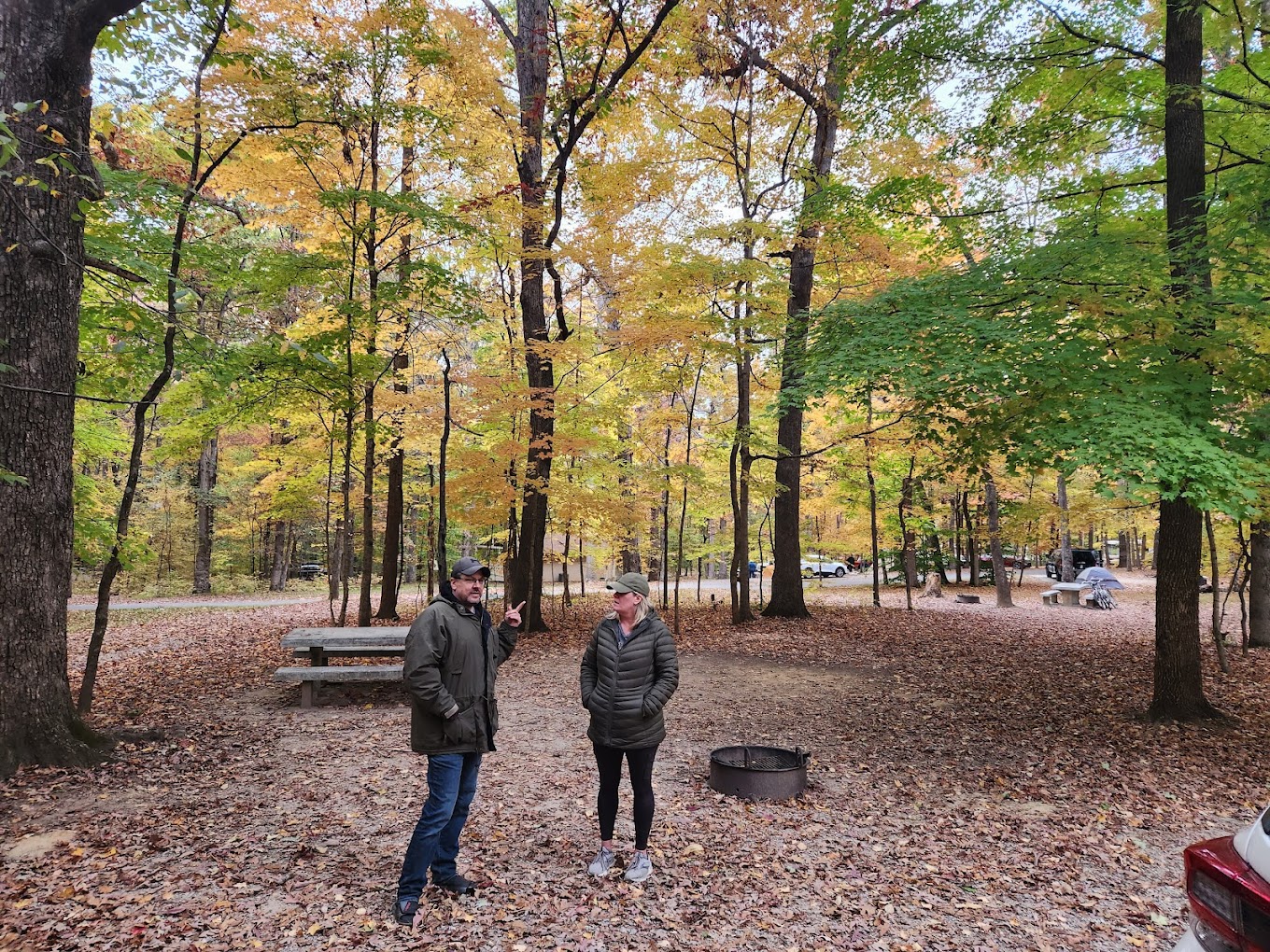
Veterans camping outdoors and enjoying time together


The Outdoors Has Long Been Part of Military Life

For many veterans, time outdoors is not unfamiliar. Field training, navigation, weather, early mornings, teamwork, movement, problem-solving, and adapting to changing conditions are all part of military experience. Camping does not recreate military life, nor should it. But it can reconnect veterans with some of the outdoor skills and rhythms that once felt familiar.

There is something grounding about a simple camp routine. Wake up, make coffee, check the weather, walk a trail, prepare a meal, sit by a fire, and sleep under a quiet sky. The day becomes less complicated. The pace slows down. The noise of daily life fades.

That simplicity can be refreshing for anyone, but it may be especially meaningful for veterans who spent years living with structure, urgency, schedules, and responsibility. Camping offers structure without pressure and purpose without performance.


Camping Supports Well-Being Without Forcing the Issue

Time outdoors can support mental and emotional well-being in practical ways. Movement, fresh air, daylight, quiet surroundings, and distance from daily stress can all help people reset. For veterans, camping may provide a setting where reflection happens naturally instead of being forced.

A walk in the woods, a morning by the lake, an evening fire, or time spent fishing can create room to breathe. These experiences do not require explanations. Nature does not ask for a service record, a diagnosis, or a reason for needing quiet. It simply provides space.

That matters. Many veterans do not want to be defined by hardship, trauma, or transition. They want to continue living fully. Camping can be part of that life: active, peaceful, social when desired, and quiet when needed.

Campervan and Airstream camping together in a quiet outdoor setting


Camaraderie Still Matters

One thing many veterans miss after service is not necessarily the military itself. Often, it is the people. Shared effort, shared humor, shared hardship, and shared purpose create a kind of connection that can be difficult to replace in civilian life.

Camping can recreate some of that camaraderie in a healthier, more relaxed setting. Around a campfire, on a fishing trip, during a hike, or while sharing a campground meal, conversations often happen naturally. Veterans may talk about service, or they may not. The important part is the ease of being around people who understand certain things without needing them translated.

This is one reason veteran camping trips, outdoor retreats, hunting and fishing programs, and group road trips can be meaningful. They create space for connection without making every moment formal or clinical.

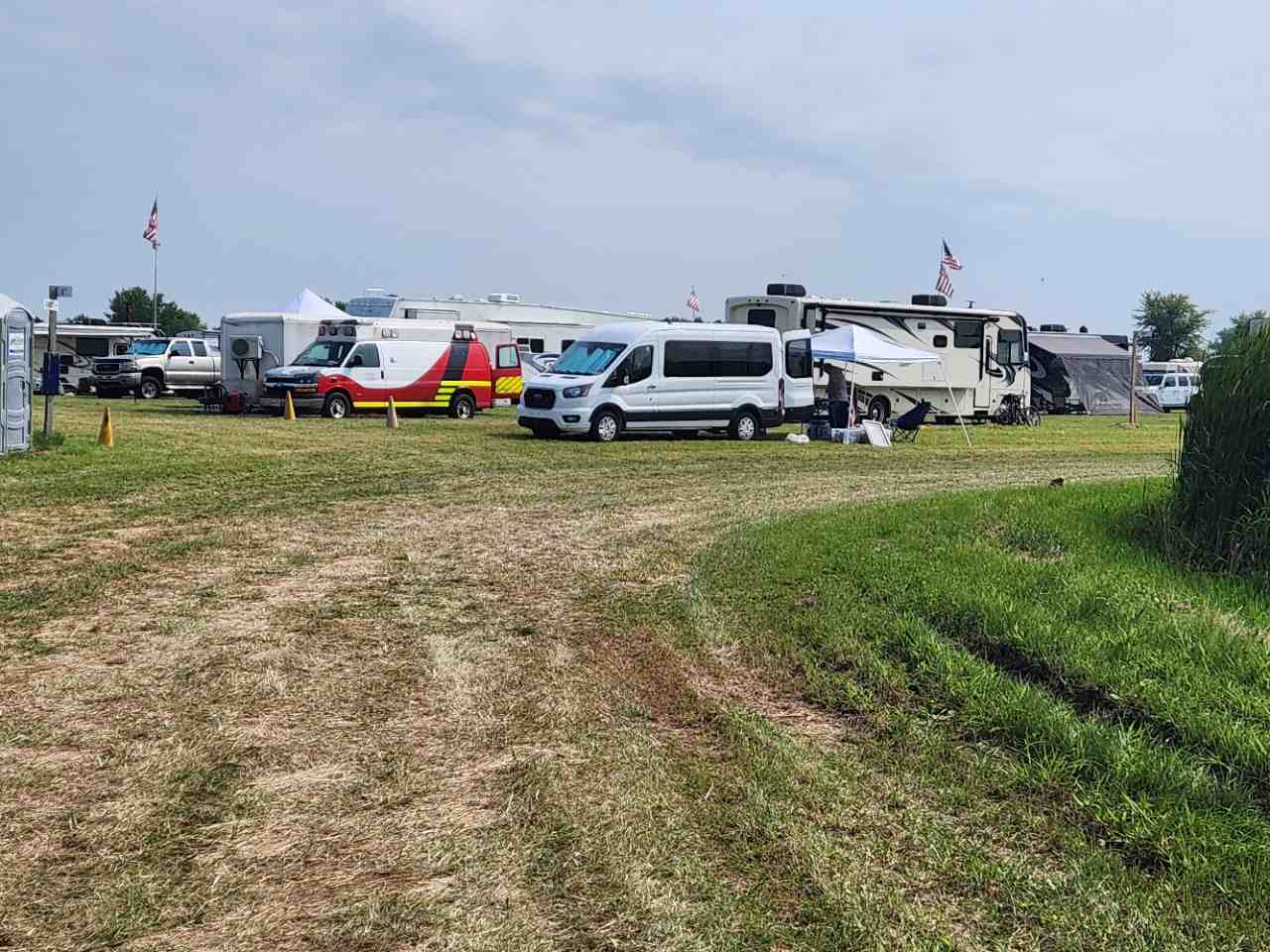
Campervans gathered in a campground for shared outdoor travel


Solo Camping Has Value Too

Not every veteran wants a group trip. Many prefer solo camping, quiet road travel, or time outdoors with only a spouse, partner, pet, or close friend. That does not necessarily mean isolation. It may simply mean peace.

Solo camping can offer control over pace and surroundings. There is no need to explain why you want to leave early, stay longer, hike alone, avoid crowds, or spend the evening quietly. The trip can be shaped around personal needs and comfort.

For some veterans, this kind of travel provides confidence and independence. A quiet campsite, a familiar routine, and a safe place to sleep can make it easier to explore new places without feeling overwhelmed by schedules or crowds.


Public Lands Can Hold Special Meaning

National parks, national forests, state parks, wildlife refuges, and public recreation areas are more than travel destinations. They are shared lands. For many veterans, that idea carries weight. These places belong to the public, and they offer room for people from many backgrounds to experience the country in a direct and personal way.

A veteran road trip through public lands can include mountains, deserts, lakes, forests, battlefields, historic sites, rivers, coastlines, and quiet campgrounds. Some trips are recreational. Some are reflective. Some are simply about seeing more of the country after years of service.

There is something powerful about standing in a national park, walking a battlefield trail, fishing in a national forest, or watching sunrise from a public overlook. These places remind travelers that the country is not just an idea. It is also land, water, history, communities, and landscapes worth experiencing firsthand.


Veterans and the America the Beautiful Pass

One practical benefit many veterans should know about is the America the Beautiful—the National Parks and Federal Recreational Lands Pass. U.S. military veterans and Gold Star Families are eligible for a free Military Lifetime Pass, and current U.S. military members and their dependents are eligible for a free Military Annual Pass.

The pass can cover entrance fees and standard amenity day-use fees at many federal recreation lands, including sites managed by the National Park Service, U.S. Fish and Wildlife Service, U.S. Forest Service, Bureau of Land Management, Bureau of Reclamation, and U.S. Army Corps of Engineers.

For veterans who enjoy camping, hiking, scenic drives, fishing, history, and public lands, this can make outdoor travel more accessible. It is a meaningful program because it encourages veterans and their families to explore the lands they helped serve and protect.

Before traveling, veterans should check current pass rules, accepted identification, campground fees, reservation requirements, and site-specific policies. Entrance passes often cover entry or day-use fees, but they may not cover camping fees, special tours, or reservation charges.


Camping Does Not Have to Be Extreme

For some people, the word camping brings to mind backpacking deep into the wilderness, sleeping on the ground, or carrying everything in a pack. That style of camping can be rewarding, but it is not the only way to experience the outdoors.

Many veterans prefer a more practical approach. A state park campground, national forest site, lakeside campsite, quiet RV loop, or small campervan can provide the right balance of comfort and simplicity. The goal is not to prove anything. The goal is to get outside and enjoy the trip.

This is where campervan travel can be especially useful. A compact campervan provides a secure place to sleep, space for gear, weather protection, food storage, power, and the ability to travel without needing a large RV. For veterans who appreciate independence and flexibility, that kind of setup can make camping easier to say yes to.


Why a Campervan Can Work Well for Veteran Travel

A campervan can support many styles of veteran travel. It can be used for solo trips, national park visits, fishing weekends, hunting support, family camping, road trips with a spouse, volunteer work, reunions, or simply quiet time away from home.

The Mini-T Campervan fits this type of travel because it is compact, easy to drive, garageable, and practical for both everyday use and camping. It allows travelers to carry essential gear, sleep comfortably, and move easily between destinations without the size and complexity of a large RV.

For some veterans, a smaller campervan may feel more manageable. It can fit into standard parking spaces, navigate scenic roads, enter many campgrounds with ease, and remain useful when the trip is over. That matters because the easier a camping setup is to use, the more often it is likely to be used.


Organizations Supporting Veterans Outdoors

Across the country, many organizations recognize the value of outdoor recreation for veterans. Some focus on fishing, hunting, hiking, paddling, camping, equine programs, conservation work, adaptive recreation, or peer connection. These programs vary widely, but many share a common goal: helping veterans reconnect with the outdoors and with one another.

Project Healing Waters Fly Fishing provides fly fishing and related outdoor experiences for disabled veterans and active-duty service members.

Wounded Warrior Project offers a variety of veteran programs, including outdoor and adaptive recreation opportunities.

Veterans Outdoor Advocacy Group focuses on outdoor access, advocacy, and recreation opportunities for veterans.

These are only examples. Local veterans groups, state park programs, county veteran service offices, nonprofit outdoor organizations, and community groups may also offer trips or resources. Veterans interested in outdoor programs should look for opportunities that match their comfort level, goals, location, and preferred activities.


Camping Can Help Families Reconnect Too

The value of camping is not limited to veterans traveling alone or with other veterans. Families often benefit as well. Military service can affect routines, relationships, and the way time is spent together. Camping offers a simple environment where families can slow down without constant distractions.

A weekend at a campground can include shared meals, quiet walks, fishing, cards, campfires, and time away from screens. For spouses, partners, children, and grandchildren, these trips can become a way to build new memories together after service.

Camping does not need to be complicated to be meaningful. Sometimes a short trip close to home is enough.


Planning Tips for Veterans New to Camping Again

Veterans returning to camping after many years may want to start simple. Choose a nearby state park or campground with basic services. Avoid overpacking or overplanning the first trip. Pick a destination with trails, water, or a scenic drive, but leave room for rest.

Consider traveling during quieter times such as weekdays, spring, fall, or off-season periods. Less crowded campgrounds can make the experience more relaxing. Bring familiar comfort items, layered clothing, good lighting, and food that is easy to prepare.

For those who prefer more control over their surroundings, a campervan or small RV can provide a useful middle ground between tent camping and larger RV travel. It allows outdoor access while keeping a comfortable sleeping space close at hand.


More Than a Trip Outdoors

For veterans, camping is rarely just about the campsite. It may be about camaraderie, quiet, independence, public lands, family time, movement, reflection, or the simple satisfaction of traveling under your own plan.

Camping does not erase military service, and it does not need to. Instead, it can help veterans continue forward with many of the strengths service helped develop: adaptability, resilience, appreciation for simple routines, respect for the outdoors, and the ability to make the most of changing conditions.

Whether the trip is a solo night at a state park, a fishing weekend with other veterans, a national park road trip, or a quiet campground stay with family, camping offers something valuable: space to breathe, room to reconnect, and a meaningful way to keep exploring.

Happy Camping

DLM-Distribution / Campervans is a licensed manufacturer and dealer located in Lake Crystal, Minnesota, serving clients around the country.

Contact Dave: 651-285-7089 or Candy: 507-382-9446 today!

```