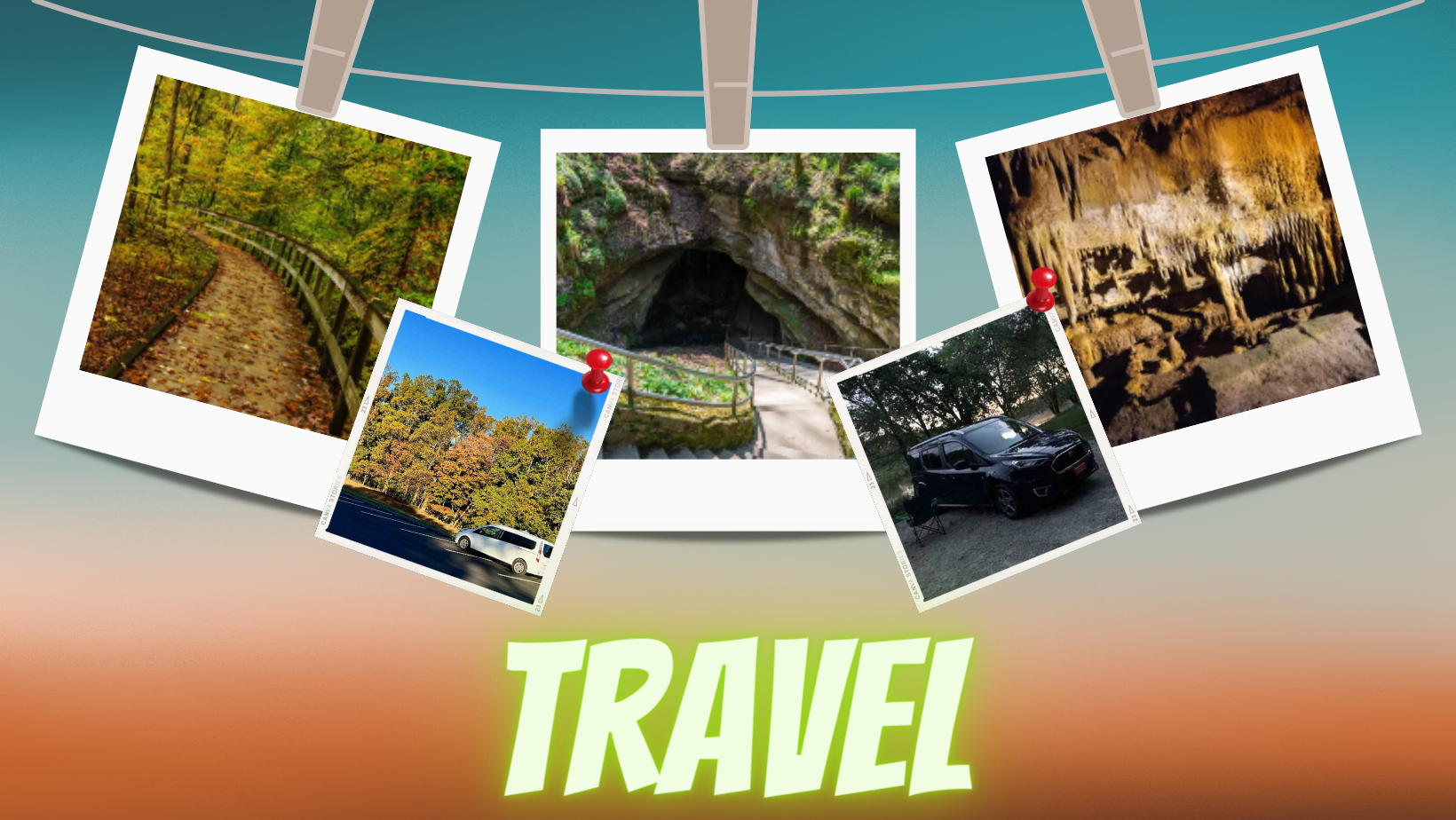
Exploring Mammoth Cave National Park by Mini-T Campervan
Descending into Mammoth Cave National Park is unlike visiting almost any other national park in America. Instead of climbing a mountain peak or standing beside a desert overlook, visitors step into a vast underground world of enormous chambers, winding passages, historic routes, and fascinating geological history. Above ground, the park offers hardwood forests, scenic river corridors, quiet campgrounds, wildlife, hiking trails, and peaceful drives through south-central Kentucky.
For campervan travelers, Mammoth Cave is especially rewarding. A Mini-T Campervan provides a comfortable and practical way to explore the park at your own pace, moving easily between the visitor center, cave tours, hiking trails, campgrounds, river access points, and nearby attractions without the size or parking concerns of a larger RV.

This guide provides an updated look at Mammoth Cave National Park, including the cave system, guided tours, camping options, hiking, the Green River, seasonal planning, and tips for building a memorable campervan trip.
Why Mammoth Cave National Park Is So Unique
Mammoth Cave National Park protects the world's longest known cave system, with more than 426 miles of mapped passageways and ongoing exploration continuing to add to what is known about the cave. The scale of the system is difficult to fully appreciate until you begin learning how far the cave extends beneath the rolling Kentucky landscape.
The park sits within a classic karst region, where limestone bedrock has been shaped over immense spans of time by groundwater, erosion, and underground drainage. The result is a landscape of sinkholes, springs, cave passages, underground rivers, dry chambers, domes, and narrow corridors. While the cave is the headline attraction, the surface landscape is part of the same story. The forests, ridges, valleys, and river corridors above the cave help explain how this remarkable underground system formed.
Human history at Mammoth Cave is also deeply layered. Native peoples explored portions of the cave thousands of years ago. In the 1800s, Mammoth Cave became a major tourism destination, drawing visitors interested in geology, exploration, and the mystery of the underground world. Today, the park is recognized not only as a national park but also as a UNESCO World Heritage Site and International Biosphere Reserve.
Taking a Cave Tour
Most visitors come to Mammoth Cave for a guided cave tour, and for good reason. Although only a small portion of the vast cave system is open to the public, the tour routes provide an unforgettable look at the size, history, and variety of the underground environment.
Tour options vary by season and staffing, so it is important to check the current National Park Service schedule before visiting. Popular tours may include historic routes through some of the cave's most famous passages, tours focused on formations, shorter introductory tours, and more physically demanding options that include stairs, narrow areas, or longer walking distances.
The cave remains about 54 degrees Fahrenheit year-round. Even on a hot Kentucky summer day, a light jacket or sweatshirt is recommended underground. Good walking shoes are also important, as cave trails may include stairs, uneven surfaces, dim lighting, and damp areas.
The Historic Entrance is one of the park's most recognizable locations and is worth seeing even if your selected tour begins elsewhere. It is also one of the classic photo stops in the park, where the cool air from the cave meets the forested landscape above.
Camping at Mammoth Cave National Park
Mammoth Cave National Park offers several camping options, making it easy to turn a cave tour into a multi-day outdoor trip. Staying in the park gives you more time to explore the surface trails, take a second cave tour, attend ranger programs, enjoy the river corridor, or simply relax in a quiet campground setting.
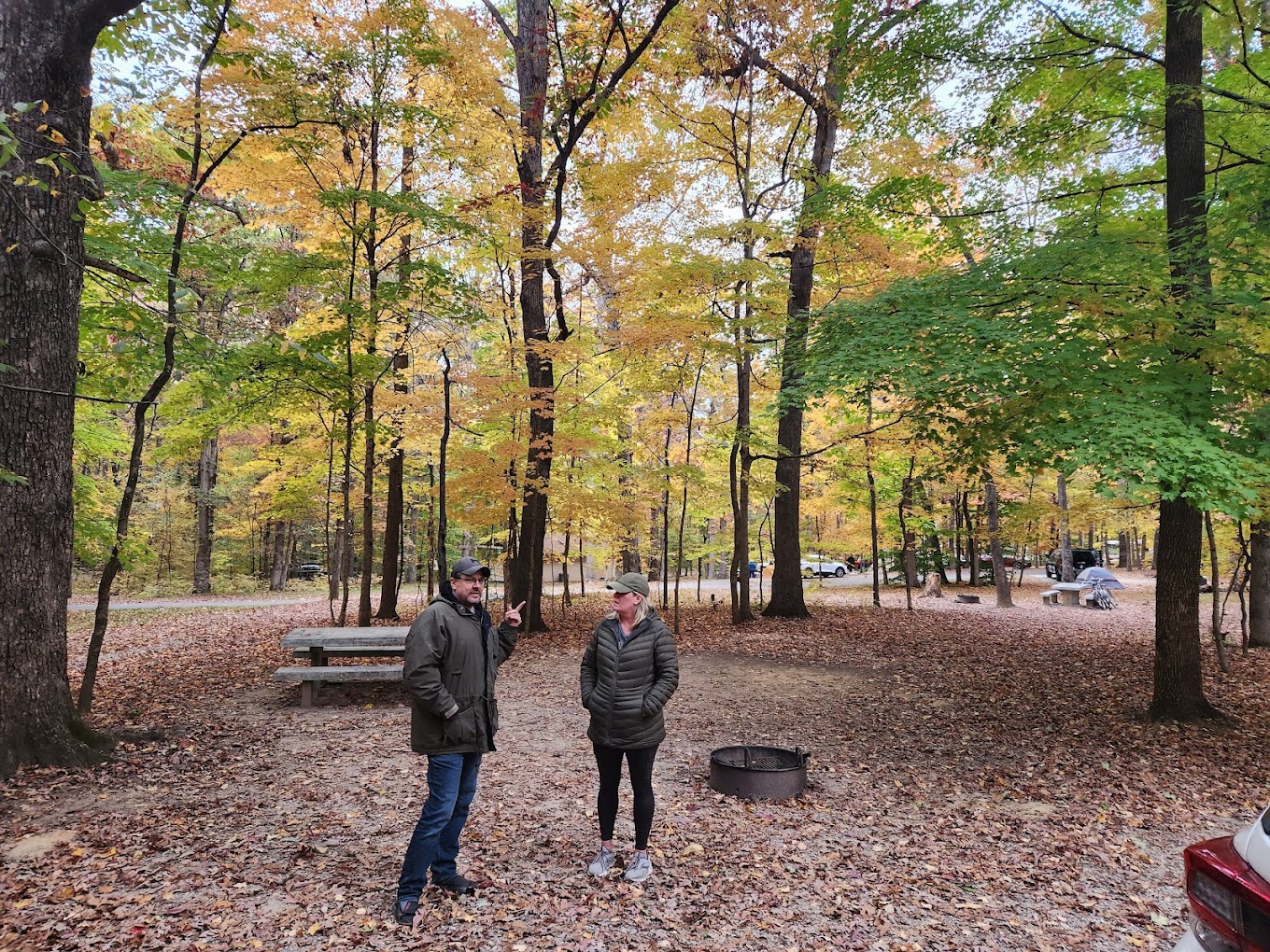
Mammoth Cave Campground is the most convenient campground for many first-time visitors because it is located near the visitor center. This makes it a practical base for cave tours, short hikes, evening programs, and easy access to park services.
Houchin Ferry Campground offers a more primitive riverside camping experience along the Green River. It is a quieter option for travelers who want a simpler setting, though visitors should review current access rules and site restrictions before choosing this campground.
Maple Springs Group Campground is located on the north side of the Green River and is designed for group and equestrian camping. Access may depend on routes, ferry operations, and current park conditions, so checking current information before arrival is important.
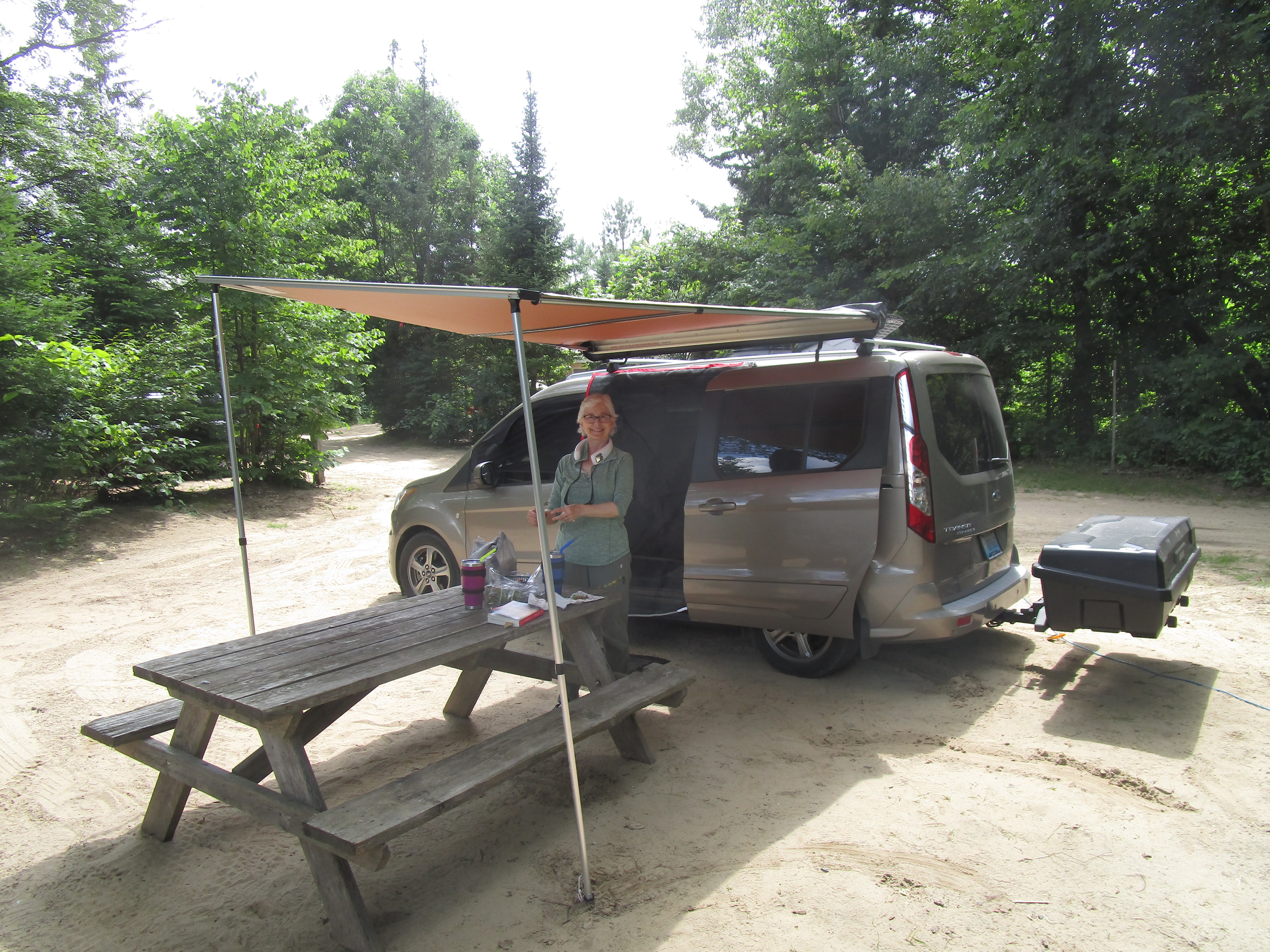
The Mini-T Campervan's manageable size makes it well suited for campground loops, visitor center parking, trailhead stops, and scenic drives within and around the park. Instead of treating Mammoth Cave as a quick stop, a campervan allows you to settle in and experience the park at a more relaxed pace.
Hiking Above Ground
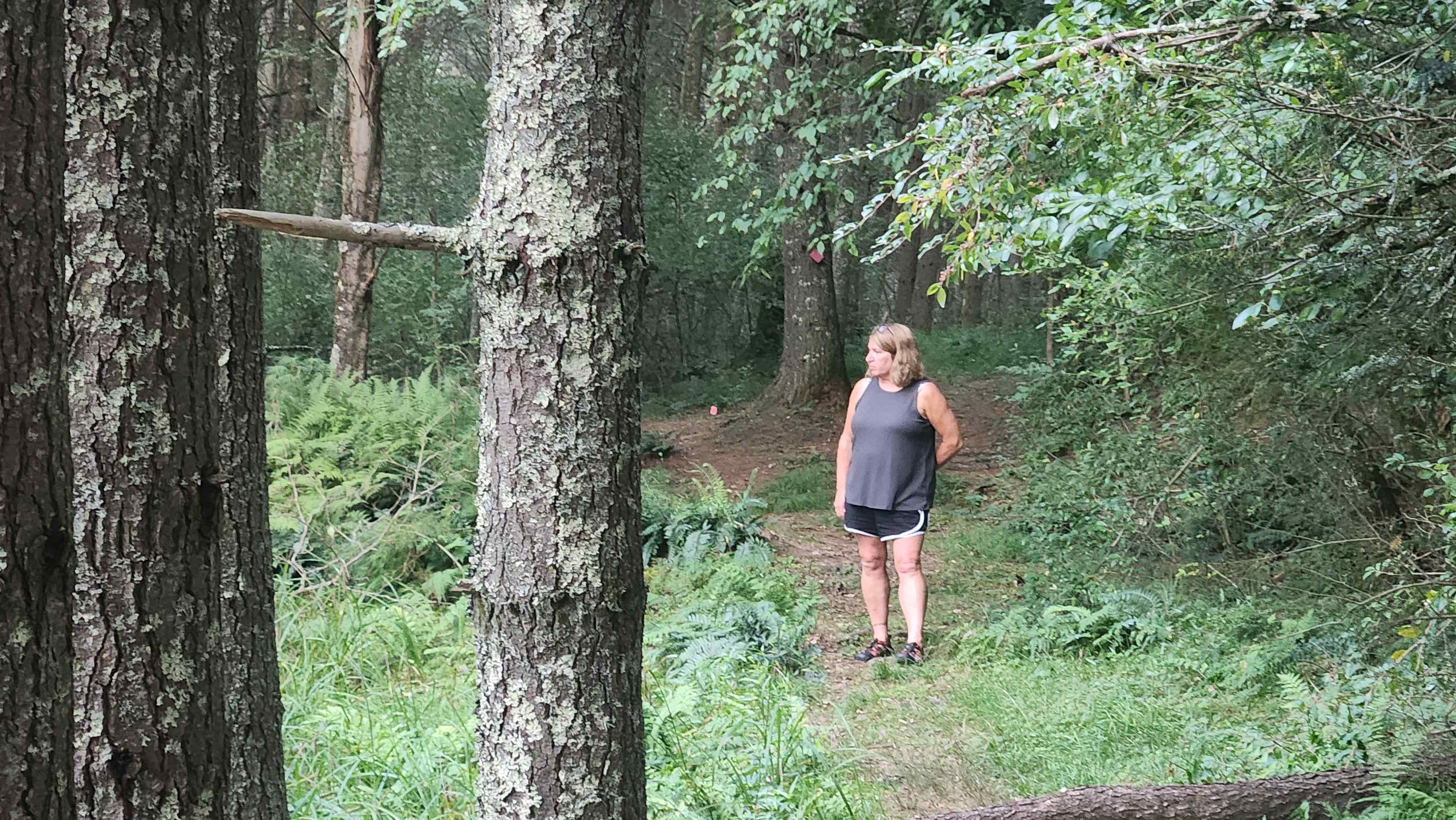
Although Mammoth Cave is best known for what lies beneath the surface, the landscape above ground is well worth exploring. The park includes more than 80 miles of surface trails, ranging from short walks near the visitor center to longer routes through forests, ridges, sinkholes, river valleys, and backcountry areas.
Shorter trails near the visitor center are a good choice for visitors who want to stretch their legs before or after a cave tour. Longer routes provide a deeper sense of the park's natural setting and help connect the cave system to the landscape above it. The Mammoth Cave Railroad Bike and Hike Trail is another good option for travelers interested in both history and outdoor recreation.
Hiking conditions vary by season. Spring can bring wildflowers and muddy trails, summer can be warm and humid above ground, fall brings cooler temperatures and colorful foliage, and winter offers quieter trails with fewer visitors. As with any national park visit, weather-aware planning, good footwear, water, and a simple daypack can make the experience more enjoyable.

The Green River: A Quieter Side of the Park
The Green River is one of the most rewarding parts of Mammoth Cave National Park, especially for travelers who want to experience more than the cave itself. The river helped shape the landscape over time and remains an important part of the park's ecology, scenery, and recreation.
Visitors may enjoy fishing, canoeing, kayaking, wildlife viewing, and scenic river overlooks depending on season, water levels, and current park conditions. The Green River Ferry is also a memorable feature of the park experience when operating, offering a simple but distinctive way to cross the river and access areas on the north side of the park.
For campervan travelers, the river adds another layer to the trip. A day can begin with a cave tour, continue with a quiet drive or hike near the river, and end at camp with time to relax. That variety is what makes Mammoth Cave such a strong multi-day destination.
Wildlife, Bats, and Conservation
Mammoth Cave National Park is not only a geological destination. It is also an important habitat for plants, wildlife, cave-adapted species, and several bat species. Bats have long been associated with cave environments, and Mammoth Cave plays a role in broader conservation efforts involving cave ecosystems and bat populations.
Visitors may see wildlife above ground, including deer, birds, reptiles, amphibians, and a variety of small mammals. Birdwatching can be rewarding throughout the year, especially along forest edges, river corridors, and quieter trails.
When visiting cave environments, it is important to follow all park rules designed to protect fragile underground ecosystems. Staying on designated routes, following ranger instructions, and respecting decontamination procedures when required all help protect the cave for future generations.
When to Visit Mammoth Cave National Park
Mammoth Cave National Park is open year-round, but the experience changes with the seasons. Summer is the busiest time, with family travel, full campgrounds, and high demand for cave tours. Spring brings fresh greenery and wildflowers, though rain and muddy trails are possible. Fall is one of the most comfortable times to visit, with cooler weather and changing leaves. Winter is quieter and can be a good time for travelers who prefer smaller crowds, though tour schedules and campground availability may be more limited.
Because the cave stays cool year-round while the surface can be hot, cold, rainy, or humid, layers are useful in every season. A summer visit may require both warm-weather hiking clothes and a jacket for the cave. A winter visit may feel warmer underground than outside, but you will still want appropriate clothing for trails and camp.
Practical Tips Before You Go
- Reserve cave tours early: Popular tours can sell out, especially during peak travel seasons.
- Bring a light jacket: The cave averages about 54 degrees Fahrenheit year-round.
- Wear good shoes: Cave tours and surface trails may include stairs, uneven ground, damp areas, and elevation changes.
- Check campground details: Campground rules, availability, access, and restrictions can vary by location and season.
- Plan for limited service: Cell coverage may be limited in portions of the park.
- Allow extra time: The park is best enjoyed at a slower pace, especially if you want to explore both the cave and the surface trails.
Suggested Multi-Day Campervan Itinerary
Day One: Arrive and Get Oriented
Start at the visitor center, review current tour options, walk to the Historic Entrance, and settle into camp. If time allows, choose a shorter cave tour or take an easy surface walk near the visitor center.
Day Two: Cave Tour and Surface Trails
Take one of the park's signature guided cave tours in the morning, then spend the afternoon hiking above ground. A trail near the visitor center or a section of the Mammoth Cave Railroad Bike and Hike Trail can provide a good contrast to the underground experience.
Day Three: Green River and Scenic Exploring
Spend time near the Green River, check whether the ferry is operating, enjoy a scenic drive, or consider paddling opportunities if conditions and planning allow. This is also a good day to explore quieter parts of the park or take a second cave tour if available.
Optional Add-On: Bowling Green and Nearby Kentucky Stops
Mammoth Cave is close enough to Bowling Green to add the National Corvette Museum, Lost River Cave, or other regional stops to your trip. This can turn a national park visit into a broader south-central Kentucky road trip.
Photography and Scenic Moments
Mammoth Cave is not always the easiest national park to photograph underground, but it offers many memorable scenes above ground. The Historic Entrance, visitor center area, Green River, forest trails, ferry crossings, campgrounds, and fall foliage all provide strong photo opportunities.
Morning and evening light can be especially nice along the river and in the forest. Inside the cave, low light conditions can be challenging, so visitors should follow tour rules, avoid flash where prohibited, and focus on enjoying the experience rather than trying to capture every moment.
Why Mammoth Cave Works So Well by Mini-T Campervan
Mammoth Cave National Park is one of those destinations that rewards time. While it is possible to stop for a single cave tour and continue down the road, the park becomes much more memorable when you stay long enough to explore both the underground world and the landscape above it.
A compact campervan makes that kind of visit easier. The Mini-T Campervan can serve as transportation, camping setup, and a comfortable place to rest between activities. Its size makes it practical for national park roads, parking areas, campground loops, and nearby communities, while still giving travelers the flexibility to camp close to the places they want to explore.
Instead of rushing through Mammoth Cave as a one-stop attraction, campervan travel encourages a slower and more complete experience: a cave tour in the morning, a forest hike in the afternoon, a quiet river stop before evening, and a comfortable night at camp.
A Memorable National Park Stop in Kentucky
Mammoth Cave National Park stands out because it offers two very different worlds in one destination. Below ground, it protects the longest known cave system on earth. Above ground, it offers forests, rivers, trails, wildlife, campgrounds, and the quiet beauty of south-central Kentucky.
For travelers who enjoy natural history, scenic road trips, camping, and national parks that feel different from the familiar mountain-and-overlook experience, Mammoth Cave is well worth the visit. With a Mini-T Campervan as your basecamp, it becomes easier to explore the park at a relaxed pace and discover why this Kentucky landmark continues to fascinate visitors from around the world.
Happy Camping!
DLM-Distribution / Campervans is a licensed manufacturer and dealer located in Lake Crystal, Minnesota, serving clients around the country.
Contact Dave: 651-285-7089 or Candy: 507-382-9446 today!