There are places where the landscape seems to change every few miles. Glacier National Park is one of them.
A morning can begin beside a still mountain lake, continue through cedar forest, climb past waterfalls and sheer cliffs, cross the Continental Divide among alpine meadows, and end beneath an entirely different range of mountains on the other side of the park.
Located in northwestern Montana along the Canadian border, Glacier National Park protects more than one million acres of mountains, forests, lakes, alpine meadows, wildlife habitat, and wilderness. Known as part of the Crown of the Continent, it is one of the defining destinations of a Montana road trip—and one of those rare national parks where simply driving through the landscape can become an adventure of its own.

Going-to-the-Sun Road: The Journey Through Glacier
If one road could represent Glacier National Park, it would be Going-to-the-Sun Road.
The approximately 50-mile route crosses the park between the West Glacier and St. Mary areas, climbing from forested valleys toward the Continental Divide at Logan Pass before descending through a dramatically different landscape on the eastern side.
It is not a road to hurry.
Lake McDonald, Trail of the Cedars, Avalanche Creek, The Loop, Bird Woman Falls, the Weeping Wall, Logan Pass, Jackson Glacier Overlook, St. Mary Lake, Sun Point, and Wild Goose Island are among the places that can turn the drive into most of a day.
But the named stops tell only part of the story. Much of the experience comes through the windshield: waterfalls dropping from cliffs, enormous valleys opening below the road, snow lingering high above the tree line, mountain goats appearing on distant slopes, and weather changing the mountains from one hour to the next.
Going-to-the-Sun Road is seasonal. Snow can keep the alpine portion closed well into the warmer months, and opening dates vary from year to year. Vehicle-size restrictions apply on portions of the road, and access procedures, construction, shuttle operations, and reservation requirements can change. Travelers should check current National Park Service information shortly before visiting rather than relying on plans made months earlier.
Lake McDonald: A Quiet Beginning on the West Side
For travelers entering from West Glacier, Lake McDonald often provides the first real sense of the scale of the park.
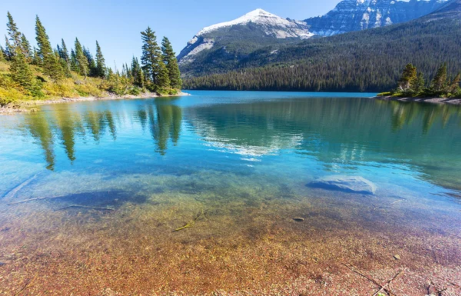
It is Glacier’s largest lake, stretching beneath forested mountains whose reflections can appear almost perfectly on calm mornings. Along portions of the shoreline, clear water reveals the colorful stones for which the lake has become famous.
Lake McDonald is beautiful at almost any time of day, but mornings and evenings can be particularly memorable. Wind settles, the water becomes quieter, and changing light moves across the surrounding mountains.
It is also a good reminder not to rush toward the high country. Logan Pass may be waiting farther up the road, but some of Glacier’s best moments happen at lower elevations when the day is still quiet.
Trail of the Cedars and Avalanche Lake
As Going-to-the-Sun Road continues east, the landscape leads into one of the park’s most accessible forest experiences.
Trail of the Cedars passes through a lush forest near Avalanche Creek, with sections of boardwalk making part of the route accessible to a wide range of visitors. The environment feels almost surprising in a park best known for exposed mountains and alpine terrain.
For those wanting to continue farther, the trail toward Avalanche Lake follows Avalanche Creek before reaching a mountain basin surrounded by steep cliffs and waterfalls.
It is a good example of Glacier’s variety. A traveler can move from lakeshore to dense forest to a glacier-carved mountain basin without ever leaving the western side of the park.
Logan Pass: Where the Road Reaches the Continental Divide
At 6,646 feet, Logan Pass is the highest point on Going-to-the-Sun Road and one of the most sought-after destinations in Glacier.
The landscape has changed completely by the time you arrive. Forest gives way to alpine meadows, exposed rock, lingering snowfields, wildflowers, and broad views across the surrounding peaks.
Mountain goats and bighorn sheep are frequently seen in the high country, although wildlife sightings are never guaranteed.
Hidden Lake Overlook begins near the Logan Pass Visitor Center and provides one of the park’s classic introductions to alpine hiking. The route climbs through open terrain toward expansive mountain views, with the conditions underfoot changing considerably depending on the season and remaining snow.
Logan Pass is also extremely popular. Parking can fill early during peak season, making the park shuttle an important option when operating. Flexibility and patience are useful here. The mountains are not diminished because you had to wait a little while to see them.
Descending Toward St. Mary
Crossing Logan Pass does more than put you on the other side of the Continental Divide. It changes the character of the trip.
The eastern side of Glacier often feels broader and more exposed. Forests give way to sweeping views where mountains rise abruptly beyond open valleys and prairie.
Along the descent, Jackson Glacier Overlook provides one of the easier opportunities to see a glacier from the road. Farther east, St. Mary Lake stretches beneath steep mountain walls, with Wild Goose Island creating one of Glacier’s most recognizable views.
Sun Point and nearby trails provide additional opportunities to get out of the vehicle and experience the landscape at a slower pace.
The contrast between Lake McDonald in the west and St. Mary Lake in the east is part of what makes driving across Glacier so rewarding. You have crossed one national park, but it can feel as though you have traveled through several different landscapes.
Many Glacier: Where the Road Leads Deeper into the Mountains
Going-to-the-Sun Road may be Glacier’s famous drive, but it should not become the boundary of the trip.
The Many Glacier area on the park’s east side reaches into a landscape of steep peaks, alpine lakes, waterfalls, historic lodging, and some of Glacier’s most celebrated hiking country.
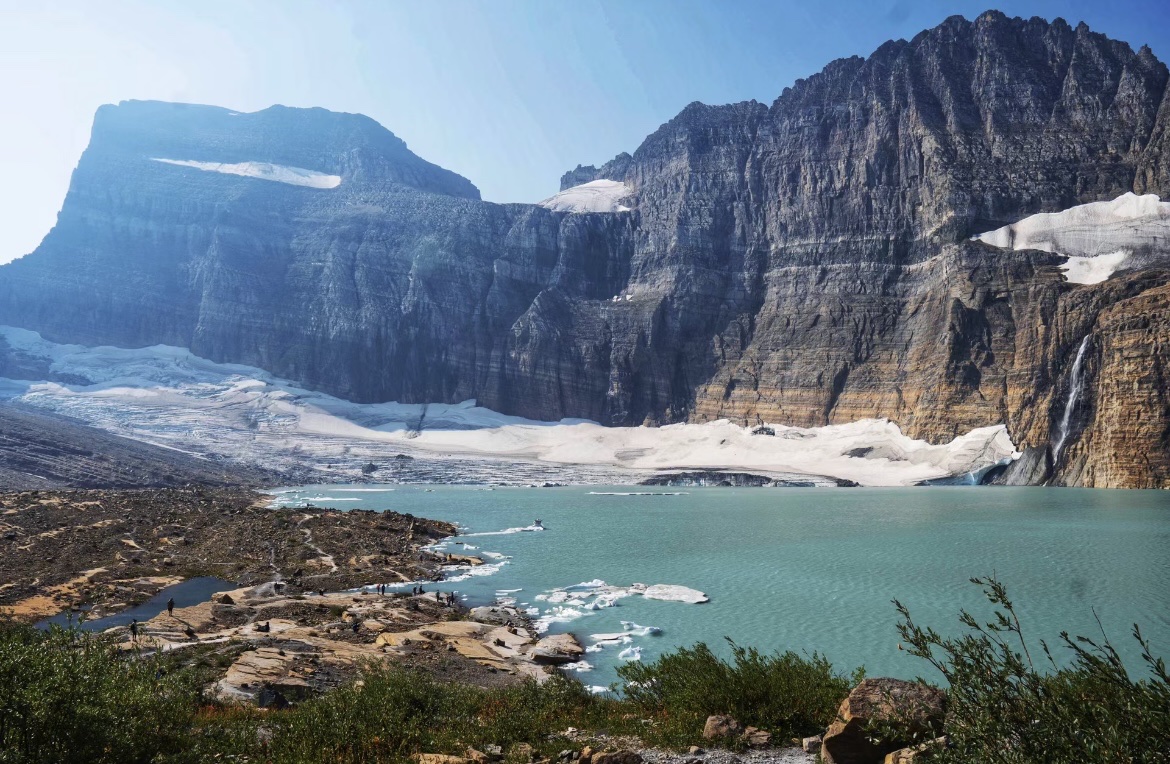
This is where travelers come for places such as Grinnell Glacier, Iceberg Lake, and Swiftcurrent Lake. It is also excellent wildlife habitat, making bear awareness especially important.
Many Glacier deserves time rather than being treated as a quick side trip. For hikers, it can easily become one of the most memorable parts of the entire park.
Two Medicine: Another Side of Glacier
In the southeastern portion of the park, Two Medicine offers another perspective.
The setting combines a mountain lake, waterfalls, hiking trails, and dramatic peaks with an atmosphere that can feel removed from the traffic and intensity surrounding Glacier’s most famous corridor.
For travelers spending several days in the park, Two Medicine is a reminder of just how large Glacier really is. Going-to-the-Sun Road may provide the celebrated crossing, but the park extends far beyond it.
A good Glacier itinerary leaves enough time to discover some of these places rather than simply driving the main road and continuing onward.
More Than 700 Miles of Trails
Glacier National Park contains more than 700 miles of hiking trails, ranging from short walks to demanding routes through exposed alpine terrain.
Trail of the Cedars provides a relatively easy introduction to Glacier’s western forest. Avalanche Lake extends that experience into a dramatic mountain basin. Hidden Lake Overlook brings hikers into the alpine environment at Logan Pass.
For more ambitious hikers, the Highline Trail follows spectacular terrain along the Garden Wall, while Grinnell Glacier leads through lakes, mountain scenery, and wildlife habitat toward one of the park’s iconic glacier landscapes. Iceberg Lake enters a high mountain basin where ice can linger in the water well into the warmer season.
The important thing is to match the hike to the conditions as well as your ability. Snow can remain on high trails long after lower elevations feel like summer. Weather can change rapidly, wildlife can affect trail access, and temporary closures are part of visiting a wild mountain park.
Check current trail conditions before leaving, carry adequate water, dress for changing weather, and understand current bear-safety recommendations.
Wildlife Is Part of the Landscape
Glacier is one of the great wildlife environments of the northern Rocky Mountains.
Mountain goats and bighorn sheep inhabit the high country. Moose may appear around wetlands and lakes. Elk and deer move through valleys and forests. Marmots and pikas occupy rocky alpine terrain, while eagles and other birds can be seen overhead.
And Glacier is bear country.
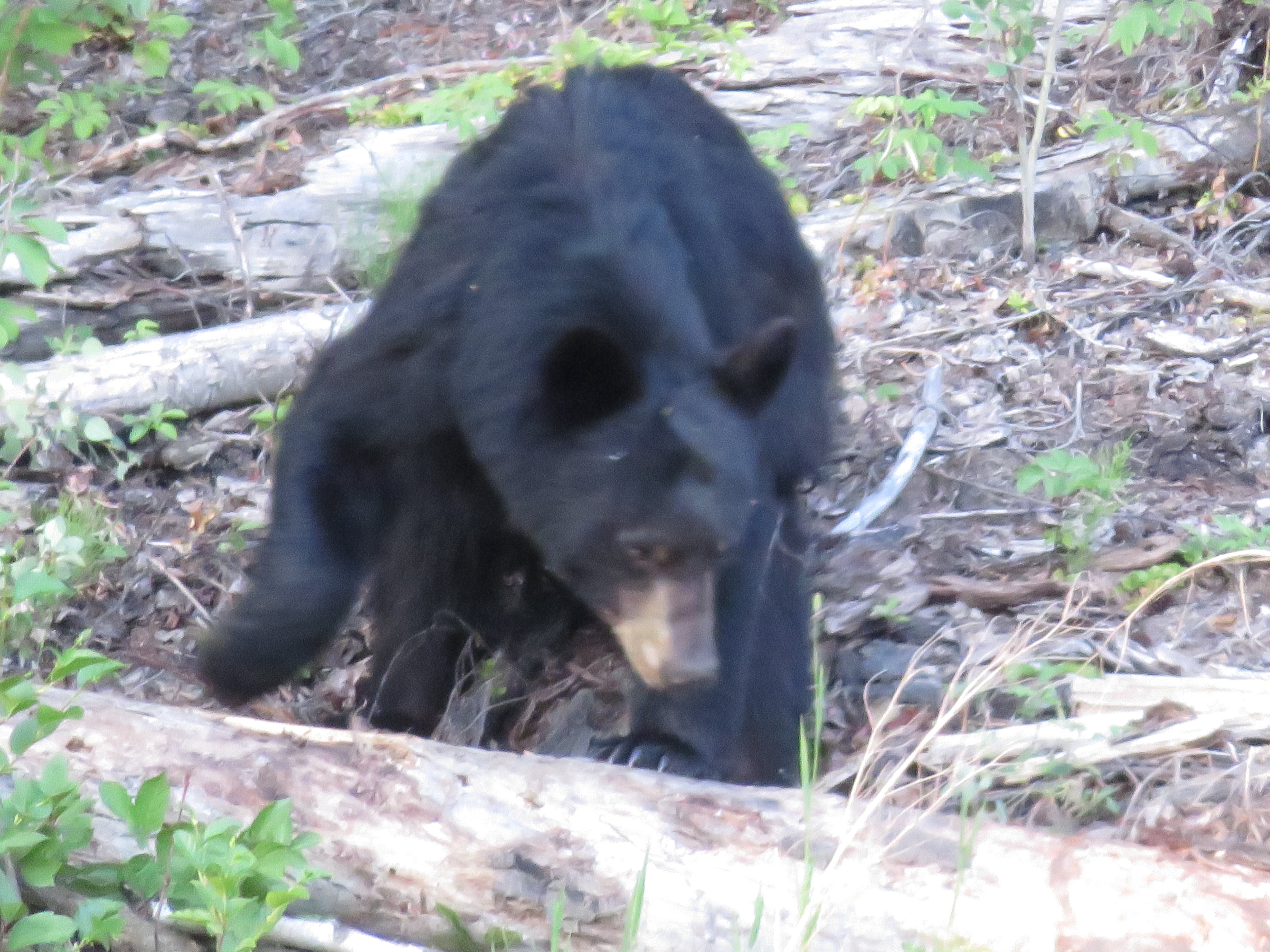
Both black bears and grizzly bears live within the park. Seeing one can become an unforgettable part of a visit, but the goal should always be to observe wildlife without changing its behavior.
Never approach or feed wildlife. Give animals substantial room, follow National Park Service distance requirements, use binoculars or a telephoto lens for closer views, and know current food-storage and bear-safety requirements.
Wildlife sightings are never guaranteed, and that is part of their value. These are not animals placed beside a road for visitors. They are living in the same landscape you have come to experience.
Water Is Everywhere in Glacier
The mountains may dominate the skyline, but water shapes much of what visitors remember about Glacier.
Lake McDonald, St. Mary Lake, Swiftcurrent Lake, Two Medicine Lake, Bowman Lake, Kintla Lake, Avalanche Lake, Hidden Lake, and countless smaller bodies of water reflect the mountains around them and create entirely different moods depending on wind, clouds, and time of day.
Waterfalls become particularly dramatic as snowmelt pours from the high country. Cascades appear along cliffs and mountainsides, streams run fast through the valleys, and places that may be relatively quiet later in the season can feel alive with moving water during early summer.
Some of Glacier’s best moments require no trail at all. A quiet shoreline in the morning or an unexpected waterfall beside the road can be as memorable as a destination that required hours of hiking.
Camping Changes the Experience
Staying in or near Glacier allows the rhythm of the park to become part of the trip.
The experience is different early in the morning before the busiest part of the day begins, and different again when evening light reaches the mountains and day visitors begin heading elsewhere.
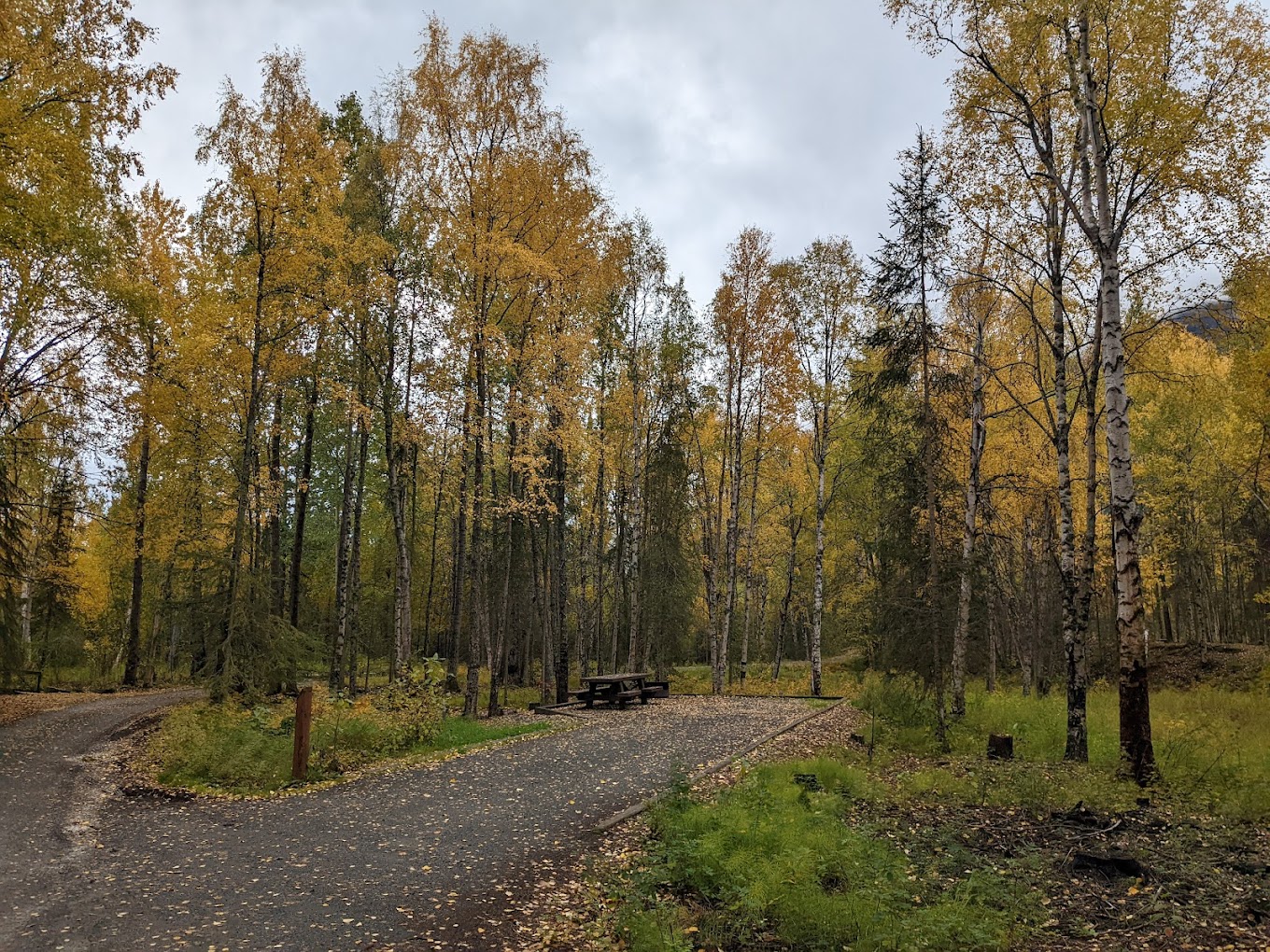
Campground areas within Glacier have historically included Apgar, Fish Creek, Sprague Creek, Avalanche, Rising Sun, St. Mary, Many Glacier, and Two Medicine, but operating status, opening dates, reservation procedures, and services can change from season to season.
Glacier is extremely popular, so campground planning deserves attention well before arrival. At the same time, travelers should recheck conditions as the trip approaches because weather, construction, wildlife activity, and seasonal operations can change.

Travelers with pets should also review current park rules carefully. National parks commonly restrict pets on hiking trails and in backcountry areas, so traveling with a dog requires planning activities and stops accordingly.
The Best Photograph May Be the One You Did Not Plan
Glacier is understandably a destination for photographers, but the park has a way of making almost everyone pay closer attention to light.
Morning reflections can turn Lake McDonald into a mirror. Clouds can race across Logan Pass. Evening light can illuminate the mountains above St. Mary Lake while the valley below has already moved into shadow.
Wildflowers brighten alpine meadows during the warmer months, while fall brings quieter roads and changing color to lower elevations. On clear nights away from artificial light, the sky can become another part of the landscape.
It is worth photographing the famous views. It is equally worthwhile to leave enough time for the photograph you did not know you were going to take.
When Should You Visit Glacier?
There is no single season that provides access to everything Glacier offers.
Summer provides the greatest likelihood of access to Going-to-the-Sun Road’s alpine section, higher hiking trails, campgrounds, visitor services, and other seasonal facilities. It is also the busiest period.
Late spring and early summer can bring snow-covered peaks, powerful waterfalls, and dramatic runoff. At higher elevations, however, winter may still effectively be underway even when the valleys are green.
Fall can bring cooler temperatures, changing foliage, active wildlife, and fewer visitors, but services begin closing and weather can become increasingly unpredictable as the season advances.
Winter transforms Glacier completely. Much of the park becomes inaccessible by ordinary vehicle, but snowshoeing, cross-country skiing, winter scenery, and remarkable solitude reward visitors prepared for the conditions.
Rather than choosing a season based only on crowds or temperature, decide what you most want to experience and then determine when that part of Glacier is realistically accessible.
Glacier Is Bigger Than Going-to-the-Sun Road
One of the easiest mistakes on a first visit is thinking of Glacier as a single road through the mountains.
Going-to-the-Sun Road deserves its reputation, but Many Glacier, Two Medicine, the North Fork, Bowman Lake, the east side, the west side, and hundreds of miles of trail reveal a park that cannot really be understood in a single crossing.
Even the Canadian border is part of a larger story. Glacier and Canada’s Waterton Lakes National Park together form the Waterton-Glacier International Peace Park, established in 1932 as the world’s first international peace park.
A longer visit provides room for weather delays, hiking days, wildlife sightings, quiet mornings, and the simple pleasure of returning to a favorite lake when the light is completely different.
Glacier as Part of a Montana Road Trip
Eventually the road leads beyond the park, but the scenery does not suddenly stop at Glacier’s boundary.
Flathead Lake lies to the south. Farther on are Missoula and the Bitterroot Valley, while longer Montana journeys can eventually connect with Big Sky, Yellowstone’s northern and western gateways, the Beartooth Highway, and countless smaller mountain towns and scenic roads.
This is one reason Glacier works so well as part of a larger Montana road trip. The park can be the centerpiece without having to be the entire journey.
Why a Smaller Campervan Fits Glacier Travel
Glacier rewards mobility.
A typical day may involve a campground, scenic road, visitor center, trailhead, picnic area, restaurant outside the park, grocery stop, and several roadside viewpoints. A vehicle that is easy to drive and park can make moving among those places considerably simpler.
A smaller campervan also allows the camping vehicle and sightseeing vehicle to remain one and the same.
The Mini-T Campervan fits naturally into that style of travel. Depending on the model, it provides sleeping accommodations for two, refrigeration, microwave cooking, roof ventilation, solar-supported electrical capability, 120V off-grid power, shore-power capability, privacy, and travel storage while remaining manageable for everyday driving.
The point is not that a campervan makes Glacier better. Glacier needs no help with that.
It simply allows the vehicle to stay in the background while the mountains, trails, lakes, wildlife, and road ahead remain the reason for being there.

Some Places Stay With You
It may be the first view across Lake McDonald. The moment Going-to-the-Sun Road climbs above the valley. A mountain goat standing against the skyline. The sound of a waterfall after snowmelt. An evening beside St. Mary Lake. Or the realization at Logan Pass that the road you have been following has carried you across the Continental Divide.
Everyone seems to leave Glacier with a different memory.
That may be what makes the park so difficult to summarize. Glacier National Park is not one lake, one hike, one road, or one mountain view. It is the accumulation of all of them—and of the unexpected moments that happen in between.
Give it time. Drive slowly. Get out of the vehicle. Walk when you can. Watch the weather move across the mountains. Leave enough room in the itinerary for something you did not plan.
There is a good chance that will be the part of Glacier you remember longest.
Happy Camping!
DLM-Distribution / Campervans is a licensed manufacturer and dealer located in Lake Crystal, Minnesota, serving clients around the country.
Contact Dave: 651-285-7089 or Candy: 507-382-9446 today!