
NEWS
In recent years, many adventure seekers have found solace in the practice of immersing themselves into the heart of nature, unearthing the serene beauty that lies in the less trodden paths. Camping in one's Mini-T Campervan in national forests and Bureau of Land Management (BLM) lands, as opposed to state and national parks, can provide a truly unique experience. These 'gem' campgrounds indeed seem more natural than their well-known counterparts, frequently offering more availability and cost-effectiveness, yet no compromise on the abundant richness of the environment.
1. Cost-Effective Camping
National forests and BLM lands often offer inexpensive, or even free, camping opportunities. In contrast, state and national parks generally have a higher fee for camping spots, given their popularity and facilities. Camping in your Mini-T Campervan at these lesser-known locations can save you money, allowing for a longer trip or the option to spend more on other experiences during your adventure.
2. Increased Availability
Popular state and national parks can get crowded, especially during peak season. Reserving a camping spot can be a challenge due to high demand. On the other hand, national forests and BLM lands are generally less populated, thus providing increased availability. This can also offer an edge of spontaneity to your travel plans, as it can be easier to find a spot on short notice.
3. Natural and Untouched Beauty
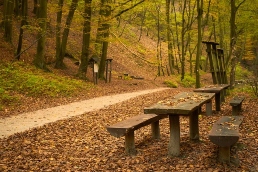
While state and national parks are typically well-maintained and offer their own charm, there's an unmatched appeal to the raw and untouched beauty that national forests and BLM lands bring. Here, you'll find yourself surrounded by sprawling landscapes, dense forests, sparkling lakes, and starlit skies, offering a sense of tranquility hard to find in crowded parks.
4. Off-the-Grid Experience
If you're looking for a camping experience that truly allows you to disconnect from the modern world, these locations are an ideal choice. With fewer amenities than their park counterparts, camping in national forests and BLM lands encourages self-sufficiency. This not only brings an authentic camping experience but also helps campers hone their survival skills.
5. Greater Privacy
Due to the low visitor numbers, camping in these lesser-known locations often means more privacy. If you prefer solitude or enjoy the silence that amplifies the sounds of nature, these campgrounds are your go-to destinations. Here, you can enjoy your morning coffee with the sunrise, unhindered by the noise of bustling campgrounds.
6. Limitless Exploration
Finally, with less strict rules than those found in state and national parks, national forests and BLM lands offer more freedom for exploration. This could include activities like off-roading, hiking off-trail, or bringing along your pets.
7. Supporting Conservation Efforts
By choosing to camp on BLM lands or national forests, you're indirectly contributing to the preservation and conservation of these spaces. Fees gathered from these lands often go towards maintaining and protecting them for future generations to enjoy.
Camping in your Mini-T Campervan in national forests and BLM lands can indeed be a truly enriching experience. The untouched natural beauty, solitude, and cost-effectiveness of these destinations make them a compelling alternative to traditional state and national park camping. However, it's crucial to remember the ethos of 'Leave No Trace' when camping in these areas to preserve their natural integrity. So, pack your bags, load your Mini-T Campervan, and venture into the lesser-explored territories for an unforgettable camping experience.
Happy Camping!
DLM-Distribution / Campervans is a licensed manufacturer and dealer located in Lake Crystal, Minnesota, serving clients around the country.
Contact Dave: 651-285-7089 or Candy: 507-382-9446 today!