
Can You Own an RV in a Condominium? How a Garageable Campervan Makes It Possible
Condominium living and RV travel can be an excellent combination. A condominium may offer a convenient location, less exterior maintenance, and the freedom to leave home for an extended trip without managing a large property. For people who enjoy traveling, those advantages can make it easier to spend more time exploring the country. Yet there is one practical question that often stands between condominium ownership and the dream of having a motorhome: where will the RV be parked when the trip is over?
Many condominium communities have assigned parking spaces, shared garages, underground parking, or rules that limit the types of vehicles residents may keep on the property. A conventional motorhome may be too tall for the garage, too long for an assigned space, or prohibited from outdoor parking. Those restrictions can make owning a large RV inconvenient or require a separate storage arrangement. A garageable campervan offers another possibility: enjoying the accommodations of a motorhome in a vehicle designed to fit into many ordinary residential parking environments.
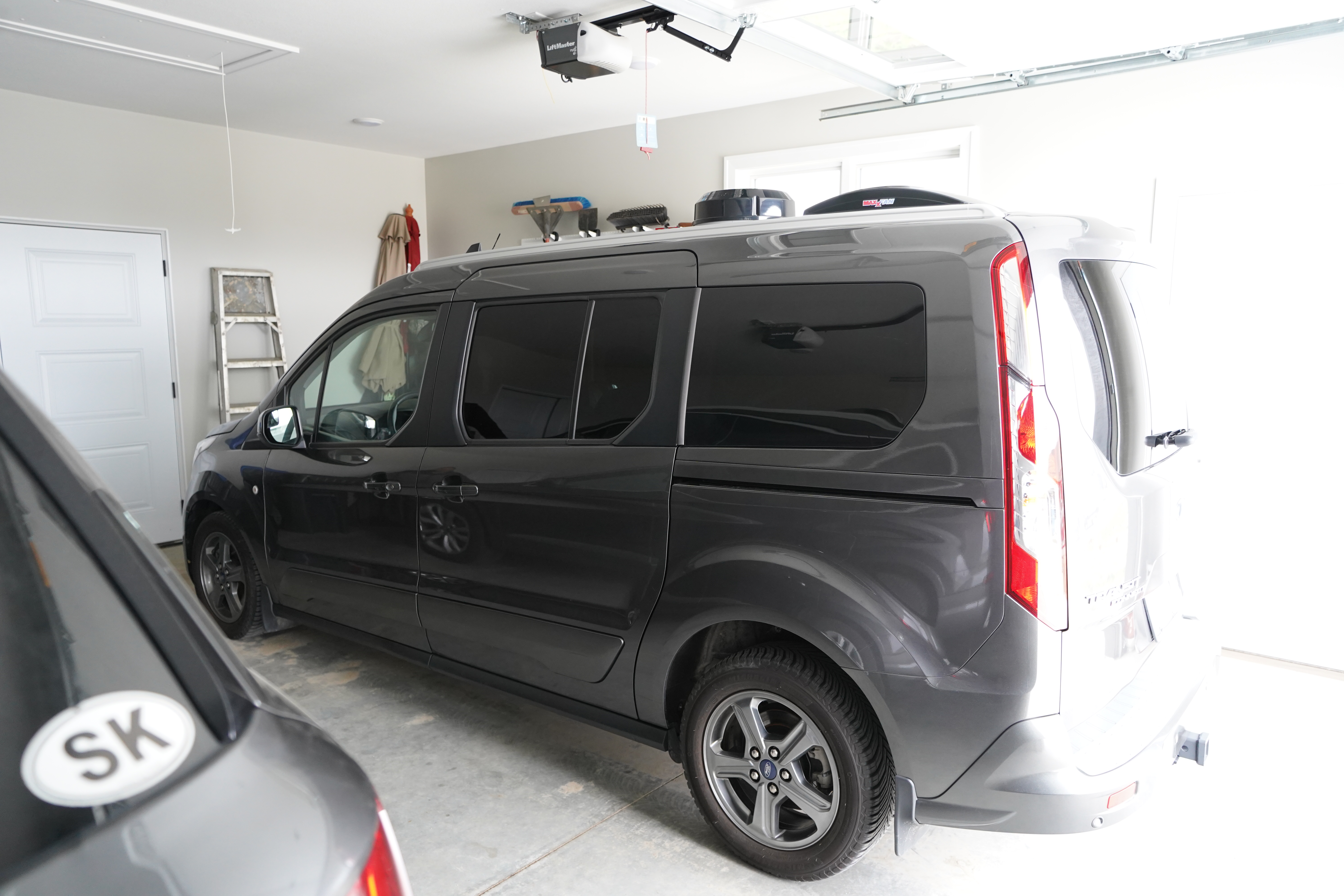
Why Parking Is Such an Important Part of RV Ownership
Condominium parking areas are generally designed around passenger vehicles, not large recreational vehicles. A full-size motorhome may extend beyond a marked space, exceed a garage entrance height, or be difficult to maneuver through a shared parking area. Travel trailers and boats present additional challenges because they require separate storage and may occupy more than one space. Associations may also have rules addressing vehicle appearance, permitted vehicle types, or how long a vehicle can remain parked in a particular location.
These are not minor considerations for someone planning to purchase an RV. A motorhome that cannot be stored at home may require a rented storage space, transportation to and from that facility, and additional preparation before every trip. For a condominium resident who chose this style of housing partly for convenience, those arrangements can work against the very lifestyle they want to enjoy. The ability to keep a campervan in an assigned garage or permitted parking space can make a meaningful difference in how practical RV ownership becomes.
The Real Advantage of a Garageable Motorhome
A garageable campervan changes the storage equation. Instead of requiring a dedicated RV parking area, it is designed around dimensions that allow it to fit in a standard residential garage. The Mini-T Campervan, manufactured by DLM-Distribution, is an example of this approach. Its garage-friendly height and manageable vehicle footprint make it possible for many owners to keep their motorhome where they live rather than at a separate storage facility.
That advantage is especially relevant to condominiums with private garages or assigned indoor parking. A suitable garage can provide convenient access to the campervan while sheltering it from direct exposure to the weather. Owners can check supplies, prepare for a trip, and return home without making an additional journey to retrieve or store the RV. For someone who enjoys frequent weekend getaways or extended road trips, keeping the vehicle close at hand can make travel considerably easier.
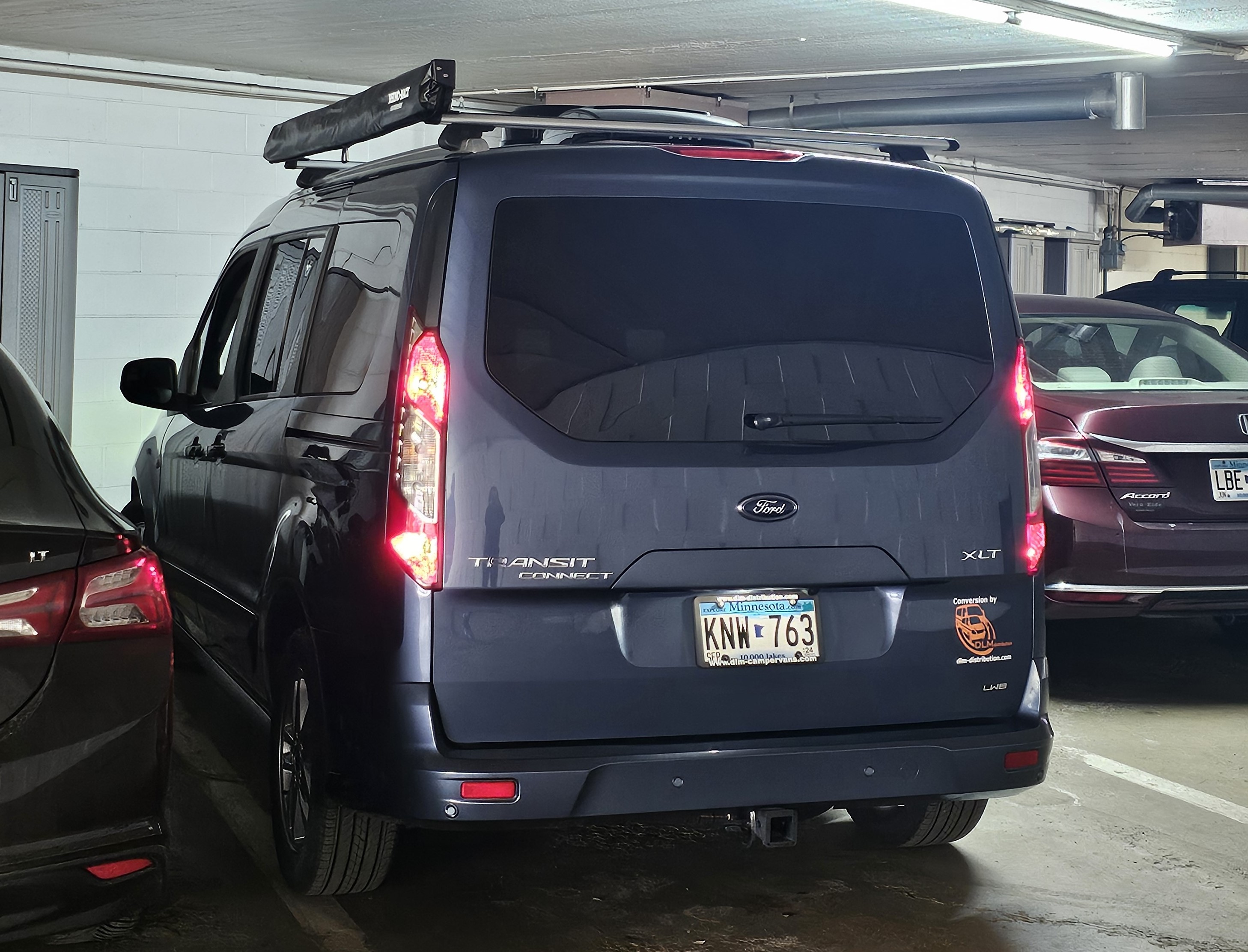
Garageability is a major advantage, but the details of an individual property still matter. Condominium owners should measure the actual garage entrance and parking space, check for overhead pipes, signs, sprinkler equipment, or other obstructions, and confirm the campervan’s full height with its installed roof equipment. They should also review their association’s governing documents to determine whether a campervan is permitted in the assigned space. A vehicle that physically fits is not automatically exempt from a rule restricting recreational vehicles.
What Off-Site RV Storage Adds to Ownership
When an RV cannot be kept at home, storage becomes another ongoing responsibility. Depending on the location and type of facility, owners may pay for outdoor parking, covered storage, or enclosed storage. Those costs continue whether the RV is being used frequently or sitting idle. There may also be limits on facility access, and preparing for a trip can involve retrieving the vehicle, bringing it home to load, and returning it after the journey.
None of those arrangements makes RV travel impossible, but they do add time, expense, and planning. A campervan that can be stored in a permitted space at home can eliminate the need for a separate storage rental. Just as importantly, it allows owners to prepare for travel on their own schedule. Groceries can be loaded the evening before departure, camping supplies can be checked at home, and a free weekend can become an opportunity to travel without first coordinating a visit to a storage facility.
One Vehicle for Everyday Transportation and RV Travel
Another advantage of the Mini-T is that it is designed to be useful between camping trips. Its passenger-vehicle footprint makes it practical for ordinary driving, including shopping, appointments, and visits with friends. For condominium residents who have limited parking or prefer not to own an additional vehicle, the ability to combine everyday transportation and motorhome accommodations can be particularly valuable.
That same versatility continues during a road trip. Once you reach a campground, the campervan remains your transportation for visiting nearby towns, exploring scenic roads, or stopping for groceries. There is no need to tow a separate car simply to get around after arriving. The Mini-T offers the freedom to travel with your accommodations aboard while retaining the convenience of a vehicle that is easy to drive and park in ordinary settings.
Real Camping Accommodations in a Garage-Friendly Vehicle
The Mini-T’s smaller exterior dimensions do not mean giving up the essential features of a motorhome. Mini-T Campervans provide sleeping accommodations for two, a refrigerator, microwave, sink, storage, and an integrated electrical system designed for travel and camping. House batteries, solar charging, charging while driving, and shore power provide multiple ways to support electrical needs, including off-grid 120V power without a generator.
These features make the campervan suitable for weekend camping, visits to state and national parks, and longer journeys. You can prepare a simple meal, keep food refrigerated, and enjoy your own sleeping accommodations while traveling. The design emphasizes useful equipment and everyday practicality rather than the size and storage requirements of a conventional motorhome.
What Condominium Owners Should Check Before Buying
Before purchasing any campervan, begin with the parking arrangement at your condominium. Confirm the dimensions of your assigned space and the lowest clearance along the entire route into the garage, not just the height posted at the entrance. Check whether your space is long and wide enough for the vehicle and whether there is room to open the doors and access the campervan comfortably.
Next, review the association’s parking rules. Some communities regulate vehicles by size, while others have separate restrictions on recreational vehicles regardless of their dimensions. If the rules are unclear, obtain clarification from the association or property manager before purchasing. It is also worth confirming whether your parking arrangement allows routine loading and unloading and whether any garage rules affect vehicle access.
These checks help establish whether a particular Mini-T and a particular condominium are a suitable match. The important point is that a garageable campervan gives condominium residents an option that many larger motorhomes simply cannot provide.
Condominium Living and the Freedom to Travel
For many people, the appeal of condominium living is having fewer responsibilities at home and more freedom to enjoy life elsewhere. A garageable motorhome can complement that goal. Instead of maintaining a large RV in a separate storage facility, owners may be able to keep their travel vehicle in a permitted parking space, ready for a weekend away or a longer journey.
The Mini-T Campervan brings together the advantages of residential-garage storage, everyday drivability, and genuine camping accommodations. It offers condominium residents a practical way to enjoy RV travel without automatically taking on the parking and storage demands of a larger motorhome.
Condominium ownership does not have to mean setting aside the idea of exploring the country in your own RV. With the right vehicle, a suitable parking space, and confirmation of the community’s rules, the convenience of condo living and the freedom of campervan travel can work together remarkably well.
Happy Travels & Happy Camping!
DLM-Distribution / Campervans is a licensed manufacturer and dealer located in Lake Crystal, Minnesota, serving clients around the country.
Contact Dave: 651-285-7089 or Candy: 507-382-9446 today!