
NEWS
Homeowners Associations (HOAs) play an important role in maintaining neighborhood appearance, safety, and long-term property values. One of the most common HOA rules involves restrictions on parking or storing large recreational vehicles—such as motorhomes, trailers, boats, or campers—on driveways or streets. While these rules can feel limiting at first, they exist for clear and practical reasons and often lead homeowners to smarter, more efficient alternatives.
Why HOAs Restrict RV Parking
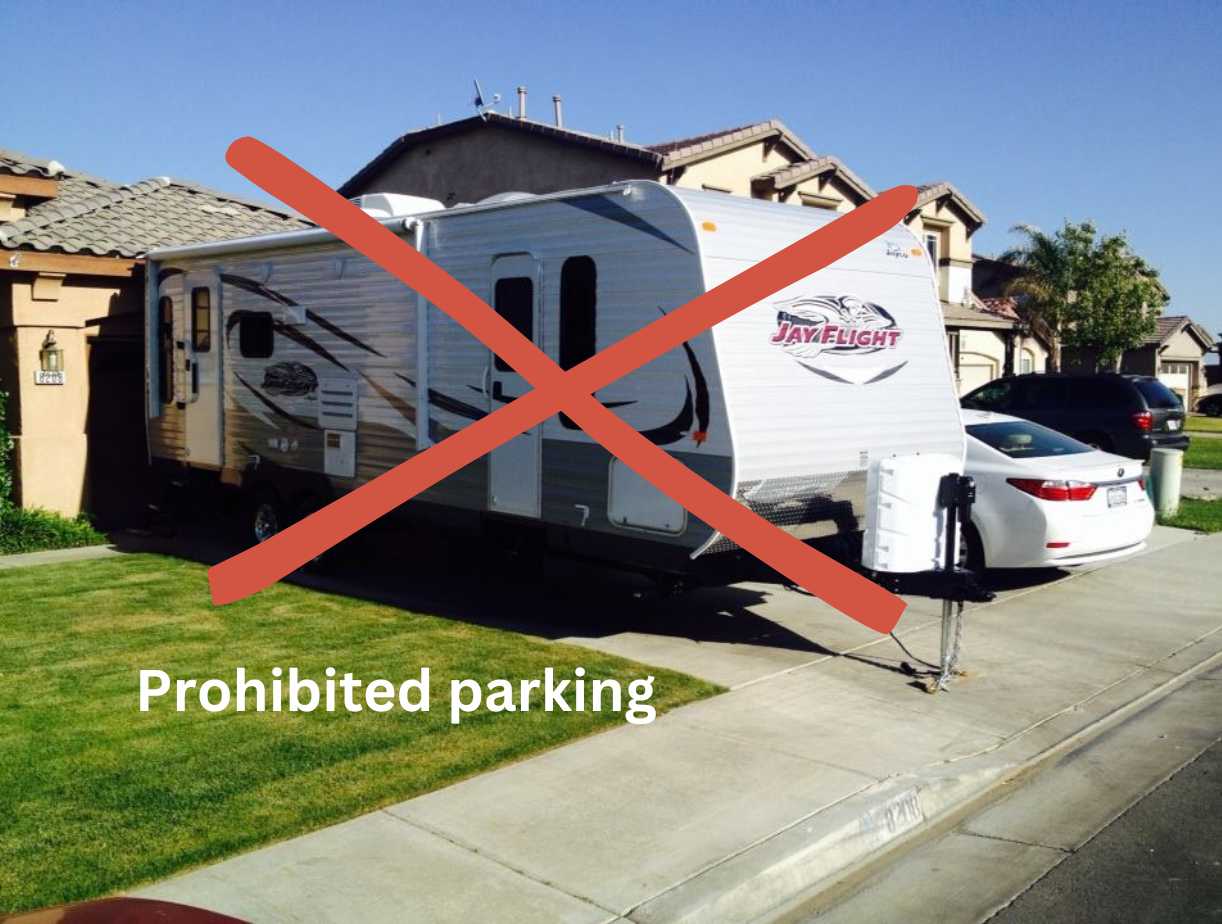
Most HOA vehicle restrictions are designed to preserve a consistent residential look and reduce congestion. Large RVs can dominate driveways, obstruct sightlines, limit street access, and create challenges for emergency vehicles. In tightly planned communities, these issues affect not just aesthetics, but safety and property values as well.
For many homeowners, the goal isn’t to prevent travel or recreation—it’s to balance personal use with shared community standards. That balance is where vehicle size and storage method matter most.
The Challenge for RV Owners in HOA Communities
Traditional motorhomes and large camper vans almost always exceed what HOAs allow to be parked at home. This forces owners to rely on off-site storage facilities, which adds cost, inconvenience, and often reduces how frequently the RV is actually used. For people who enjoy spontaneous trips or short getaways, that extra layer of logistics can become a barrier.
The question many HOA residents face is simple: Is there a way to own a camper without violating community rules or adding storage headaches?
A Garage-Stored Campervan Changes the Equation
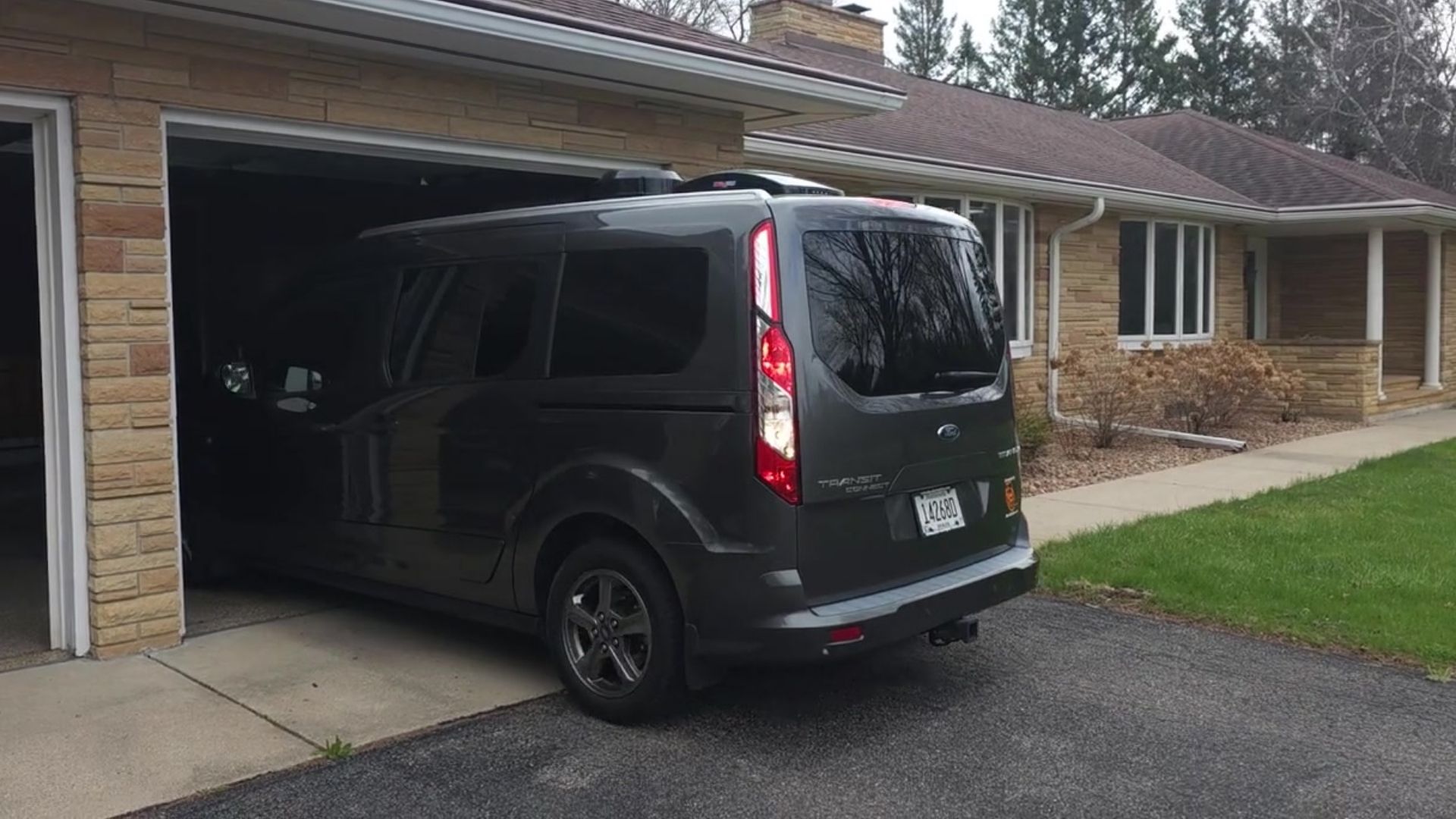
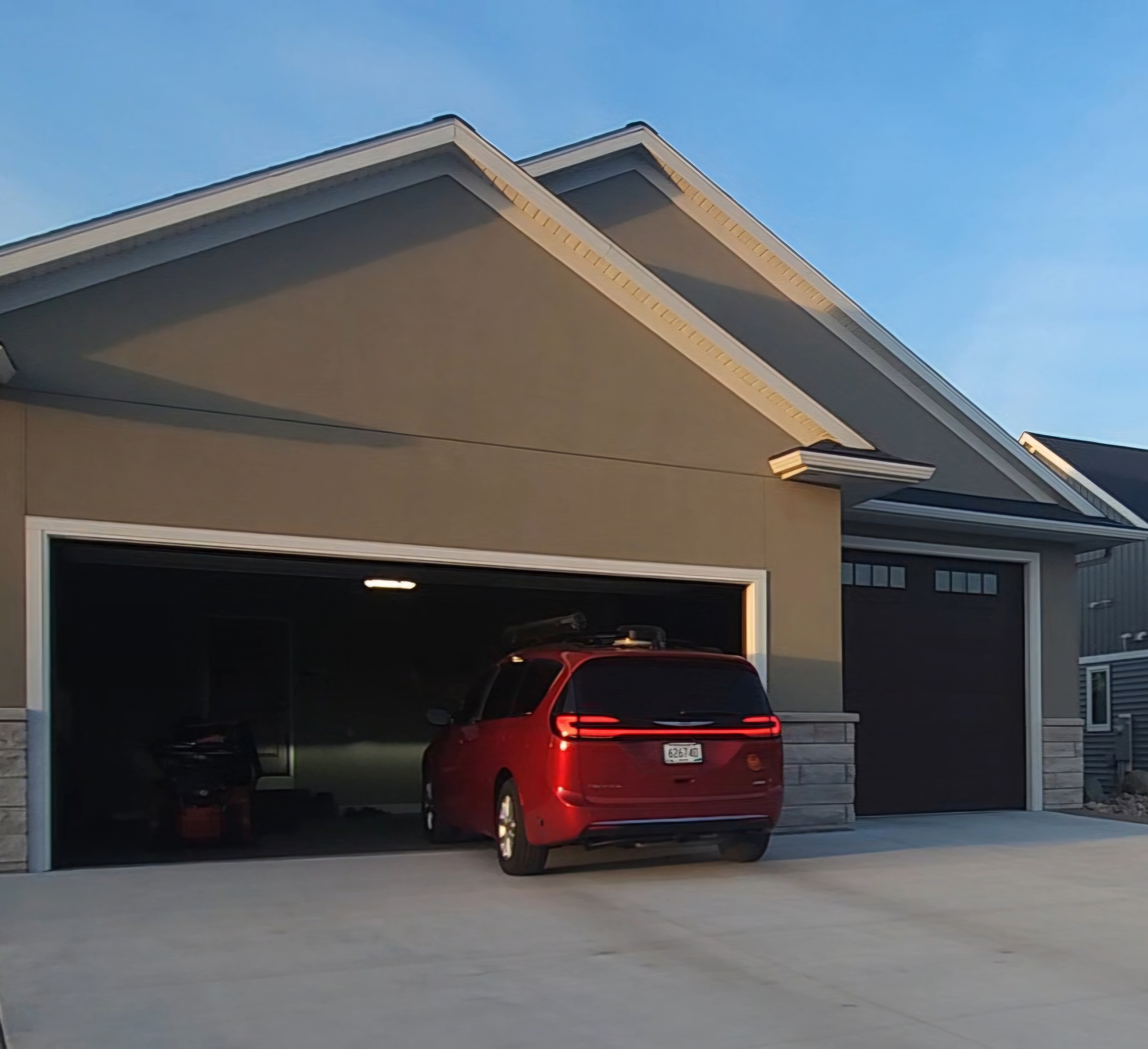
Compact campervans designed to fit inside a standard residential garage offer a practical answer. When a vehicle is stored fully inside a garage, it typically falls outside HOA exterior parking restrictions. This allows homeowners to enjoy RV ownership while remaining compliant with community rules.
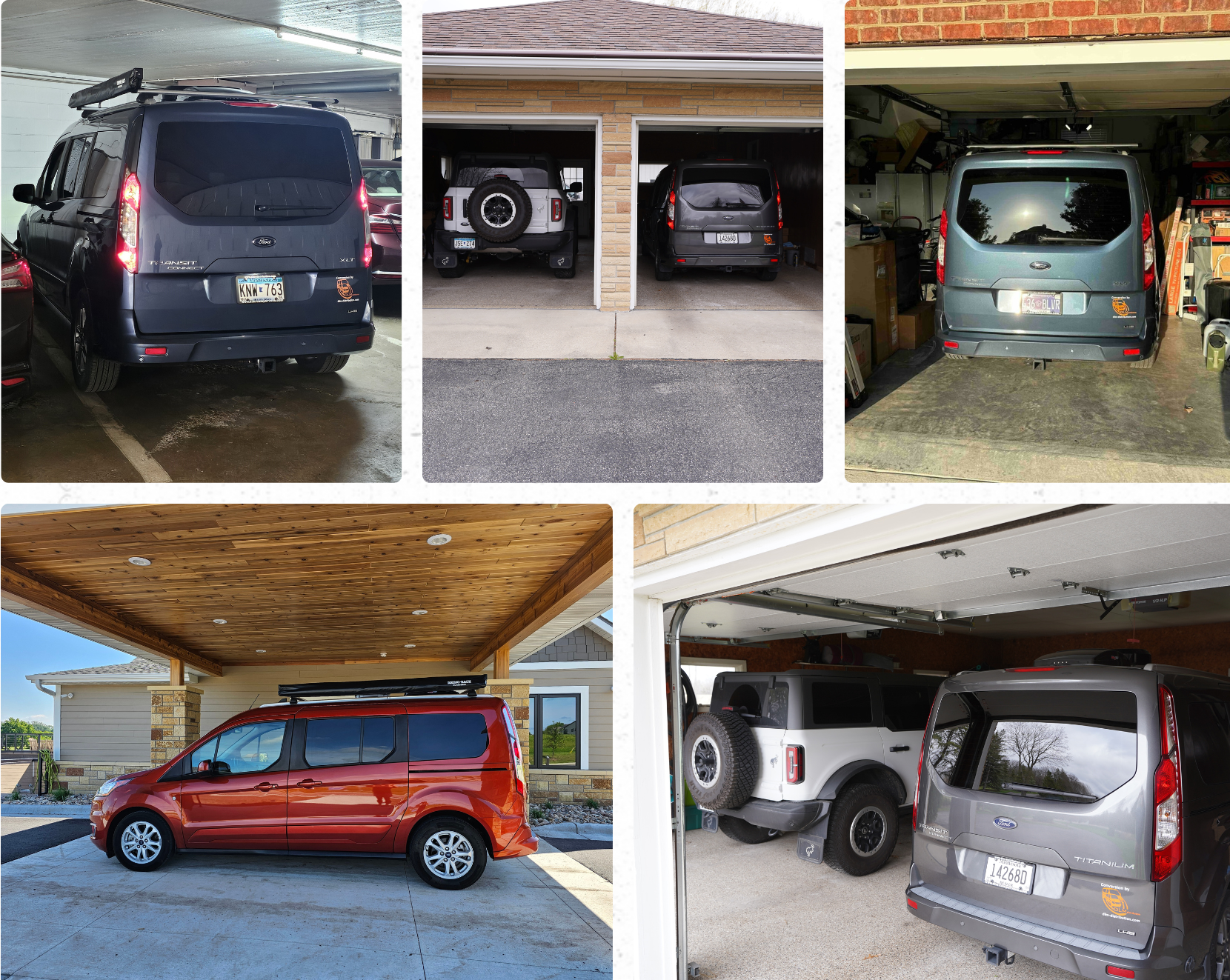
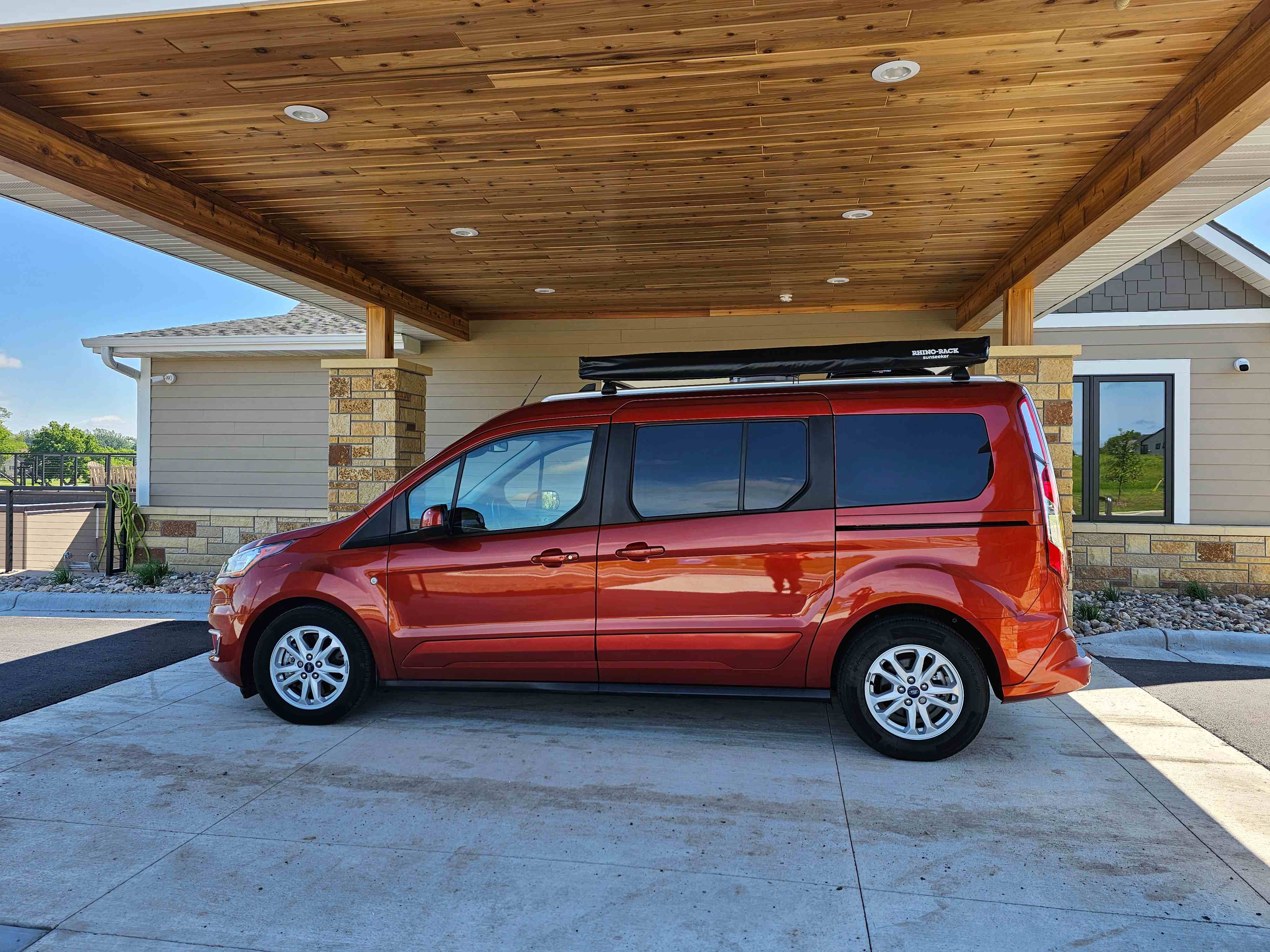
The Mini-T Campervan is a strong example of this approach. Its overall height allows it to fit inside a typical garage, eliminating the need for driveway or street parking. Because it is stored like a regular vehicle, it blends naturally into HOA environments without drawing attention or creating conflicts.
Everyday Vehicle and Camper in One
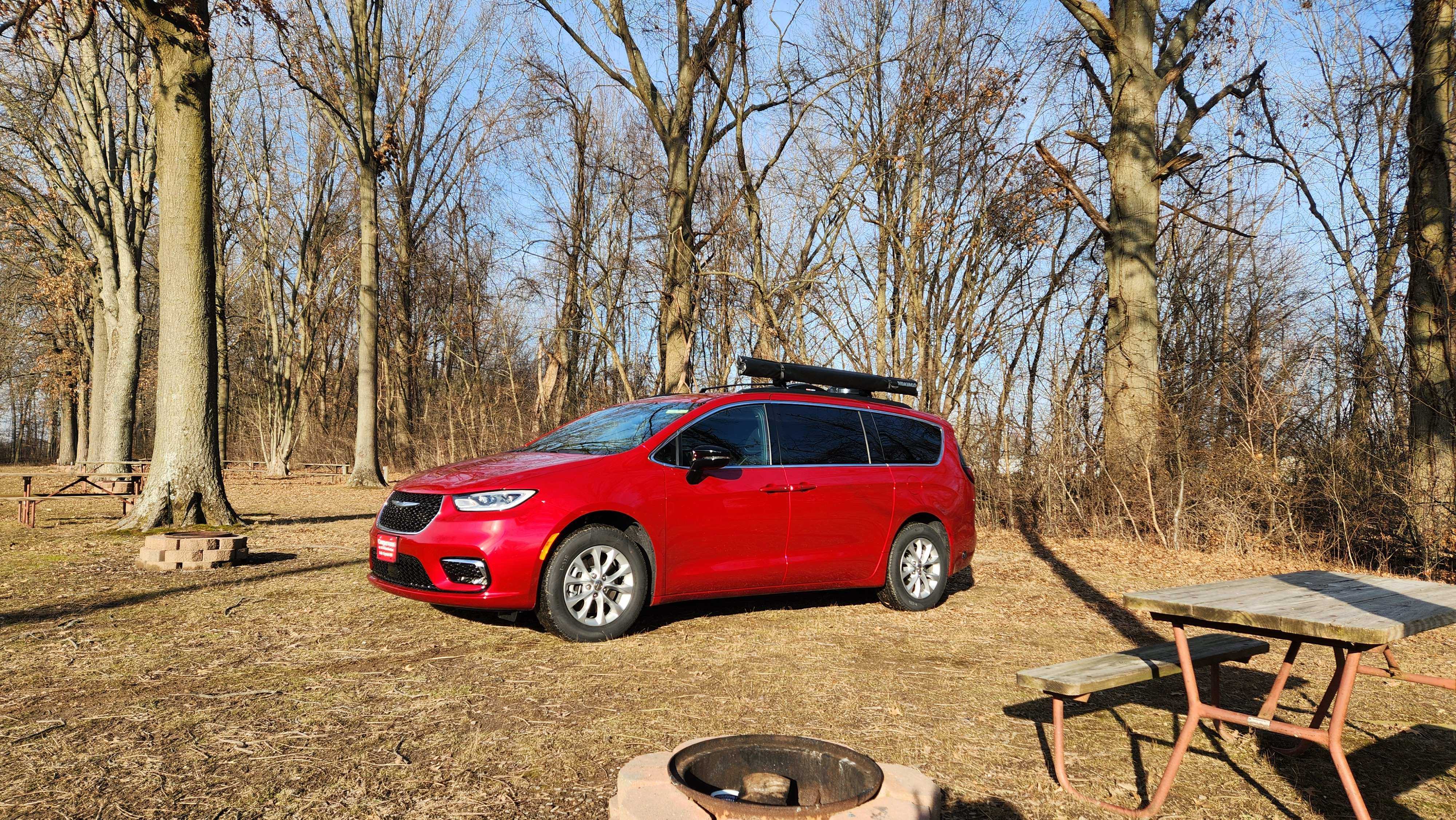
Beyond storage considerations, a compact campervan offers an additional advantage: dual-purpose use. Instead of sitting unused between trips, it functions as an everyday vehicle—handling errands, commuting, and local driving—then seamlessly transitions into travel mode when it’s time to head out.
This reduces the need for a second vehicle, lowers overall ownership costs, and makes travel more accessible. There’s no towing, no special licensing, and no adjustment period required for driving or parking.
Practical Travel Without Oversized RV Compromises
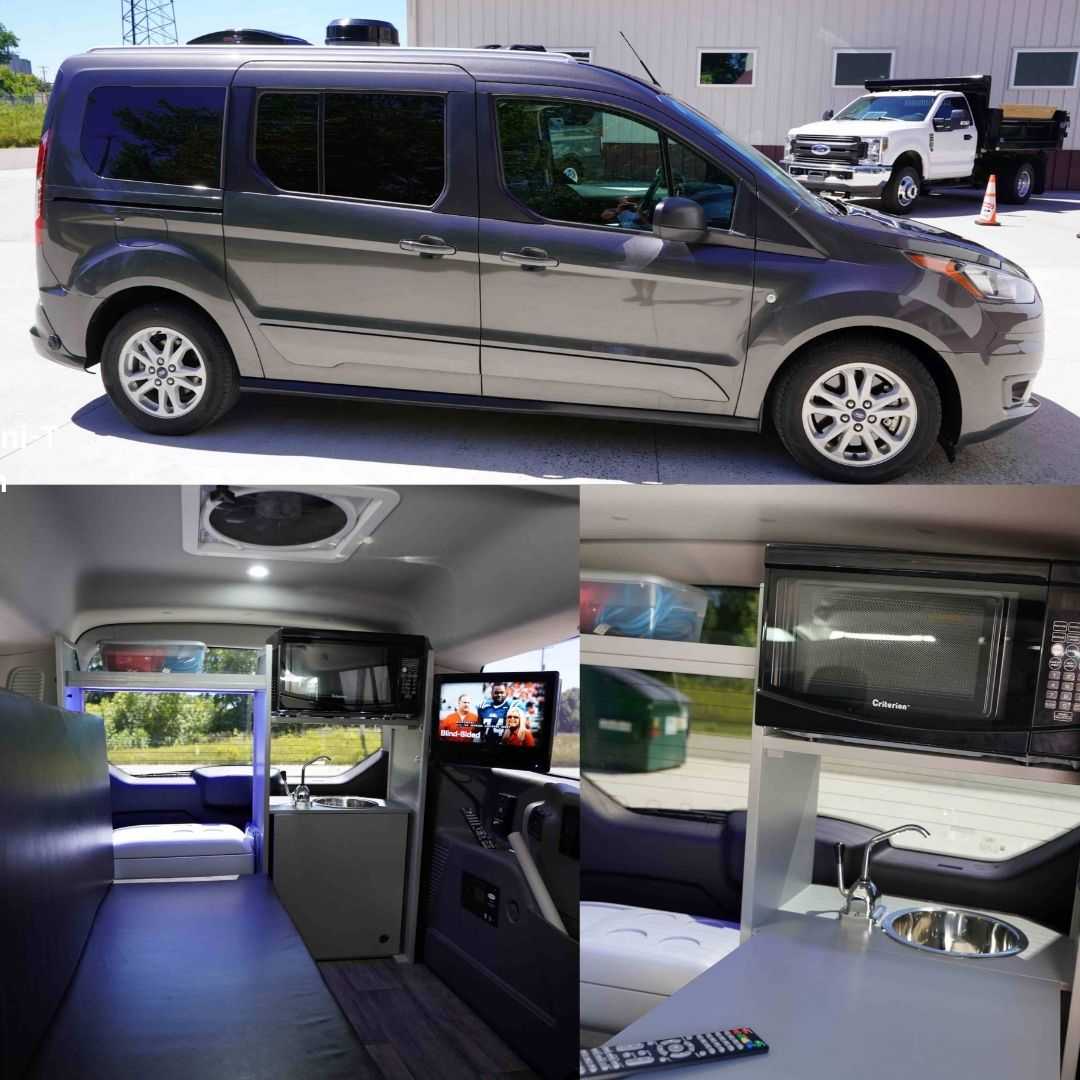
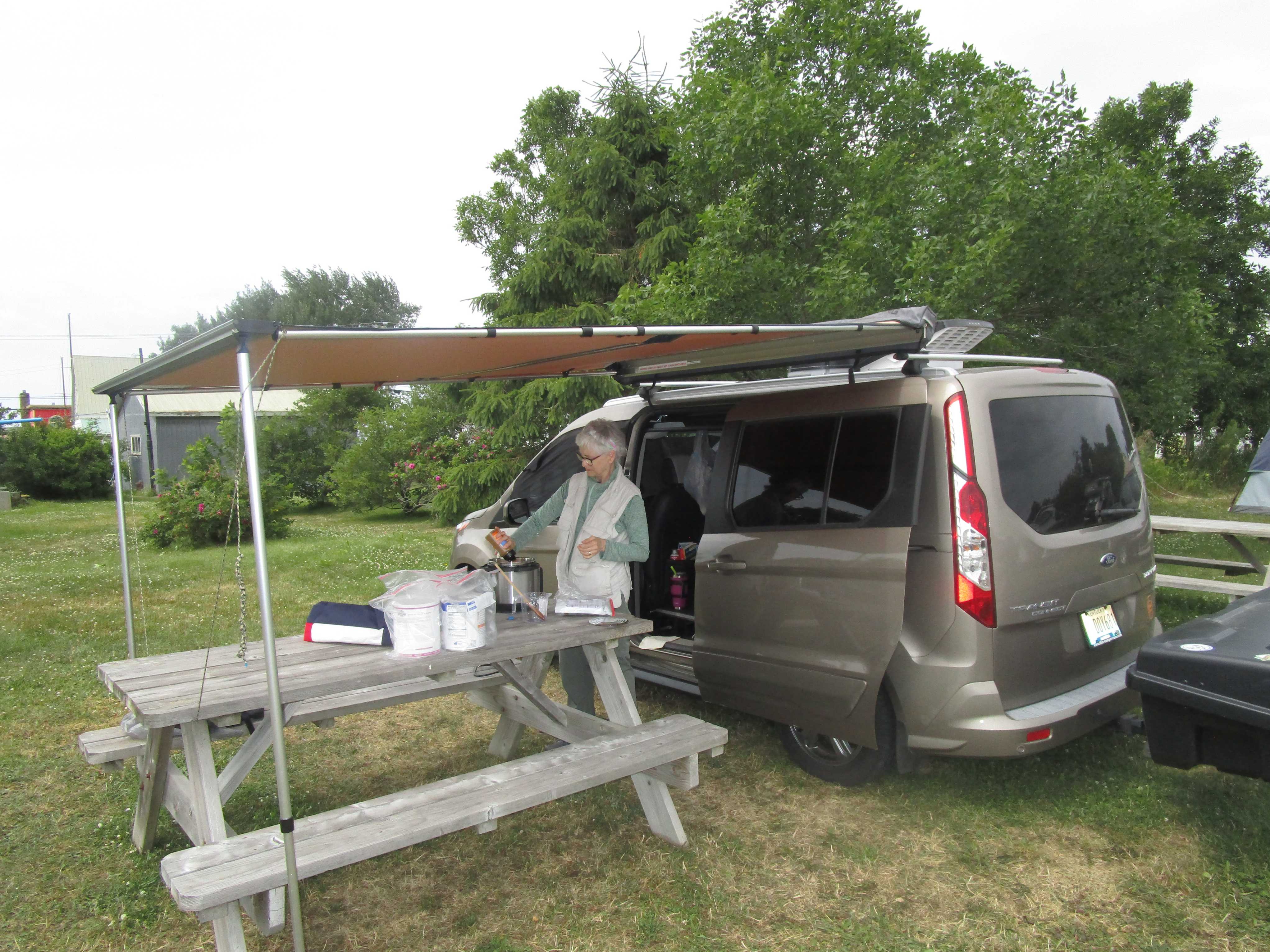
A smaller campervan still provides the essentials needed for comfortable travel—sleeping space, refrigeration, simple meal prep, and onboard power—without the complexity or scale of larger RVs. For many people, this is enough to enjoy state parks, national parks, scenic road trips, and weekend escapes without managing hookups, oversized campsites, or restrictive routes.
HOA Living Doesn’t Mean Giving Up RV Travel
Living in an HOA community doesn’t require giving up the ability to camp or explore. It simply means choosing equipment that fits within shared standards. Compact, garage-stored campervans allow homeowners to respect community guidelines while maintaining flexibility and independence.
Rather than viewing HOA rules as obstacles, many people find they point toward more efficient, lower-stress ways to travel. With the right vehicle choice, it’s possible to enjoy both a well-kept neighborhood and the freedom of the open road.
Happy Camping!

DLM-Distribution / Campervans is a licensed manufacturer and dealer located in Lake Crystal, Minnesota, serving clients around the country.
Contact Dave: 651-285-7089 or Candy: 507-382-9446 today!