
Exploring South Carolina by Campervan: Beaches, Mountains, History, and Scenic Camping
South Carolina is one of those states that rewards travelers who like variety. In a single road trip, you can move from Atlantic beaches and barrier islands to historic waterfront cities, blackwater rivers, old-growth forest, mountain lakes, waterfalls, and the southern edge of the Blue Ridge Mountains. It is a state made for unhurried travel, scenic backroads, state parks, and flexible camping.
For campervan travelers, that variety is a major advantage. South Carolina is large enough to offer very different landscapes, but compact enough that a thoughtful route can include beaches, history, lakes, mountains, and small towns without feeling rushed. A Mini-T Campervan fits especially well into this kind of trip because it is easy to drive through historic districts, simple to park at trailheads and overlooks, and comfortable enough for campground stays along the way.

Instead of thinking of South Carolina as only a beach destination or only a campground list, it helps to view the state as several connected travel regions. The Lowcountry brings history, marshes, barrier islands, and coastal campgrounds. The Grand Strand offers beaches, gardens, and classic coastal recreation. The Midlands provide lakes, paddling, and Congaree National Park. The Upstate adds mountain scenery, waterfalls, scenic highways, and some of the most beautiful state parks in the Southeast.
Start with the South Carolina Lowcountry
The Lowcountry is one of South Carolina's most memorable regions. Here, the landscape is shaped by salt marsh, tidal creeks, live oaks, barrier islands, historic towns, and coastal roads that slow the pace of travel. It is a region where a campervan trip can blend beach camping, history, seafood, wildlife watching, and quiet scenic drives.
Charleston is often the anchor for a Lowcountry trip. The city is known for its historic architecture, waterfront setting, gardens, restaurants, and walkable streets. A compact campervan is useful here because Charleston and its surrounding islands can be busy, narrow, and urban in places. Being in a smaller vehicle makes it easier to move between campgrounds, historic sites, beaches, and downtown areas without the stress of maneuvering a large RV.
For camping near Charleston, James Island County Park is one of the most convenient options. The park gives travelers access to green space, trails, water, and recreation while remaining close to the city. It works well for visitors who want to explore Charleston during the day and return to a quieter campground in the evening.

Charleston also connects easily to several important historic and cultural stops. Fort Sumter can be reached by ferry, and visitors interested in the history of the Lowcountry often include Magnolia Plantation and Gardens, Middleton Place, and scenic drives along the Ashley River corridor. These destinations add depth to a South Carolina camping trip because they show how geography, agriculture, waterways, architecture, and history are all tied together in the region.
Barrier Islands and Beach Camping
South Carolina's coast is especially rewarding for travelers who enjoy state parks. Hunting Island State Park, near Beaufort, is one of the state's signature coastal destinations. It offers a combination of beach, maritime forest, marsh, lagoon, wildlife, a historic lighthouse, and campground access. Hunting Island is also South Carolina's most visited state park, which makes advance planning important, especially during peak travel seasons.
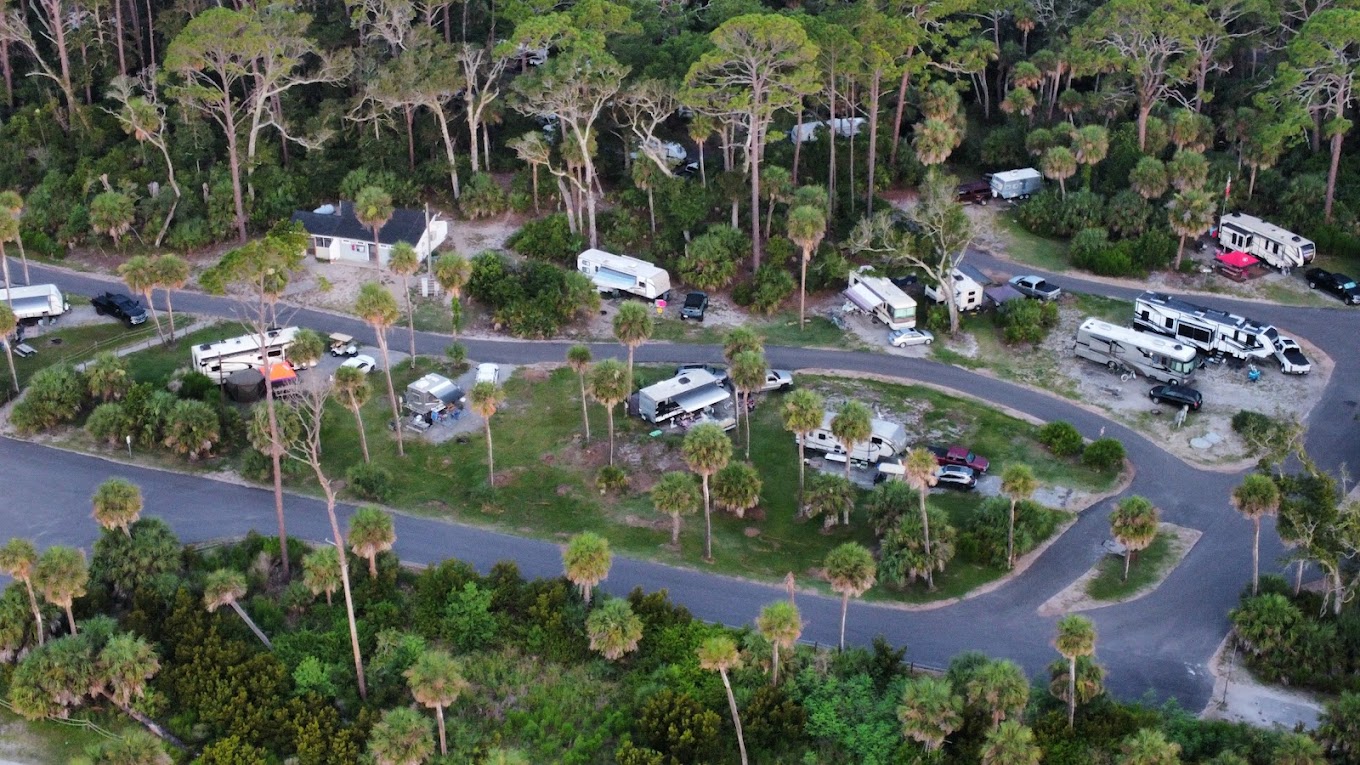
For campervan travelers, Hunting Island is appealing because the experience feels different from a typical beach town. The setting is natural and coastal rather than commercial. Visitors can walk the beach, explore the maritime forest, visit the nature center, fish from the pier, watch for birds, and spend time around the lighthouse area. It is the kind of place where a small RV or campervan fits the rhythm of the park: simple, scenic, and close to the outdoors.
Nearby Beaufort is worth adding to the trip. The town is known for its waterfront, moss-draped live oaks, historic homes, galleries, and relaxed coastal character. A day in Beaufort pairs well with a stay at Hunting Island because it gives travelers both a natural barrier island setting and one of South Carolina's most charming small cities.
Farther north along the coast, Edisto Beach State Park offers another quieter coastal camping experience. Edisto is less commercial than many beach destinations, which makes it appealing for travelers who prefer a slower pace. The area is known for beach walking, shelling, fishing, biking, and access to the ACE Basin region, one of the most important estuarine environments on the East Coast.
The Grand Strand: Myrtle Beach, Murrells Inlet, and Coastal Recreation
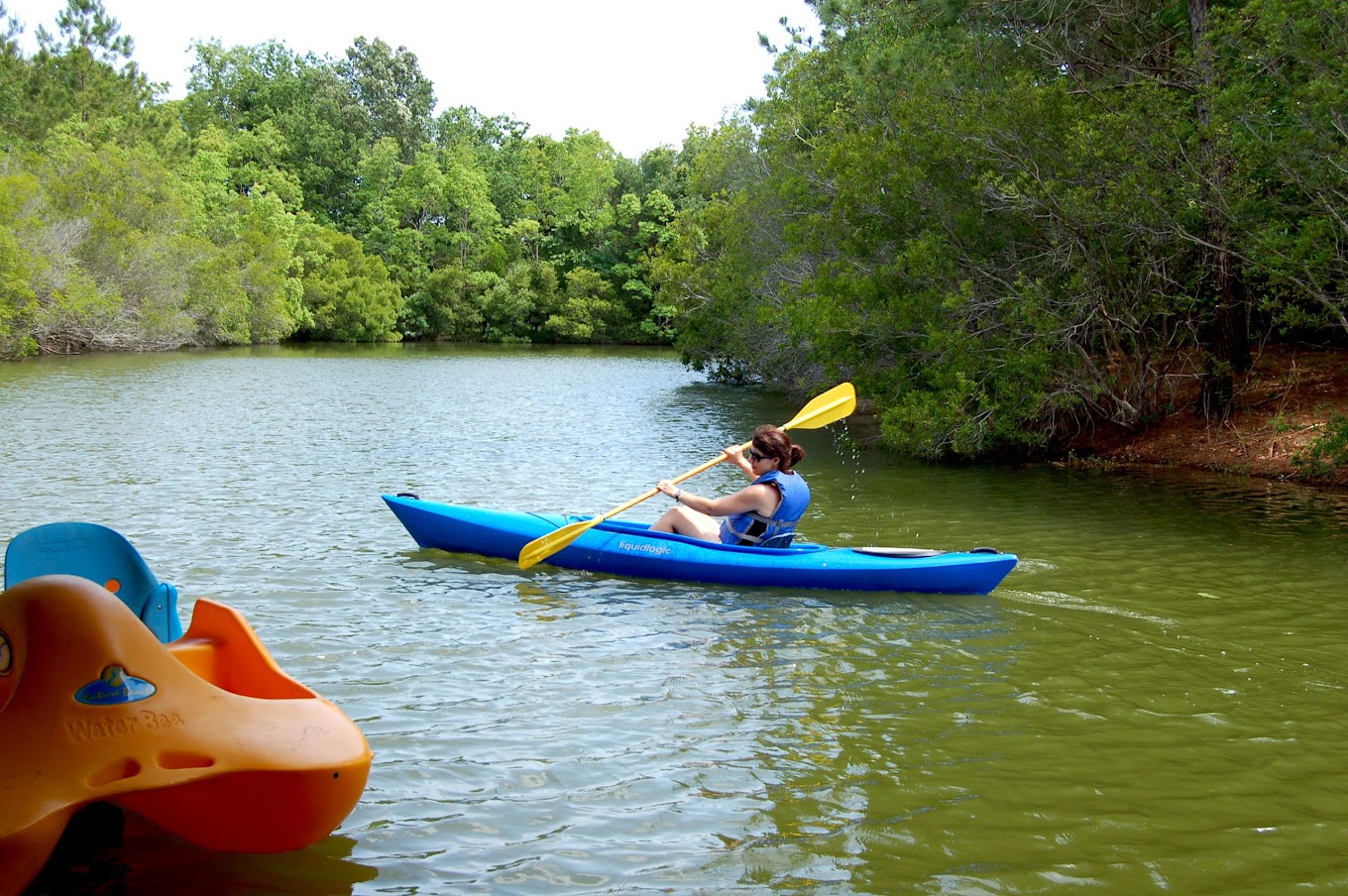
The Grand Strand is South Carolina's best-known beach region, but it does not have to be experienced only through hotels and crowded attractions. Myrtle Beach State Park provides a more natural base within the larger Myrtle Beach area. Travelers can enjoy the beach, maritime forest, nature trails, fishing pier, and birdwatching while still being close to restaurants, entertainment, and supplies.

This is where a campervan can make a beach trip easier. Instead of staying in the busiest hotel zones, travelers can camp near the coast, keep beach gear organized, prepare simple meals, and explore the region at their own pace. A compact campervan also makes it easier to visit nearby communities and attractions without feeling locked into one area.
South of Myrtle Beach, Brookgreen Gardens in Murrells Inlet is one of the region's standout stops. The combination of sculpture, gardens, history, and Lowcountry landscape makes it a valuable addition to a coastal itinerary. Huntington Beach State Park, also in the area, is another excellent stop for birding, beach walking, and nature photography.
The Midlands: Congaree National Park, Lake Marion, and Santee
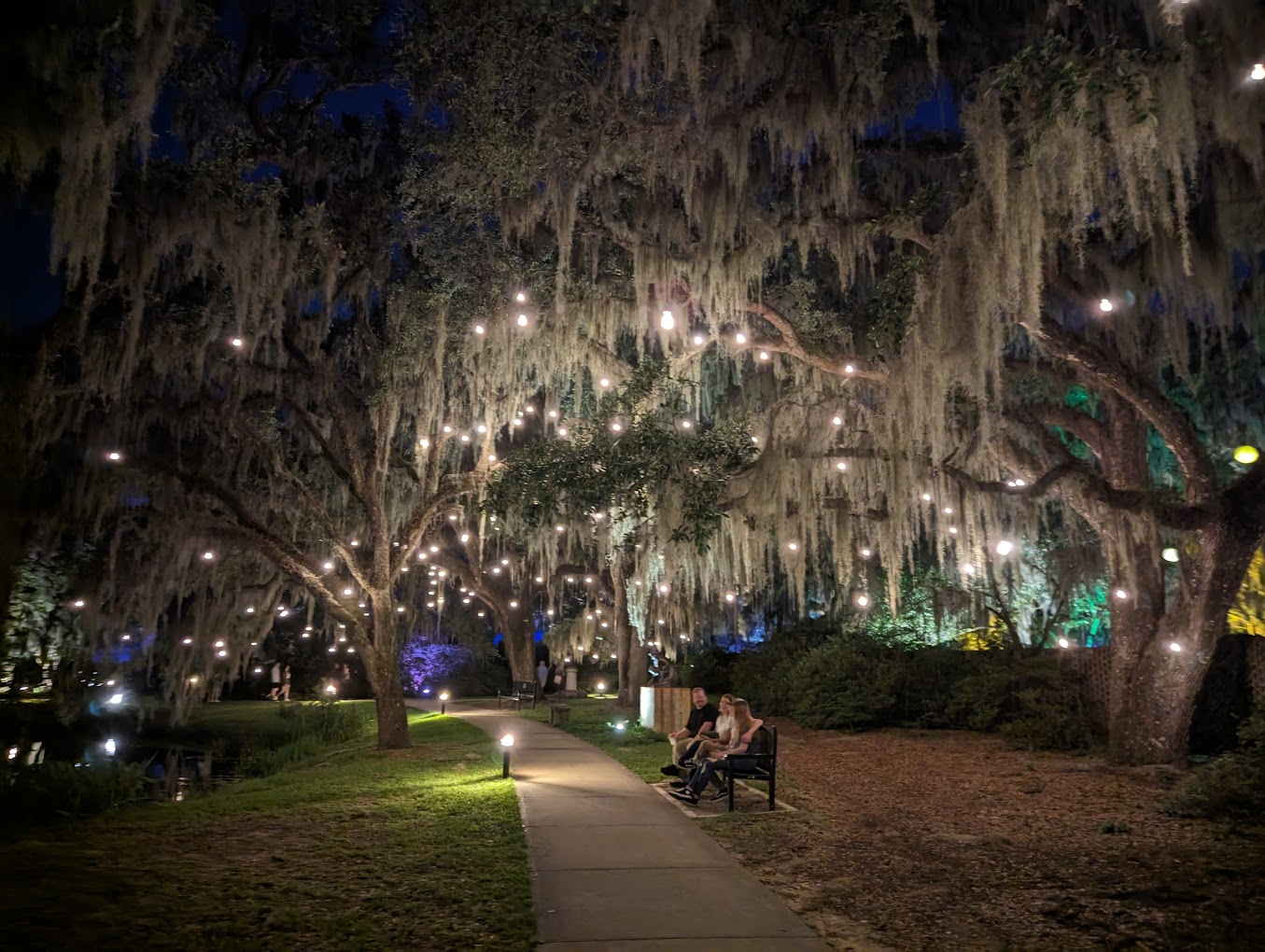
South Carolina's Midlands are sometimes overlooked by travelers rushing between the coast and mountains, but this region deserves time. Congaree National Park protects one of the most remarkable forest landscapes in the Southeast. Its boardwalks, paddling routes, tall trees, floodplain forest, and quiet wilderness feel very different from the beaches and mountain parks elsewhere in the state.

Congaree is especially enjoyable for travelers who like slow exploration. The Boardwalk Loop is a good introduction to the park, while longer trails and paddling routes offer a deeper look at the floodplain environment. Depending on the season and water levels, the experience can include massive trees, quiet water, birds, insects, and the feeling of being in a landscape that is both accessible and wild.
For camping in the Midlands, Santee State Park is a practical stop along Lake Marion. The park offers a peaceful lake setting, fishing, boating, trails, and a convenient location for travelers moving between Charleston, Columbia, and the coast. It works well as either a destination or a relaxing overnight stop on a longer South Carolina campervan route.

The Upstate: Mountains, Lakes, Waterfalls, and Scenic Highways
The Upstate gives South Carolina a completely different character. As the land rises toward the Blue Ridge Mountains, the scenery changes to foothills, lakes, forested slopes, waterfalls, and rocky overlooks. This region is excellent for hiking, scenic driving, kayaking, lake camping, and fall color.
Table Rock State Park is one of the classic Upstate destinations. The park is known for its mountain scenery, hiking trails, lakes, and views of its namesake rock formation. It is a strong choice for travelers who want a mountain campground experience without leaving South Carolina.
Devils Fork State Park, on Lake Jocassee, is another highlight. Lake Jocassee is known for unusually clear water, mountain scenery, boating, swimming, fishing, waterfalls accessible by boat, and a setting that feels more remote than many southeastern lakes. The park is the only public access point to Lake Jocassee, which makes it a key stop for travelers who want to experience the lake.

Oconee State Park, near Walhalla, offers another mountain foothills camping option. It works well for travelers exploring waterfalls, hiking trails, small towns, and the far northwest corner of the state. This region also connects easily to scenic drives, Sumter National Forest, and the Georgia and North Carolina mountain borderlands.
Greenville and the Upstate Towns
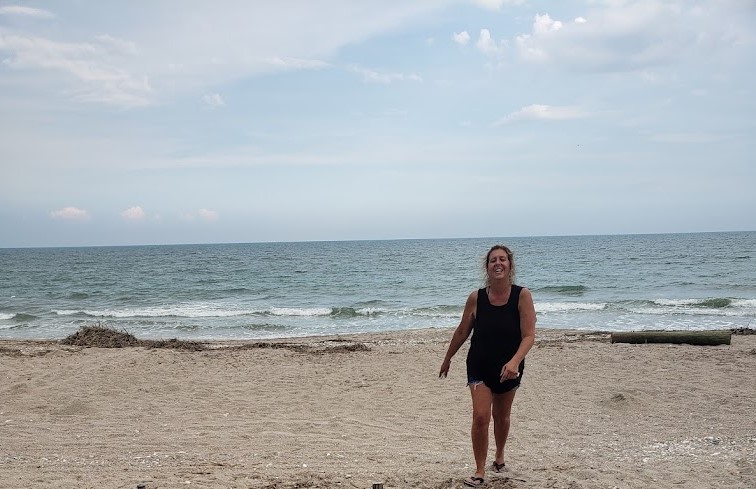
Greenville has become one of the most enjoyable small cities in the Southeast for road trip travelers. Its downtown is walkable, lively, and centered around Falls Park on the Reedy. The Swamp Rabbit Trail adds a strong outdoor element, connecting parks, neighborhoods, restaurants, and nearby communities.
For campervan travelers, Greenville can be a good resupply stop, restaurant stop, bike stop, or weather-day destination between mountain campgrounds. It also gives a South Carolina road trip a nice contrast: one day can be spent hiking near Table Rock or Lake Jocassee, while the next can include a walk through downtown Greenville and dinner near the river.
Other Upstate towns such as Travelers Rest, Walhalla, Pickens, and Seneca can be useful stops depending on the route. They add local character and help break up the drive between state parks, lakes, waterfalls, and scenic byways.
Scenic Drives Worth Building Into the Trip
South Carolina's scenic roads are part of what makes the state enjoyable by campervan. The Cherokee Foothills National Scenic Byway, also known as Scenic Highway 11, is one of the best routes in the Upstate. It follows the southern edge of the Blue Ridge Mountains and connects travelers with waterfalls, small towns, lakes, mountain views, historic sites, and state parks.
Along the coast, Highway 17 can be used to connect Charleston, the ACE Basin, Beaufort, Myrtle Beach, Murrells Inlet, and other Lowcountry and Grand Strand destinations. It is not always a quiet road, but it is one of the classic ways to move through coastal South Carolina.
The Edisto Island National Scenic Byway and Ashley River Road are also worth considering for travelers interested in a slower Lowcountry route. These drives highlight the landscape of marshes, live oaks, historic properties, and coastal waterways that make the region so distinctive.
A Practical South Carolina Campervan Route
A strong South Carolina campervan itinerary can be built as a loop. Start in Charleston or Myrtle Beach, then follow the coast to Edisto Beach, Hunting Island, and Beaufort. From there, move inland toward Congaree National Park and Santee State Park. Continue northwest toward Greenville, Table Rock State Park, Devils Fork State Park, Oconee State Park, and the Cherokee Foothills Scenic Highway before looping back toward the coast or continuing into Georgia, North Carolina, or Tennessee.
This route does not need to be completed quickly. A long weekend might focus only on the Lowcountry or Upstate. A week can cover several regions. Two weeks would allow time for beaches, historic cities, Congaree, mountain lakes, scenic highways, and smaller towns without feeling rushed.
Best Time to Visit South Carolina by Campervan
Spring and fall are often the best seasons for campervan travel in South Carolina. Spring brings mild weather, flowering trees, gardens, comfortable hiking, and pleasant beach days before the heaviest summer crowds. Fall brings cooler air, fewer insects, comfortable camping, and color in the Upstate foothills and mountains.
Summer is popular along the coast, especially around Myrtle Beach, Charleston, Edisto, and Hunting Island. Travelers should expect heat, humidity, busy campgrounds, and the need for advance reservations. Summer can still be enjoyable, especially for beach-focused trips, but it rewards early starts, shade, hydration, and flexible expectations.
Winter can be surprisingly appealing, particularly along the coast and in the Lowcountry. Campgrounds may be quieter, historic cities are easier to explore, and daytime temperatures are often comfortable compared to northern states. Mountain areas can be cooler, but winter can still be a good season for travelers who prefer fewer crowds.
Why a Mini-T Campervan Works Well in South Carolina
South Carolina is a great example of why compact campervan travel makes sense. The trip may include narrow historic streets, beach parking areas, state park campgrounds, mountain roads, ferry terminals, boardwalk trailheads, small-town restaurants, and scenic pullouts. A large RV can make some of those stops more complicated. A compact campervan keeps more options open.
The Mini-T Campervan is easy to drive, simple to park, fuel efficient, and practical for both camping and everyday use. It allows travelers to carry sleeping accommodations, food, gear, and off-grid power while still moving through towns, parks, and scenic routes with confidence. That matters in a state like South Carolina, where the best trip may include both downtown Charleston and a mountain lake campground in the same week.
The real benefit is flexibility. You can spend the morning walking a beach, the afternoon exploring a historic district, and the evening at a quiet campsite. You can change plans when the weather shifts, stay longer when you find a favorite park, or move on when the road calls. That is the heart of campervan travel.

South Carolina Is More Than One Destination
The best South Carolina road trips are not limited to one campground or one beach. The state is strongest when experienced as a collection of regions: Lowcountry marshes, barrier islands, historic Charleston, family beaches, blackwater forests, inland lakes, mountain parks, and scenic foothill highways.
For travelers in a Mini-T Campervan, that variety is exactly the point. You are not locked into one kind of trip. You can build a route around beaches, history, hiking, fishing, photography, gardens, small towns, or quiet state park camping. South Carolina gives you room to shape the trip your way.
Whether you begin on the coast, in the mountains, or somewhere in between, South Carolina offers the kind of travel that fits naturally with a compact campervan: flexible, scenic, practical, and full of places worth slowing down for.
Happy Camping!
DLM-Distribution / Campervans is a licensed manufacturer and dealer located in Lake Crystal, Minnesota, serving clients around the country.
Contact Dave: 651-285-7089 or Candy: 507-382-9446 today!