Exploring Tennessee: Mountains, Waterfalls, Scenic Drives, and Small-Town Discoveries
Tennessee is not one destination.
It is a collection of landscapes, communities, and stories connected by roads that make you want to keep driving just a little farther.
In the east, the Appalachian Mountains rise through morning mist while rivers gather beneath forested ridges. Across the Cumberland Plateau, waterfalls spill into deep gorges carved through sandstone. Central Tennessee opens into rolling farmland, historic towns, and highways shaped by music, migration, and generations of local life. Farther west, cypress trees stand in quiet water at Reelfoot Lake, creating a landscape that feels almost entirely removed from the mountains on the opposite side of the state.
That variety is what makes Tennessee so rewarding to explore. You can begin the day on a mountain trail, spend the afternoon beside a waterfall, and arrive in a small town by evening with the feeling that the journey itself has become part of the destination.
A State That Changes as You Travel
Many states are remembered for a single defining landscape. Tennessee resists that kind of simplicity.
Traveling from east to west, the character of the state changes gradually but unmistakably. Mountain roads give way to plateau country. Deep forests open into farmland. River valleys lead toward cities shaped by music and industry. Wetlands, lakes, and lowlands begin to replace the ridges and gorges that define the eastern half of the state.
Those transitions create the kind of road trip that feels larger than the distance traveled. The scenery changes, but so do the stories, architecture, food, and pace of the communities along the way.
Tennessee rewards travelers who leave room in the schedule. A scenic overlook, an unfamiliar state park, a family-owned restaurant, or a road marked only by a small brown sign may become the part of the trip remembered most clearly.

East Tennessee: Mountains, Forests, and Roads Above the Valleys
East Tennessee is the part of the state many travelers picture first. The landscape rises into the southern Appalachian Mountains, where forested slopes, rushing streams, waterfalls, and broad overlooks create one of the most visually memorable regions in the eastern United States.
The Great Smoky Mountains National Park is the best-known destination, but its fame only hints at what the region contains. Newfound Gap Road climbs through changing elevations and forest types before crossing the mountains, while Cades Cove combines wildlife, historic structures, open meadows, and one of the park's most recognizable scenic drives.
Yet some of the Smokies' most memorable experiences happen away from the busiest overlooks. A short trail leading toward a waterfall, morning fog settling into a valley, or the sound of water moving across stone can reveal why travelers return to these mountains year after year.
North and east of the Smokies, Cherokee National Forest stretches across a vast section of the Appalachian landscape. Mountain lakes, forest roads, rivers, campgrounds, and trail systems make it possible to experience East Tennessee without following a single prescribed route.
The forest also connects naturally with some of the state's finest scenic drives. The Cherohala Skyway rises through the mountains between Tennessee and North Carolina, offering long views across ridges that seem to continue indefinitely. The Foothills Parkway follows the western edge of the Smokies, creating a quieter way to see the mountains from above the valleys.
The Cumberland Plateau: Waterfalls, Gorges, and Wild Country
West of the Appalachian Mountains, the Cumberland Plateau introduces another side of Tennessee. Here, rivers have cut through layers of sandstone, creating cliffs, arches, narrow valleys, deep gorges, and waterfalls hidden among hardwood forests.
Big South Fork National River and Recreation Area is one of the region's most remarkable landscapes. The protected river corridor stretches through Tennessee and Kentucky, preserving rugged terrain shaped by water, geology, and time. Hiking trails lead toward natural arches, overlooks, and river gorges, while quieter roads reach trailheads and recreation areas that often feel far removed from the state's better-known destinations.
Farther south, Fall Creek Falls State Park reveals why waterfalls are such an important part of Tennessee travel. Trails and overlooks lead through forested plateau country toward cascades, gorges, and one of the tallest waterfalls in the eastern United States. The park is large enough to support a full weekend, yet many visitors first arrive intending to stay only a few hours.
Rock Island State Park offers a different expression of the same landscape. Powerful water moves through rocky channels and past steep gorge walls, creating dramatic scenes that change with weather, water levels, and season.
These parks are not isolated attractions. Together with smaller recreation areas, forest roads, overlooks, and river access points, they form a region where an entire trip can be shaped by following water across the plateau.
Scenic Roads That Become Part of the Journey
Some of Tennessee's most rewarding experiences begin without a trailhead or admission gate.
The state's scenic roads connect mountain gaps, river valleys, historic communities, forests, and open countryside in ways that make driving feel less like transportation and more like discovery.
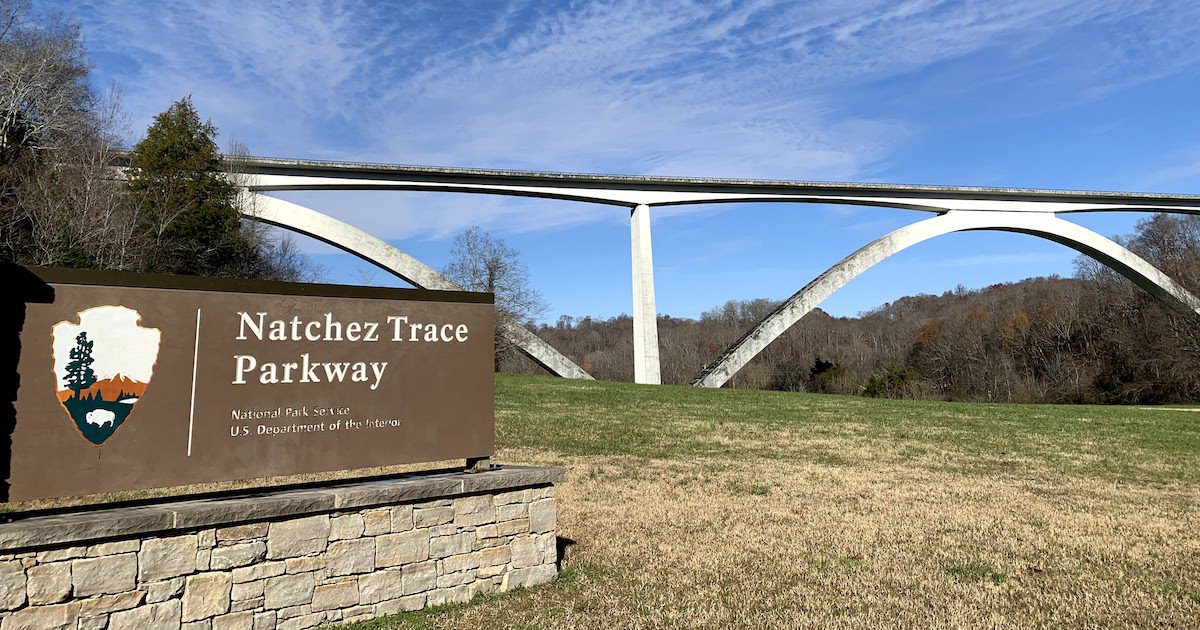
The Natchez Trace Parkway offers one of the most relaxed ways to travel through central and western Tennessee. The road follows a historic corridor used for centuries by Indigenous peoples, traders, travelers, and settlers. Today, its gentle curves, wooded surroundings, overlooks, walking paths, and historic stops encourage a slower pace than the nearby interstate.

Elsewhere, roads near the Smokies rise toward overlooks and mountain passes. Highways across the Cumberland Plateau move between waterfalls, forests, and small communities. Routes following the Tennessee River reveal boat launches, lakeside parks, historic towns, and places where the water becomes visible between the trees.
The best way to experience these roads is often to resist turning them into a checklist. Leave time for the overlook that was not part of the plan, the diner discovered at lunchtime, or the side road that leads toward a river or trail you had never heard of before.
Cumberland Gap: Where Landscape and History Meet
At the meeting point of Tennessee, Kentucky, and Virginia, Cumberland Gap National Historical Park preserves one of the most important natural passages through the Appalachian Mountains.
For generations, Indigenous peoples traveled through this corridor. Later, settlers moving westward followed the same opening through the mountains, turning Cumberland Gap into one of the defining routes in early American migration.
Visitors today can explore trails, overlooks, historic sites, and mountain roads while seeing how geography influenced the movement of people across the continent. The view from the surrounding heights places valleys, ridges, and state boundaries into a single landscape, making the history easier to understand because the land itself remains visible.
Central Tennessee: Rivers, Rolling Country, and Local Traditions
Central Tennessee is sometimes crossed too quickly by travelers heading toward the mountains or major cities. Slowing down reveals a region shaped by rolling farmland, limestone country, river valleys, historic communities, music, and roads that pass through landscapes with a distinctly different character from East Tennessee.
Small towns become an important part of the journey here. Courthouse squares, local restaurants, historic storefronts, distilleries, music venues, and community museums offer a closer look at Tennessee beyond its most famous attractions.
Lynchburg is one of the best-known examples. The town is closely associated with the Jack Daniel's Distillery, but its appeal also comes from the scale and character of the community itself. A visit can fit naturally into a larger route connecting state parks, scenic roads, and historic towns throughout the region.
Other communities may be less familiar but equally memorable. Often the places that remain with travelers are not those planned months in advance, but those discovered after deciding to stop for lunch, walk around a town square, or follow a road sign toward something unexpected.
West Tennessee and the Otherworldly Beauty of Reelfoot Lake
By the time a traveler reaches the northwestern corner of Tennessee, the landscape feels far removed from the mountains of the east.
Reelfoot Lake State Park preserves one of the state's most unusual natural environments. The lake was formed after powerful earthquakes struck the region in the early nineteenth century, altering the landscape and creating a shallow body of water filled with cypress trees, submerged timber, wetlands, and abundant wildlife.
Reelfoot is especially well known for birdwatching. Bald eagles gather in the region during winter, while herons, waterfowl, and other species move through the lake and surrounding wetlands throughout the year.
The lake's flooded forest creates a quiet, almost mysterious atmosphere. Paddling among cypress knees or watching evening light settle across the water can feel less like visiting another part of Tennessee and more like entering an entirely different ecosystem.
That contrast is precisely what makes a Tennessee road trip so compelling. The same state that contains the Smokies also holds this lowland world of cypress, wetlands, and migrating birds.
State Parks as Gateways to Tennessee
Tennessee's state parks are more than a collection of individual destinations. They provide access to many of the landscapes that define the state.
Some protect waterfalls and gorges. Others preserve lakes, forests, archaeological sites, historic structures, or places important to Tennessee's cultural story. Together, they make it possible to travel through the state while remaining close to trails, water, wildlife, and campgrounds.
A state park can become the reason for a trip, but it can also become a basecamp for discovering what surrounds it. An afternoon hike may lead to a scenic drive. A campground beside a lake may inspire a visit to a nearby town. A historical marker may introduce a story that changes how the entire region is understood.
The value of these places often comes from that freedom. You do not need to arrive with every hour planned. You only need enough curiosity to see where the next road, trail, or conversation might lead.
Small-Town Discoveries Along the Way
Tennessee's cities may be famous for music, history, and food, but smaller communities often provide the moments that give a road trip its character.
A morning may begin in a mountain town where fog still hangs over the ridges. Lunch might be served in a converted storefront beside a courthouse square. By evening, live music may be drifting from a local venue, a community event may be gathering in a park, or a campground neighbor may be explaining where to find a waterfall that rarely appears in guidebooks.
These are not attractions in the traditional sense. They are the experiences that happen because travel has been allowed to remain open-ended.
That is one of the quiet advantages of exploring Tennessee by road. The state's best-known places provide the reason to begin, but its smaller discoveries often provide the reason to return.
When to Explore Tennessee
Every season reveals a different version of Tennessee.
Spring brings waterfalls, flowing streams, wildflowers, and fresh green forests. Summer opens mountain campgrounds, lakes, paddling routes, and longer days for exploring. Autumn transforms the ridges and plateau country with color, particularly across the Smokies, Cherokee National Forest, and the Cumberland Mountains.
Winter is quieter. Some mountain roads and facilities may be affected by weather, but the season brings clearer long-range views, peaceful trails, fewer crowds, and excellent opportunities to observe bald eagles around Reelfoot Lake.
The best time to visit depends less on finding a perfect month than on deciding what kind of Tennessee you hope to experience.
A State That Invites Another Trip
Tennessee is not a place most travelers fully experience in a single journey.
You may arrive because of the Great Smoky Mountains and discover that the Cumberland Plateau deserves its own trip. You may follow the Natchez Trace and begin wondering what waits along the Tennessee River. You may visit a famous waterfall and remember most clearly the small restaurant, scenic road, or quiet campsite discovered along the way.
That is part of Tennessee's character. It does not need to overwhelm travelers with one defining attraction. Instead, it offers mountain mornings, hidden waterfalls, winding roads, historic passages, cypress wetlands, and communities that make the next stop feel worth taking.
The state simply invites you to keep exploring.
Travel Should Make Discovery Easier
Tennessee is exactly the kind of place the Mini-T Campervan was manufactured to explore. Mountain roads, state parks, lakeside campgrounds, historic communities, and scenic byways become easier to connect when the vehicle supporting the journey remains simple to drive, park, and live with.
The Mini-T does not need to become the center of the trip. Its purpose is to quietly make more of the trip possible: an earlier start toward a waterfall, another night beside the lake, a scenic road taken because there is no need to rush home, or a small-town stop that becomes part of the story.
Whether you are crossing the Appalachians, following the Natchez Trace, or watching evening settle over Reelfoot Lake, the most meaningful part of the journey will rarely be the campervan itself. It will be the freedom to keep going, stay a little longer, and discover what waits beyond the next bend in the road.
DLM-Distribution / Campervans is a licensed manufacturer and dealer located in Lake Crystal, Minnesota, serving clients around the country.
Contact Dave: 651-285-7089 or Candy: 507-382-9446 today!