
A Campervan That Fits Inside a 20-Foot Shipping Container? Why That Matters
Campervan size usually enters the conversation when discussing parking, fuel economy, garage storage or maneuverability. There is another advantage that receives far less attention, however: what happens when the campervan needs to travel somewhere it cannot simply be driven—such as across an ocean.
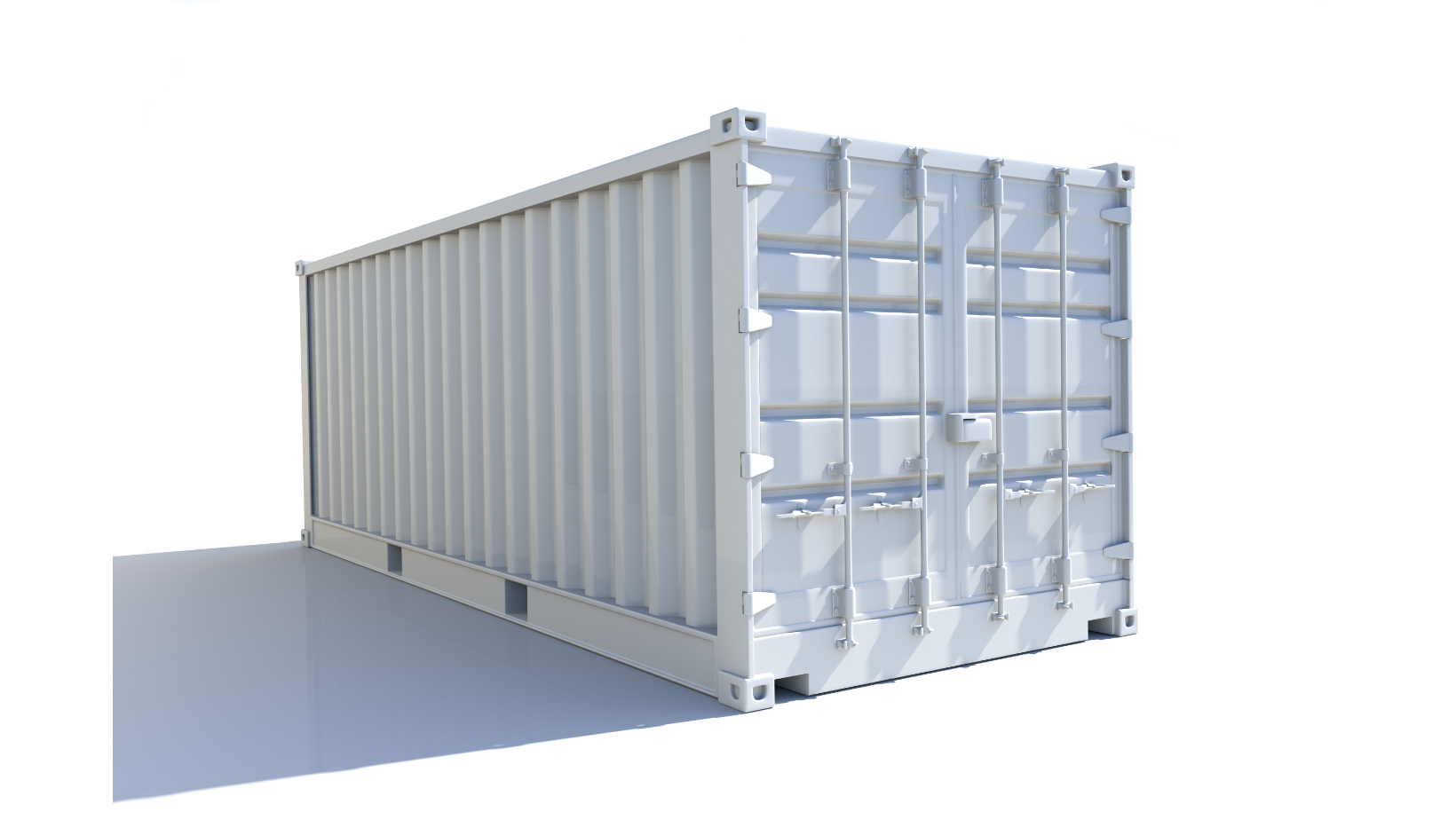
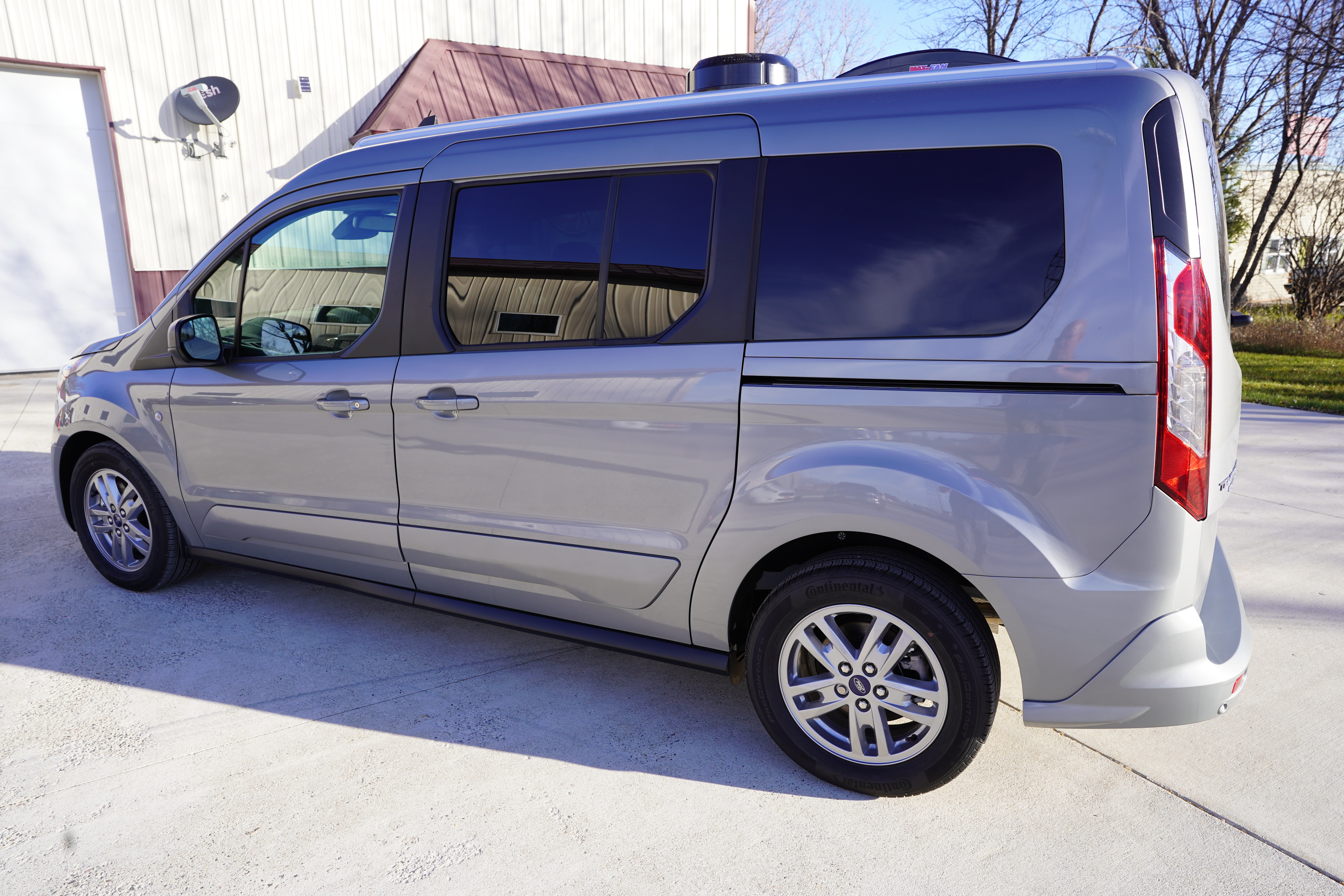
The Ford Transit Connect Mini-T Campervan has an unusual capability for a Class B RV. Its dimensions allow it to fit inside a standard 20-foot shipping container, creating transportation possibilities that are unavailable to many larger campervans and motorhomes.
This particular advantage applies specifically to the Transit Connect Mini-T Campervan. The Chrysler Pacifica and Voyager Mini-T Campervans are larger vehicles and do not fit within a standard 20-foot shipping container.
When Vehicle Dimensions Change the Transportation Options
Most of the time, a campervan travels under its own power. Drive across Minnesota, across the United States or across Canada and its dimensions primarily affect everyday considerations such as parking, storage and maneuverability. International transportation introduces an entirely different set of considerations.
Larger RVs generally cannot be enclosed within a standard shipping container. Moving them by sea may therefore require other methods, including roll-on/roll-off service or specialized cargo arrangements. A vehicle that can be containerized has another potential transportation method available.
The Ford Transit Connect Mini-T Campervan is small enough to take advantage of that option while remaining a complete campervan designed for travel and camping.
Why a 20-Foot Shipping Container Is Significant
Standardized shipping containers are fundamental to modern freight transportation. A container can move between trucks, trains, terminals and ships without requiring its contents to be individually transferred each time the mode of transportation changes.
For a campervan that can be properly loaded and secured inside one, that creates an interesting possibility. Instead of the vehicle itself remaining exposed throughout much of the journey, it can travel enclosed within the container as the container moves through established freight networks.
This does not mean shipping a campervan is as simple as driving it into a container and closing the doors. Proper loading, clearance, vehicle securement, carrier requirements and destination regulations all have to be considered. But fitting within the physical envelope of the container makes the option possible in the first place.

Protection While the Campervan Is in Transit
Containerized transportation can also provide a degree of environmental protection. Once properly loaded and secured, the campervan is enclosed rather than remaining directly exposed to weather and the surrounding transportation environment.
That enclosure can help protect the vehicle from rain, road debris and salt spray while also reducing general exposure during portions of handling, storage and transportation.
For someone moving a vehicle a considerable distance, particularly by sea, that can be an appealing characteristic of containerized transport.
International Travel and Relocation
The advantage becomes easiest to understand when imagining travel that extends beyond North American roads. Someone relocating internationally may want to bring a familiar vehicle rather than replace it after arriving. A traveler planning an extended stay abroad may similarly prefer having the campervan that is already part of everyday life at home.
Military assignments, employment relocations, seasonal living and extended international travel can all create situations in which transporting a vehicle becomes part of a much larger move.
Whether shipping a particular campervan makes financial or logistical sense will depend on the destination and circumstances. The important distinction is that the Transit Connect Mini-T's dimensions preserve an option that larger RVs may not have.
The Same Dimensions Provide Benefits at Home
Perhaps the most interesting part of this capability is that the Ford Transit Connect Mini-T Campervan was not made small simply so it could fit inside a shipping container. Container compatibility is a byproduct of dimensions that provide advantages during ordinary ownership as well.
The same relatively small footprint makes the Transit Connect Mini-T easy to maneuver through cities, convenient in standard parking spaces and practical on scenic roads. Its height allows it to fit in many residential garages, helping make campervan ownership workable for people who do not want to store a large RV somewhere else between trips.
Most owners may never put their Mini-T inside a shipping container. They can still benefit from those dimensions every time they pull into a parking space, park at home or head out on another trip.
An Unusual Capability for a Class B RV
There is a tendency in the RV world to think about size primarily in terms of how much can fit inside a vehicle. But exterior dimensions affect far more than interior space. They influence where an RV can be stored, where it can be driven, how easily it can be parked and, in this particular case, even how it can potentially be transported across an ocean.
The Ford Transit Connect Mini-T Campervan's ability to fit inside a standard 20-foot shipping container is admittedly a specialized benefit. Many owners will never need it.
But that is also what makes it interesting. It demonstrates how exterior dimensions that make a campervan practical in everyday life can also create possibilities that extend far beyond the campground.
Note: The ability to fit within a shipping container does not by itself establish eligibility for any particular shipping service. Container dimensions, door clearances, loading and securement procedures, carrier requirements, vehicle preparation, customs regulations, import requirements, costs and destination rules vary. Anyone considering domestic or international vehicle transport should confirm current requirements with qualified shipping professionals and the applicable authorities before making travel or transportation arrangements.
DLM-Distribution / Campervans is a licensed manufacturer and dealer located in Lake Crystal, Minnesota, serving clients around the country.
Contact Dave: 651-285-7089 or Candy: 507-382-9446 today!