
Why a Small Campervan Often Makes More Sense Than a Large Motorhome
Imagine two travelers preparing for the same road trip. Both want to explore scenic highways, spend time in national parks, discover interesting small towns, and enjoy the freedom of having their own accommodations along the way. One chooses a large motorhome with an expansive interior. The other chooses a small campervan with the essentials for comfortable travel.
At first glance, the larger motorhome might seem like the obvious winner. There is more room to move around, more storage, and often a full bathroom and larger kitchen. But once the journey begins, something interesting happens. The size that makes the larger RV comfortable at a campsite can also influence where it can park, which roads it can comfortably travel, how much fuel it uses, and how easily its owners can change their plans.
That is where a small campervan begins to make a compelling case for itself. Rather than trying to bring all the conveniences of a house onto the road, a thoughtfully designed campervan provides the accommodations travelers actually need while keeping the vehicle practical for the places they want to visit.
The difference is not simply the size of the RV. It is how that size shapes the entire travel experience.
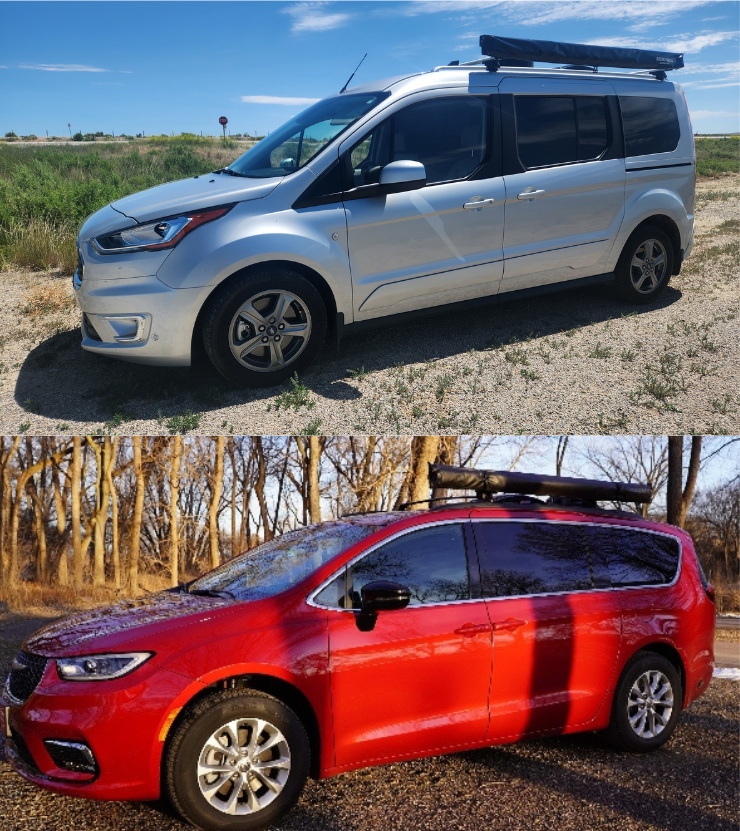
When the Journey Matters as Much as the Destination
A large motorhome can be wonderful once it is parked at a campground. But what about the hours and days spent getting there? For travelers who enjoy moving from place to place, stopping at scenic overlooks, exploring communities, and following interesting roads, the driving experience becomes an important part of the vacation.
With a small campervan, stopping for groceries, visiting a museum, finding a restaurant, or pulling into a scenic parking area generally requires little more planning than it would in a passenger vehicle. There is no need to search for oversized parking at every stop or constantly consider whether a narrow street will accommodate the vehicle.
That flexibility changes the rhythm of travel. Instead of concentrating primarily on reaching the next campground, travelers can enjoy the places between destinations. A roadside attraction becomes worth investigating. A small-town festival can turn into an afternoon stop. A beautiful stretch of highway might lead to an entirely different route.
For people who enjoy discovering places rather than simply driving between reservations, a smaller RV can make the journey itself considerably more enjoyable.
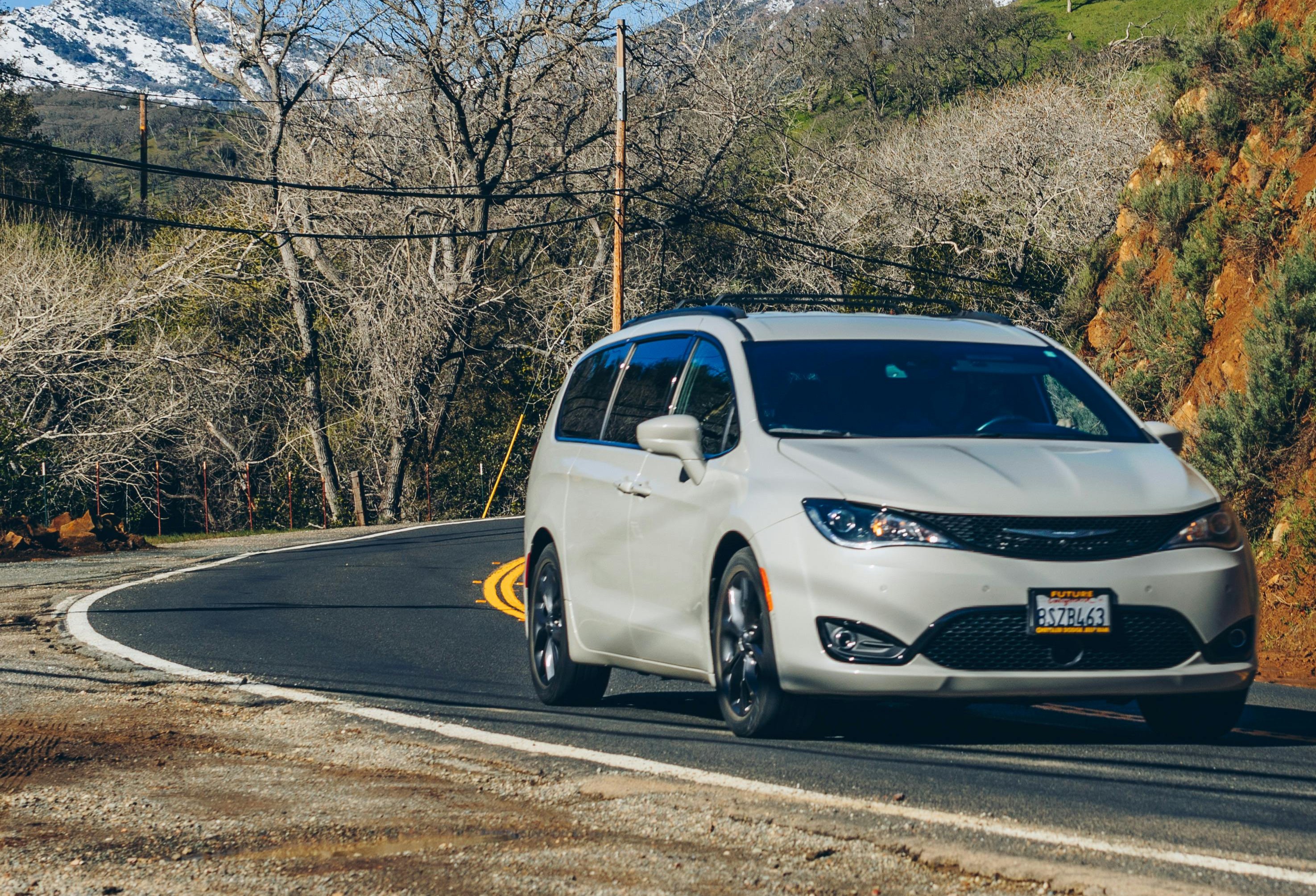
Driving an RV Should Not Feel Like a Special Event
One of the less-discussed realities of large motorhome ownership is that driving the vehicle can become an activity requiring considerable preparation. Owners may need to think about vehicle height, turning radius, parking availability, fuel station access, and campground maneuvering before leaving home.
These considerations are manageable, and many people become very comfortable driving large RVs. Nevertheless, they are part of the ownership experience.
A small campervan offers a different relationship with the road. Built on a familiar automotive platform, it is generally easier to maneuver through ordinary traffic, shopping areas, visitor centers, and campground roads. Driving through a town does not automatically require finding a place to park outside the downtown area.
This matters especially when traveling through regions with narrow roads, older communities, mountain routes, or busy tourist destinations. A smaller vehicle does not eliminate every restriction, but it can substantially reduce the amount of planning required simply to get from one interesting place to another.
And when driving feels familiar, taking a trip often feels like less of a production.
The Part of RV Ownership That Happens Between Vacations
It is easy to picture the perfect campsite when shopping for a motorhome. It is less exciting to think about where that motorhome will spend the other weeks and months of the year.
Yet storage is one of the most important practical differences between a large RV and a garageable campervan. Many motorhomes require an outdoor parking area, a dedicated RV shelter, or rented storage space. Beyond the expense, off-site storage adds another step whenever owners want to take a trip. The RV must be retrieved, prepared, and eventually returned.
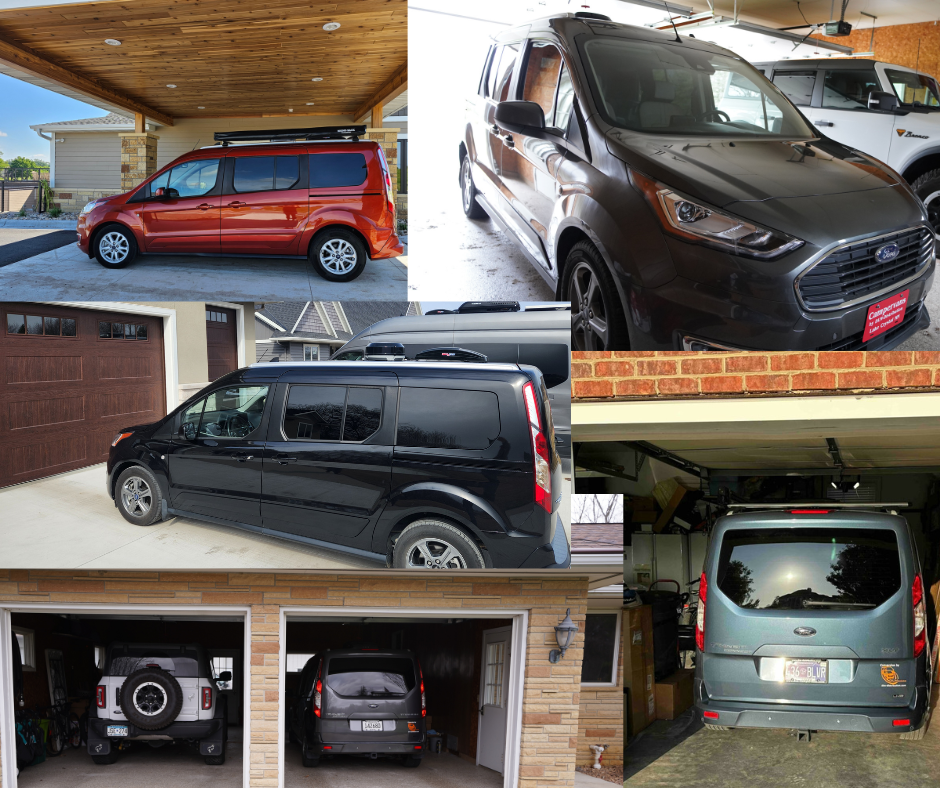
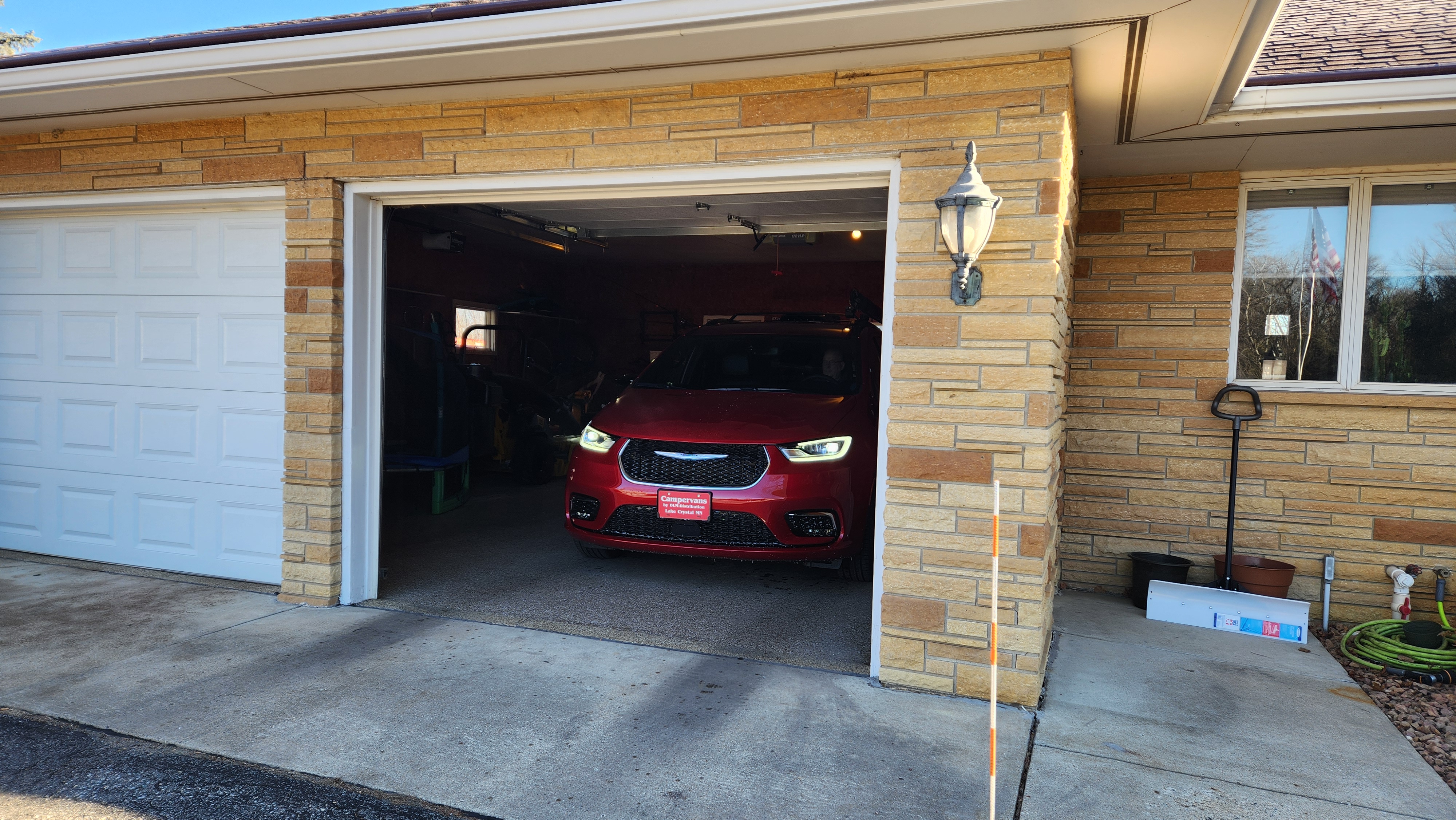
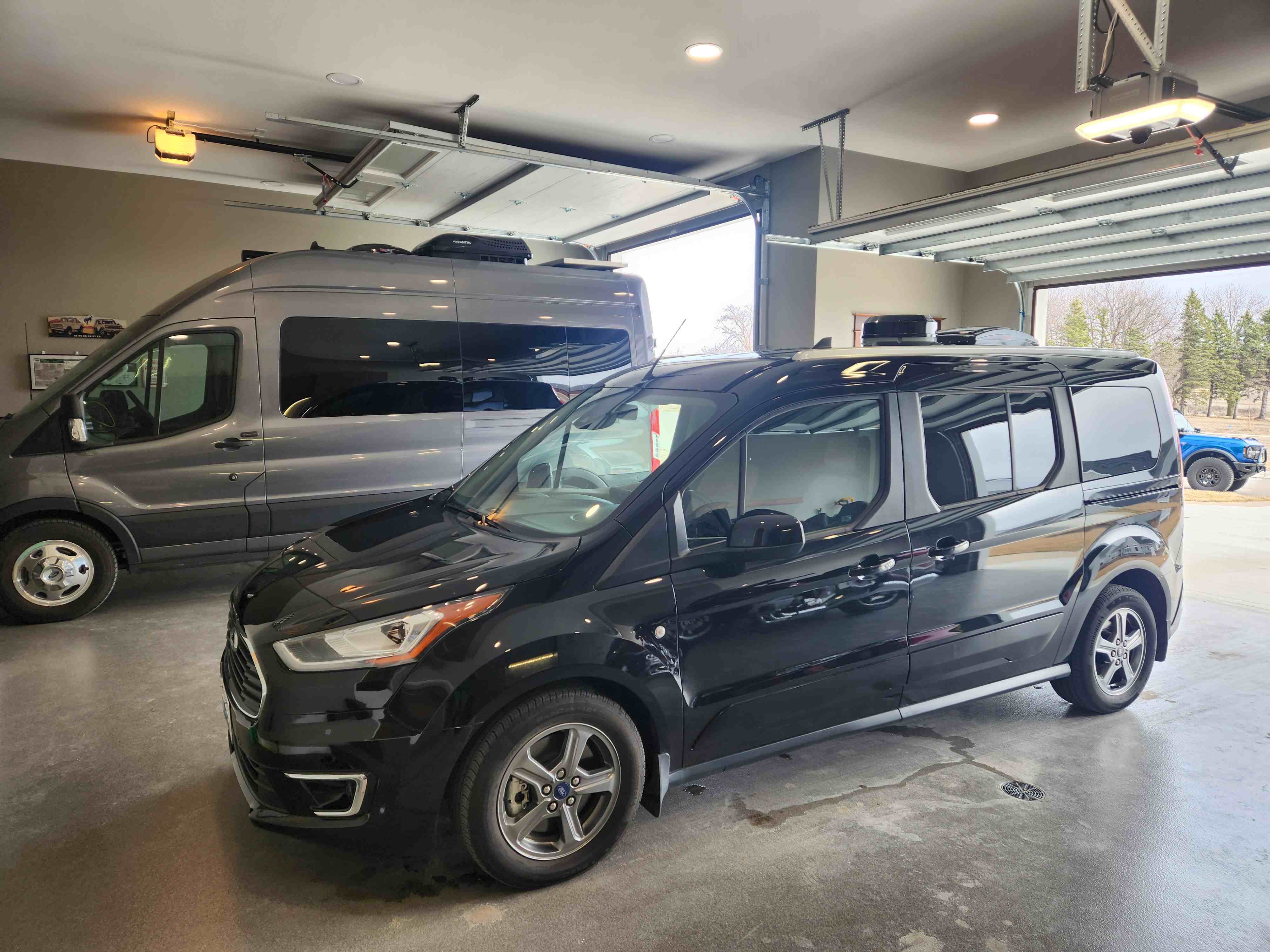
A campervan that fits in a residential garage changes that routine completely. It can remain at home, protected from much of the weather and readily available for an overnight trip, a long weekend, or an extended vacation. There is no separate trip to a storage facility before the adventure can begin.
Garage storage is particularly valuable in neighborhoods governed by homeowners associations. For homeowners whose communities restrict outdoor RV parking, a campervan designed to fit in a standard residential garage can make RV ownership practical without requiring a separate storage arrangement.
Not every small campervan is garageable, of course. Roof equipment, vehicle height, door clearance, and garage depth all matter. But when a campervan is specifically manufactured with garage storage in mind, it can offer an ownership advantage that goes well beyond convenience.
More Choices When It Is Time to Stop for the Night
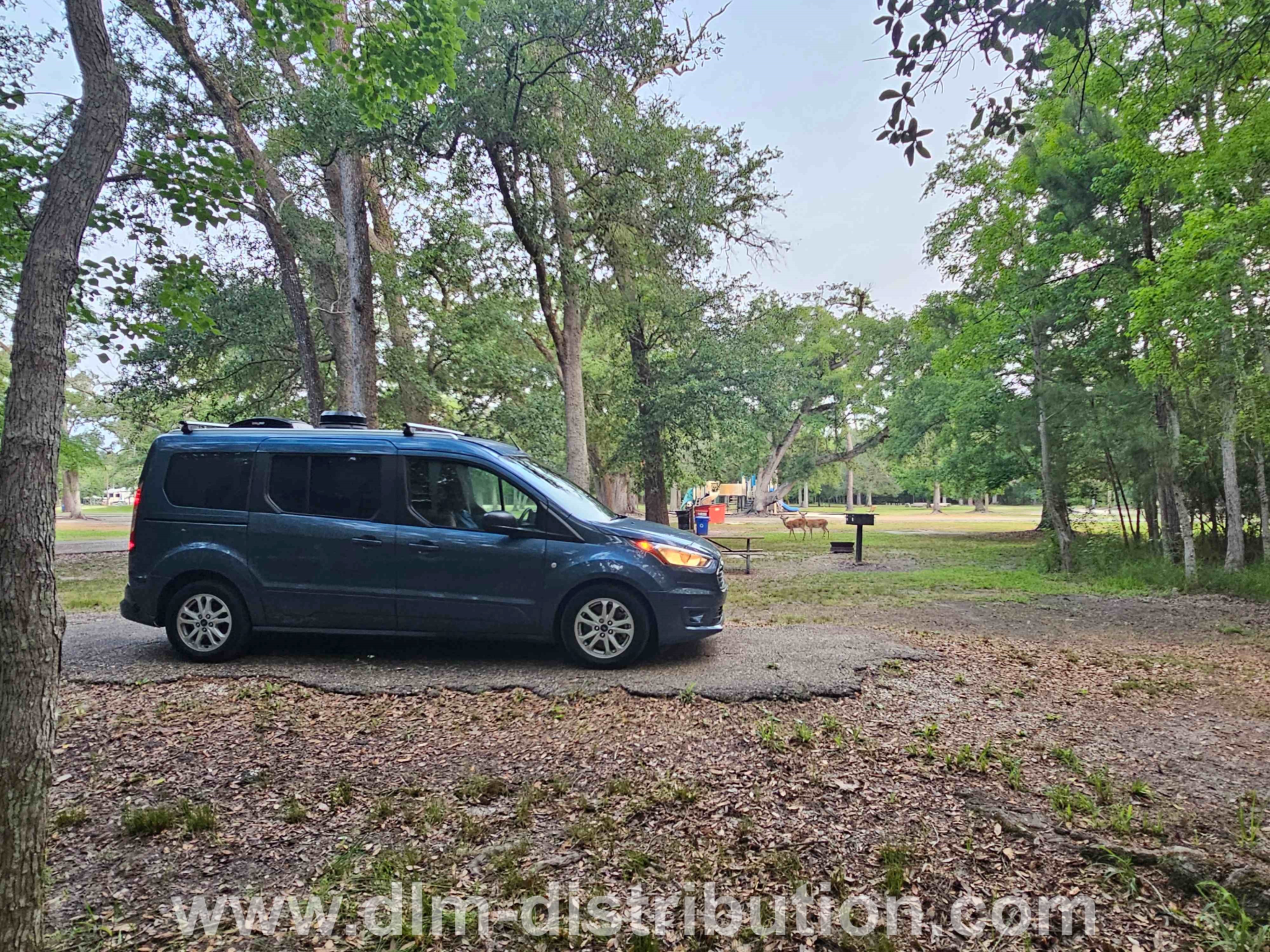
One of the pleasures of road travel is discovering a campground that feels like part of the destination. It might be a quiet state park tucked into the woods, a small campground beside a lake, or a national park site within walking distance of a trail.
Larger motorhomes can enjoy many wonderful campgrounds, but their length and maneuvering requirements may limit which individual sites are available. Older campgrounds, in particular, were not always designed around today's larger recreational vehicles.
A small campervan can fit into a wider selection of campsites, including many sites that would be unsuitable for a longer motorhome. This does not guarantee availability or eliminate the need for reservations, but it provides more flexibility when choosing where to stay.
It also changes how a traveler approaches the day. Rather than selecting destinations primarily around the needs of the RV, the traveler can often select a destination first and make the camping arrangements afterward.
Fuel Economy Changes What a Road Trip Costs
Fuel economy becomes increasingly important when a vacation involves thousands of miles rather than a short drive to one campground.
Consider a 3,000-mile road trip with gasoline priced at $3.50 per gallon. A large gasoline motorhome averaging 9 MPG would consume approximately 333 gallons, costing about $1,167. A small campervan averaging 24 MPG would use 125 gallons, costing about $438.
That is a difference of approximately $729 on one trip, based on those illustrative fuel economy figures. Actual mileage varies by vehicle, loading, terrain, speed, weather, and driving conditions, but the principle is straightforward: the farther someone travels, the more important fuel efficiency becomes.
Those savings can become additional nights at campgrounds, admission to attractions, meals at local restaurants, or simply more money available for another trip.
For travelers who enjoy covering substantial distances, fuel economy is not just a vehicle specification. It can influence how often they travel and how much of the country they are comfortable exploring.
One Vehicle Can Be Enough for the Entire Trip
Some owners of large motorhomes tow a passenger vehicle so they can explore once the motorhome is parked. It is a practical solution for those who want the comfort of a larger living area and the convenience of a smaller vehicle at their destination.
However, towing a second vehicle also introduces additional equipment, maintenance, expense, and travel considerations. Not every large motorhome owner needs or uses a towed vehicle, but for those who do, it becomes another part of the RV experience.
A small campervan simplifies the arrangement by combining the accommodations and transportation in one vehicle. Travelers can drive to a campground, spend the night, and use the same vehicle to visit a nearby town or attraction the following day.
There is no separate vehicle to connect, disconnect, maintain, or bring along simply to make local exploration convenient.
For people who prefer to travel frequently and keep moving, this simplicity can be more valuable than having additional interior living space.
How Much Interior Space Do You Actually Need?
This may be the most important question of all, because it is where the advantages of a large motorhome deserve serious consideration.
A larger RV can provide standing room throughout, a full bathroom, a larger kitchen, additional sleeping accommodations, and more room for people to spend time indoors. For families, full-time RV residents, or travelers who remain in one location for extended periods, these advantages may outweigh the additional size and expense.
But not everyone travels that way.
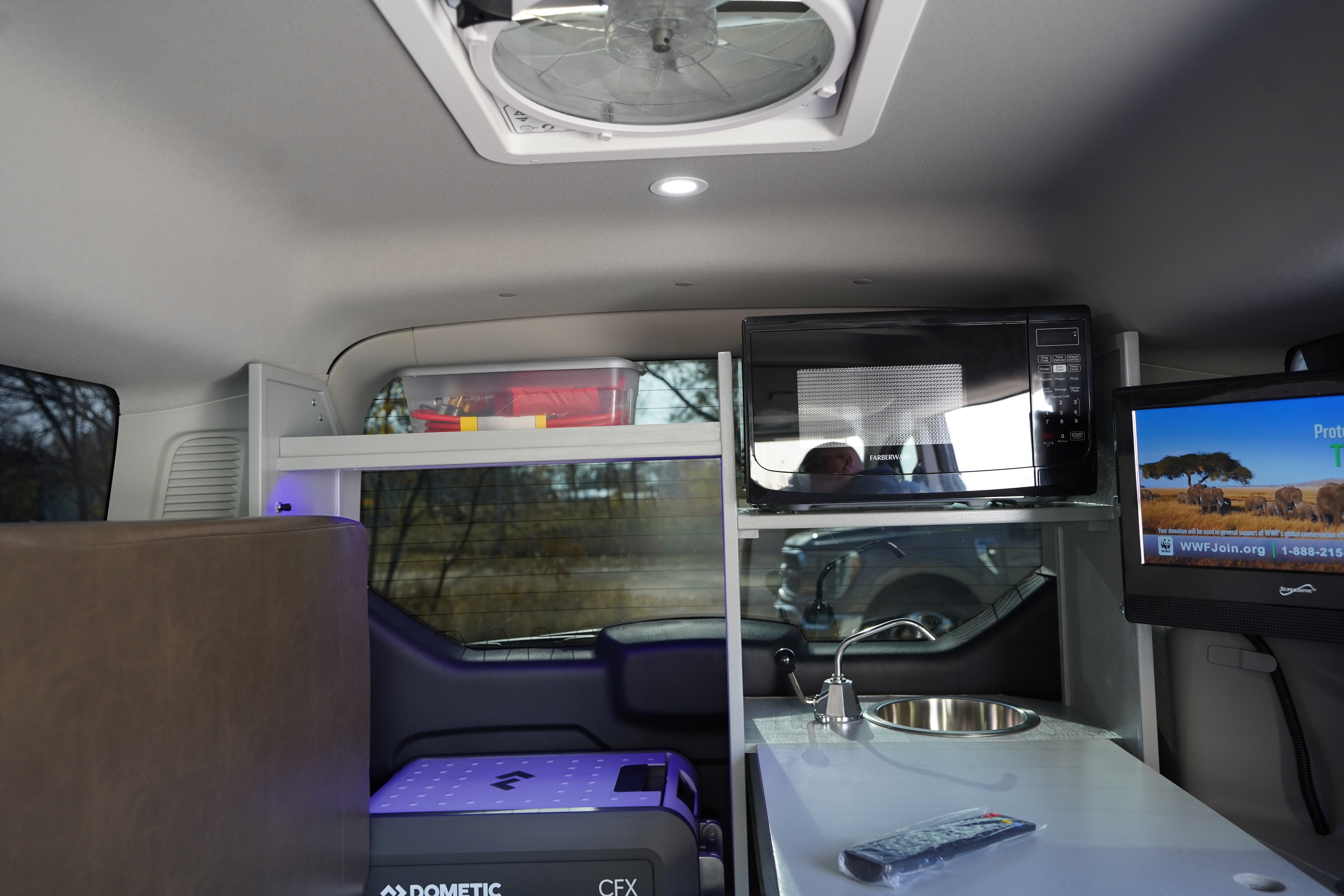
For two people who spend much of their time exploring, hiking, sightseeing, visiting family, or enjoying the outdoors, the campervan often serves a different purpose. It provides a comfortable place to sleep, a way to prepare meals, refrigeration for food and drinks, storage for personal belongings, and the independence of traveling with familiar accommodations.
The question becomes less about how much living space a vehicle can contain and more about whether it provides the features its owners will actually use.
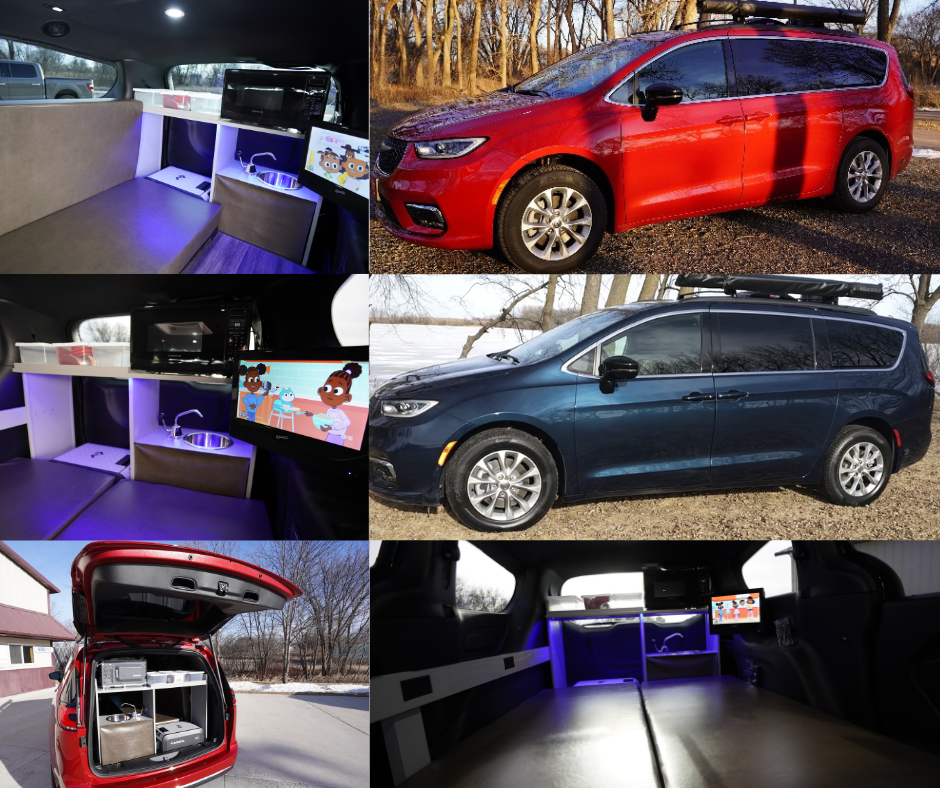
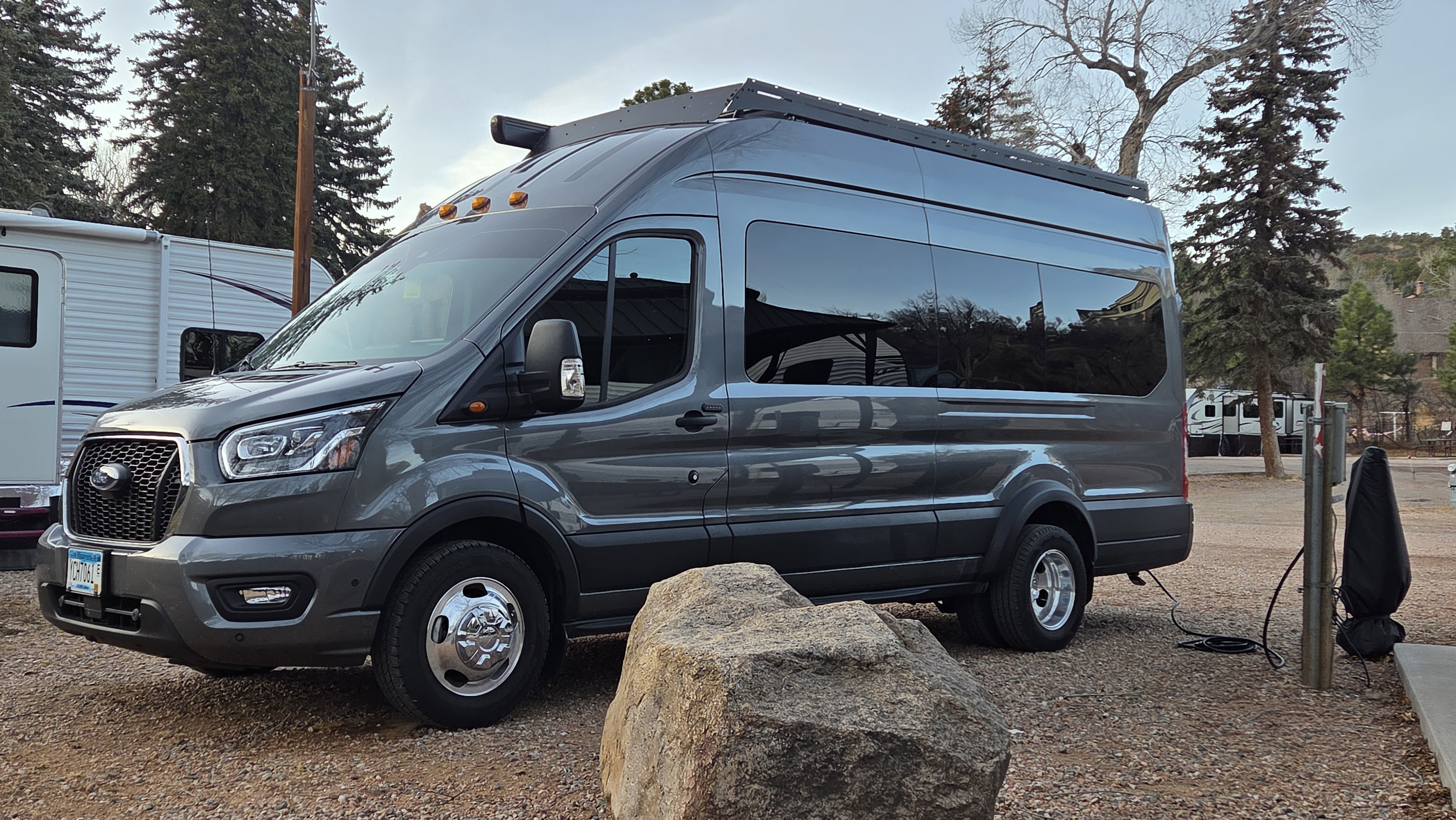
The Mini-T Campervan illustrates this approach. Its design brings together sleeping accommodations for two, a refrigerator, microwave, sink, storage, ventilation, and an integrated electrical system capable of supplying 120V power away from campground hookups without requiring a generator. Solar charging, charging while driving, and shore power provide flexibility for different travel situations.
Rather than attempting to reproduce a full-size motorhome interior, the Mini-T focuses on making the essential parts of travel convenient and easy to use.
Ownership Costs Extend Beyond the Purchase Price
The purchase price is only one part of owning an RV. Fuel, insurance, tires, maintenance, repairs, registration, storage, and other expenses continue long after the initial purchase.
Larger motorhomes may require more expensive tires, specialized service facilities, additional maintenance for onboard equipment, and separate storage arrangements. These costs vary considerably, and a smaller campervan is not automatically inexpensive to maintain. Nevertheless, its automotive platform and simpler overall configuration can make routine ownership more manageable.
There is another cost that is difficult to put on a spreadsheet: the time and effort involved in keeping a recreational vehicle ready to travel.
An RV that requires a lengthy preparation process can gradually become something owners use only for major vacations. A campervan that is already at home, easy to drive, and practical to operate makes it easier to turn an ordinary weekend into an opportunity to go somewhere.
The most economical recreational vehicle is not necessarily the one with the lowest purchase price. It is the one that provides lasting value through the amount of use and enjoyment its owners actually receive.
There Is a Difference Between Owning an RV and Using One
Imagine returning home from a wonderful two-week vacation. With a large motorhome, the next steps may involve cleaning, unloading, preparing the vehicle for storage, and arranging transportation home from the storage facility.
With a garageable campervan, the end of the trip can be remarkably ordinary. Pull into the driveway, unload what you need, and park in the garage. The vehicle is home, protected, and available whenever the next opportunity arises.
That simplicity can change how people think about travel. A two-night getaway no longer needs to justify an elaborate departure routine. Visiting relatives several hours away becomes easier when overnight accommodations are already part of the vehicle. A scenic drive can turn into an overnight adventure without needing a hotel reservation.
And because many small campervans can also serve as everyday transportation, the vehicle does not have to sit unused between vacations. It remains part of daily life rather than becoming a separate possession that requires special attention.
This is one reason the smaller approach to RV ownership appeals to travelers who want more opportunities to get away, not simply a larger vehicle in which to get away.
When a Large Motorhome Is the Better Choice
A fair comparison should acknowledge that a small campervan is not the right answer for everyone. If you regularly travel with several people, need a full bathroom, want substantial indoor living space, or plan to stay in one campground for months at a time, a larger motorhome may be much more comfortable.
Likewise, travelers who spend extended periods indoors or need extensive storage for equipment may appreciate the additional room and amenities of a larger RV.
The important distinction is between the way an RV looks during a showroom visit and the way it will actually be used. An expansive interior is appealing, but its value depends on how much time you expect to spend inside it and what you are willing to manage in exchange.
For some travelers, the added space is essential. For others, it is space they will spend money transporting, storing, and maintaining while rarely needing it.
Choosing the RV That Makes Travel Easier
The appeal of a small campervan is not that it can do everything a large motorhome can do. It cannot, and it does not need to.
Its strength is that it can make the ordinary parts of travel easier. Driving, parking, exploring, finding a campsite, preparing a simple meal, and returning home all become part of a more manageable experience.
For travelers who want a comfortable place to sleep, practical camping amenities, economical transportation, and the freedom to explore without organizing every stop around a large vehicle, a small campervan may provide a better balance than a traditional motorhome.
Ultimately, the best RV is not measured by how much space it provides while parked. It is measured by how well it helps its owners enjoy the places they want to visit.
Sometimes the greatest freedom comes not from bringing more along, but from needing less to make the journey worthwhile.
Happy Travels & Happy Camping!

DLM-Distribution / Campervans is a licensed manufacturer and dealer located in Lake Crystal, Minnesota, serving clients around the country.
Contact Dave: 651-285-7089 or Candy: 507-382-9446 today!