North Dakota Road Trip Guide: Theodore Roosevelt National Park, Scenic Drives, Camping, and Hidden Gems
North Dakota is one of America’s most overlooked road-trip destinations. Travelers who venture beyond the interstate quickly discover a state filled with dramatic Badlands, sweeping prairie, winding rivers, quiet lakes, historic frontier towns, wildlife-rich landscapes, and scenic highways that still feel open and uncrowded.
Unlike destinations where traffic, long lines, and packed parking lots shape the experience, North Dakota rewards travelers who enjoy slowing down. Scenic drives lead to unexpected overlooks. Small towns reveal local history. Campgrounds are often quieter than those in better-known western states. Wildlife sightings feel authentic, and the landscape has a spaciousness that is increasingly rare.
For travelers exploring by Mini-T Campervan, North Dakota offers something especially valuable: freedom. It is a state made for open-road travel, flexible itineraries, scenic pull-offs, state parks, national park campgrounds, and quiet places that are best discovered one mile at a time.

Theodore Roosevelt National Park: North Dakota’s Crown Jewel
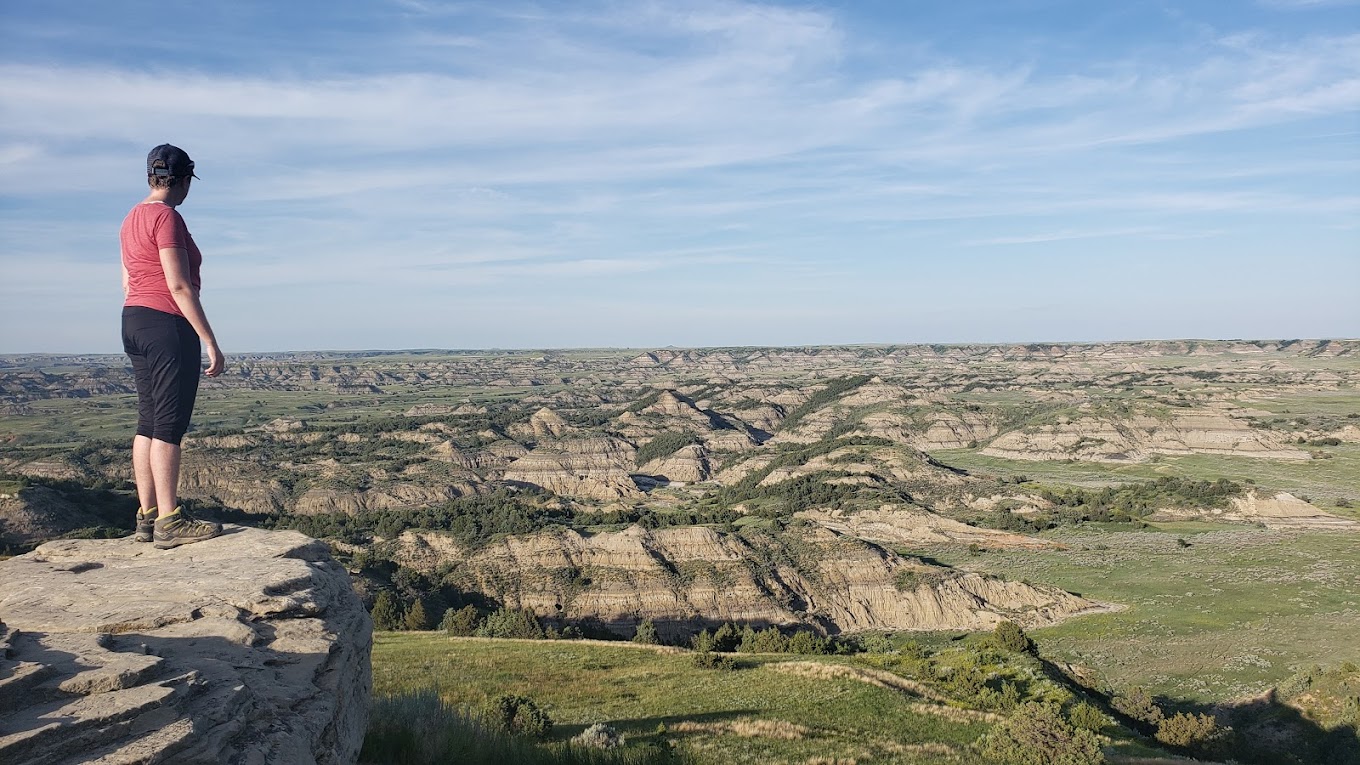
No North Dakota road trip is complete without time in Theodore Roosevelt National Park. Located in the western part of the state, the park protects a rugged section of the North Dakota Badlands where colorful clay buttes, grasslands, river valleys, and wide-open views create one of the most distinctive landscapes in the Great Plains.
The park is also one of the best places in the region to watch wildlife. Visitors may see bison, wild horses, elk, deer, prairie dogs, coyotes, raptors, and other species that thrive in this mix of prairie and Badlands terrain. Early morning and evening are often especially rewarding for wildlife viewing and photography.
Theodore Roosevelt National Park is made up of three separate units:
- South Unit near Medora — the most visited section, with scenic drives, overlooks, hiking trails, visitor services, and easy access from Interstate 94.
- North Unit near Watford City — quieter, more remote, and known for dramatic scenery, wildlife, and outstanding overlooks above the Little Missouri River.
- Elkhorn Ranch Unit — a more secluded historic site connected to Theodore Roosevelt’s time in the Badlands.
The South Unit is often the easiest starting point for first-time visitors, while the North Unit rewards those willing to drive farther with a quieter and more expansive experience. Together, they reveal why this landscape had such a lasting influence on Theodore Roosevelt’s conservation values.
Painted Canyon: A Memorable First Look at the Badlands
For many travelers, Painted Canyon is the first dramatic introduction to Theodore Roosevelt National Park. Located along Interstate 94, the Painted Canyon area offers sweeping views across layered Badlands formations, prairie, and open sky.
It is an ideal stop even for travelers with limited time. The overlook provides an immediate sense of the region’s scale, color, and geology, making it one of the most accessible and rewarding viewpoints in western North Dakota.
Sunrise and sunset can be especially impressive as the Badlands shift through shades of gold, orange, red, and purple. For road-trippers, it is the kind of stop that often turns a quick break into a lasting memory.
Historic Medora: Gateway to the Badlands
Just outside the South Unit of Theodore Roosevelt National Park, Medora serves as one of North Dakota’s most beloved travel destinations. This historic western town is compact, walkable, scenic, and closely tied to the history of the Badlands.
Visitors can explore local shops, restaurants, museums, and historic attractions while using Medora as a convenient basecamp for hiking, scenic drives, wildlife viewing, and photography inside the park. The town is also known for the Medora Musical, a popular outdoor summer production that has become part of the state’s travel identity.
The North Dakota Cowboy Hall of Fame and other historical attractions give Medora more depth than a typical gateway town. Many visitors arrive expecting a quick stop and end up staying longer than planned.

Scenic Drives Across the Badlands
North Dakota offers some of the most underrated scenic drives in the Midwest and Great Plains region. In Theodore Roosevelt National Park, scenic park roads provide access to overlooks, trailheads, wildlife areas, and Badlands formations that look different throughout the day as the light changes.
Outside the park, western North Dakota’s backroads reveal ranchlands, buttes, grasslands, river breaks, and quiet viewpoints that many travelers never see. This is a state where some of the best moments happen between the well-known stops.
For photographers, the Badlands are especially rewarding in early morning and late evening. Low-angle light brings out the texture of the hills, while wide-open skies create dramatic backgrounds for wildlife, landscapes, and road-trip photography.
The Maah Daah Hey Trail and Outdoor Adventure
One of North Dakota’s greatest outdoor treasures is the Maah Daah Hey Trail, a long-distance trail system through the Badlands and Little Missouri National Grassland. The trail is especially well known among mountain bikers, hikers, trail runners, and horseback riders.
Even travelers who do not plan to complete long sections of the trail can appreciate the landscape it passes through. The Maah Daah Hey region offers rugged scenery, solitude, wildlife, and a deeper look at the Badlands beyond the overlooks and main roads.
For campervan travelers, this kind of destination is part of what makes North Dakota so appealing. You can combine scenic driving, short hikes, photography, camping, and small-town stops without needing a rigid itinerary.
Lake Sakakawea State Park
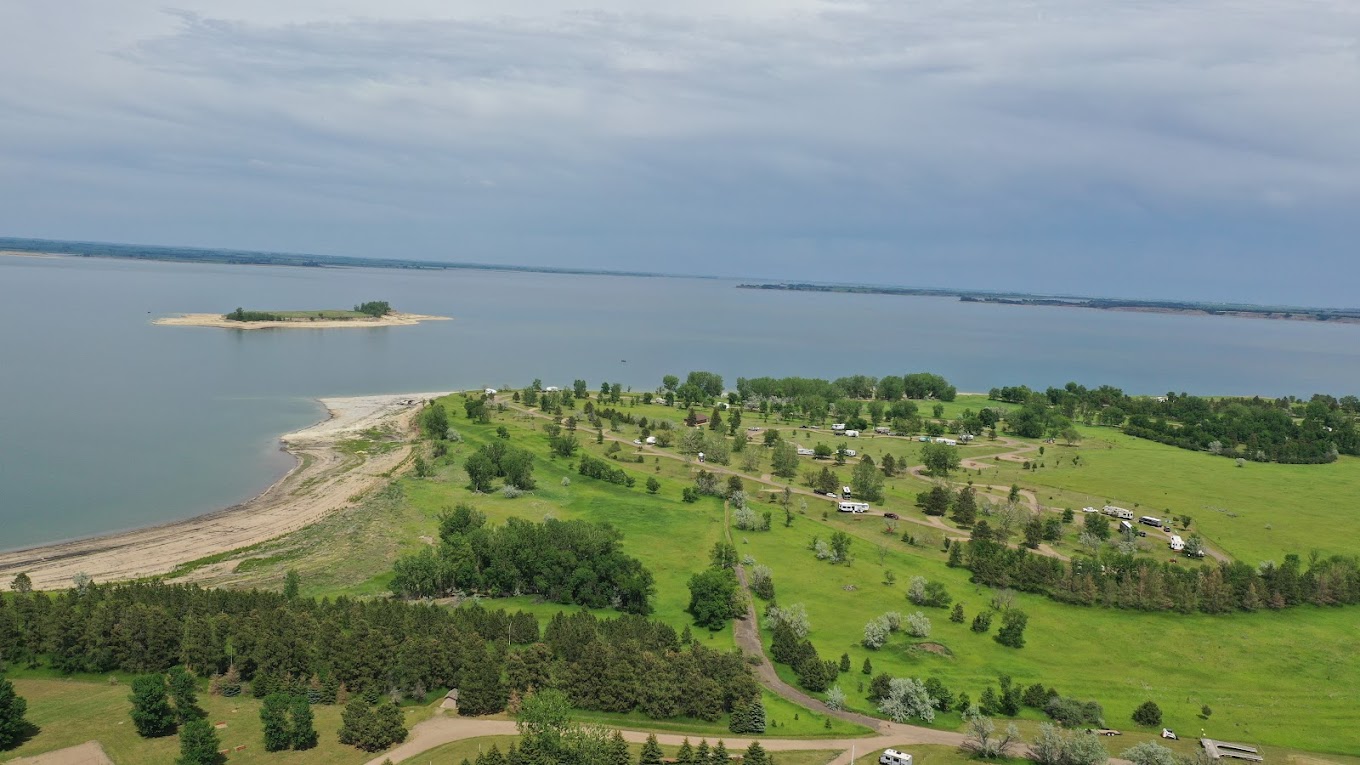
While western North Dakota is famous for the Badlands, central North Dakota offers a very different kind of beauty. Lake Sakakawea State Park sits along one of the largest reservoirs in the United States and provides a relaxing contrast to the rugged landscapes farther west.
The lake stretches across a large portion of the state and offers opportunities for boating, fishing, kayaking, paddleboarding, camping, wildlife viewing, and lakeside relaxation. For travelers crossing North Dakota, it can be an ideal place to slow down and enjoy time near the water.
The park’s campground and recreational setting make it a strong stop for campervan travel, especially for those who enjoy pairing scenic drives with quiet evenings outdoors.
Fort Stevenson State Park and the Garrison Area
Another excellent Lake Sakakawea destination is Fort Stevenson State Park near Garrison. The park offers camping, lake access, trails, boating, fishing, and open views across the water.
This region works well for travelers who want a slower pace between Badlands exploration and central or eastern North Dakota destinations. It is also a good reminder that North Dakota is not only a prairie and Badlands state; it is also a lake, river, and recreation state.
Fort Abraham Lincoln State Park
Located near Bismarck and Mandan, Fort Abraham Lincoln State Park combines history, recreation, and scenic views over the Missouri River Valley.
Visitors can explore reconstructed military buildings, Native American earth lodges, hiking trails, and interpretive areas that help tell the story of the region’s cultural and frontier history. The park also offers camping, making it a practical stop between eastern and western North Dakota.
For road-trippers, Fort Abraham Lincoln State Park is especially valuable because it offers both outdoor recreation and meaningful historical context in one location.
Knife River Indian Villages National Historic Site
Knife River Indian Villages National Historic Site preserves an important part of the region’s Indigenous history. Located near Stanton, the site interprets the lives of the Northern Plains people who lived, traded, farmed, and built communities along the Knife and Missouri Rivers.
Visitors can walk trails, view village sites, learn about earthlodge communities, and gain a deeper understanding of the cultural history that shaped this part of North Dakota long before modern highways crossed the prairie.
Including this stop in a North Dakota road trip adds important historical depth and helps balance the state’s natural scenery with the human stories connected to the land.
Fort Union Trading Post National Historic Site
Near the North Dakota-Montana border, Fort Union Trading Post National Historic Site preserves one of the most important fur trade sites on the Upper Missouri River.
Unlike a military fort, Fort Union was built for trade. It became a major meeting place for Native nations, traders, travelers, and explorers during the 1800s. Today, the reconstructed post gives visitors a more complete understanding of commerce, culture, and life along the Missouri River during an important period of American history.
For travelers already visiting the North Unit of Theodore Roosevelt National Park or exploring the Williston area, Fort Union is well worth adding to the itinerary.
The Enchanted Highway
One of North Dakota’s most unique roadside attractions is the Enchanted Highway. This route between Gladstone and Regent features a series of enormous metal sculptures created by local artist Gary Greff.
Giant grasshoppers, pheasants, deer, fish, and other imaginative works rise above the prairie and can often be seen from a distance. The Enchanted Highway has become one of the state’s most photographed attractions and a perfect example of why road trips are often made memorable by unexpected discoveries.
For campervan travelers, the Enchanted Highway is easy to enjoy at a relaxed pace. Each sculpture becomes a reason to stop, stretch, take photos, and appreciate the creativity that gives this rural route its character.
Devils Lake and Grahams Island State Park
Devils Lake is one of North Dakota’s best-known outdoor recreation areas. The region is popular for fishing, birding, boating, hiking, camping, and lake-based travel. Nearby Grahams Island State Park offers camping and access to the lake, making it a useful stop for travelers exploring the northeastern portion of the state.
The Devils Lake area provides another example of North Dakota’s diversity. After time in the Badlands or along the Missouri River, the open water and lake-country atmosphere feel like an entirely different trip.
International Peace Garden
Along the North Dakota-Canadian border, the International Peace Garden offers one of the state’s most distinctive destinations. Created as a symbol of friendship between the United States and Canada, the garden features floral displays, walking paths, memorials, ponds, natural areas, and peaceful places to explore.
The setting is especially meaningful because it sits at the border itself, giving visitors a destination that feels both scenic and symbolic. For travelers who enjoy gardens, quiet walks, photography, and unusual road-trip stops, the International Peace Garden is a memorable addition to a North Dakota route.
Pembina Gorge and Northeastern North Dakota
Pembina Gorge reveals another side of North Dakota that surprises many first-time visitors. Located in the northeastern part of the state, the area includes forested hills, river valleys, wildlife habitat, scenic overlooks, and outdoor recreation opportunities.
This part of North Dakota feels very different from the Badlands and wide-open prairie. It is a reminder that the state’s landscapes are more varied than many travelers expect, with destinations that reward those willing to explore beyond the most famous stops.
Scandinavian Heritage Park and Minot
In Minot, Scandinavian Heritage Park celebrates the region’s Nordic heritage through architecture, cultural displays, statues, and landmarks. It is an easy and worthwhile stop for travelers crossing northern North Dakota.
Minot also serves as a practical road-trip hub with restaurants, fuel, services, and nearby access to additional northern-state destinations. For those building a longer route across the state, it can be a useful overnight or resupply stop.
Fargo and Eastern North Dakota
Eastern North Dakota offers a different travel experience from the Badlands and Missouri River country. Fargo, the state’s largest city, provides museums, restaurants, downtown attractions, parks, and access to the Red River Valley.
For travelers entering North Dakota from Minnesota or continuing west across the state, Fargo can be a convenient starting point. It also provides a helpful contrast to the rural landscapes and smaller towns that define much of the rest of the trip.
Camping Opportunities Across North Dakota
One of North Dakota’s greatest strengths as a road-trip state is the variety of camping options available. Travelers can choose from national park campgrounds, state park campgrounds, lakefront sites, private RV parks, recreation areas, and smaller campgrounds in towns and rural communities.
Camping styles vary widely across the state. Some travelers prefer the scenery and wildlife access of Theodore Roosevelt National Park. Others enjoy the convenience of state park campgrounds near lakes, rivers, trails, and historic sites. Private campgrounds can be helpful for laundry, showers, hookups, and overnight stops during longer trips.
Because tourism levels are often more moderate than in heavily visited western states, North Dakota can provide a more relaxed camping experience, especially for travelers who appreciate space, quiet, and flexibility.
Why North Dakota Works So Well for Campervan Travel
North Dakota’s combination of open roads, manageable traffic, scenic destinations, state parks, public lands, and historic sites makes it exceptionally well suited for campervan travel.
A compact campervan makes it easy to move between destinations while keeping the journey simple. Travelers can stop at overlooks, take short hikes, visit museums, photograph wildlife, explore small towns, and adjust plans as new discoveries appear along the route.
The Mini-T Campervan fits this style of travel especially well because it remains easy to drive and park while still providing comfortable accommodations for road trips and camping. Whether visiting Theodore Roosevelt National Park, spending a night beside a lake, or exploring lesser-known scenic routes, the experience stays flexible and relaxed.

Suggested North Dakota Road Trip Route
For travelers planning a North Dakota road trip, a flexible route might begin in Fargo, continue west toward Bismarck and Fort Abraham Lincoln State Park, then follow the Missouri River region toward Lake Sakakawea and Fort Stevenson State Park.
From there, travelers can continue west to Medora and Theodore Roosevelt National Park, with time for Painted Canyon, the South Unit, the North Unit, and nearby historic sites. Depending on time, the route can also include the Enchanted Highway, Knife River Indian Villages, Fort Union Trading Post, Devils Lake, the International Peace Garden, Pembina Gorge, or Minot.
The best North Dakota trips are not rushed. The state rewards curiosity, quiet stops, scenic detours, and time spent outside the most obvious destinations.
One of America’s Most Underrated Road-Trip States
North Dakota is not a destination that tries to impress visitors with crowds, skylines, or constant activity. Instead, it rewards travelers who appreciate space, history, wildlife, scenic drives, and the simple pleasure of the open road.
From watching bison graze beneath the cliffs of Theodore Roosevelt National Park to driving quiet prairie highways where the next overlook may be yours alone, North Dakota offers the kind of road trip many travelers thought had disappeared.
For those who enjoy camping, photography, hiking, history, lakes, small towns, and uncrowded scenic routes, North Dakota remains one of America’s finest hidden gems.
Sometimes the best destinations are the ones people least expect — and North Dakota continues to prove that point one mile at a time.
Happy Camping!
DLM-Distribution / Campervans is a licensed manufacturer and dealer located in Lake Crystal, Minnesota, serving clients around the country.
Contact Dave: 651-285-7089 or Candy: 507-382-9446 today!