
Winter changes the camping landscape in ways that go well beyond colder temperatures. Campgrounds become quieter, snow transforms familiar forests and state parks, and destinations that can be crowded during summer often take on an entirely different character once the traditional camping season ends.
For travelers interested in experiencing that side of the outdoors, one of the first questions is usually practical: Where can you camp during the winter?
The answer is broader than many people expect. Campgrounds that remain open year-round can be found across much of the country, including in northern states where winter is very much part of the experience. Finding them, however, requires looking beyond whether a park itself is open and determining whether its campground, access roads and necessary services remain available during the dates you plan to visit.
Start by Looking for "Year-Round" Camping
The simplest search term is often the most useful. When researching a destination, look specifically for campgrounds described as open year-round, year-round camping or winter camping. A park may remain open throughout the winter even though its main campground closes, while another may keep only one campground loop or a limited number of sites available.
This distinction is important. Seeing that a state park, national park or recreation area is "open" does not necessarily mean that overnight camping is available. Likewise, a campground listed as open year-round may operate very differently in January than it does in July.
Before building a trip around a particular campground, check the campground's current operating information and reservation calendar. If reservations can be made for your travel dates, that can provide useful confirmation, but seasonal notices should still be reviewed for changes in access or services.
State Parks Are an Excellent Place to Begin
State park systems are particularly useful for winter travelers because many states identify which campgrounds remain available beyond the normal summer season. Parks that support cross-country skiing, snowshoeing, winter hiking, ice fishing or other cold-weather recreation may maintain some form of camping even after other facilities have closed.
The experience can be considerably different from summer camping. A large campground that fills on summer weekends may have only a handful of occupied sites during winter, creating an opportunity to experience the same landscape with far fewer people around.
Services are also likely to change with the season. Water systems may be winterized, shower buildings may close, dump stations may be unavailable, and only certain restrooms or campground loops may remain accessible. The important question, therefore, isn't simply "Is the campground open?" but "What is actually available while I'm there?"

National Parks, National Forests and Other Public Lands
Winter can also be an interesting time to explore federal public lands. Some national parks maintain camping opportunities through at least part of the winter, although individual campgrounds, roads and visitor facilities may operate seasonally. Snow can also change how portions of a park are accessed, making current park information especially important before traveling.
National forests and Bureau of Land Management lands can provide additional possibilities. Depending on the location, winter opportunities may range from developed campgrounds to dispersed camping, but access conditions and local regulations become increasingly important once snow and freezing temperatures enter the equation.
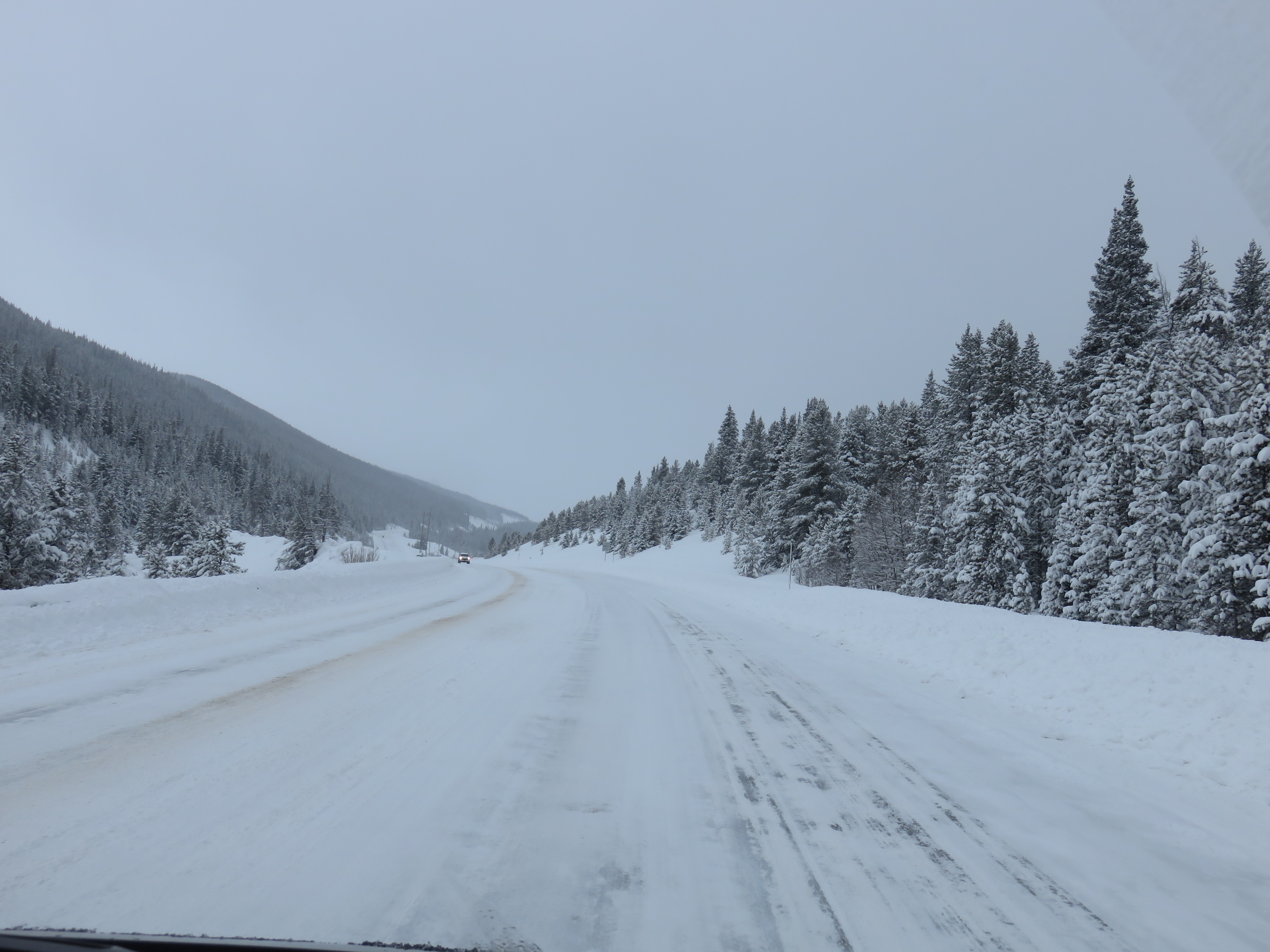
A road that is easily traveled in August may not be maintained in February. Seasonal gates, snow depth and changing weather can matter just as much as whether camping is technically permitted.
Private Campgrounds Can Fill the Gaps
Private RV parks and campgrounds are another useful part of winter-trip planning. Some remain open throughout the year, particularly near larger communities, interstate corridors, winter recreation destinations and regions with substantial year-round travel.
These campgrounds can be especially helpful during a longer road trip. A traveler heading south, for example, might spend the first night surrounded by snow, another night somewhere along an interstate corridor and eventually arrive at a destination where winter means sunshine and considerably warmer temperatures.
Private campgrounds may also offer services that become harder to find at public campgrounds during winter, although availability should never be assumed. Water hookups, dump facilities, showers and other amenities can still be affected by freezing temperatures or seasonal operating schedules.

How to Confirm a Campground Is Really Open
Winter campground research works best when information is checked in layers. A general internet or mapping search can help identify possibilities, but the campground operator, park agency or official reservation system should be used to confirm the details.
Look for the campground's stated operating season, available reservation dates, seasonal alerts and current road information. Then check which campground loops and facilities remain open. If the information is unclear or appears outdated, contacting the campground or park directly can resolve questions before you make the drive.
Recent traveler reports can also provide useful context about snow, road access and campground conditions, but they should supplement rather than replace official information. A review written several weeks earlier may describe conditions that have changed considerably after a winter storm.
"Open" Does Not Always Mean "Full Service"
This may be the most important distinction for anyone new to winter camping. A campground can legitimately remain open year-round while providing only a portion of its warm-weather services.
A campsite itself may be available while the water has been shut off for winter. Electrical service may remain available at some sites while other facilities are closed. Restrooms may be limited, and a campground that normally accepts reservations may switch to a different system during the off-season.
None of that necessarily makes it a poor winter destination. In fact, reduced services are often part of what makes winter camping quieter and less crowded. Travelers simply need to know what will and will not be available before arriving.
Weather Becomes Part of the Itinerary
Summer travel plans can often revolve around where you want to go. Winter travel requires another question: what will conditions allow you to do safely and comfortably?
Checking the forecast is only the beginning. Road conditions, overnight temperatures, snowfall, wind and the possibility of rapidly changing weather can influence whether a planned campground remains the best choice. Mountain passes and remote roads deserve particular attention, but significant winter storms can change travel conditions almost anywhere in the northern half of the country.
That makes flexibility valuable. A campground that looked perfect several days earlier does not have to remain the destination if conditions change. Sometimes the better winter-travel decision is another campground, another route or simply another day.
The Advantage of Traveling Small
That ability to adapt is one reason smaller campervans can be particularly useful for winter road trips. Travel does not necessarily have to revolve around moving a large motorhome from one predetermined RV destination to another. A smaller vehicle can make it easier to change routes, visit towns along the way, use ordinary parking areas and incorporate camping into a broader road trip.
The Mini-T Campervan fits naturally into that style of travel. Its smaller footprint makes it practical for everyday roads and parking while still providing a place to camp when the day's exploring is finished. For travelers moving between winter destinations, that combination can be particularly useful because the vehicle remains part of the trip rather than something that only becomes useful after arriving at a campground.
Winter travel also does not always mean seeking snow. The same trip might begin in Minnesota and eventually lead toward warmer destinations farther south. Having a campervan that works for transportation, sightseeing and camping allows the journey between those places to become part of the experience.
Winter Reveals a Different Side of Camping
Finding winter campgrounds is ultimately less difficult than it may first appear. The key is learning to distinguish between a park being open, a campground being open and the services within that campground actually operating. Once those questions become part of trip planning, year-round camping possibilities begin appearing in far more places.
And the reward can be substantial. A familiar state park covered in snow may feel like an entirely new destination. A normally busy campground can become remarkably peaceful. Frozen waterfalls, quiet trails, crisp mornings and evenings spent watching snow settle through the trees offer experiences that simply do not exist during the traditional summer camping season.
Winter does not have to mark the end of the camping year. For travelers willing to check conditions, understand seasonal services and remain flexible with their plans, it can simply mark the beginning of a different kind of trip.
Happy Camping!
DLM-Distribution / Campervans is a licensed manufacturer and dealer located in Lake Crystal, Minnesota, serving clients around the country.
Contact Dave: 651-285-7089 or Candy: 507-382-9446 today!