
NEWS
Buying a home in a neighborhood governed by a Homeowners Association (HOA) can offer many advantages. Well-maintained common areas, community amenities, and consistent neighborhood standards are often part of the appeal. At the same time, HOA communities operate under a structured set of rules that every homeowner agrees to follow.
For prospective buyers, understanding these rules before purchasing a home is essential. HOA guidelines can influence everything from landscaping choices to exterior modifications, parking policies, and even how certain vehicles are stored on the property. Taking the time to review these details in advance can help ensure that the community aligns with your lifestyle and expectations.
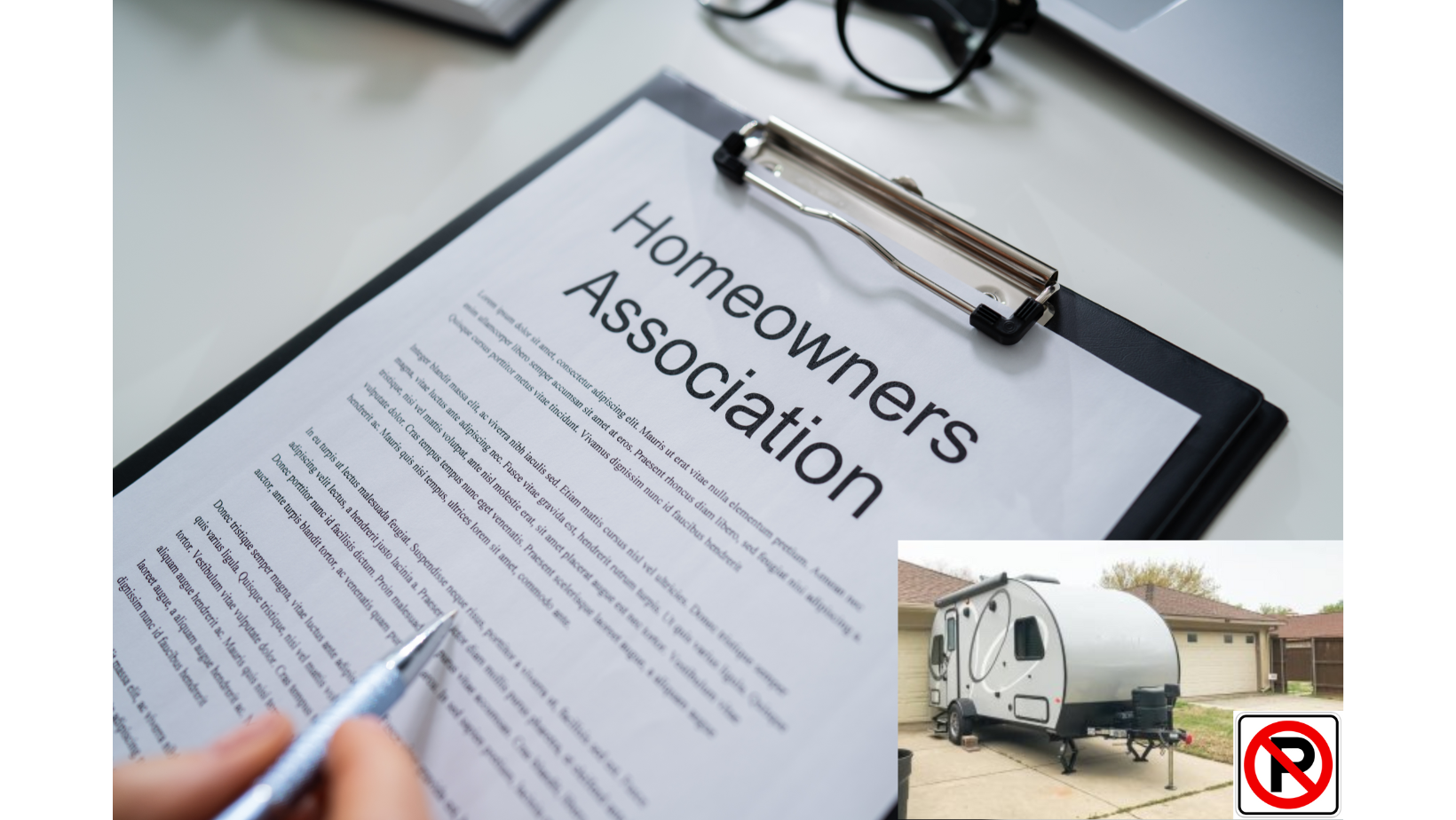
Step 1: Request and Review HOA Documents
The first step when considering a home within an HOA is requesting the community's governing documents. These typically include the Declaration of Covenants, Conditions, and Restrictions (CC&Rs), the association bylaws, and any amendments that may have been adopted over time.
The CC&Rs are particularly important because they outline the rules that homeowners must follow. These documents often address architectural standards, landscaping requirements, property maintenance, and vehicle storage policies. Reading through them carefully can help buyers understand what is expected and whether the community is a good fit.
Step 2: Pay Attention to Parking and Vehicle Restrictions
One of the most common areas addressed by HOA rules involves parking and vehicle storage. Many communities have restrictions on parking recreational vehicles, boats, or commercial vehicles in driveways or on neighborhood streets.
These policies are usually intended to maintain a consistent appearance throughout the community, but they can also affect homeowners who enjoy RV travel or outdoor recreation. Some HOAs allow temporary parking for loading and unloading, while others require that larger vehicles be stored off-site or inside a garage.
The Mini-T Campervan and Garage-Friendly RV Ownership
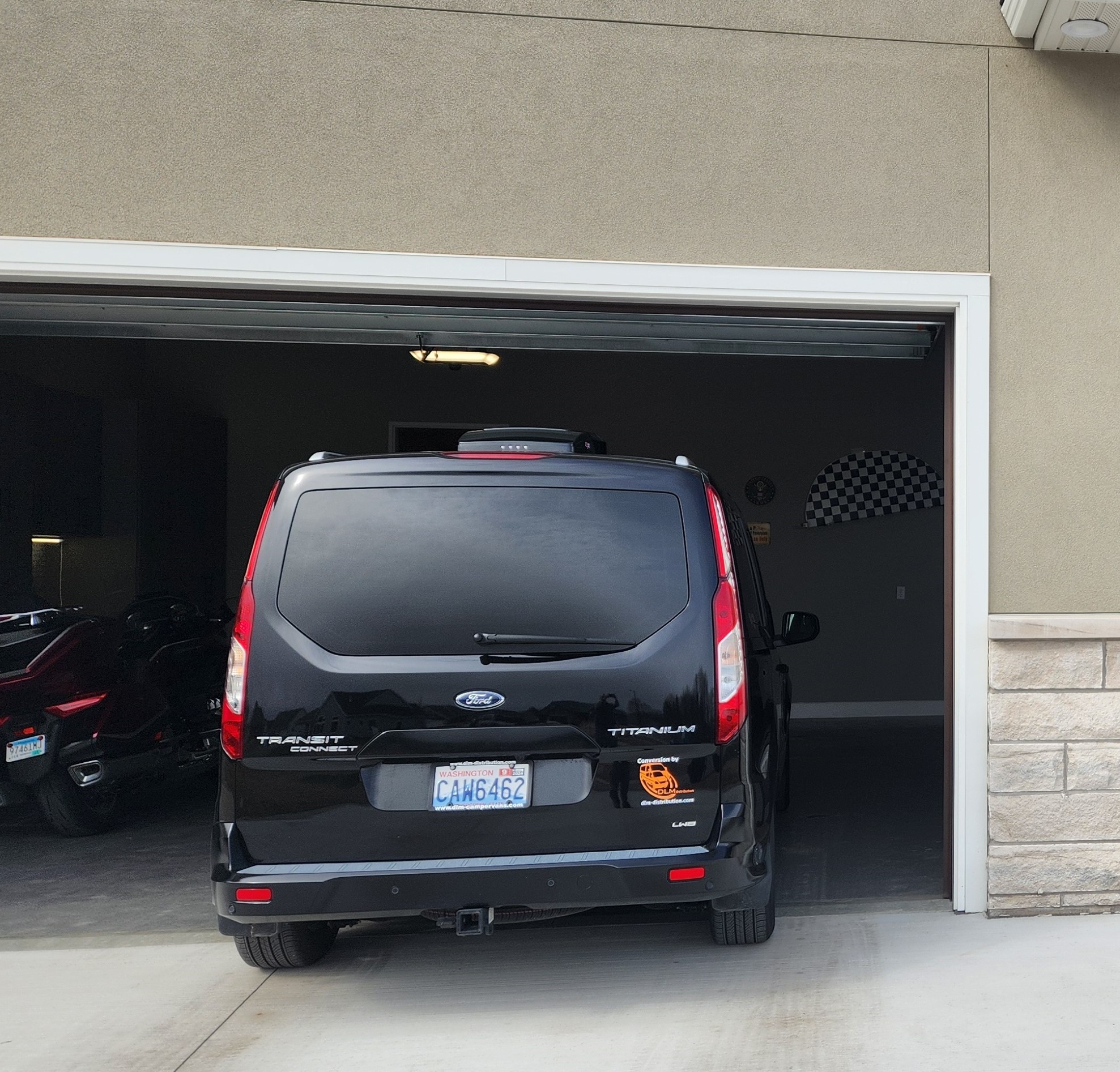
For individuals who enjoy RV travel but live in HOA-regulated neighborhoods, vehicle size can make a significant difference. A compact campervan such as the Mini-T Campervan offers a practical solution because its design allows it to fit comfortably inside many standard residential garages.
This garage-friendly size helps homeowners enjoy the flexibility of RV travel while remaining compliant with common HOA vehicle storage rules. Instead of searching for off-site storage or worrying about neighborhood restrictions, the campervan can be parked and protected at home.
Step 3: Attend HOA Meetings and Speak with Residents
Beyond reviewing documents, one of the most valuable ways to understand an HOA community is by observing how it operates in practice. Attending a meeting or speaking with current residents can provide helpful insight into how rules are interpreted and enforced.
Residents often have a clear understanding of the community atmosphere, the responsiveness of the association board, and how flexible certain guidelines may be in everyday situations.
Step 4: Consider Your Lifestyle and Long-Term Plans
Every HOA community is different, and what works well for one homeowner may not be ideal for another. Buyers should consider how the association's rules align with their long-term lifestyle. Those who enjoy customizing their property, owning recreational vehicles, or hosting frequent gatherings may want to ensure the community guidelines support those activities.
Understanding these factors in advance helps avoid surprises after moving in and contributes to a more comfortable living experience within the neighborhood.
Taking the time to review HOA policies carefully allows homebuyers to make informed decisions about the communities they choose. With the right preparation, it is possible to enjoy the benefits of a well-managed neighborhood while still maintaining the flexibility to pursue hobbies such as travel and outdoor recreation.
~Looking for a campervan that fits in your garage and works well in HOA communities?
DLM-Distribution / Campervans is a licensed manufacturer and dealer located in Lake Crystal, Minnesota, serving clients around the country.
Contact Dave: 651-285-7089 or Candy: 507-382-9446 today!