
NEWS
Why Driving Makes Sense for the Snowbird Lifestyle
Seasonal migration has long been part of the snowbird tradition. Each year, thousands of travelers move between northern and southern climates, adjusting their routines to follow more comfortable weather. While air travel offers speed, many snowbirds are choosing to drive instead — not simply as transportation, but as a more practical and controlled way to manage seasonal living.
For those who relocate regularly, how the transition happens can be just as important as where it ends.
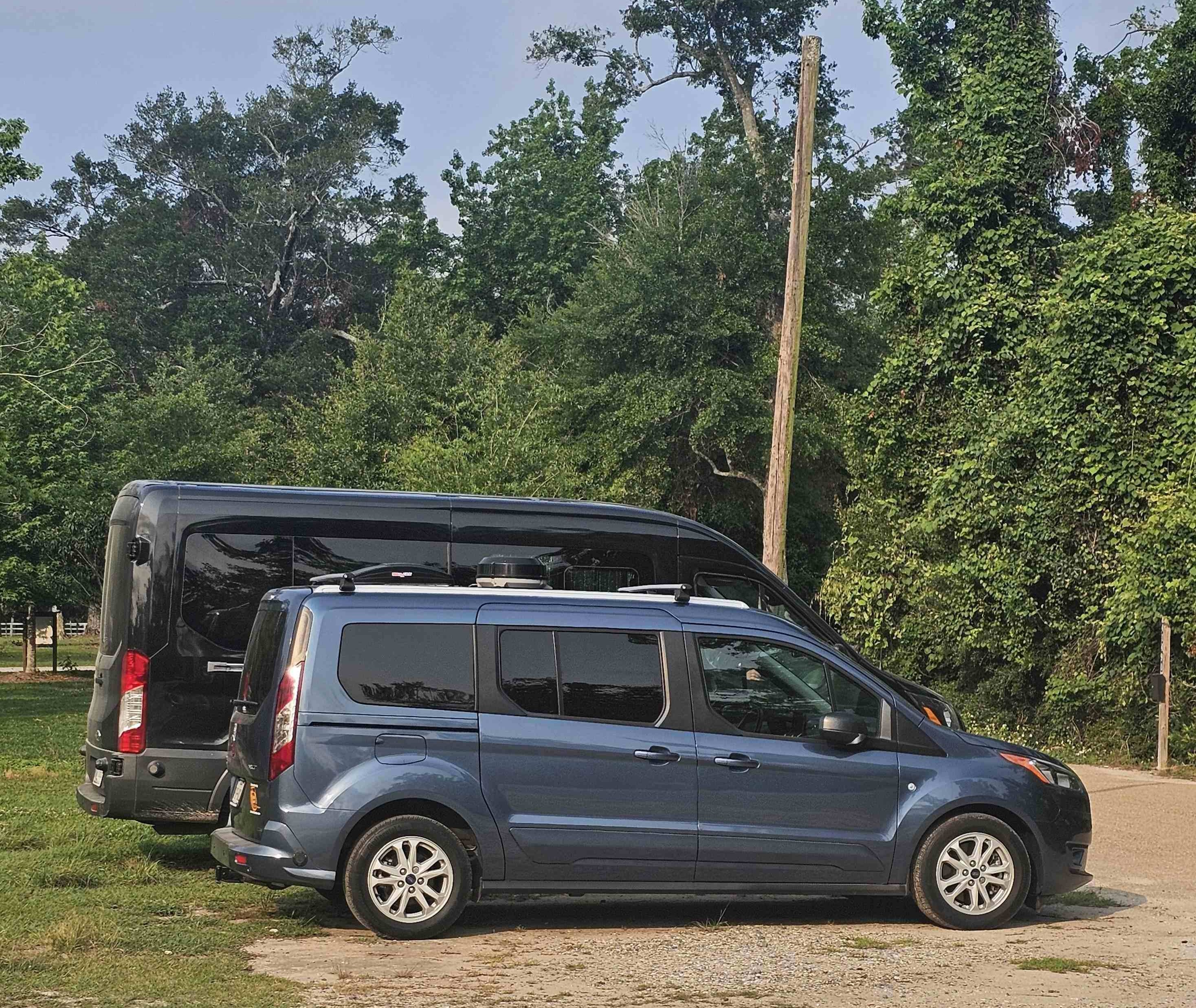
Travel That Feels Less Rushed
Air travel compresses distance, but it also compresses the experience. Fixed departure times, crowded terminals, security lines, and baggage limits often turn travel days into logistical exercises rather than meaningful transitions between places.
Driving changes the pace. Departure times are flexible. Routes can shift with weather or interest. Stops become intentional rather than inconvenient. Scenic highways, regional attractions, and quieter secondary roads allow travelers to experience the geography between destinations instead of bypassing it entirely.
For many snowbirds, the seasonal move becomes less about getting there quickly and more about moving gradually from one environment to another.
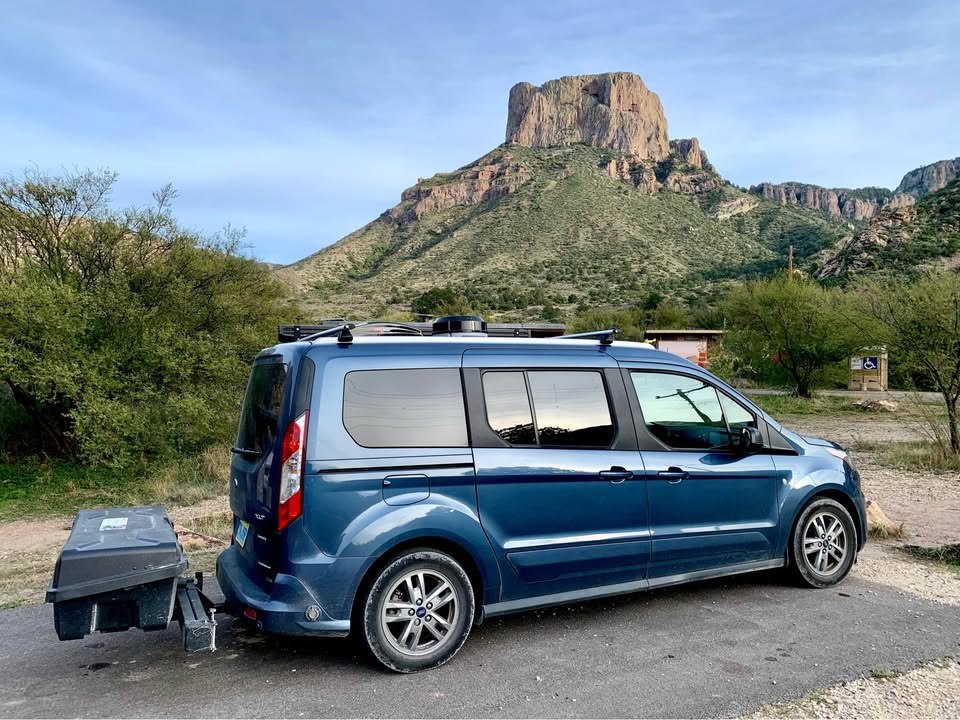
Consistency on the Road
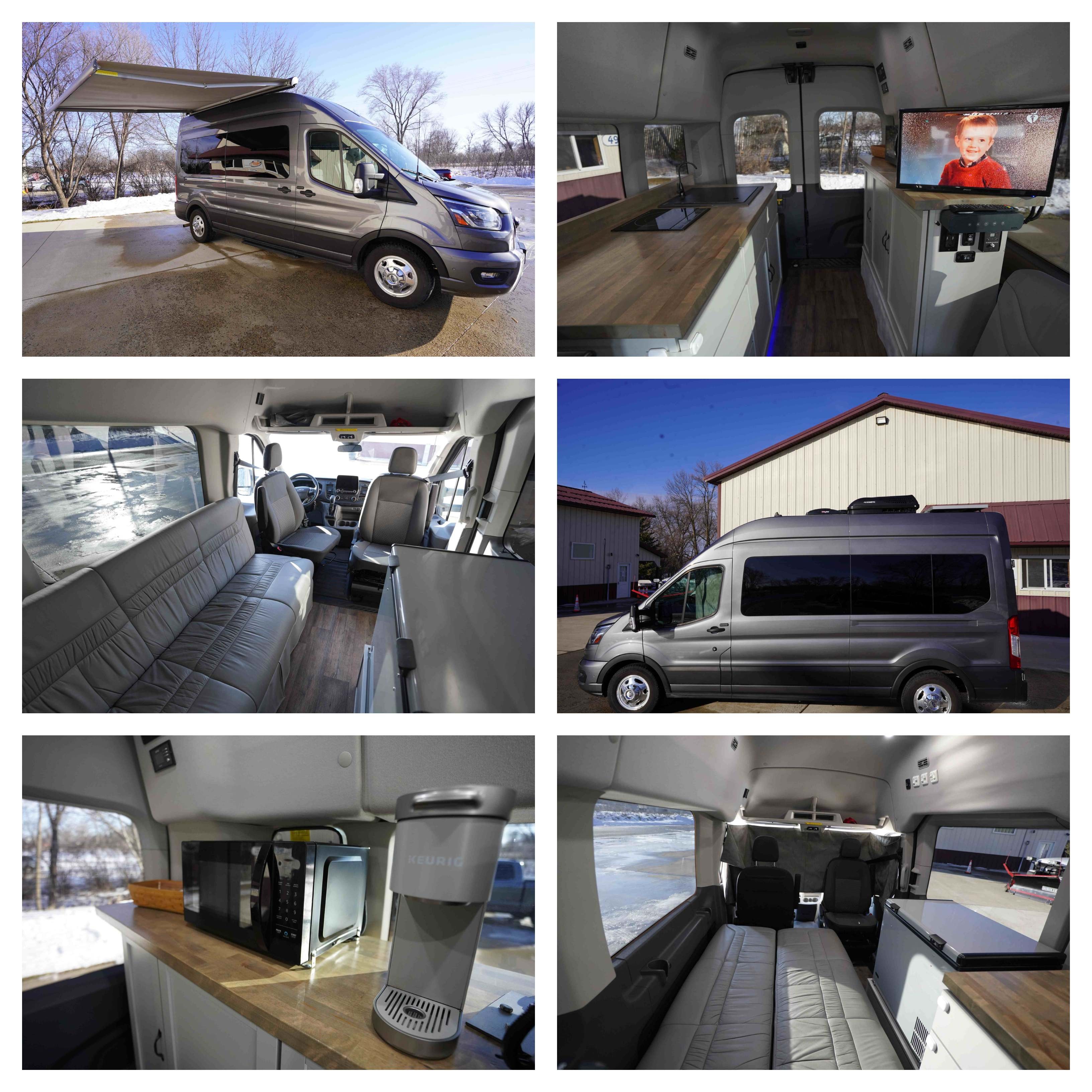
Long-distance travel is easier when daily routines remain familiar. Driving with a campervan allows travelers to keep their personal environment consistent from one stop to the next. Sleeping arrangements remain the same. Personal items stay accessible. There is no repeated packing and unpacking, no adapting to different hotel rooms, and fewer disruptions to normal habits.
That continuity reduces fatigue, especially during multi-day journeys that cover large distances. Instead of feeling temporary or unsettled, travel can feel structured and predictable.
Access to Places Flights Don’t Reach
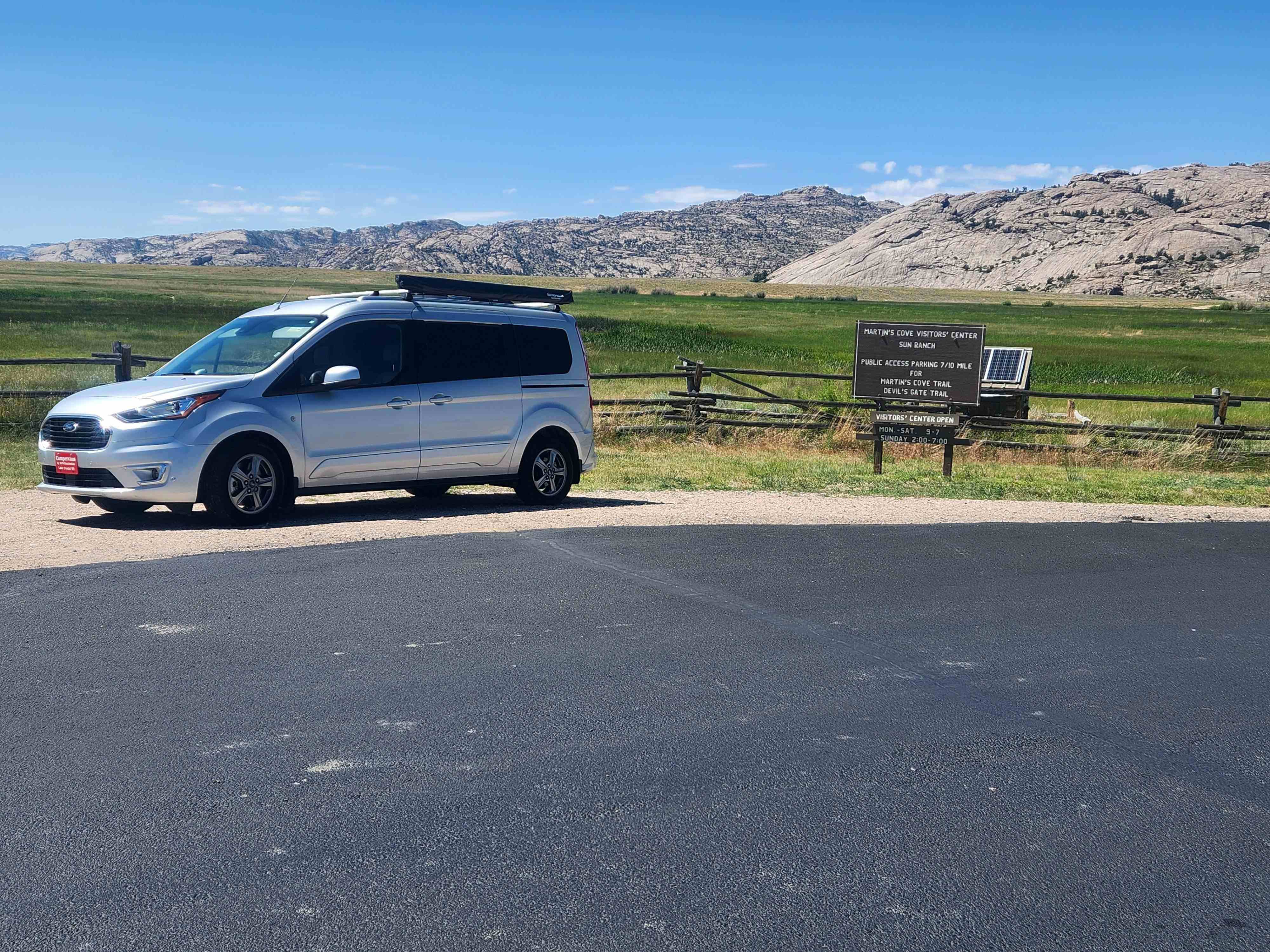
Driving also expands where travelers can comfortably spend time. Smaller parks, lakeside campgrounds, scenic byways, and regional destinations often sit far from major airports. When traveling by road, these places become natural stopping points rather than detours.
Off-season travel — common among snowbirds — often means lighter crowds, easier reservations, and quieter surroundings. The journey itself becomes an opportunity to experience landscapes that would otherwise remain unseen when traveling by air.
Operating costs can also remain more predictable. Efficient travel vehicles help manage fuel use, and avoiding repeated flights, rental cars, and hotel stays can stabilize seasonal travel expenses over time.
Control Over Meals and Daily Rhythm
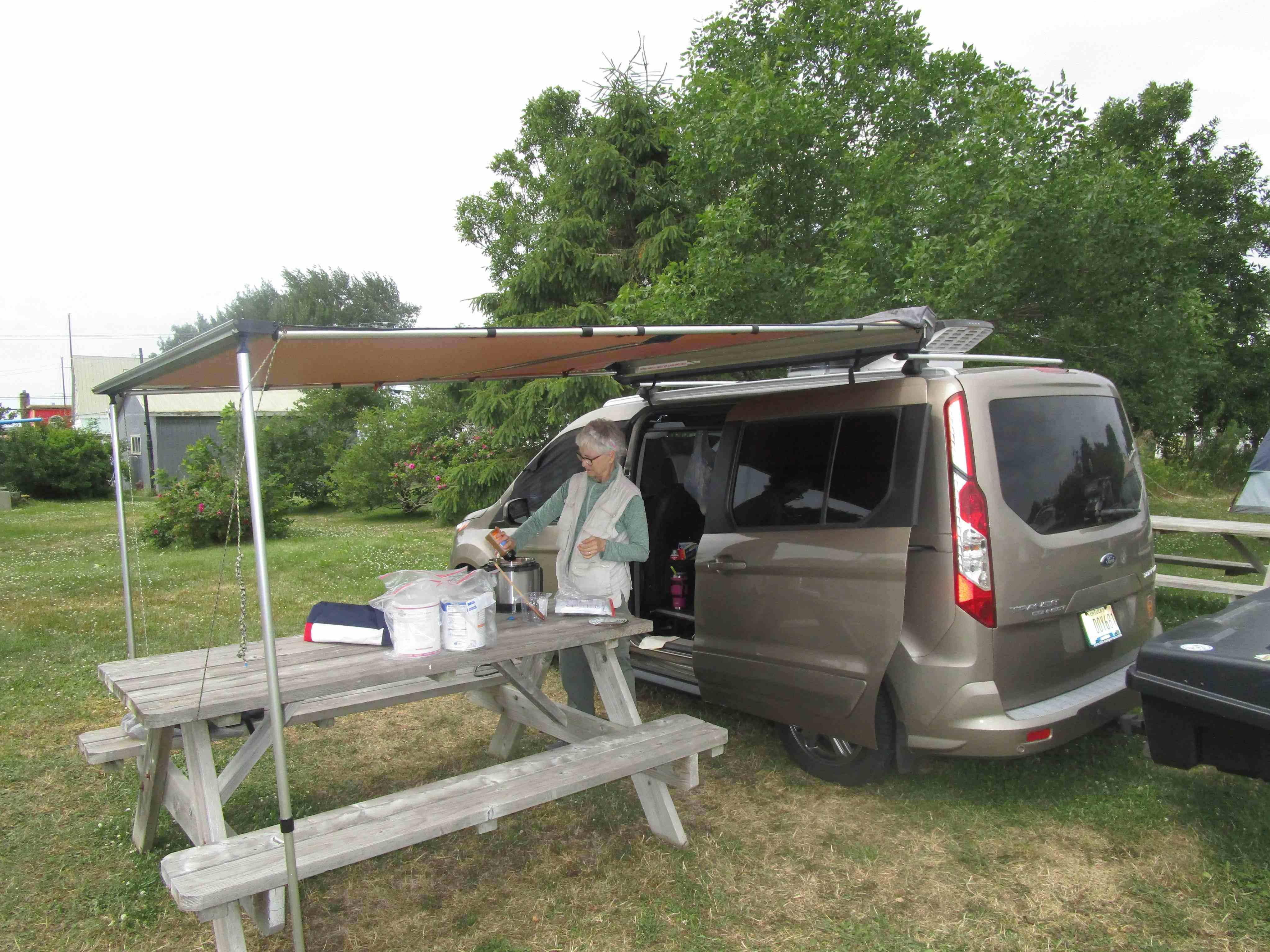
Food is another area where driving changes the experience. Instead of relying on airport concessions or frequent restaurant stops, travelers can maintain familiar eating habits. Simple meals prepared along the way — at rest areas, scenic overlooks, or campgrounds — create a steady routine that supports long travel days.
Small comforts, such as morning coffee in a quiet setting or an evening meal after reaching a planned stop, contribute to a more measured pace of travel.
Usefulness Beyond the Journey
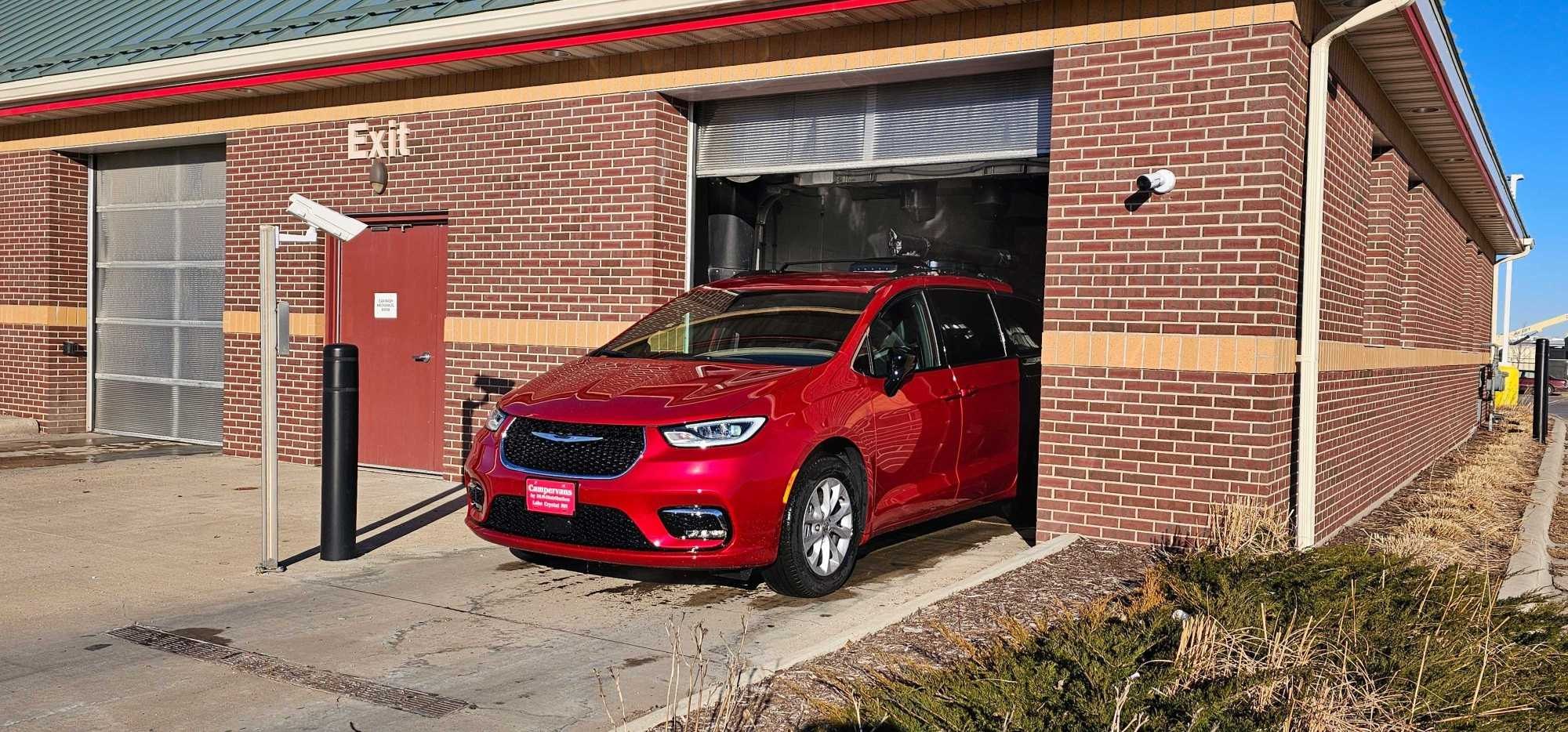
Once snowbirds arrive at their seasonal destination, transportation needs continue. A compact travel vehicle can function as everyday transportation — suitable for errands, appointments, and short regional trips. Its practicality does not end when the migration does.
For many homeowners, especially those in planned communities or areas with parking restrictions, vehicle size also matters. Travel vehicles that can be stored on residential property help simplify ownership by avoiding off-site storage and related costs.
Pacing the Seasonal Move
Driving allows seasonal travel to be divided into manageable segments. Many snowbirds plan routes that include state parks, national recreation areas, and regional campgrounds spaced comfortably along the way. Instead of a single long travel day, the migration becomes a series of shorter, structured stages.
This gradual approach supports both comfort and flexibility. Travelers can adjust timing, rest when needed, or extend stays in places that warrant more time.
A Practical Fit for Seasonal Living
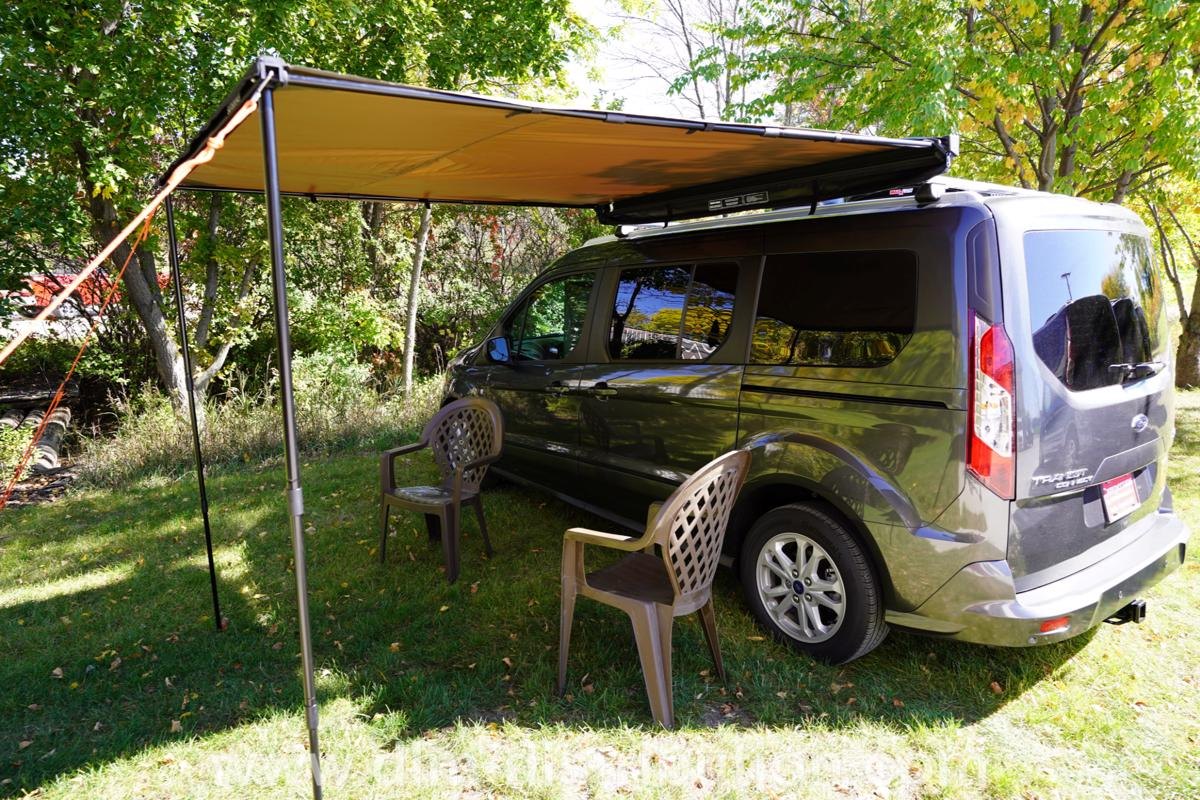
At its core, the snowbird lifestyle is about maintaining balance — between two homes, two climates, and two rhythms of living. Driving supports that balance by making the transition between locations more gradual, more flexible, and more controlled.
Rather than beginning and ending the season in an airport terminal, travel unfolds continuously from one environment to another. The route becomes part of the pattern of seasonal life rather than an interruption to it.
For many snowbirds, that continuity is what makes the lifestyle sustainable year after year.

DLM-Distribution / Campervans is a licensed manufacturer and dealer located in Lake Crystal, Minnesota, serving clients around the country.
Contact Dave: 651-285-7089 or Candy: 507-382-9446 today!